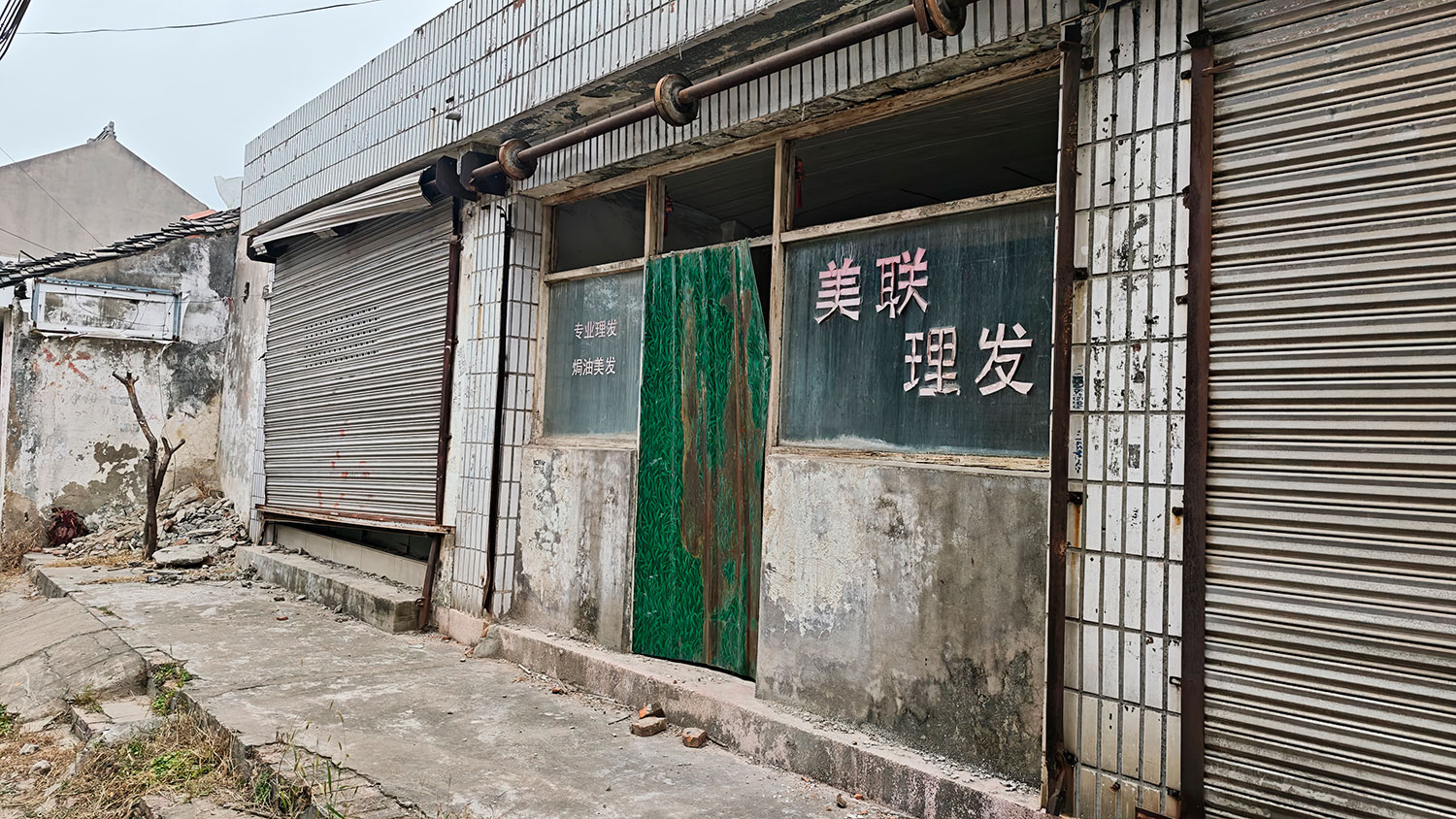
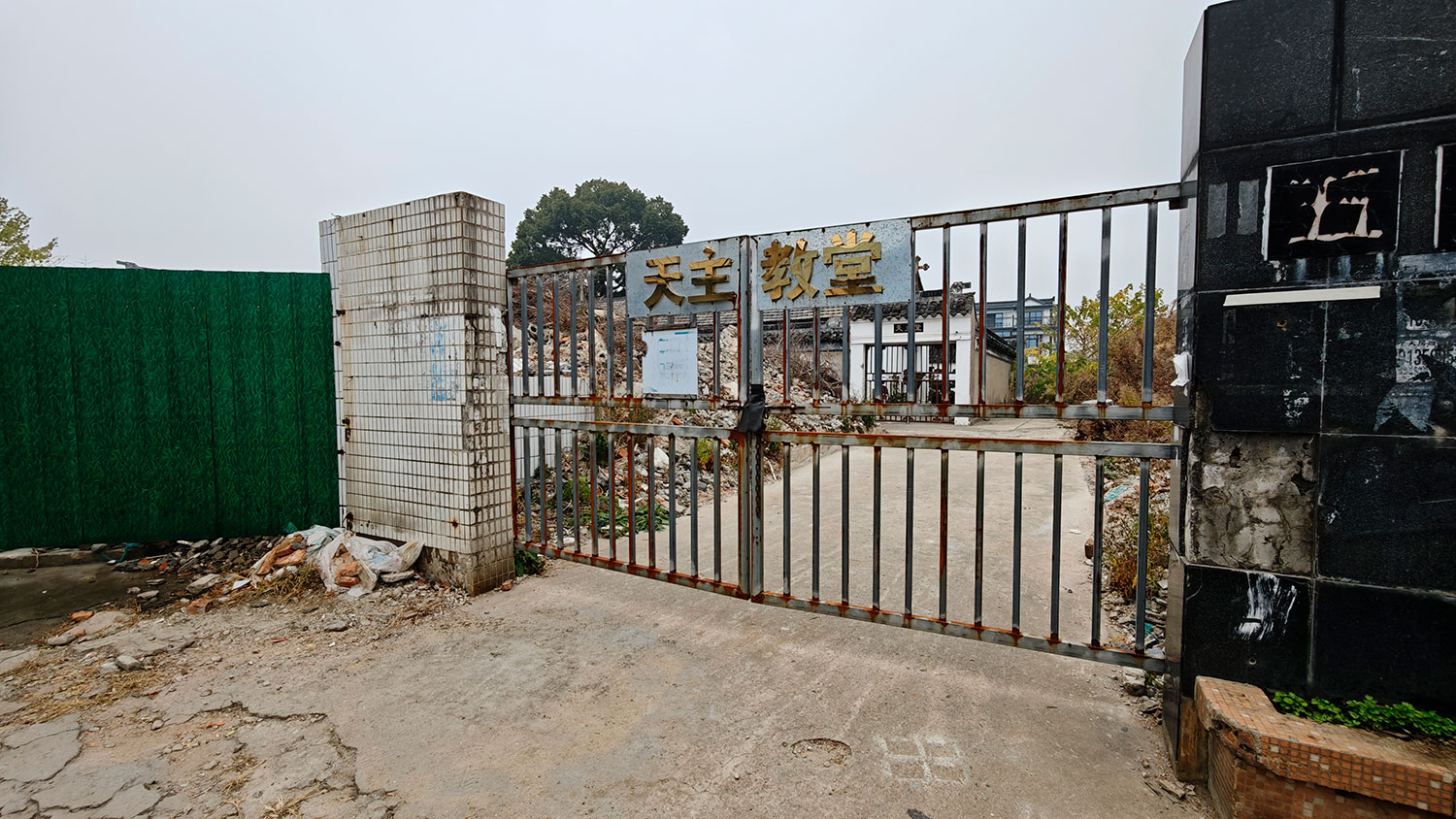
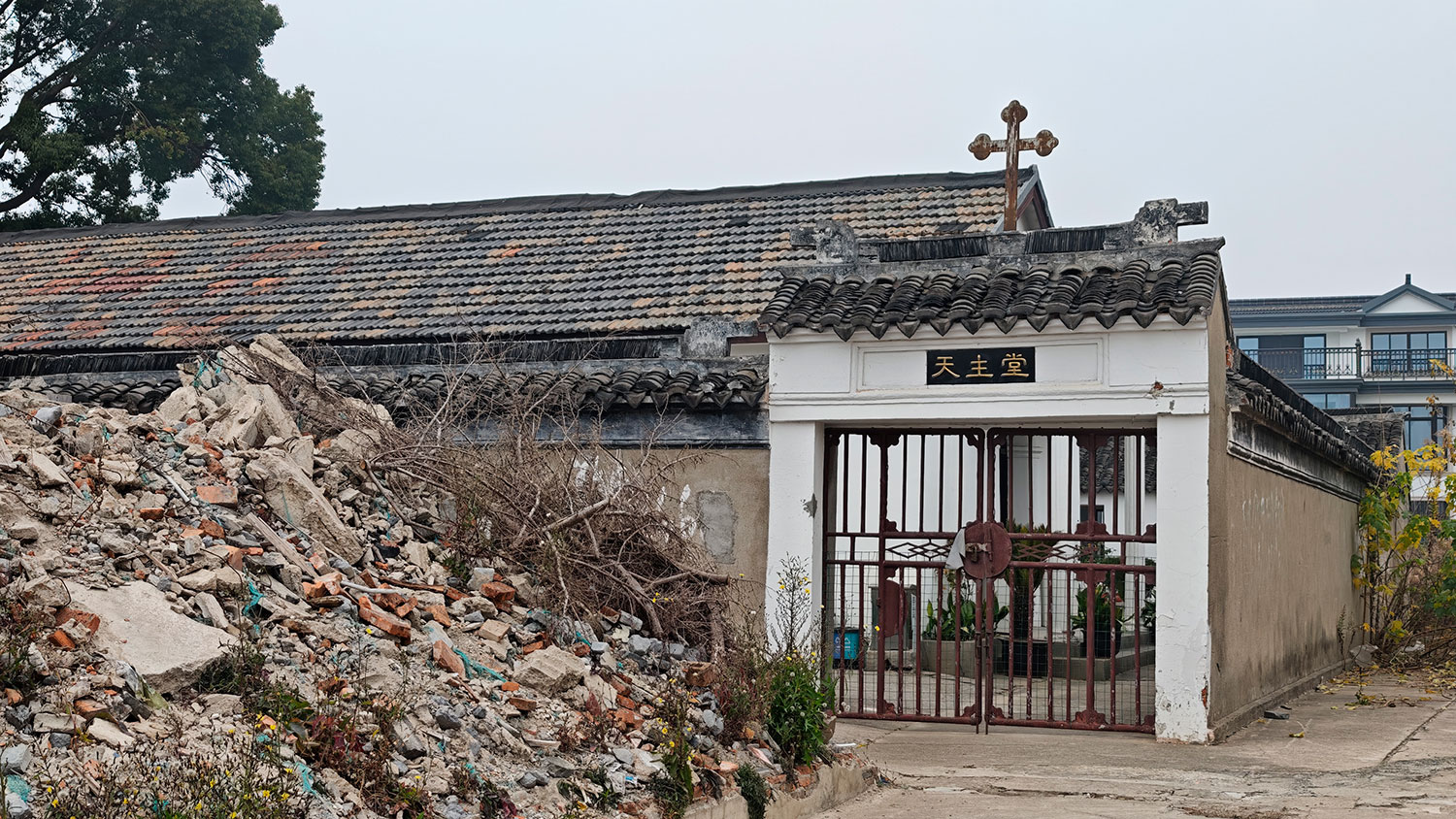
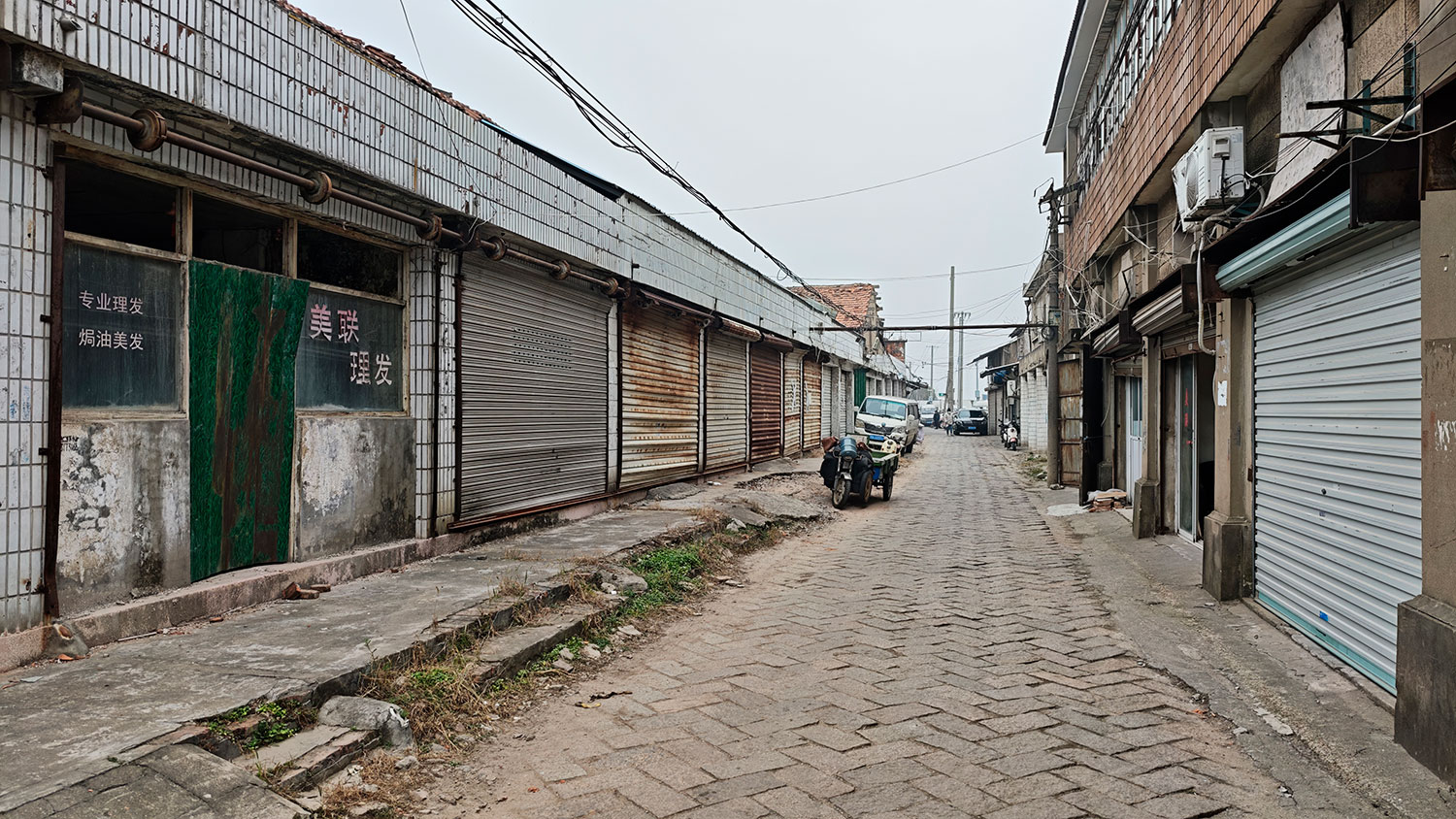
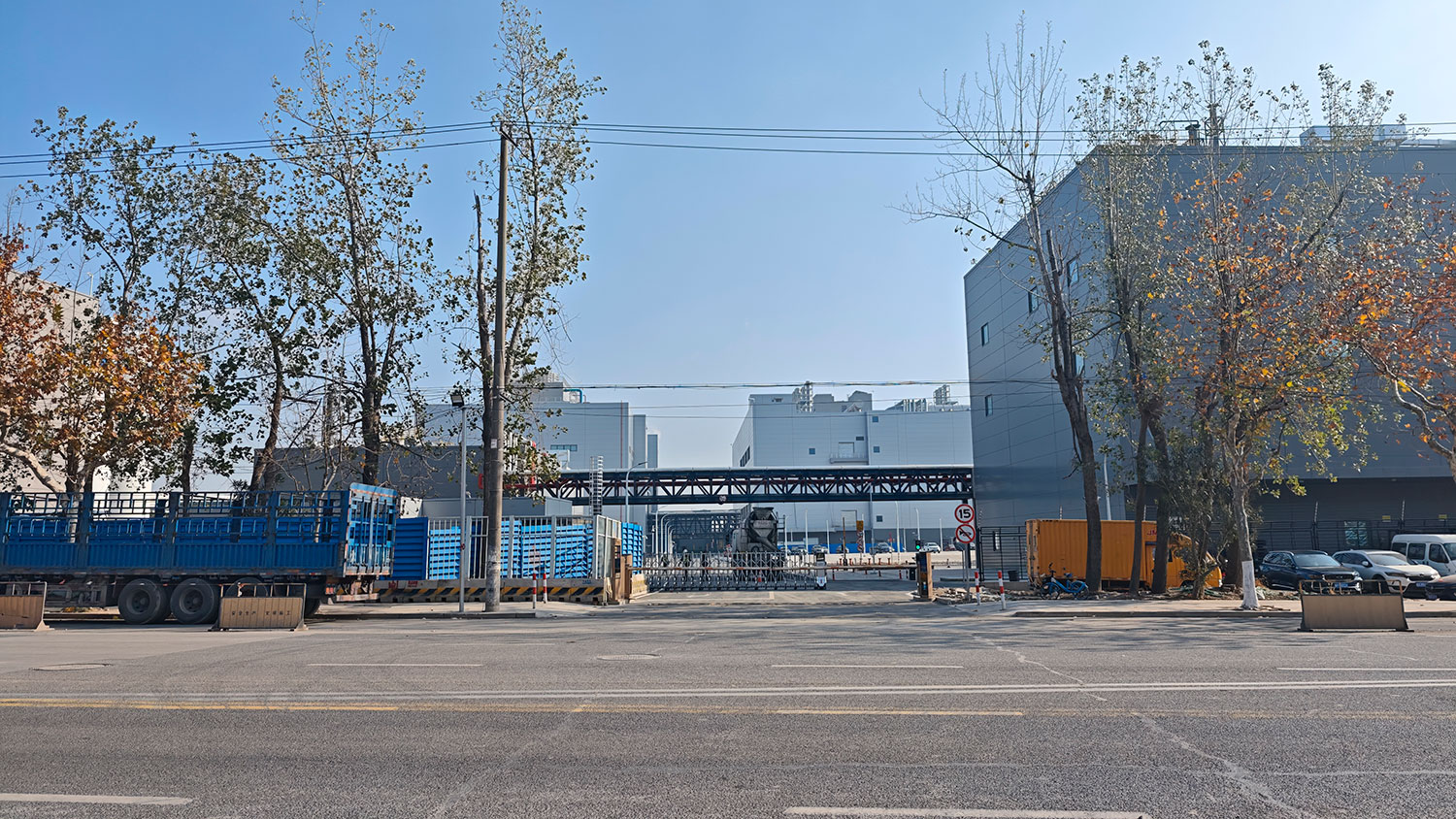
A week ago, I saw a nearby old lane (小湾老街) on Xiaohongshu — but when I wanted to take a look there, I found it was already demolished and turned into some kind of factory. I checked back on Xiaohongshu and saw that indeed, the last posts were from early 2024. There was a feeling of losing something, even though I never had it; only the opportunity. But those alleys will never return, and instead we got monotone aluminium panels.
So this weekend, when driving to Suzhou, I wanted to make amends with myself. On Xiaohongshu (again), I found Nangang Old Street (昆山南港古街) in Kunshan, and set out to make a small detour to see it.
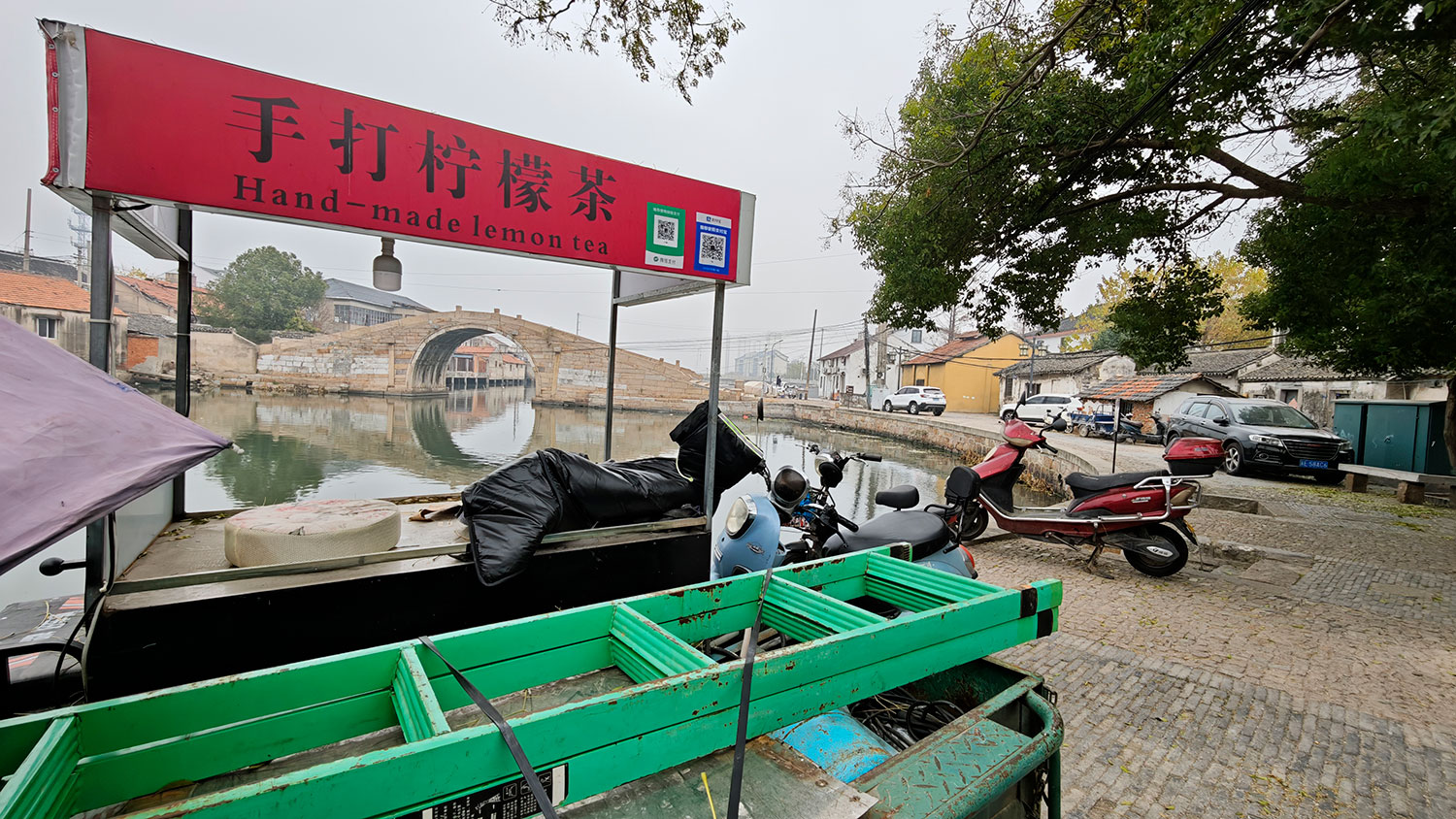
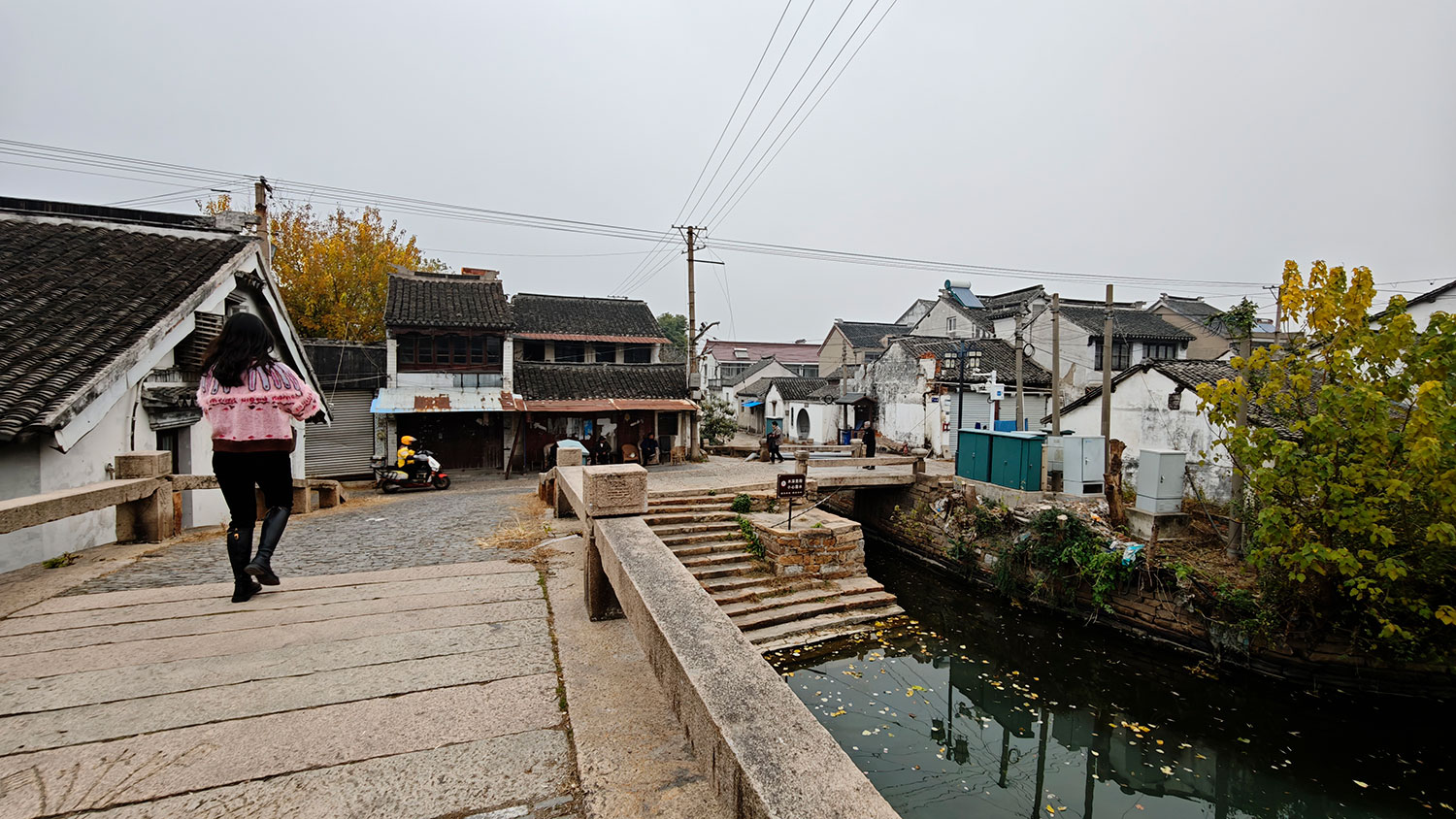
When I was nearly there, I actually drove past Luzhi Ancient Town (甪直古镇) and decided to have a look there as well. And it’s not a bad watertown; it’s 4A, which means that, unlike 5A tourist attractions, there’s no traffic jam, no entry ticket, and there’s space in the parking lot. It also means there are coffee places and restaurants, but nothing from chain stores like Luckin or Starbucks. This is all a win. Some people will prefer the comfort of knowing exactly what they’ll get — even when traveling. But these independent stores all show their own decisions; the menu, the interior, the names, and the owners for whom this shop is their livelihood.
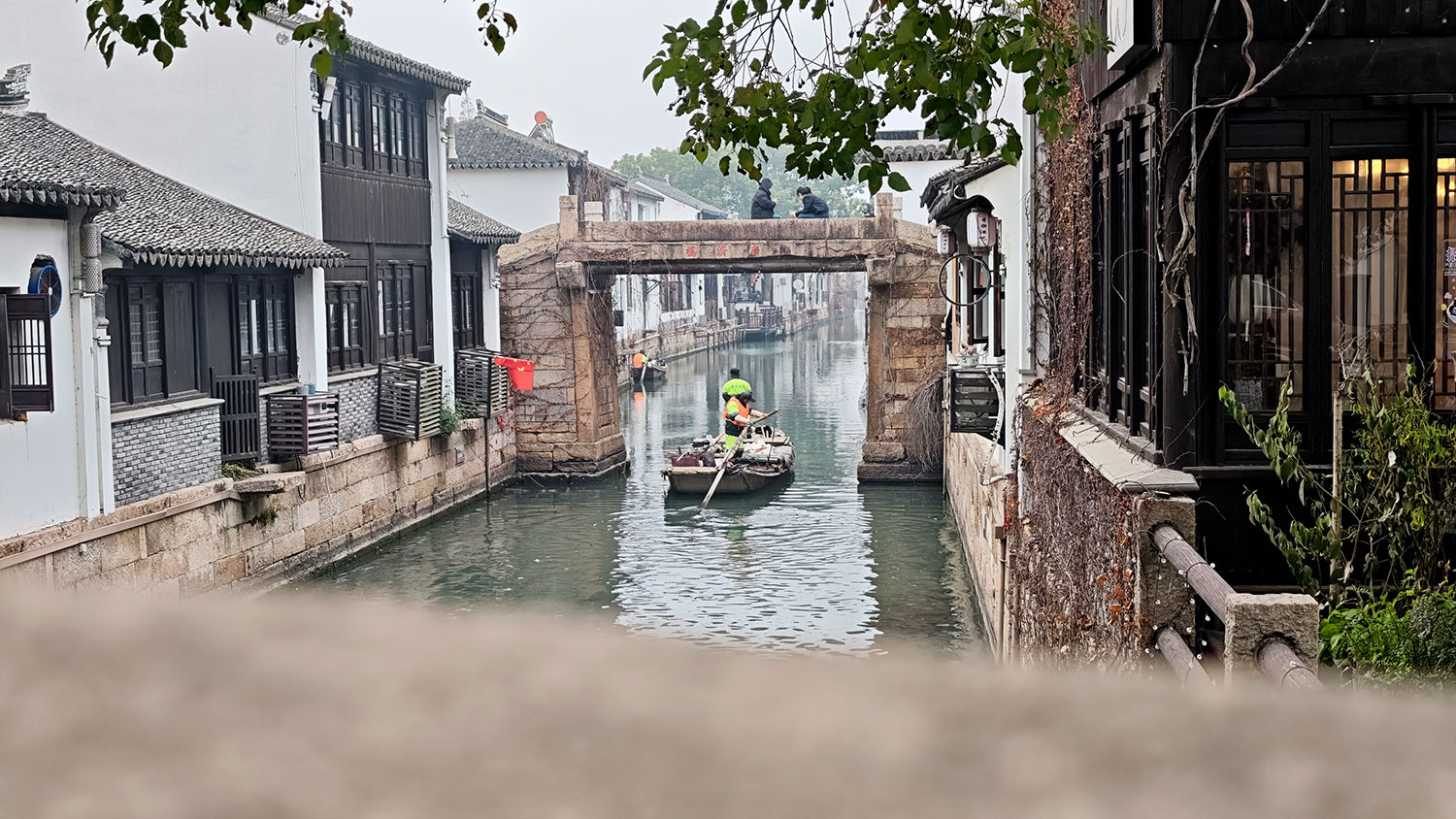
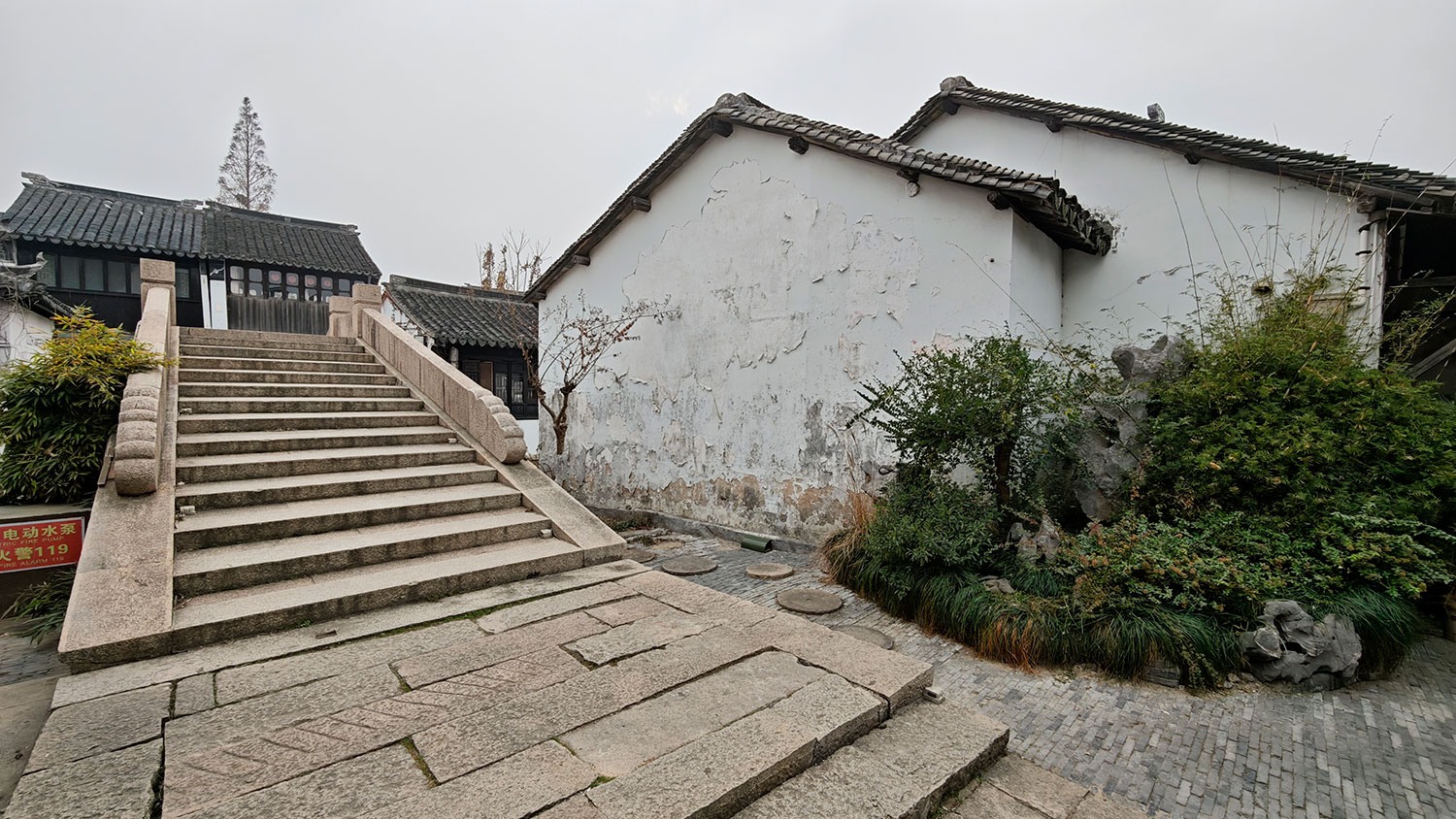
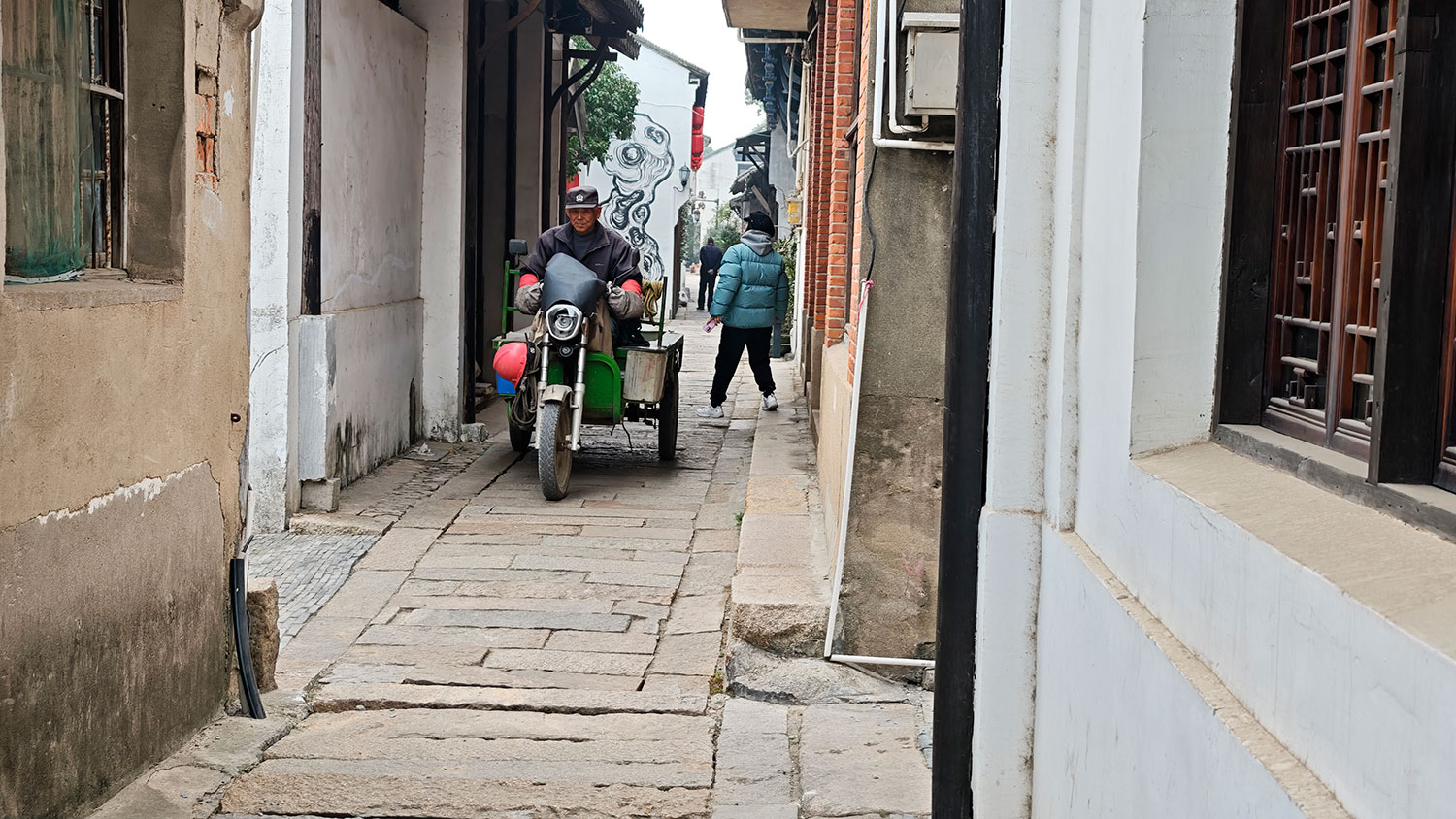
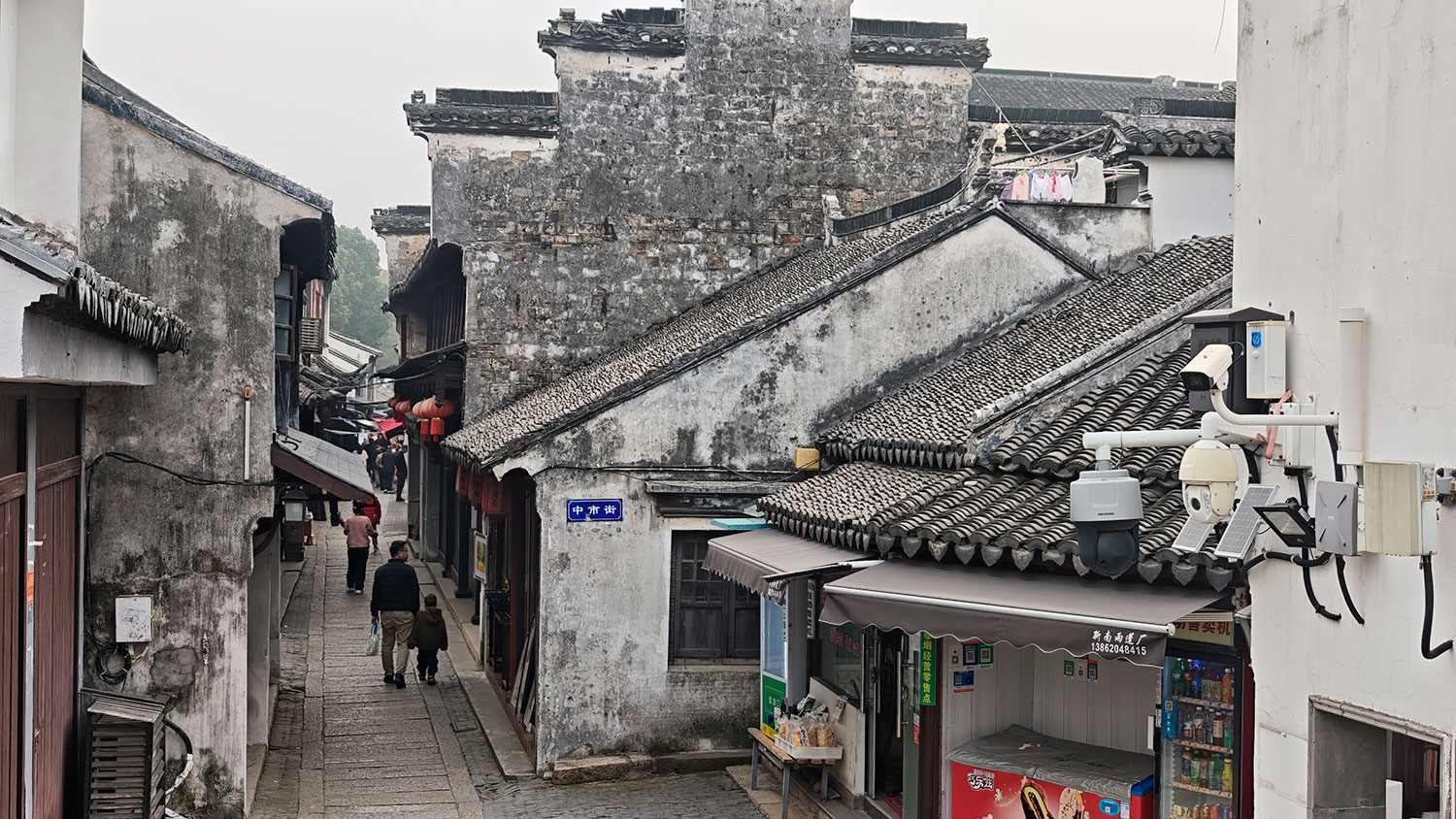

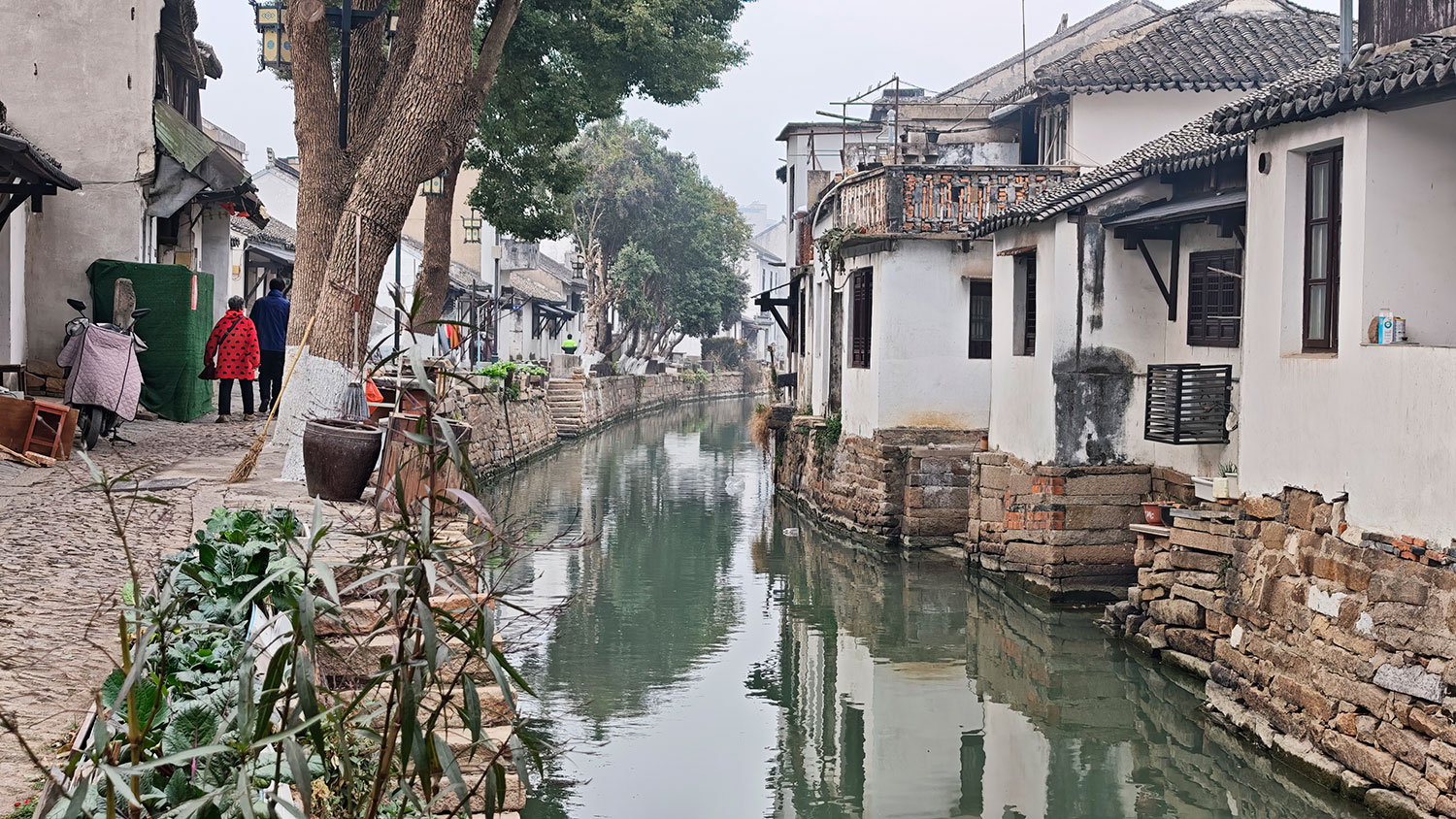
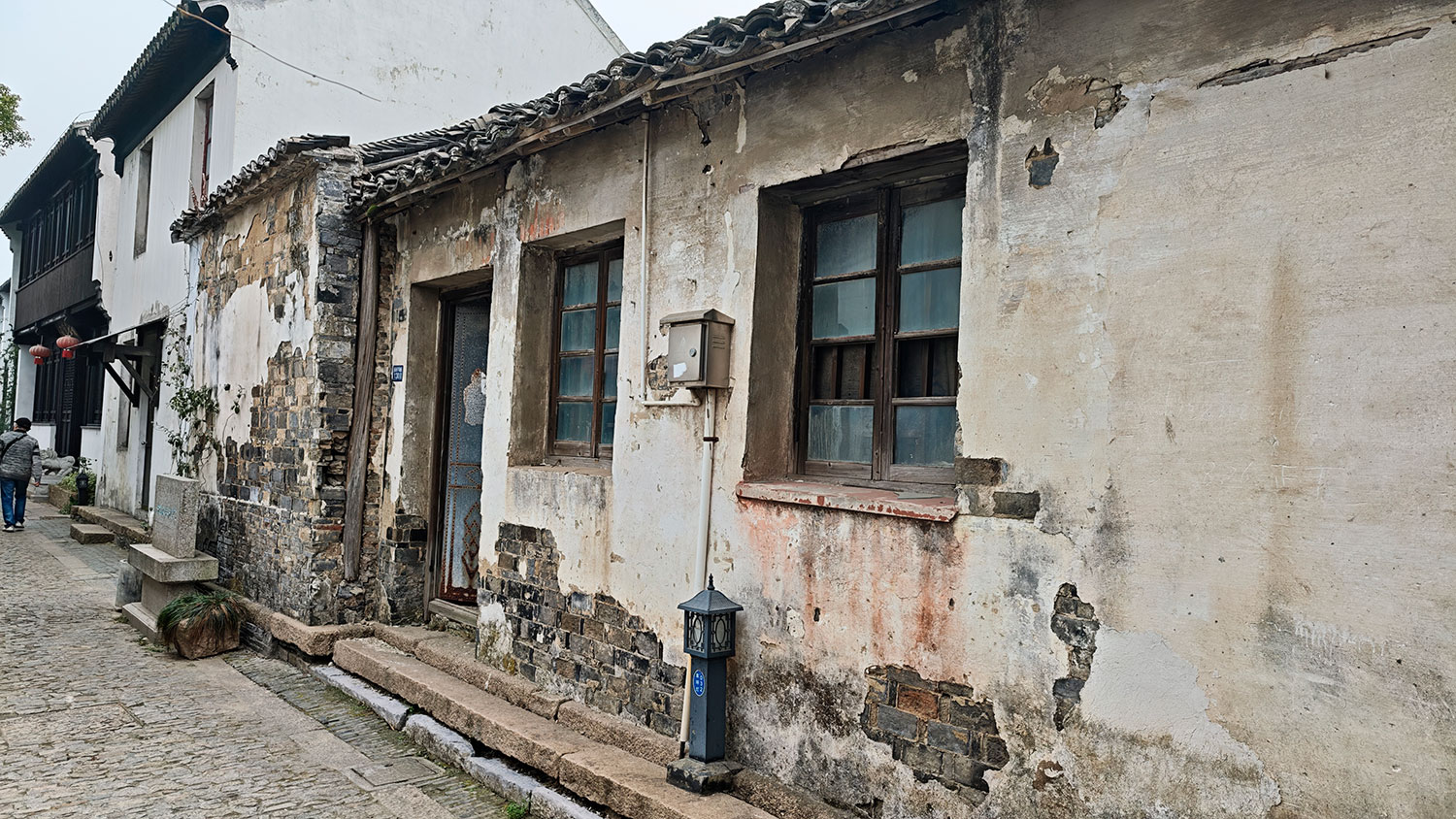
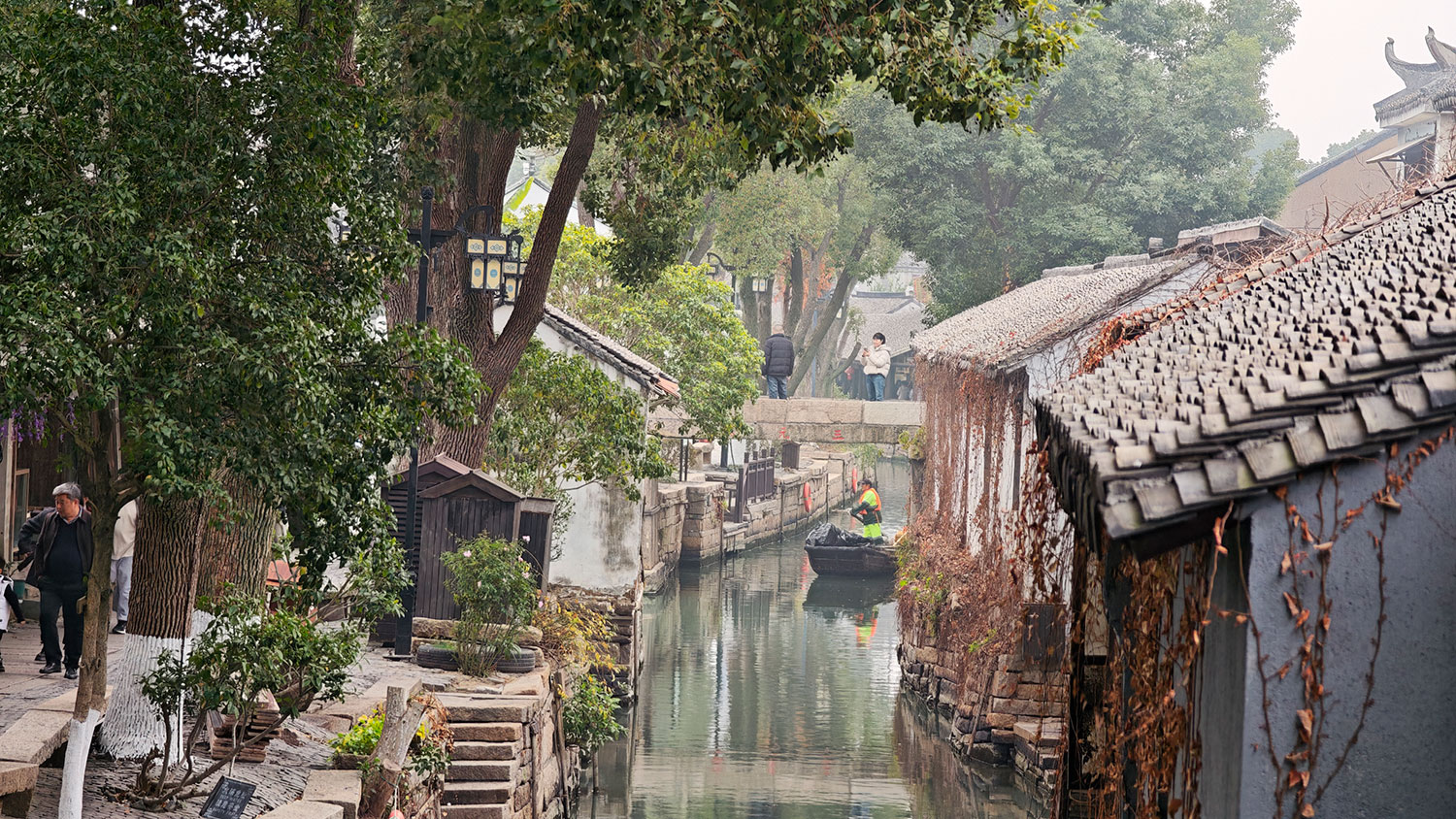
The weather doesn’t help for taking great photos — it’s cloudy as well as highly polluted air (AQI of ~190). There are no sharp shadows, and everything looks like it’s touched by a thin layer of grey.
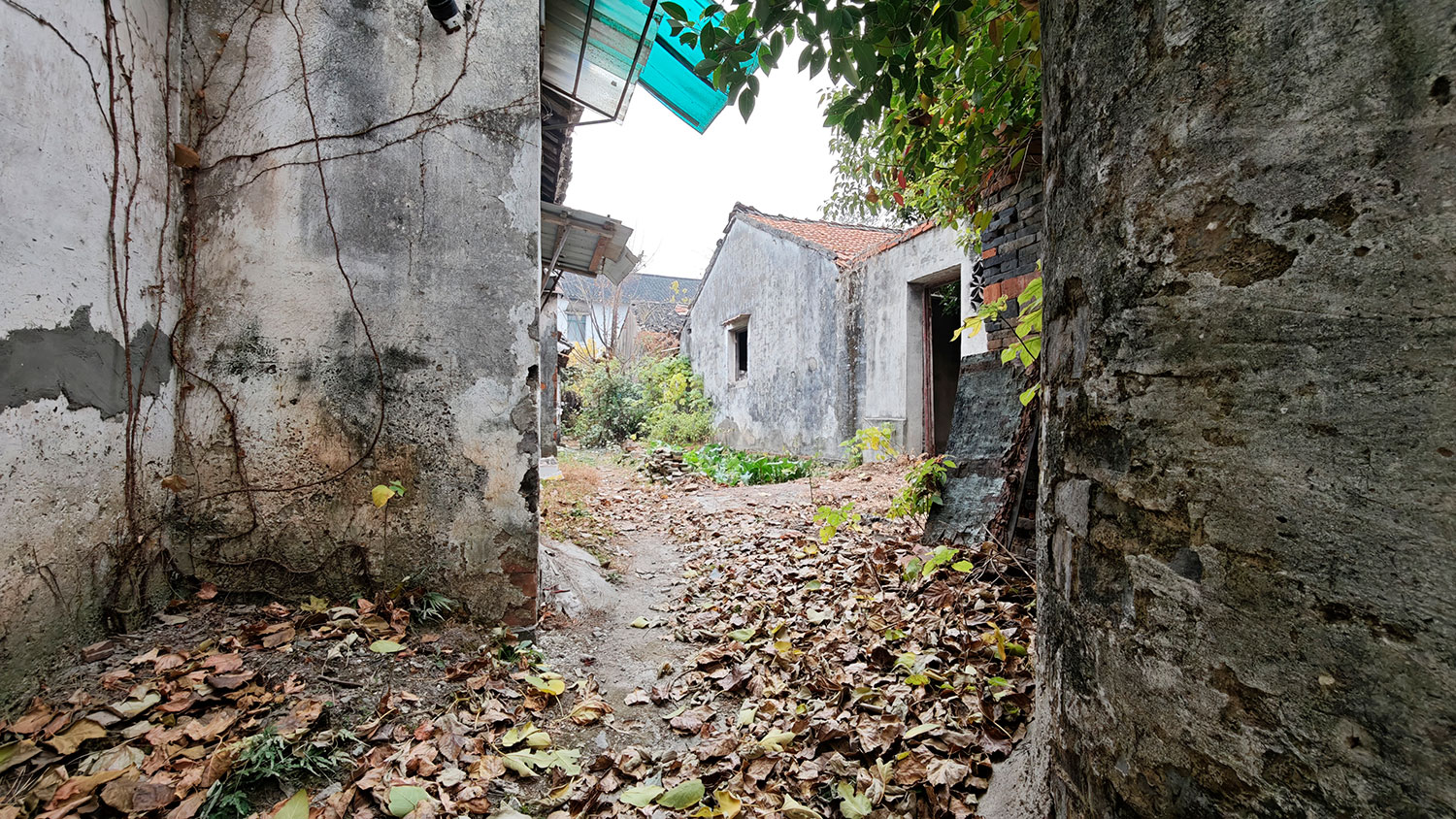
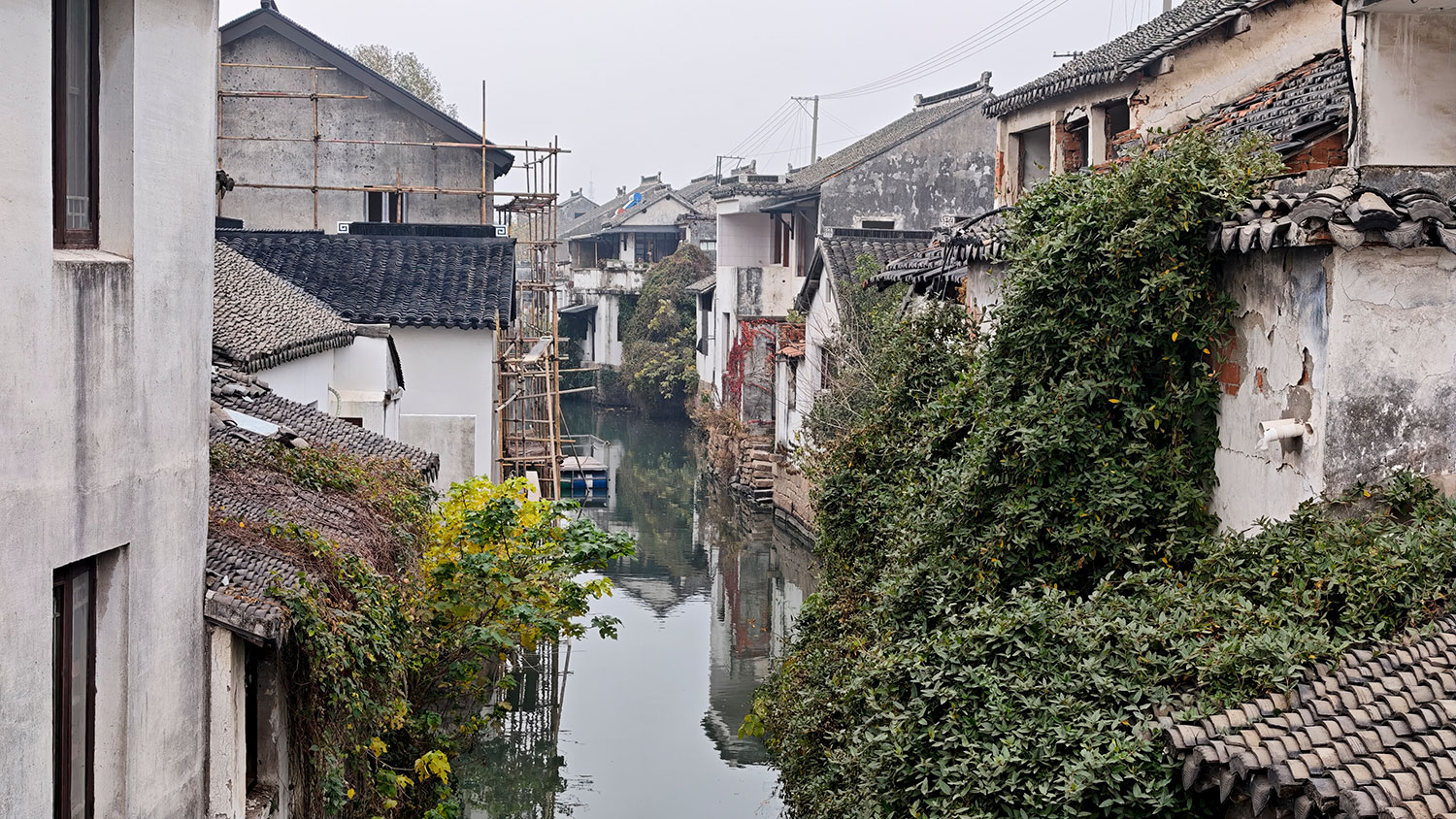
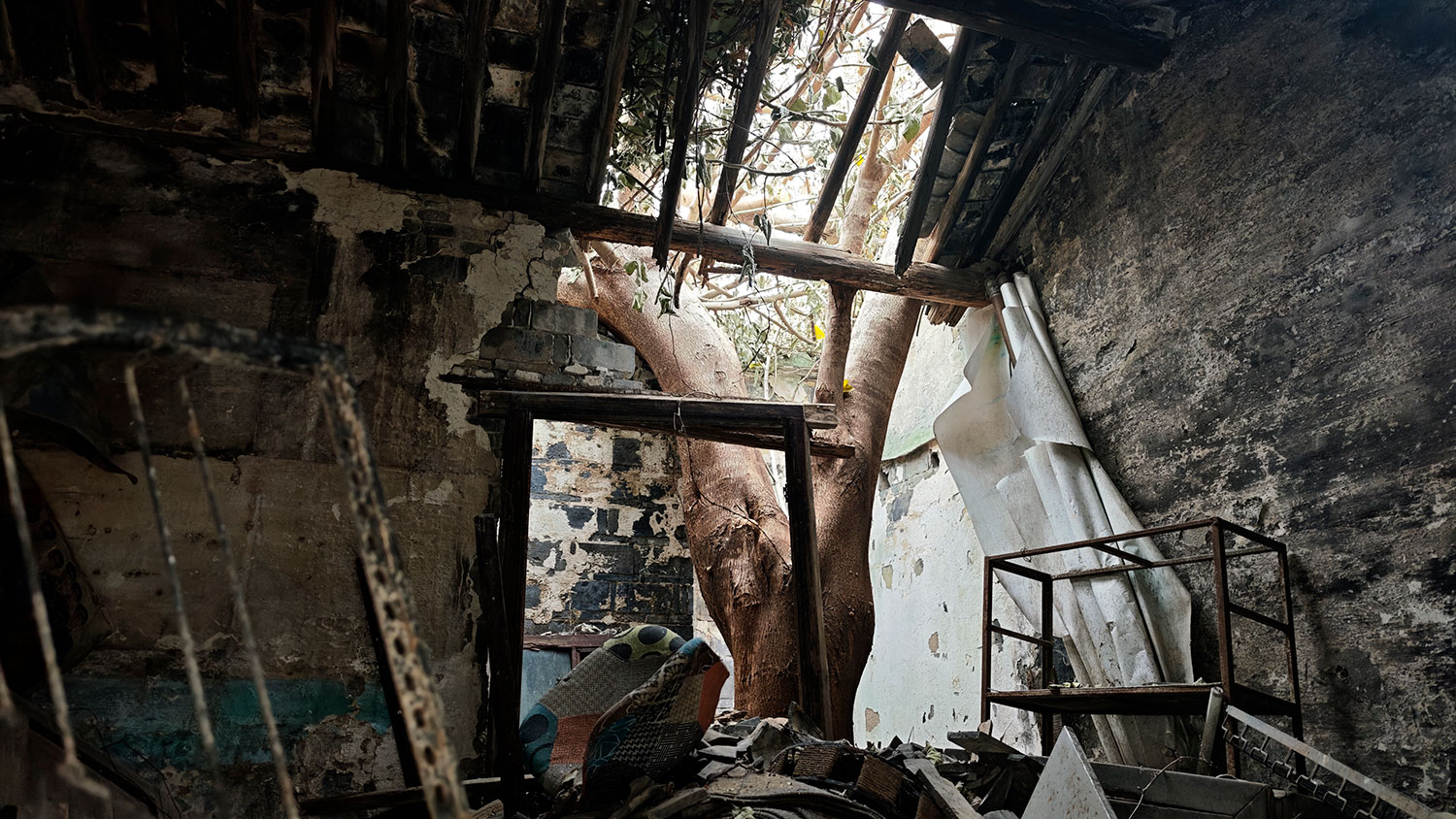
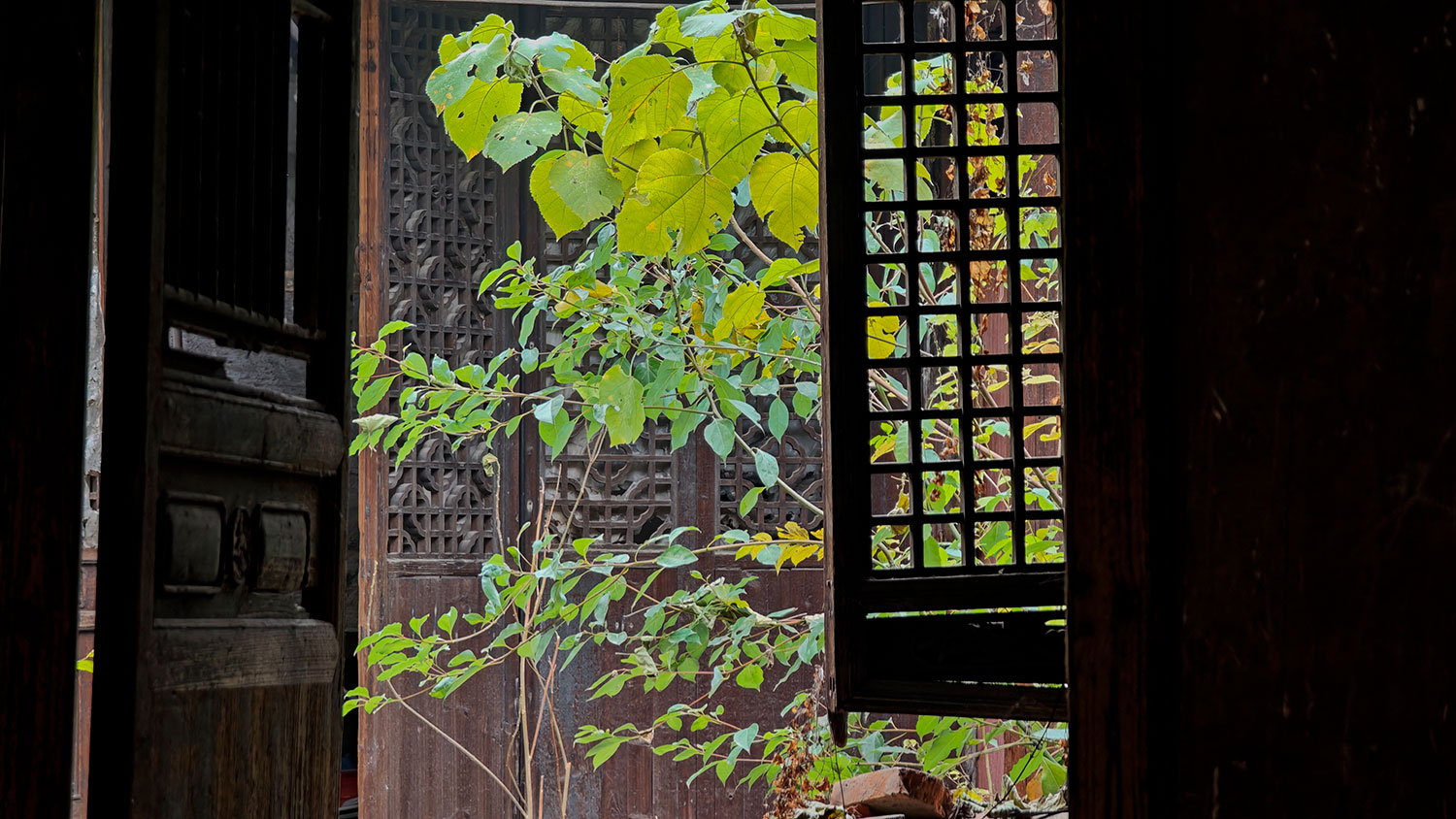
There are plenty of original buildings left in Luzhi, but it still feels like a commercial area, just like Xinchang, Gaoqiao, Tongli, Lili, Fengjing, or Qingxi. Villages like Luodian, Zhuqiao, Zhelin, or Lishu are more real; made for residents, not shops — but they’re not renovated and so often have houses in ruins.
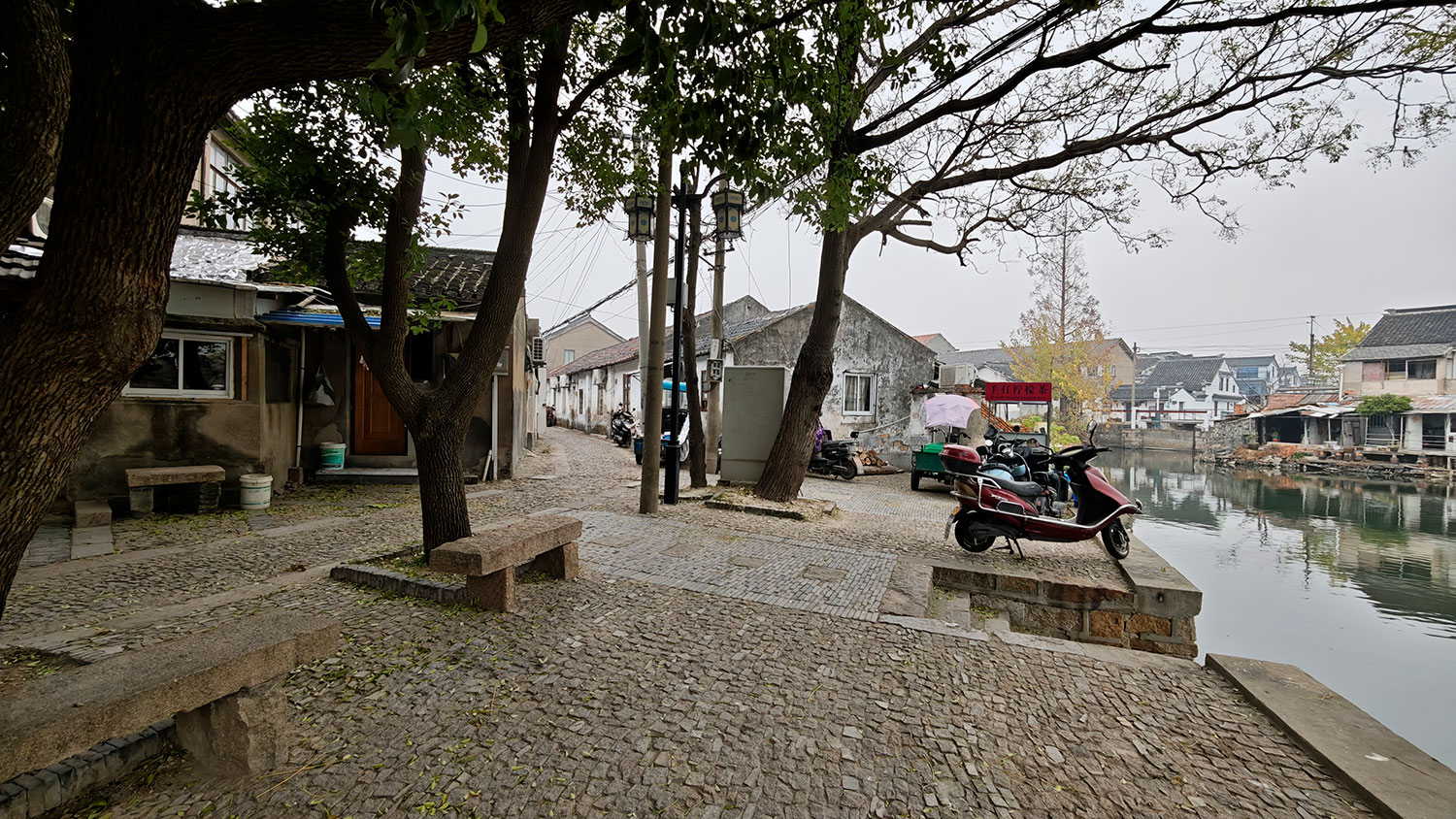
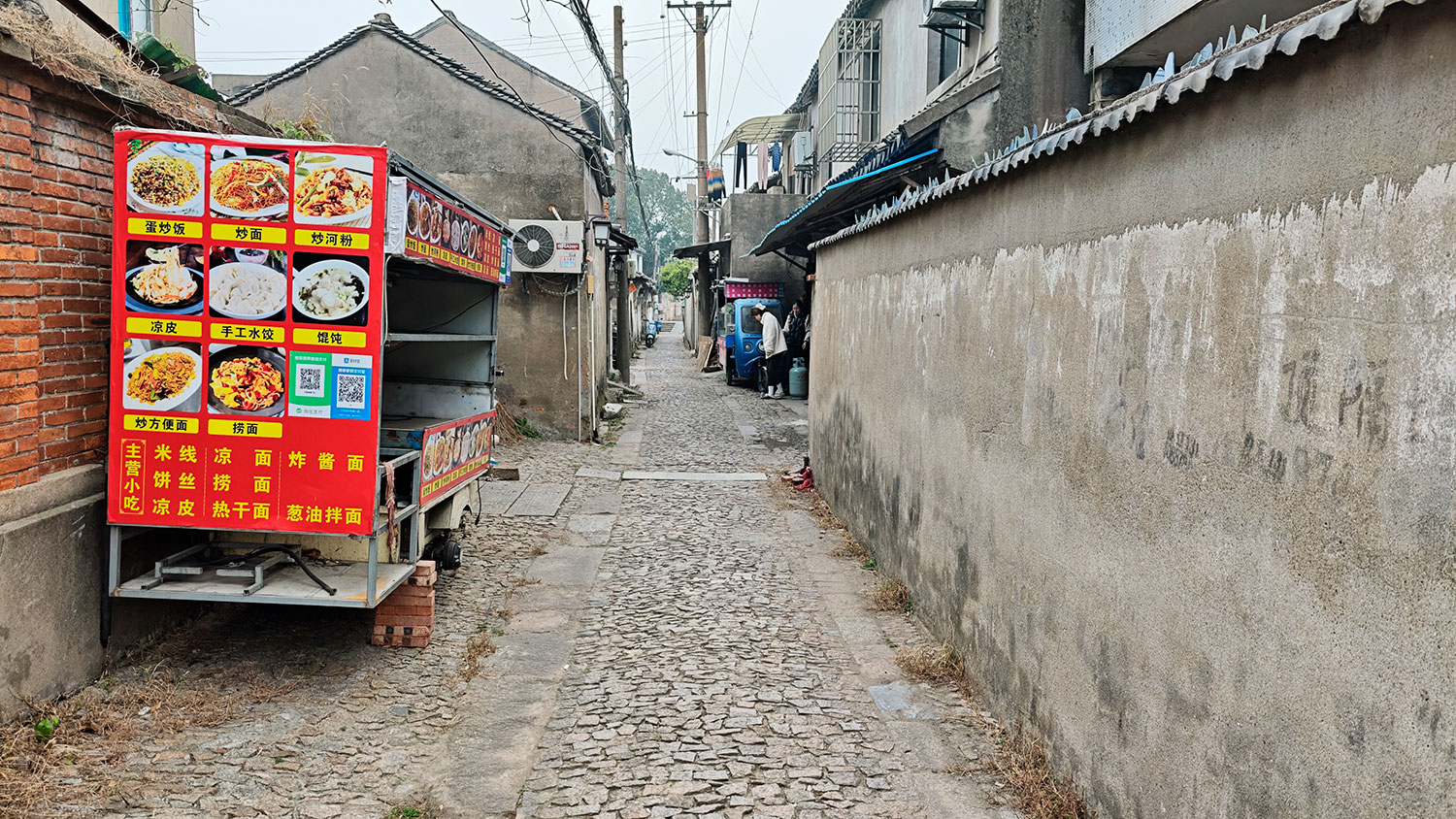
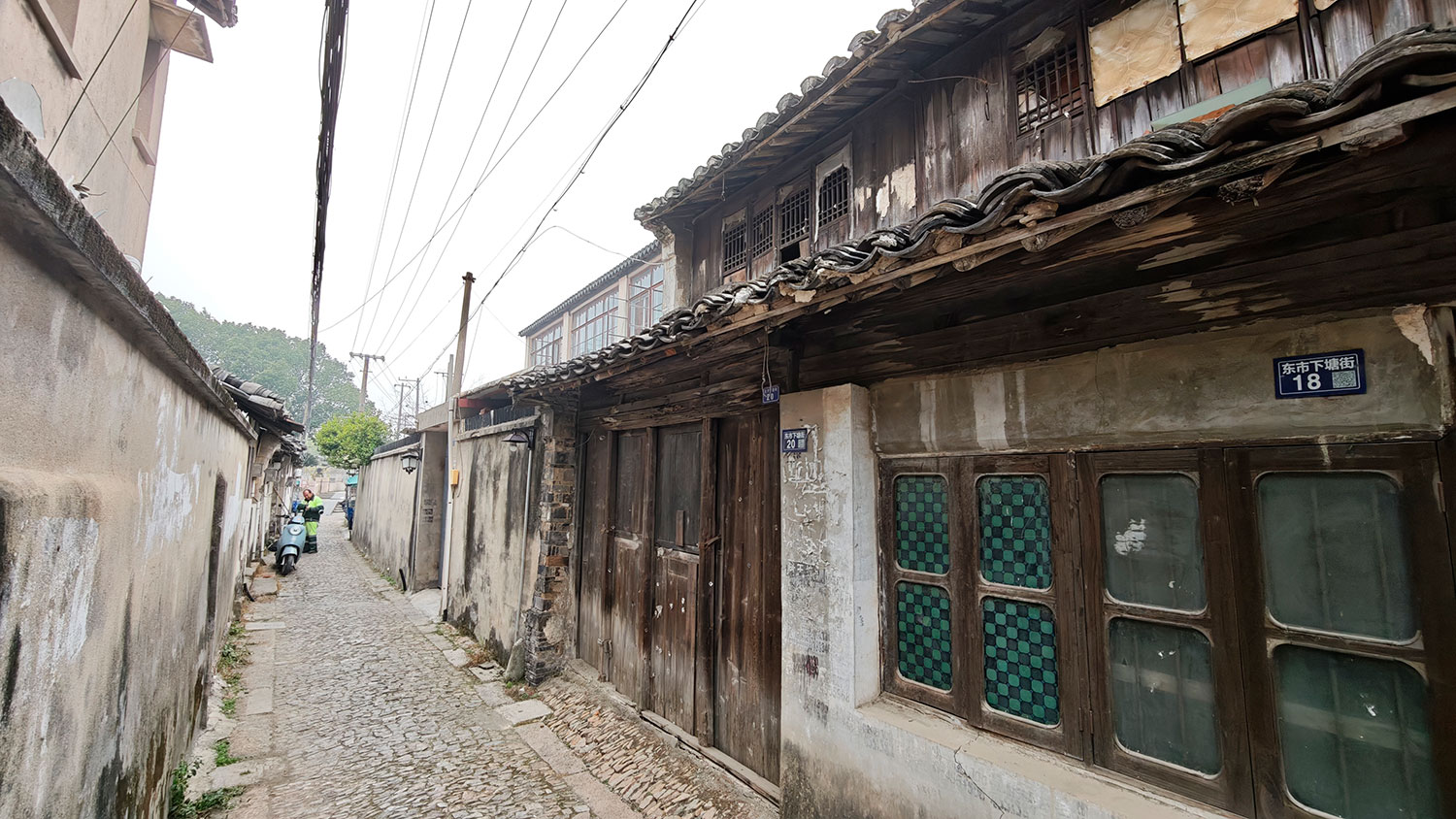
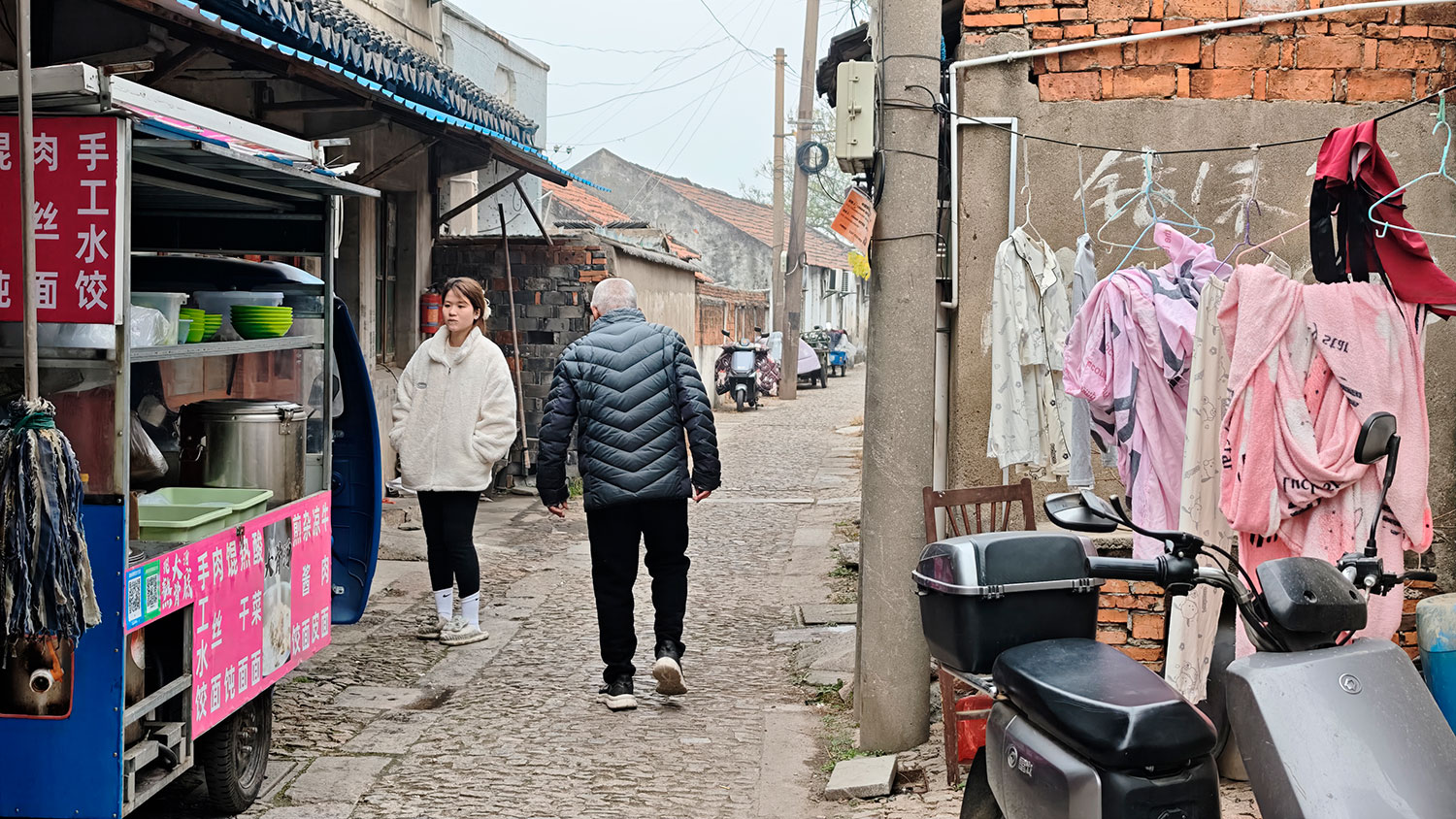
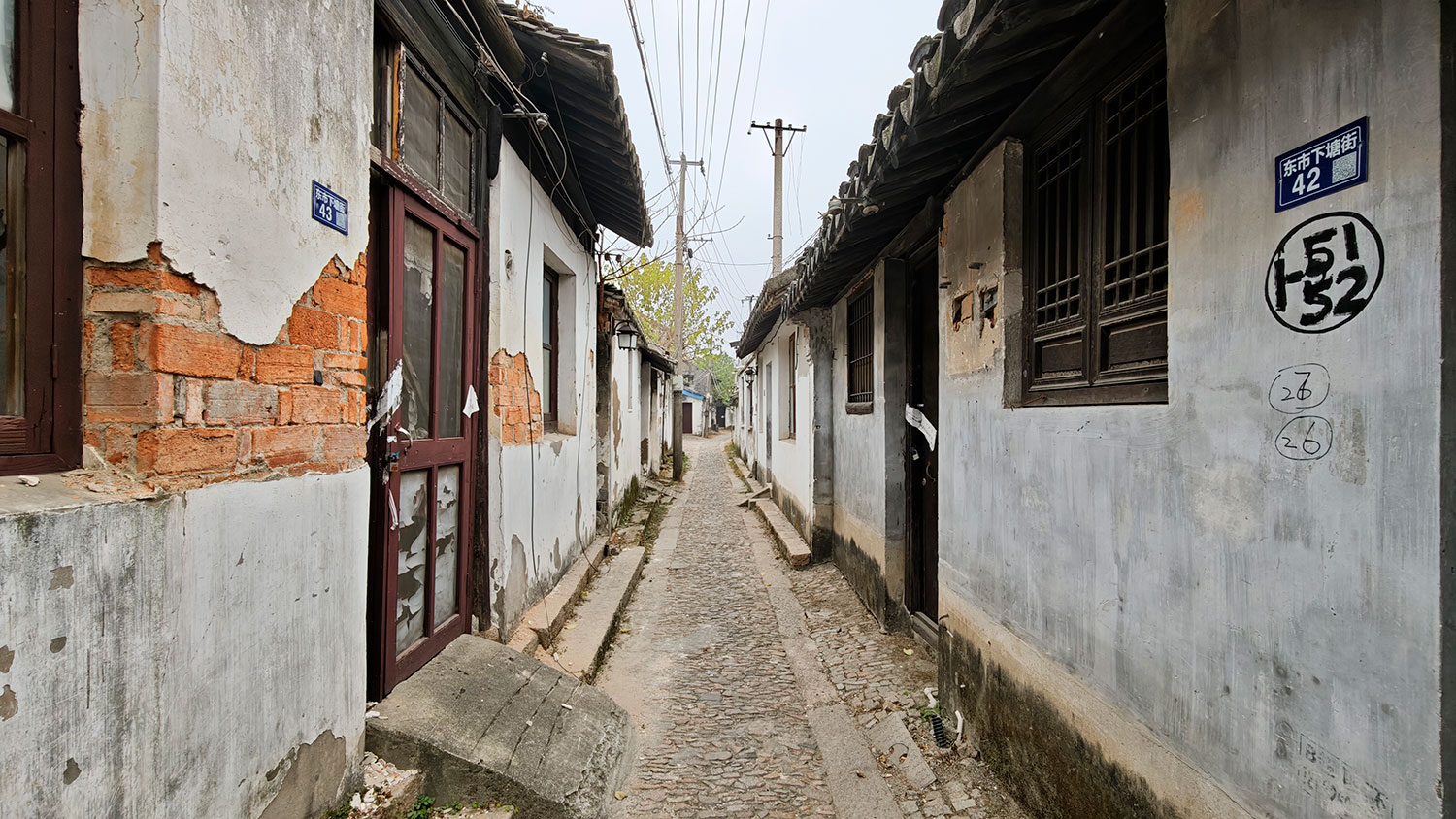
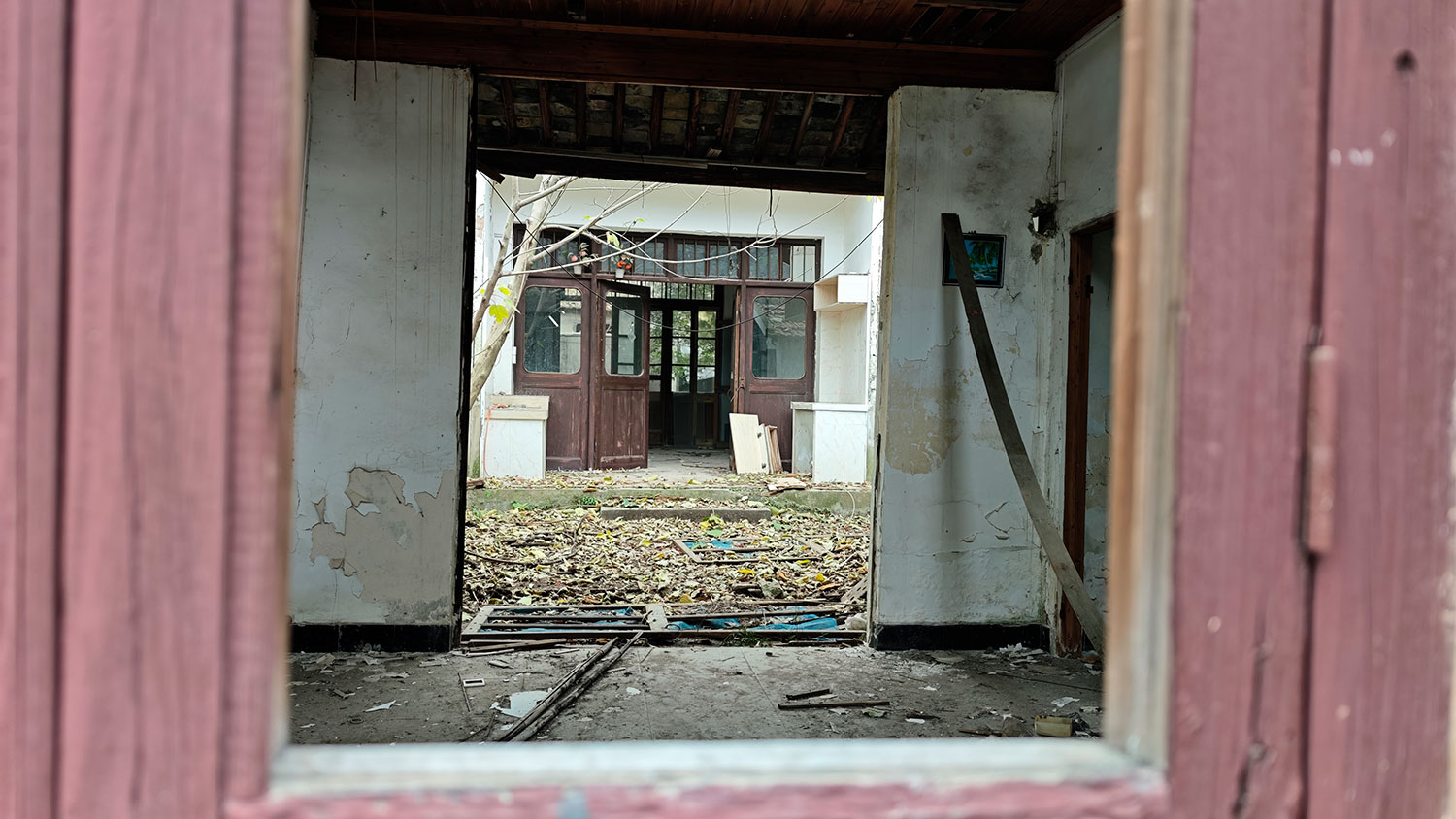
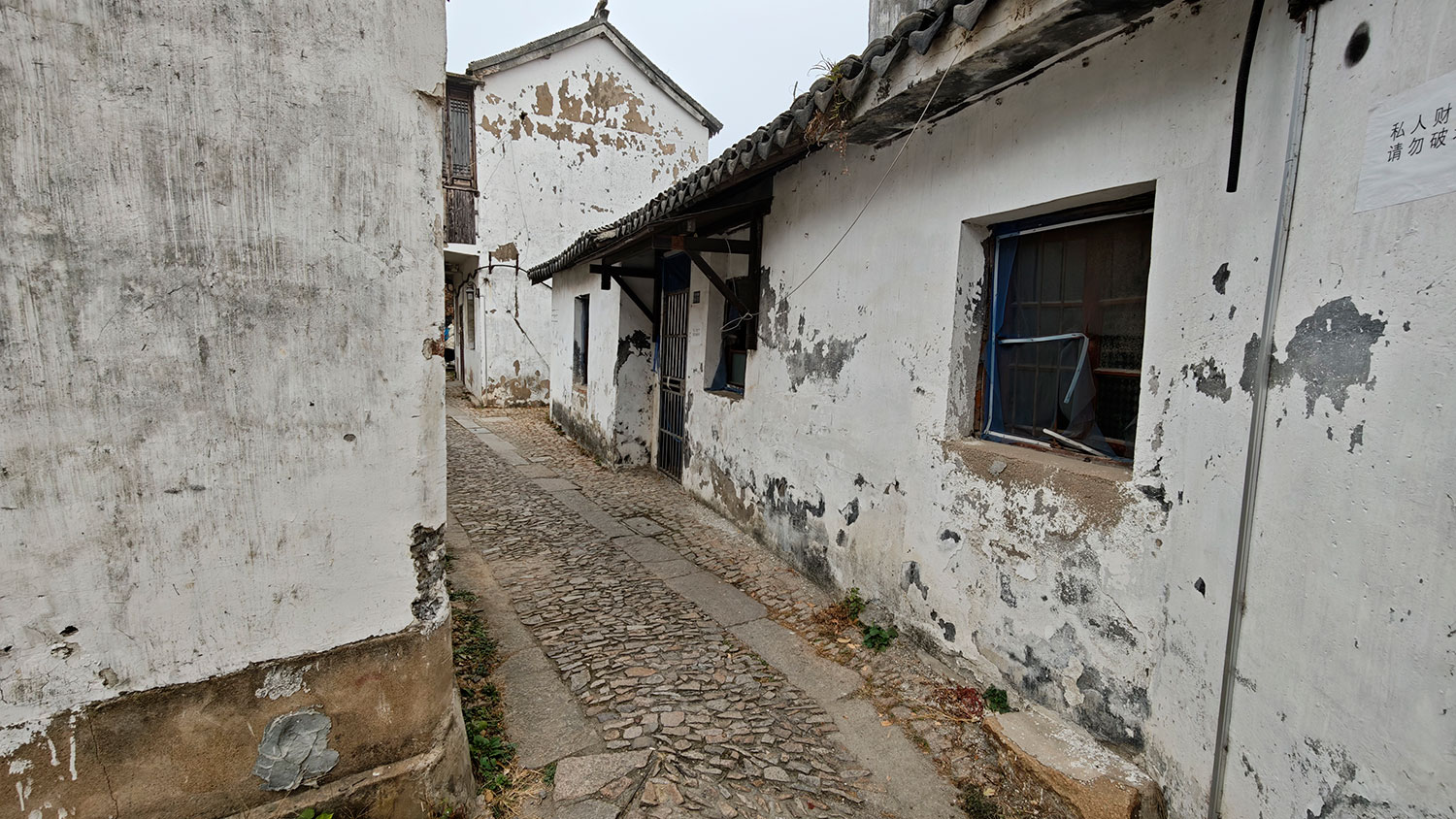
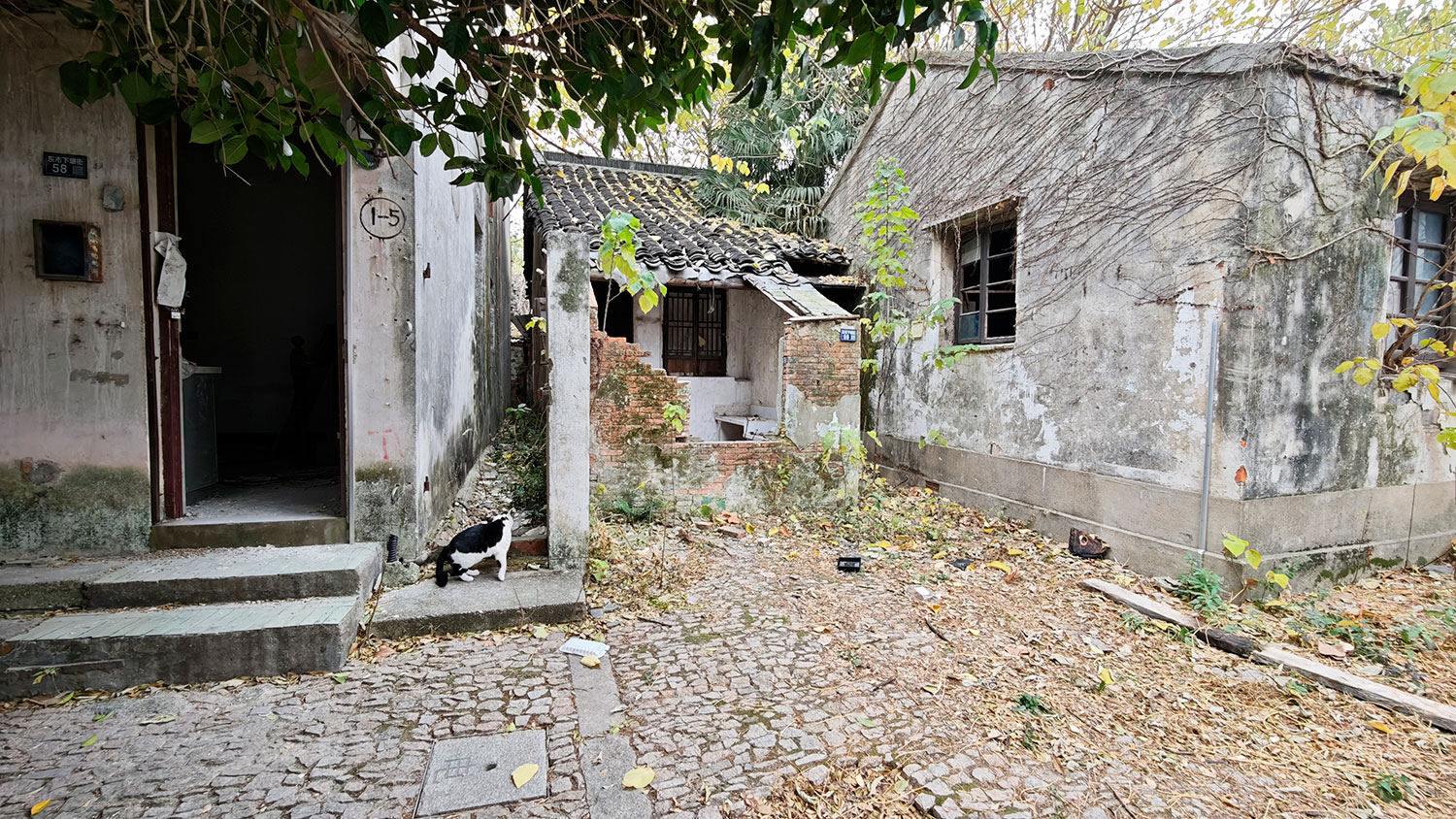
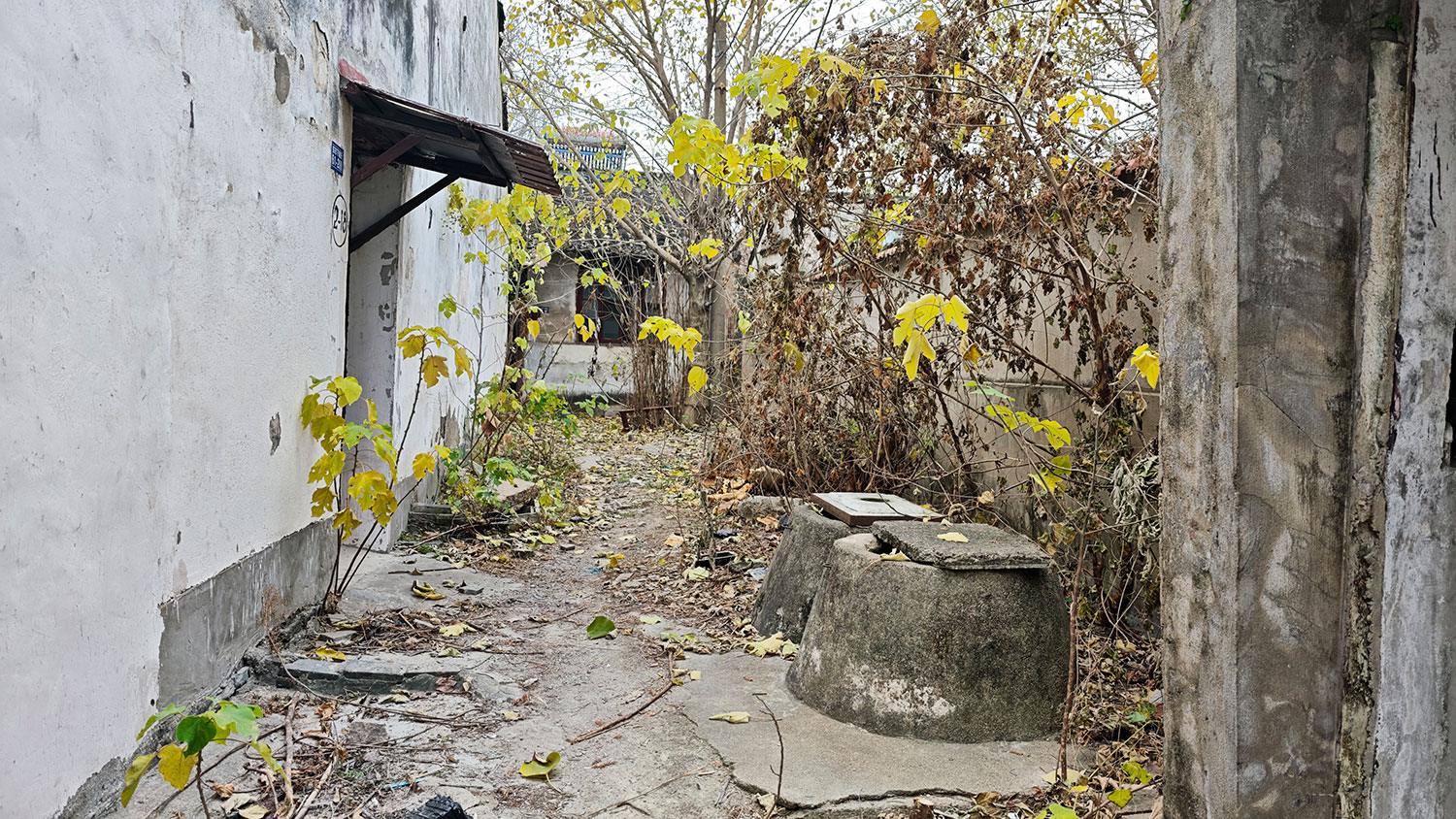
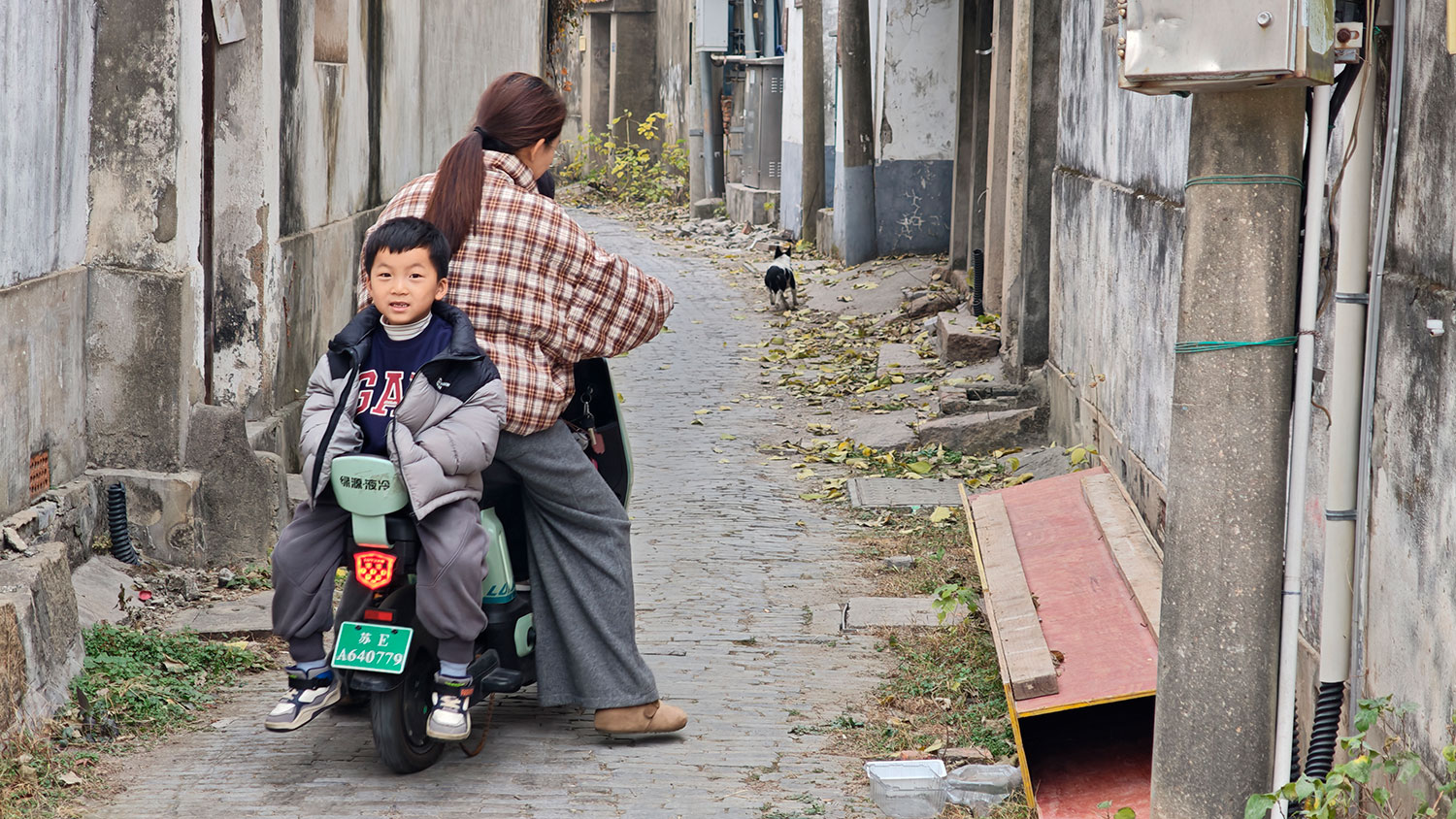
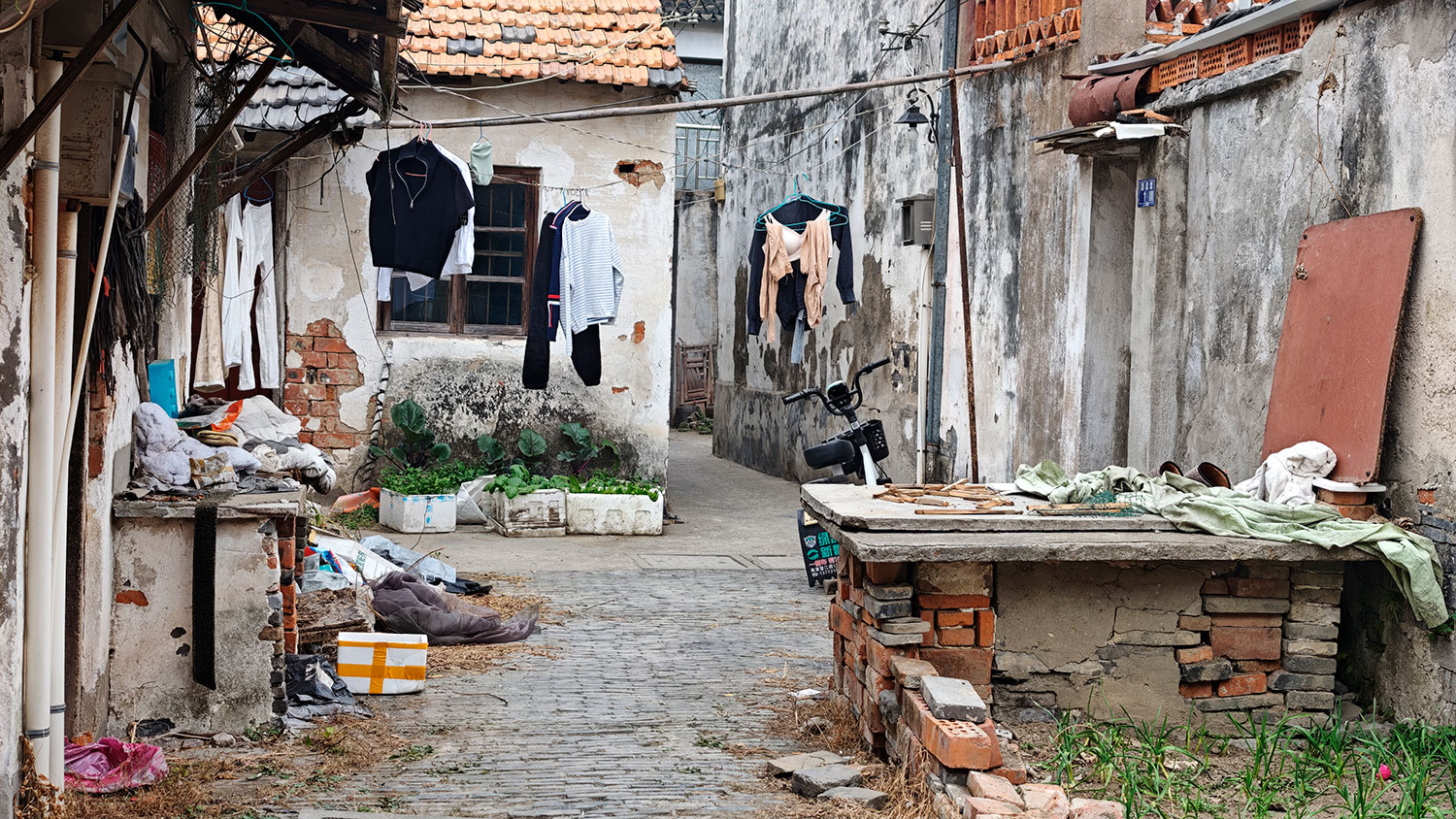
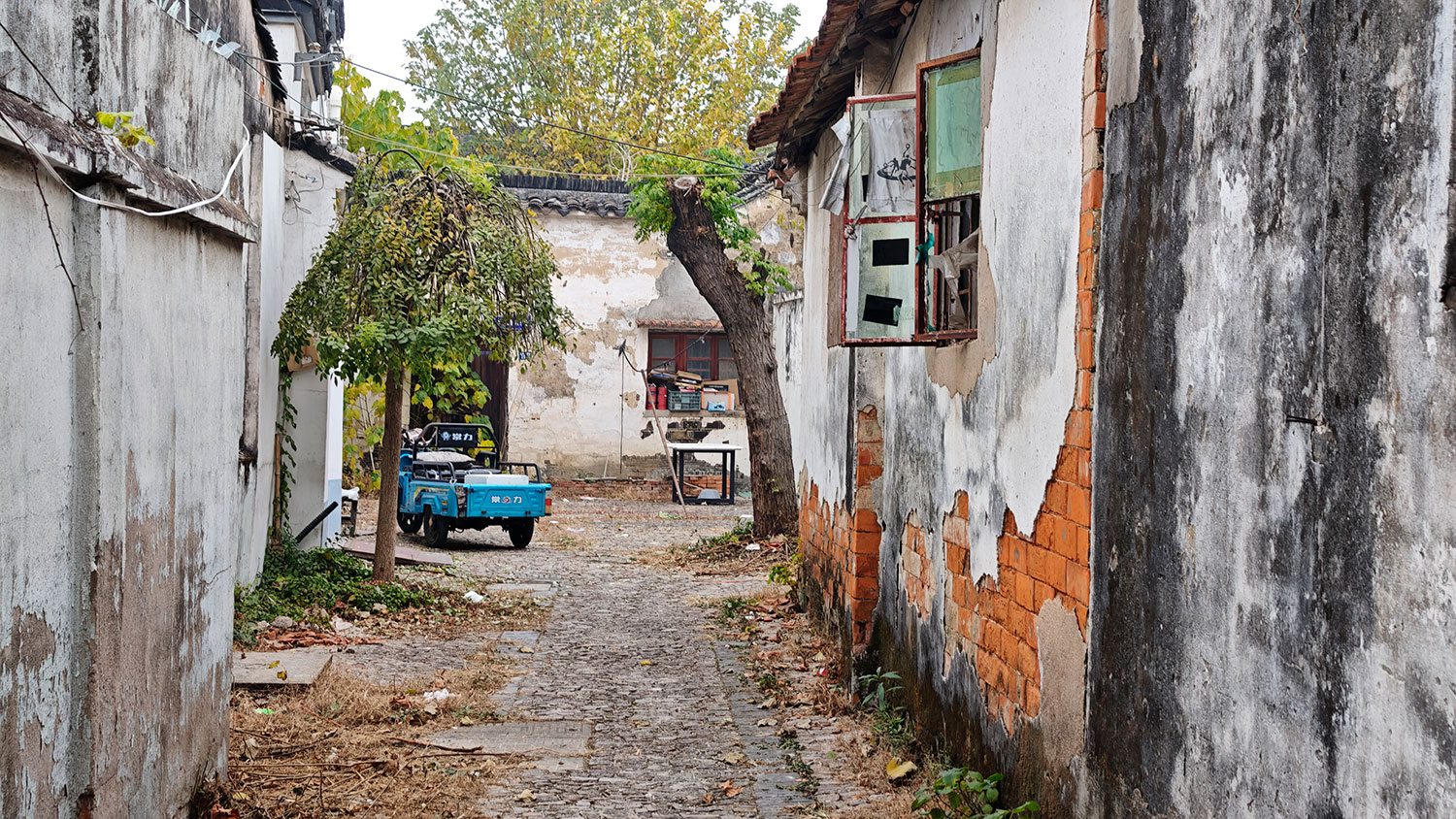
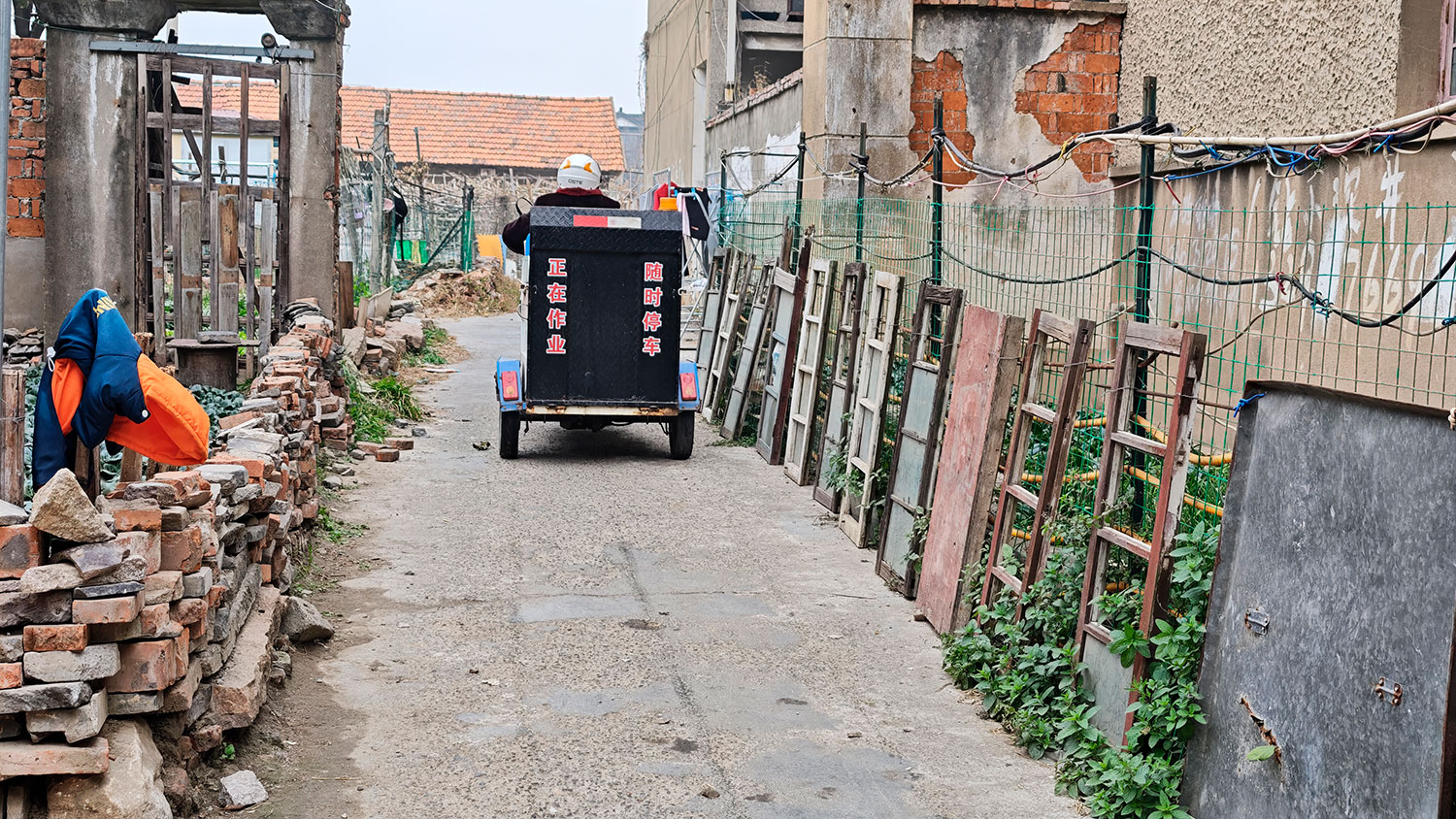
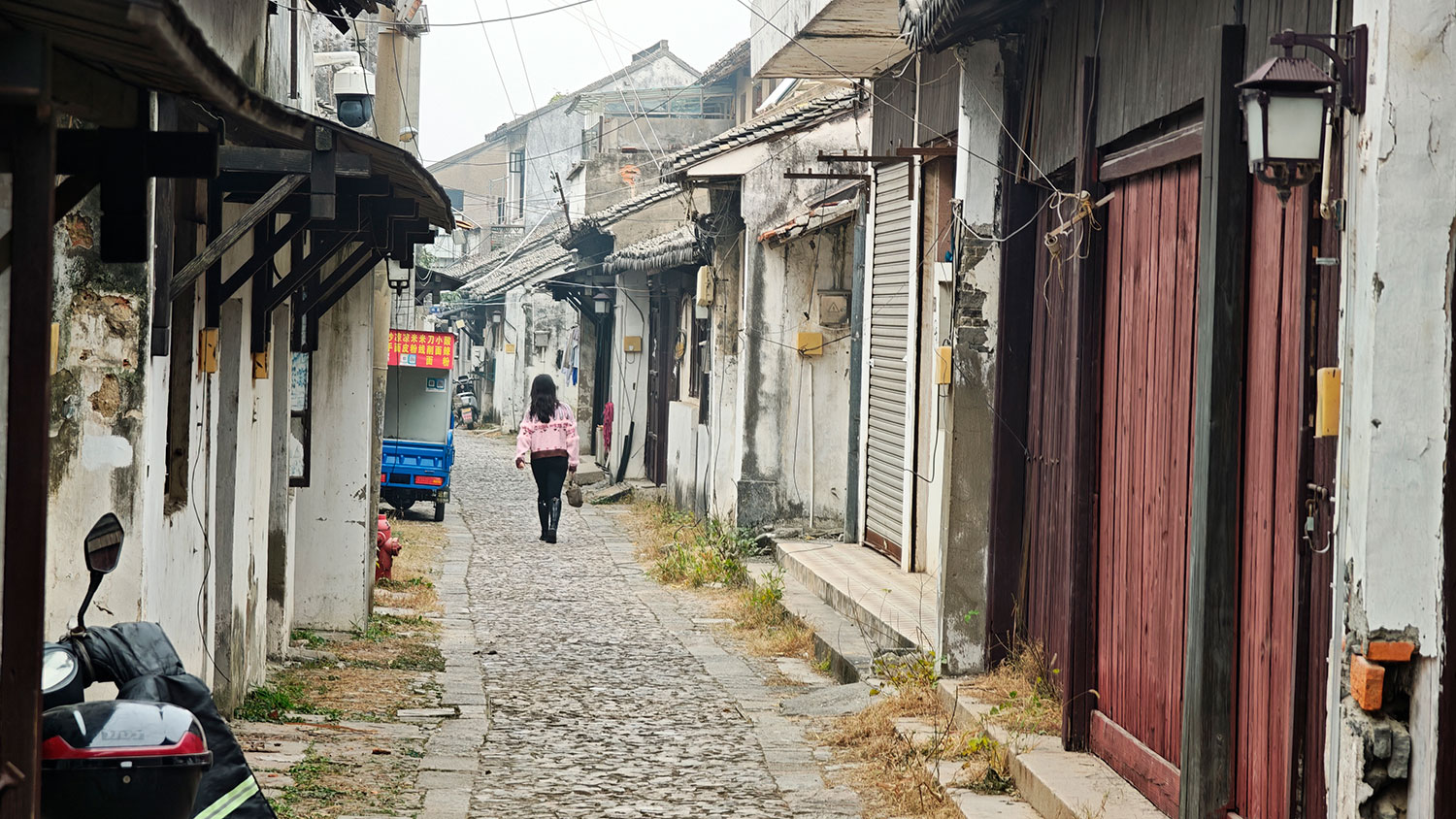
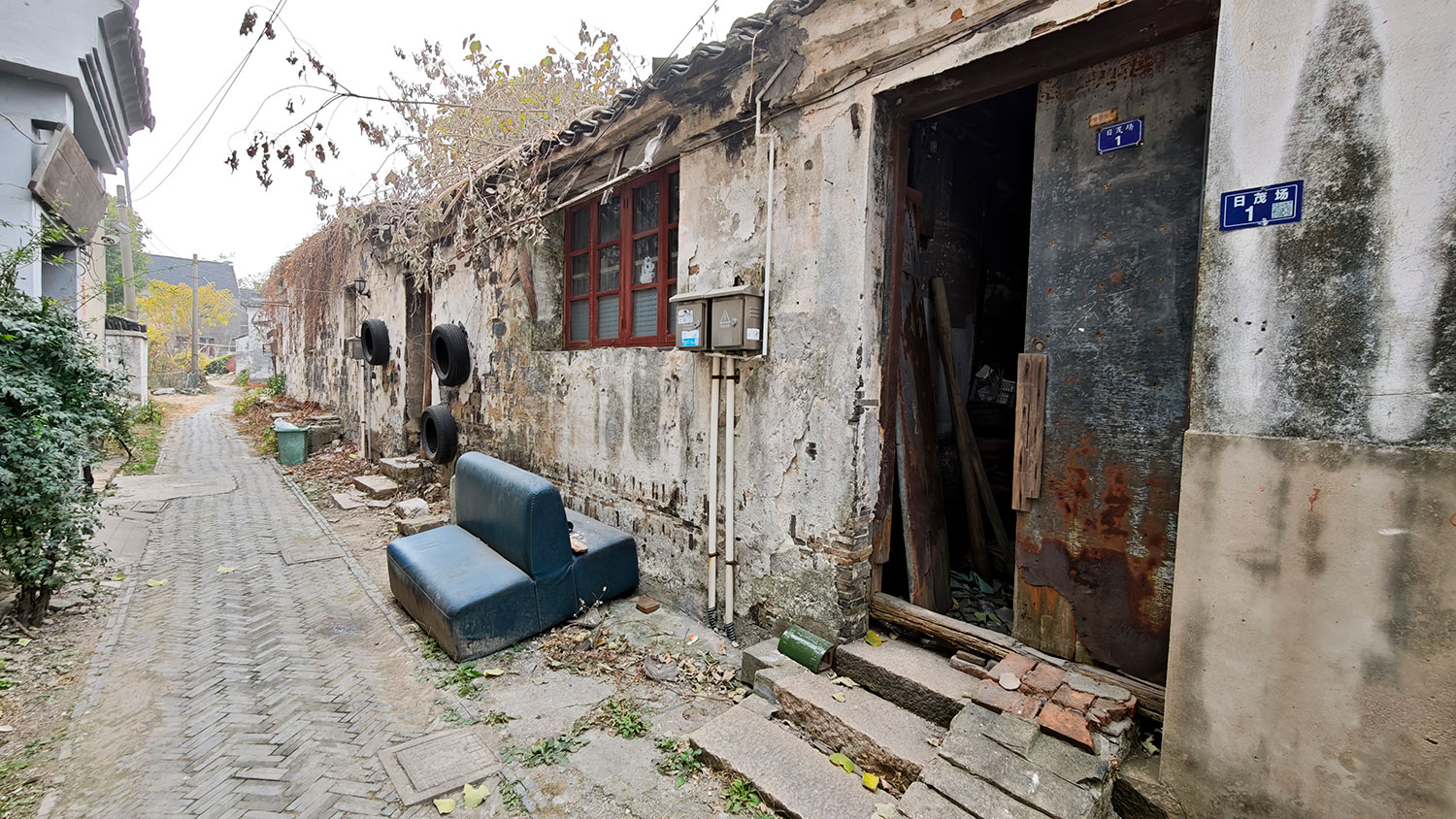
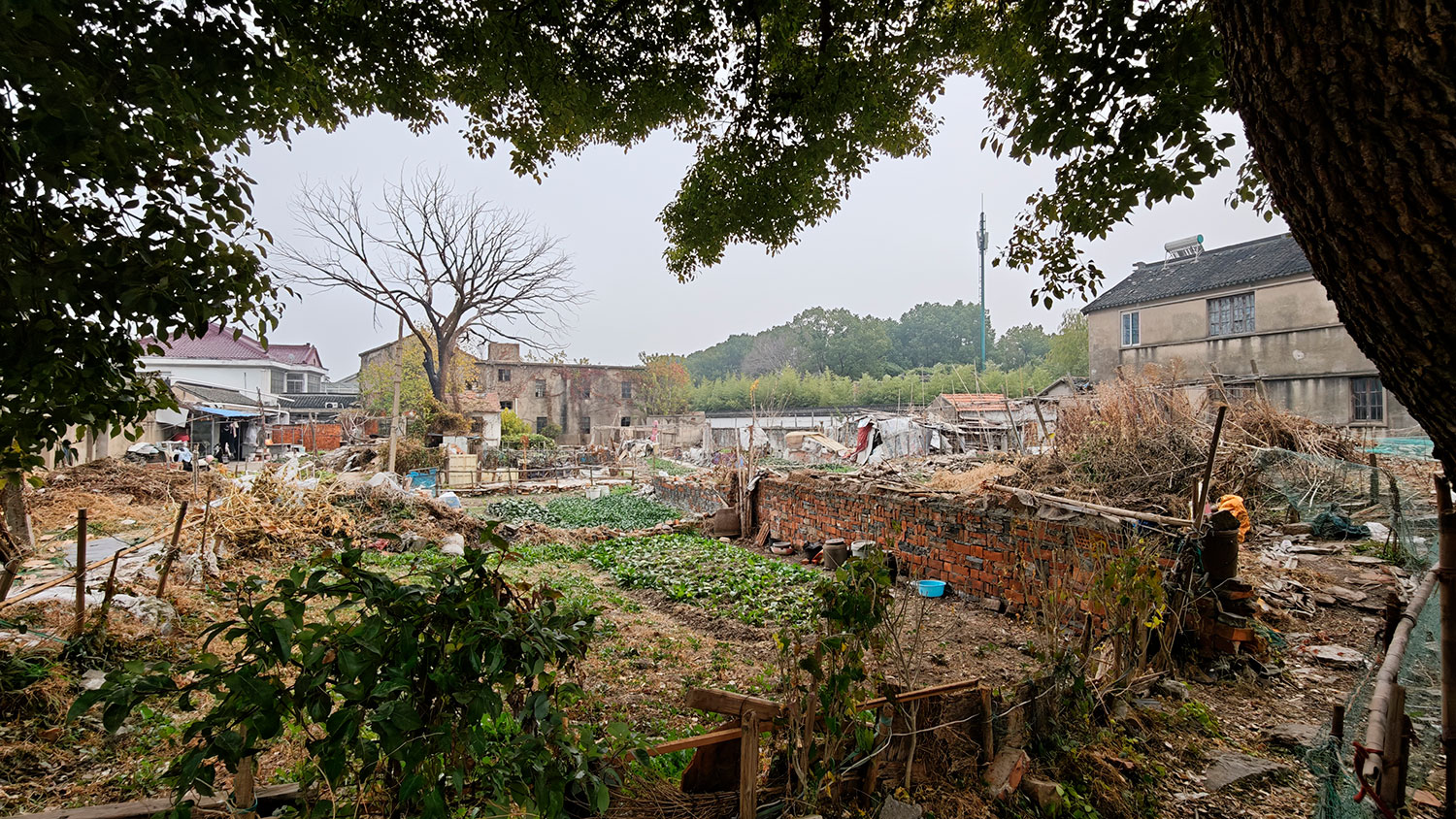
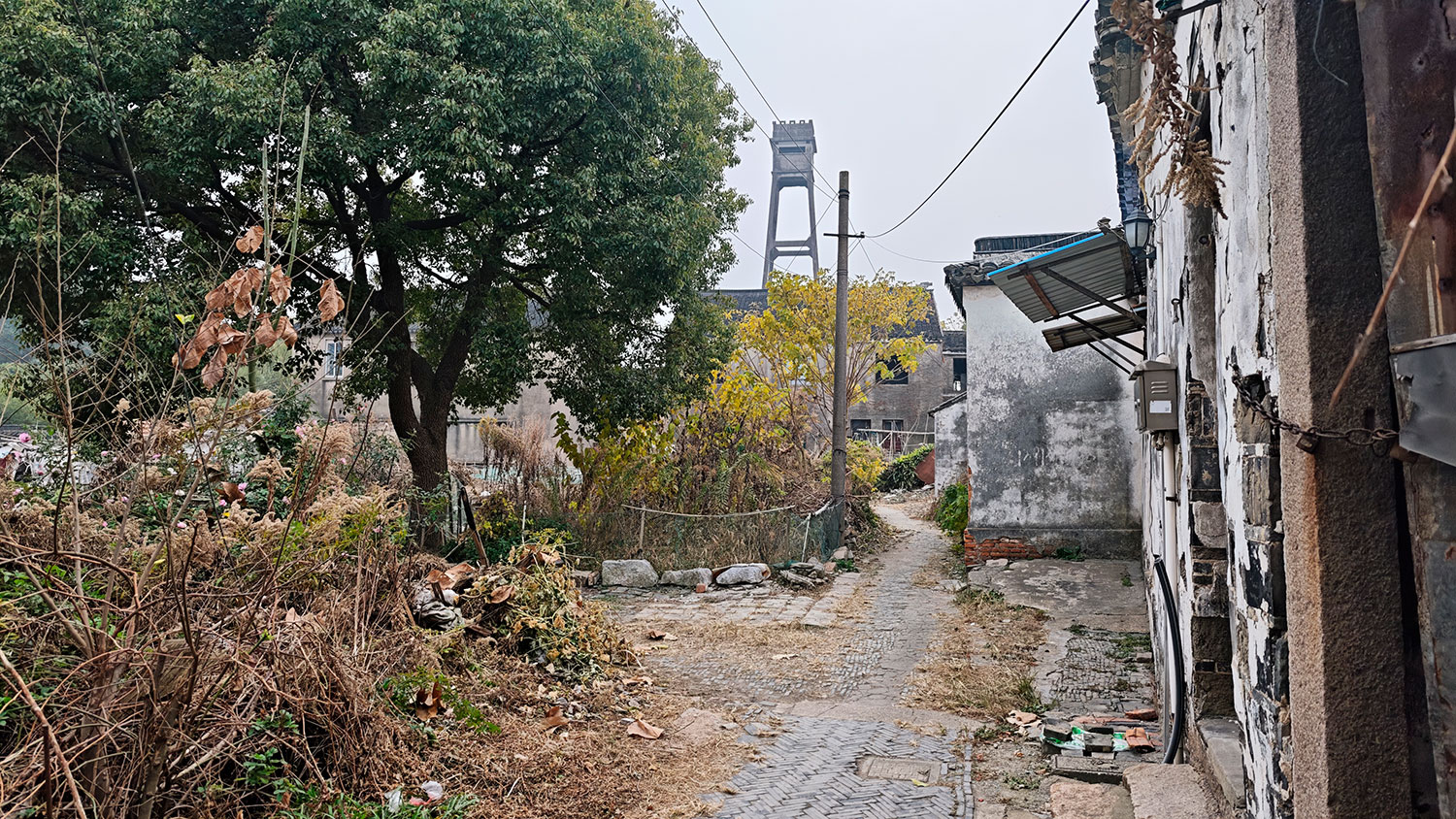
There’s a glimpse of it here though, when I went into an alley. There’s a young lady taking videos (for her Xiaohongshu?), and I overhear her tell her boyfriend on the phone about a foreigner wearing shorts in December (in my defence, it was 21°C at noon). The area here had garden plots, and while one row of houses was uninhabitable, the rest still had residents.
After Luzhi, I headed for Nangang Old Street, about two kilometers away.
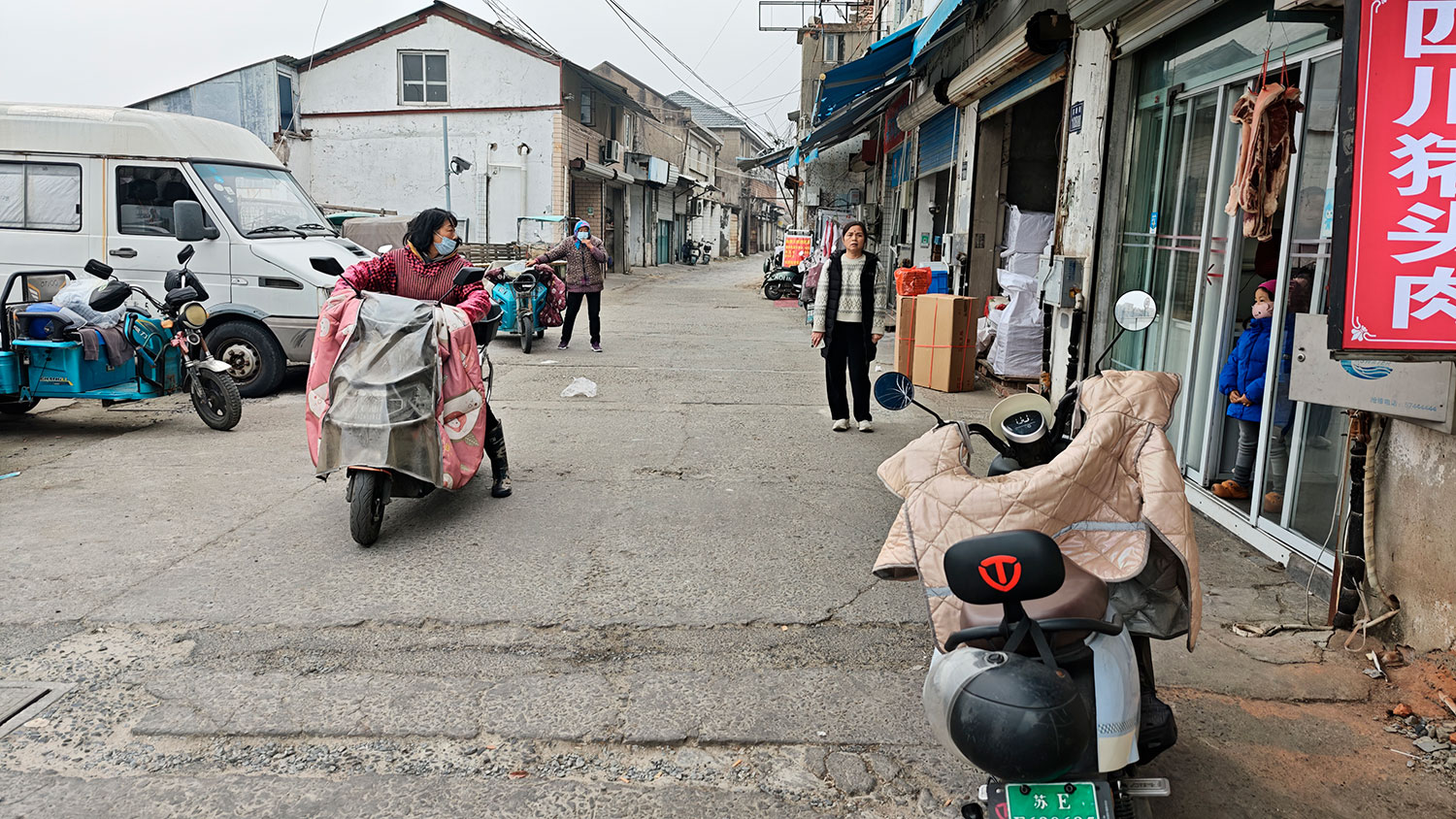
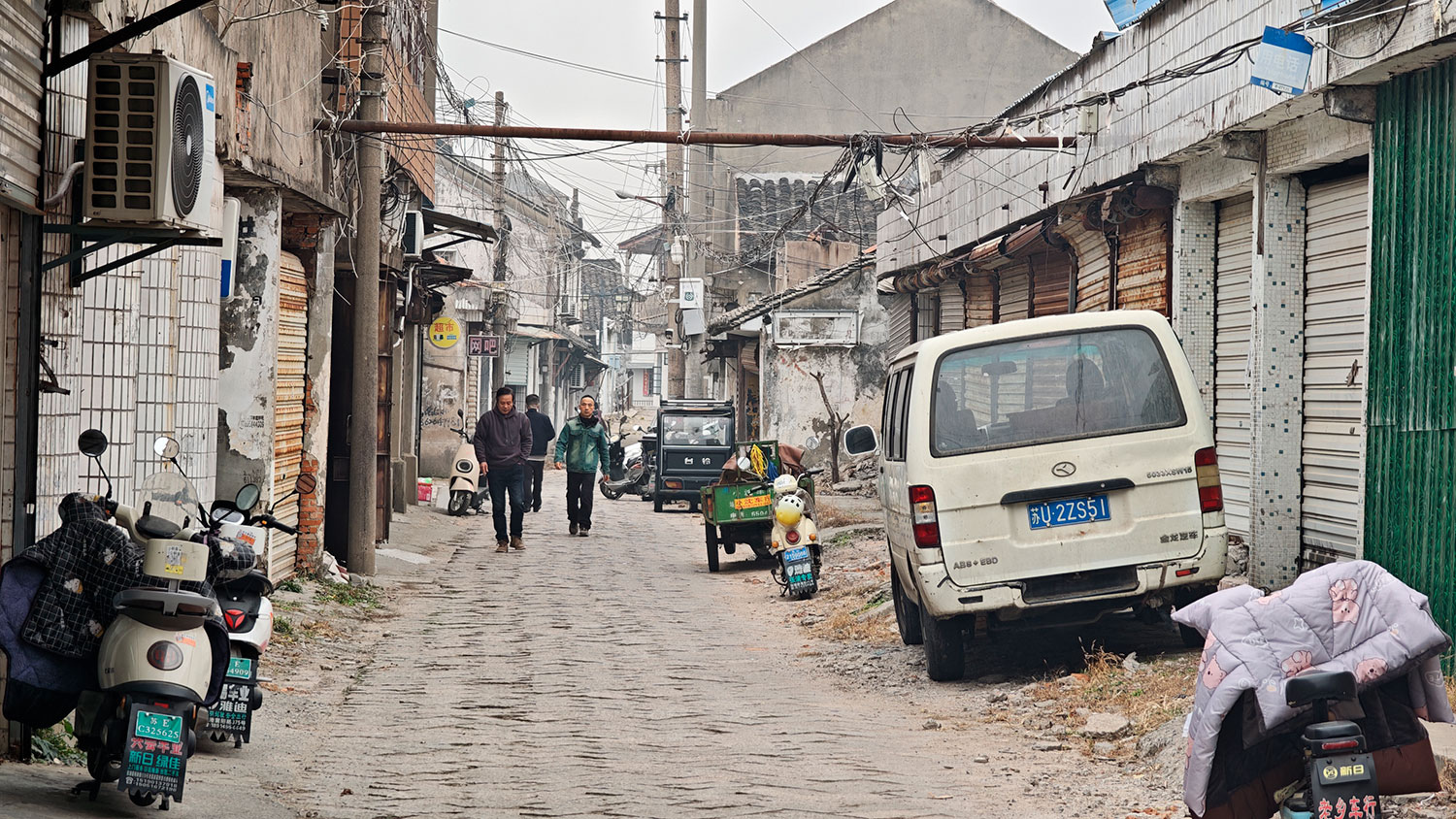
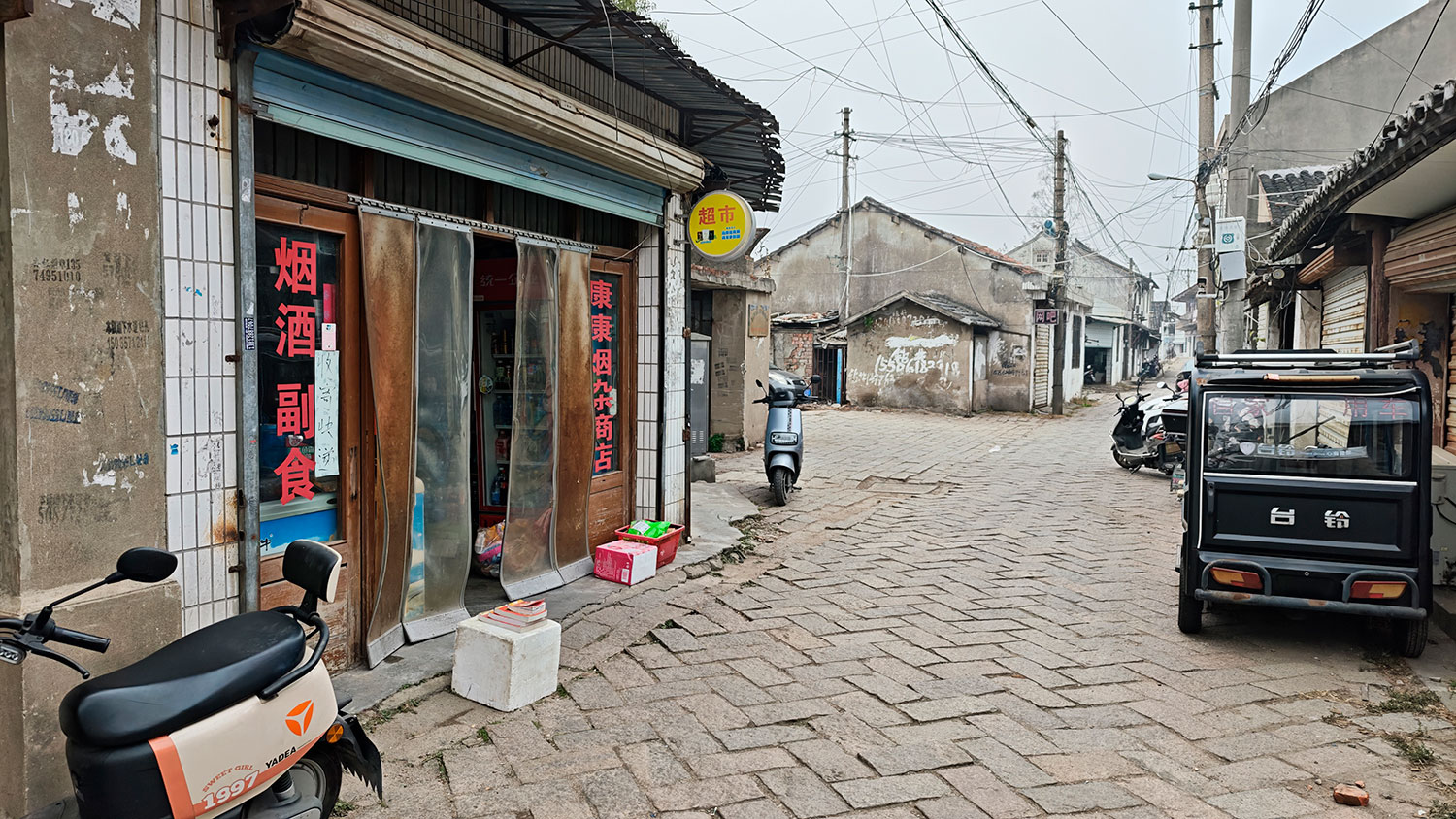
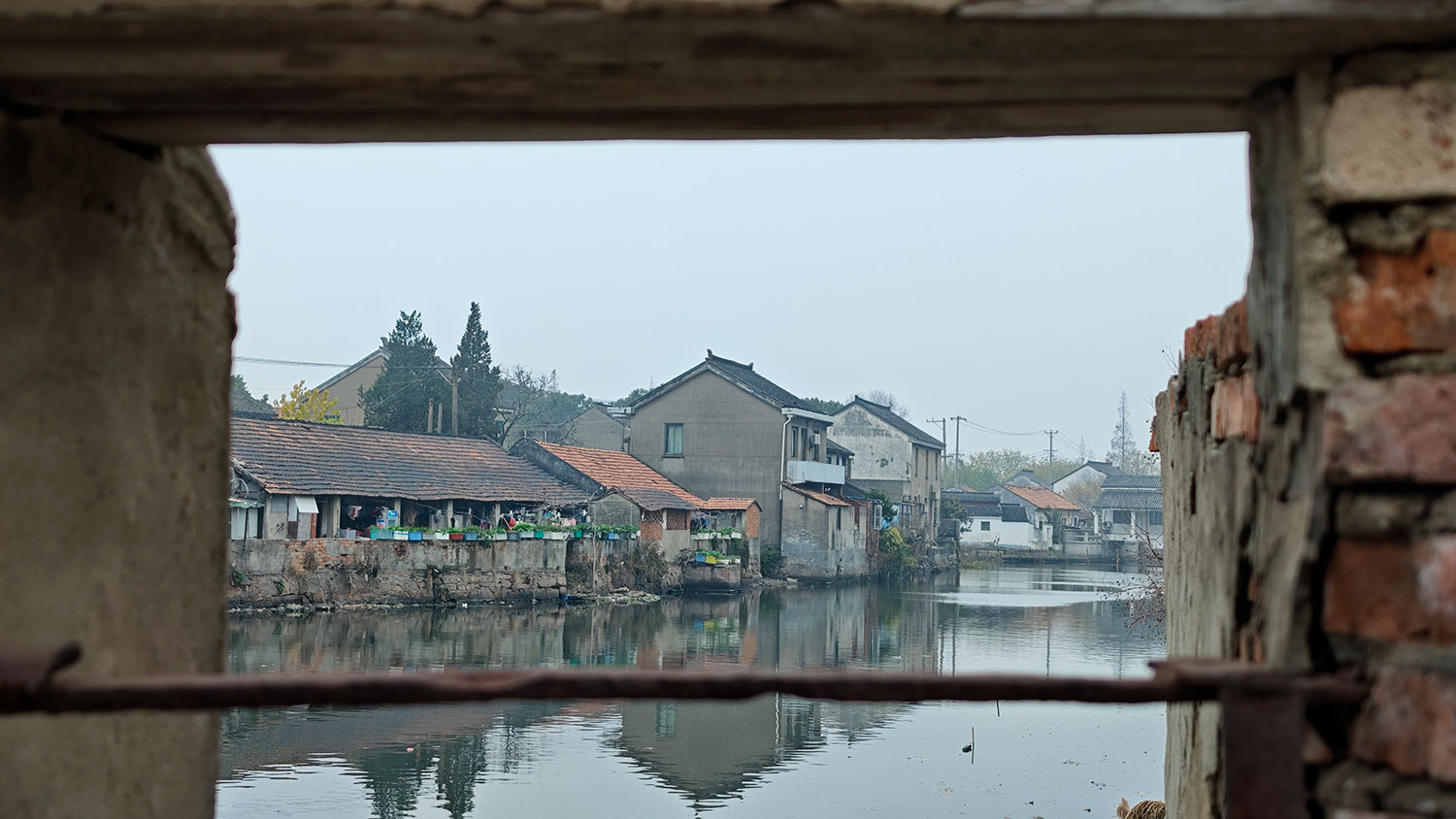
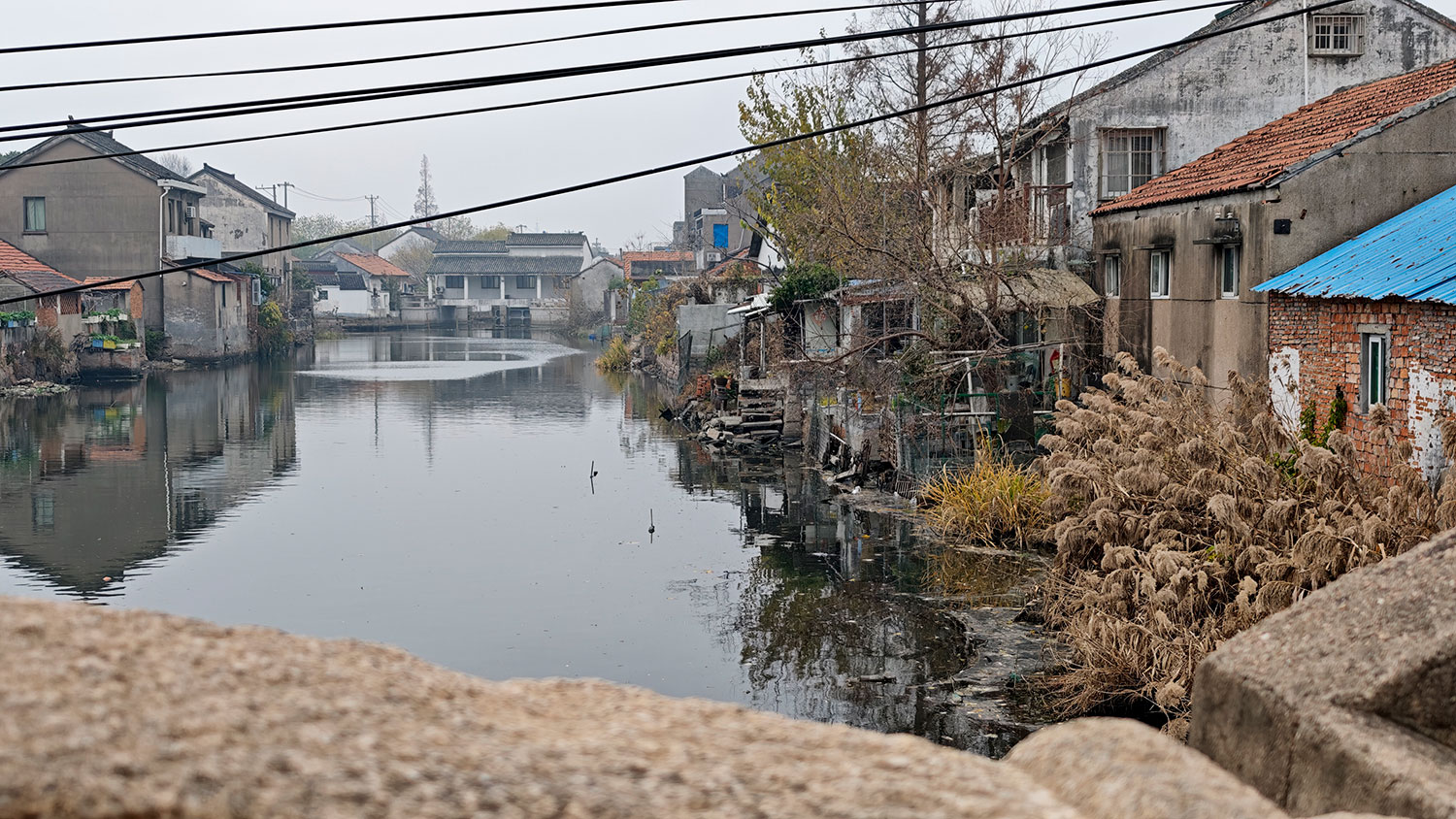
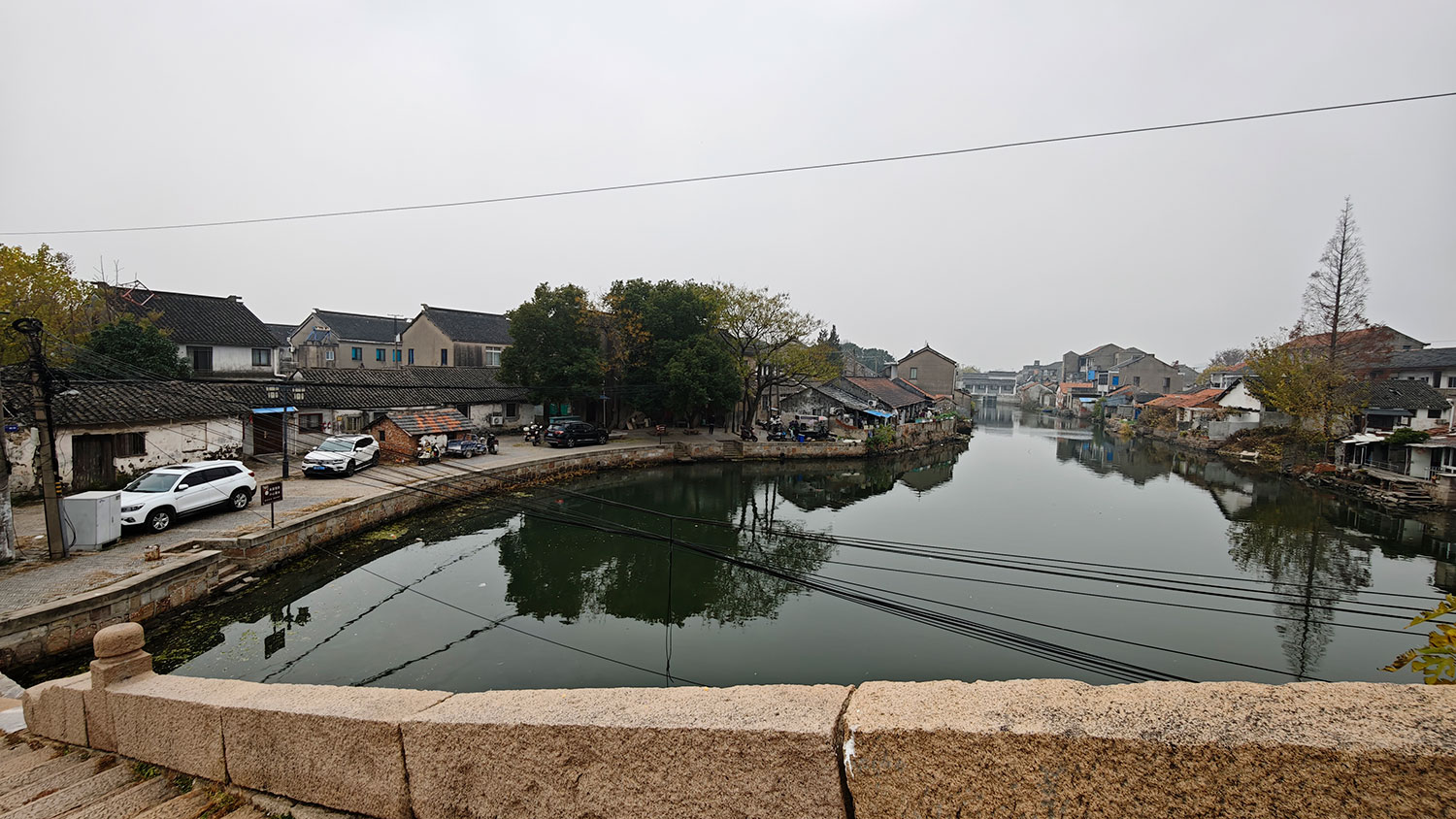
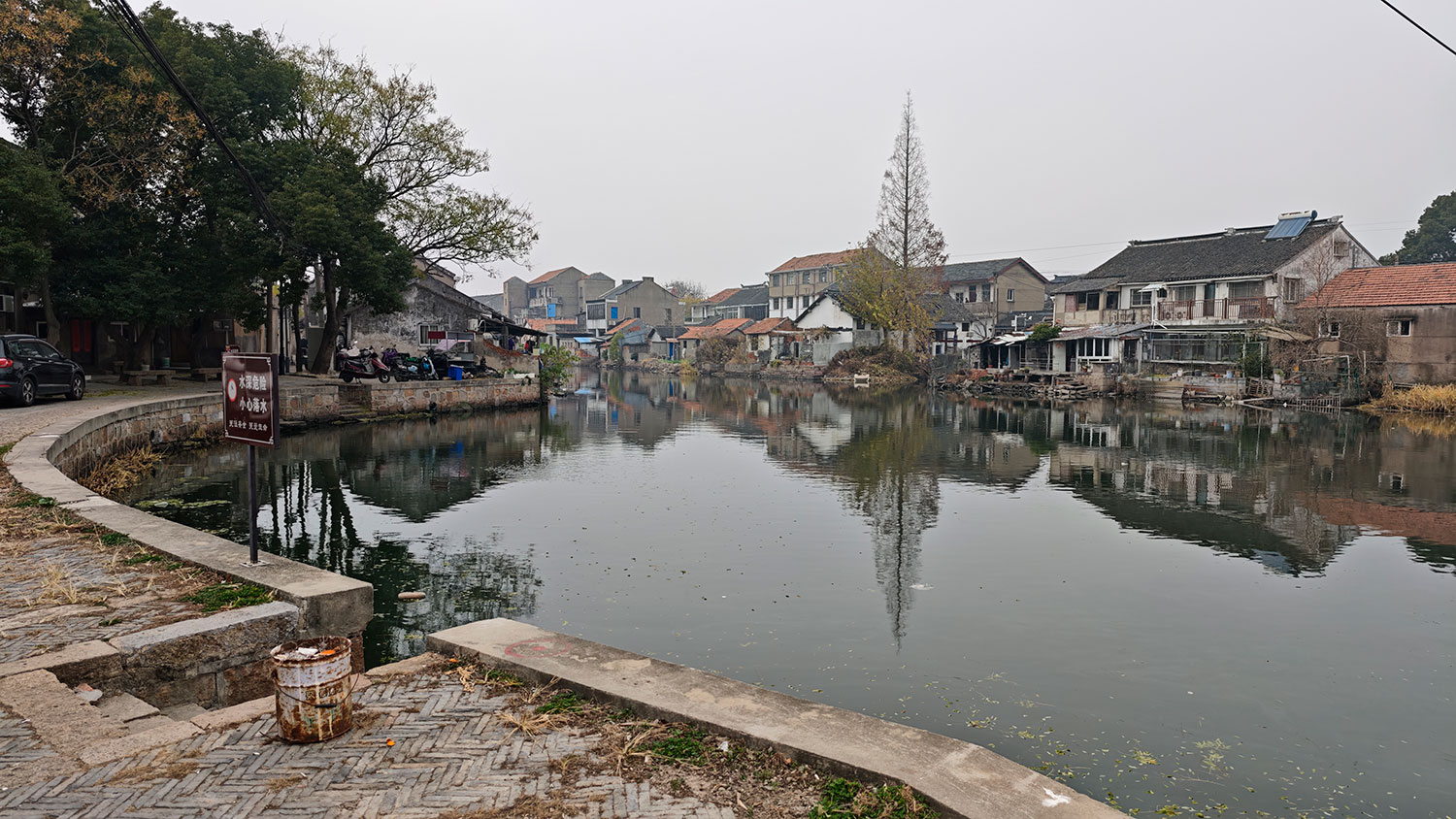
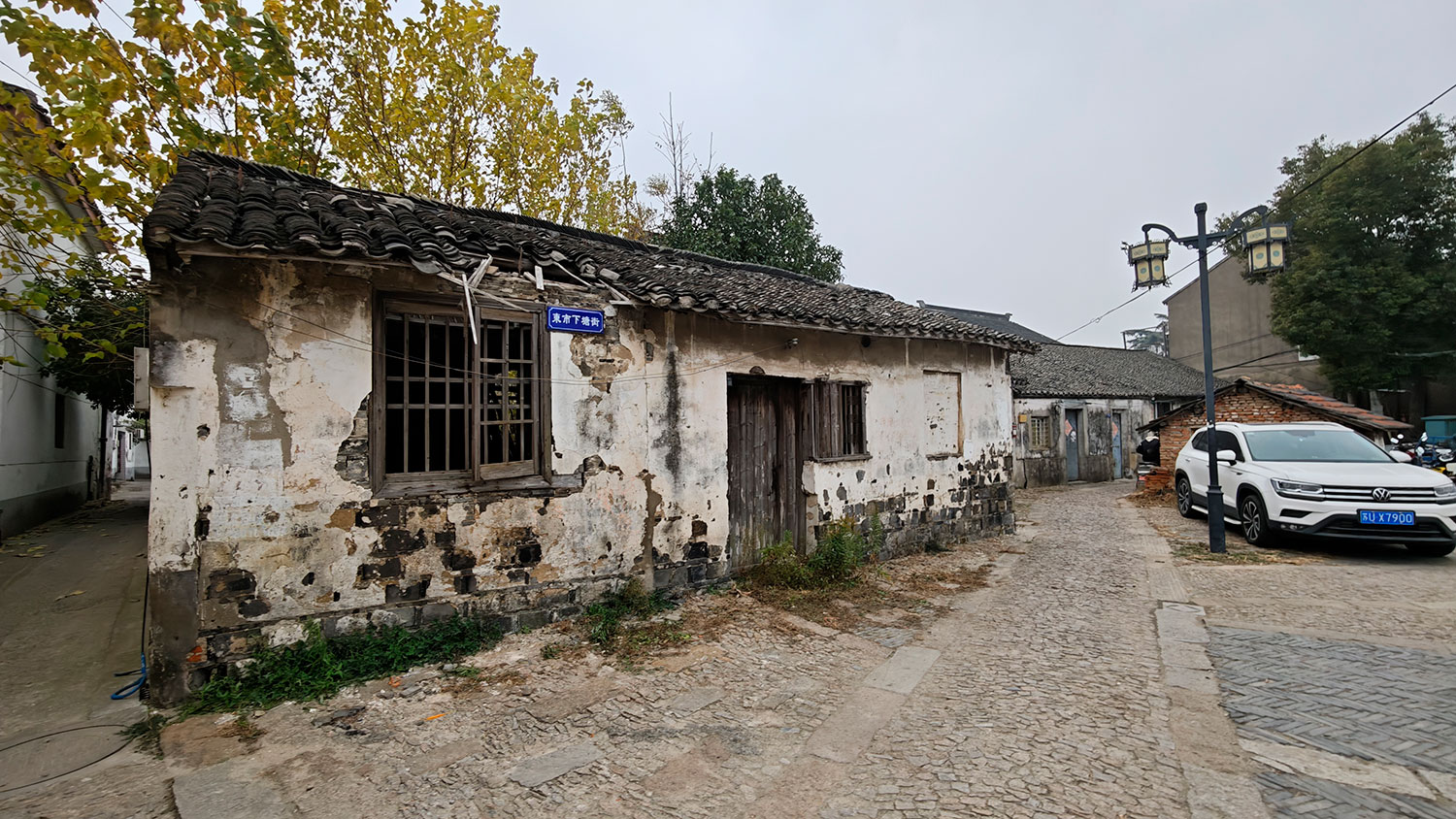
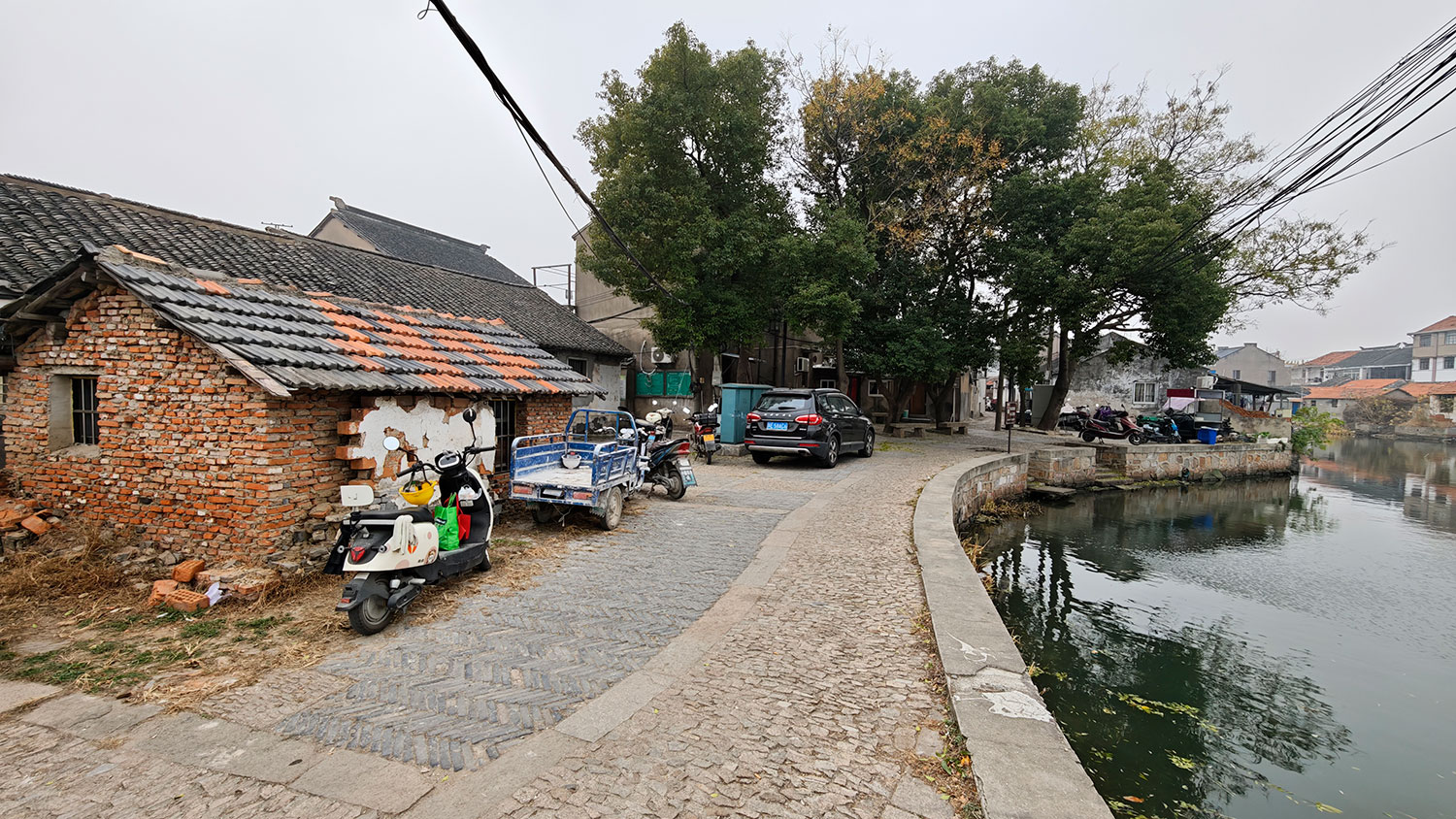
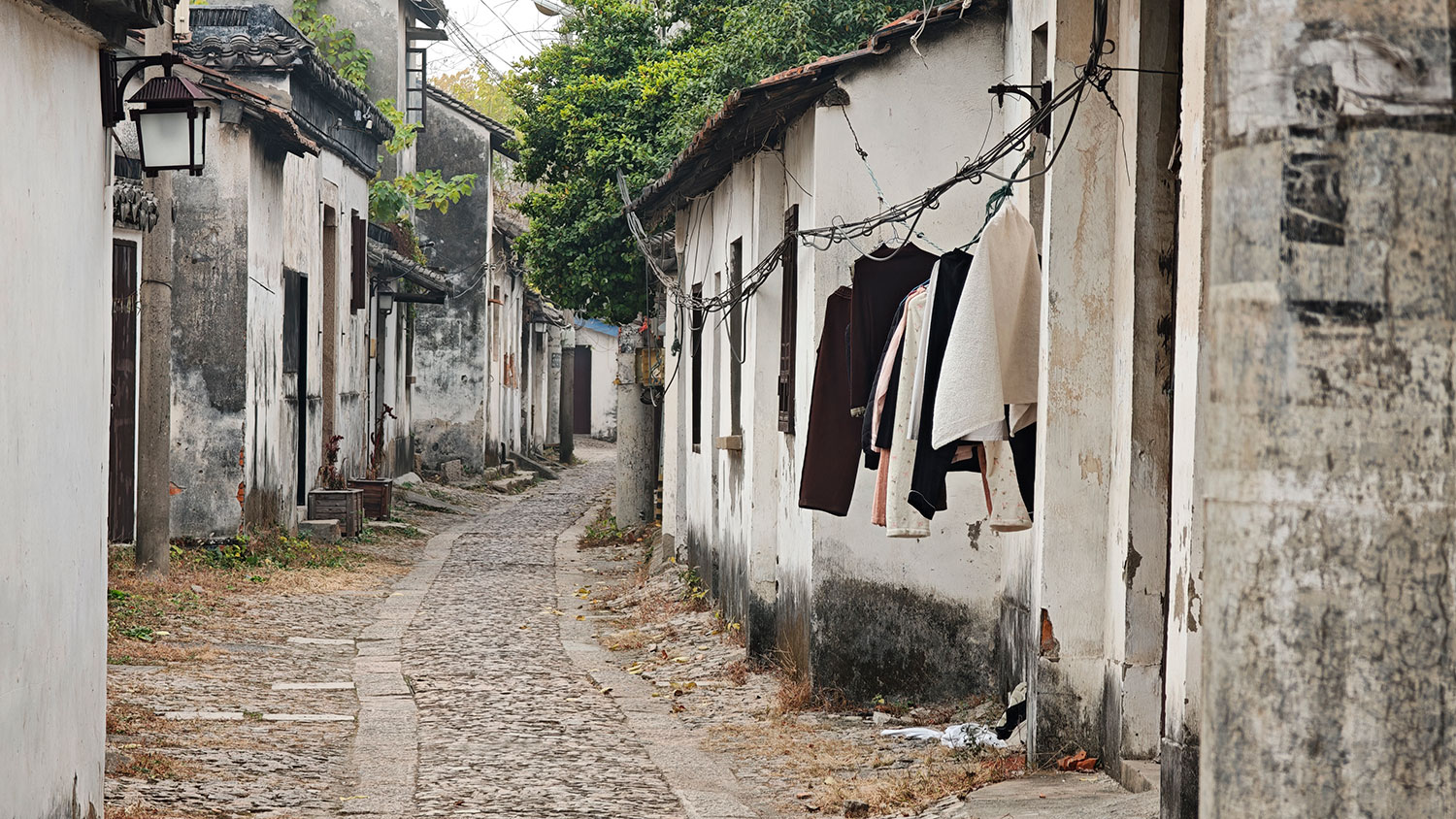
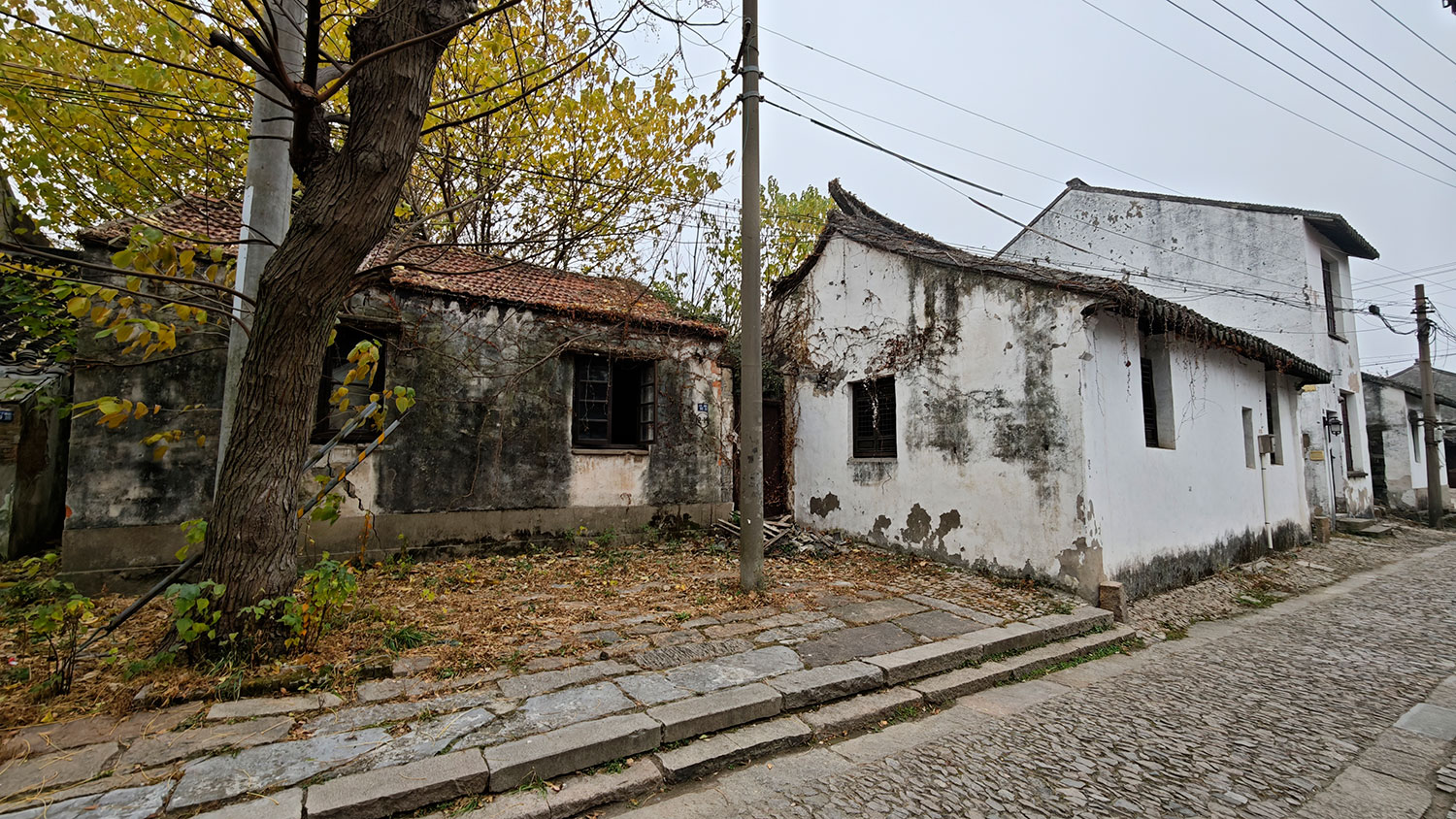
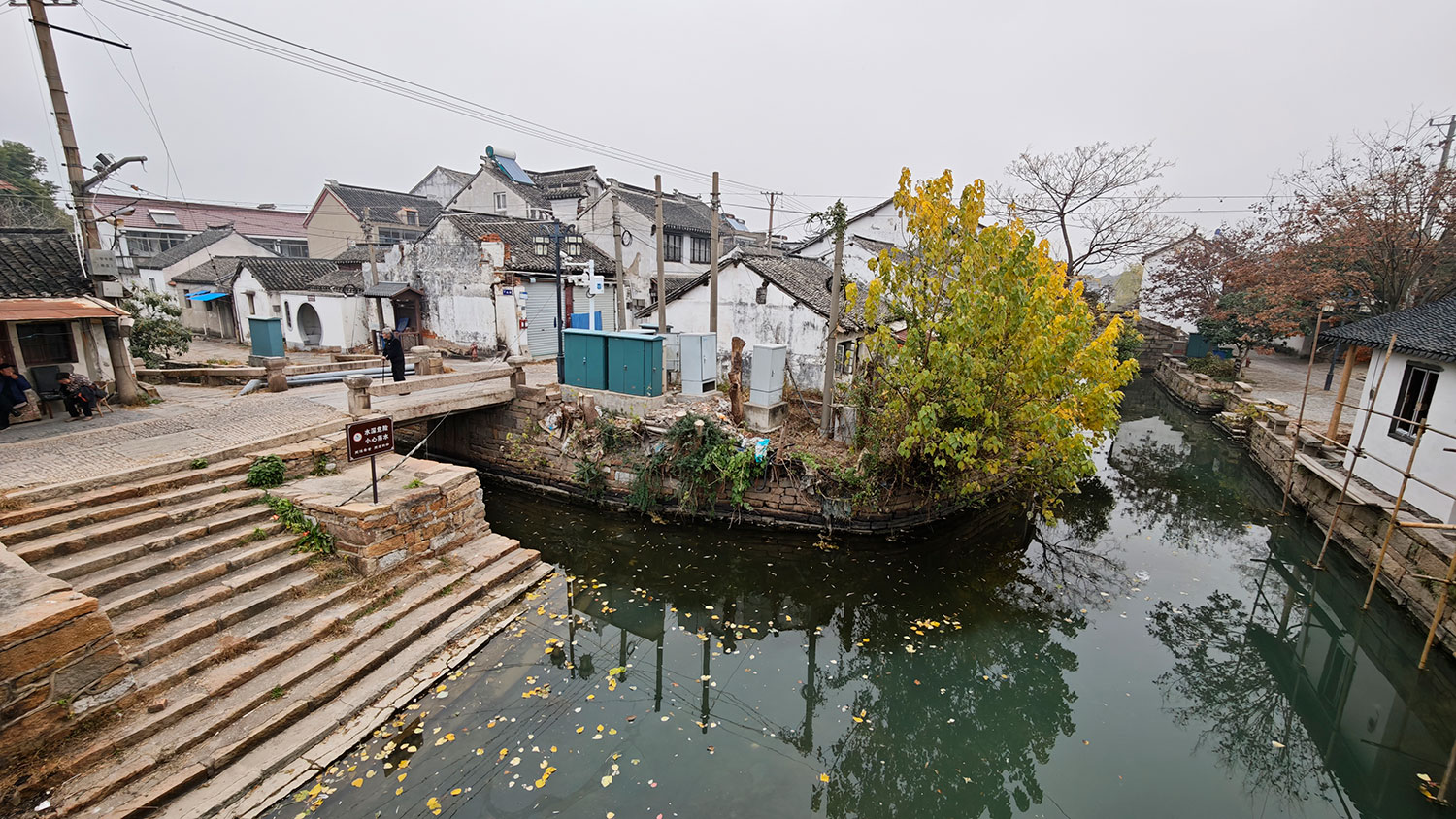
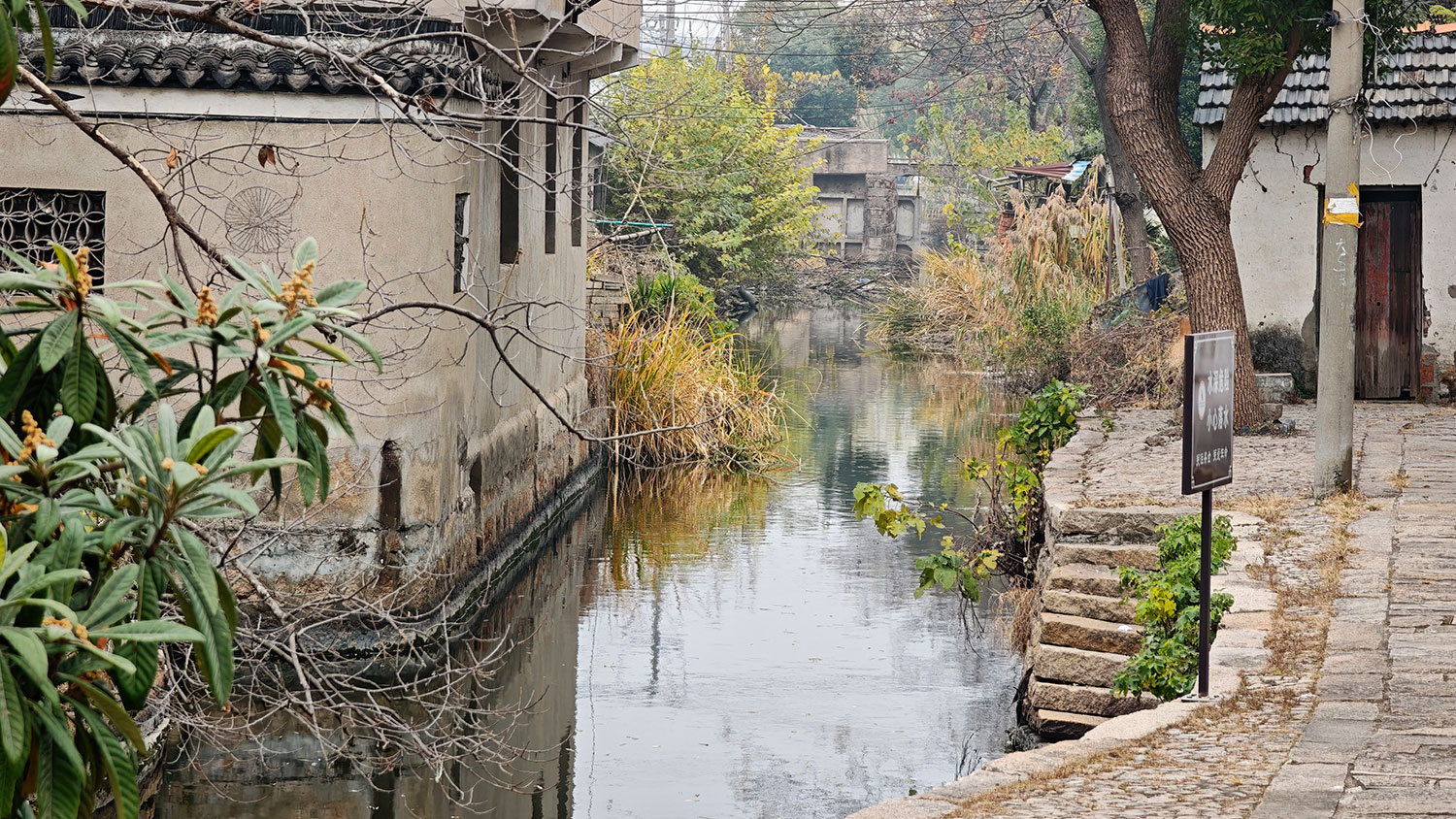
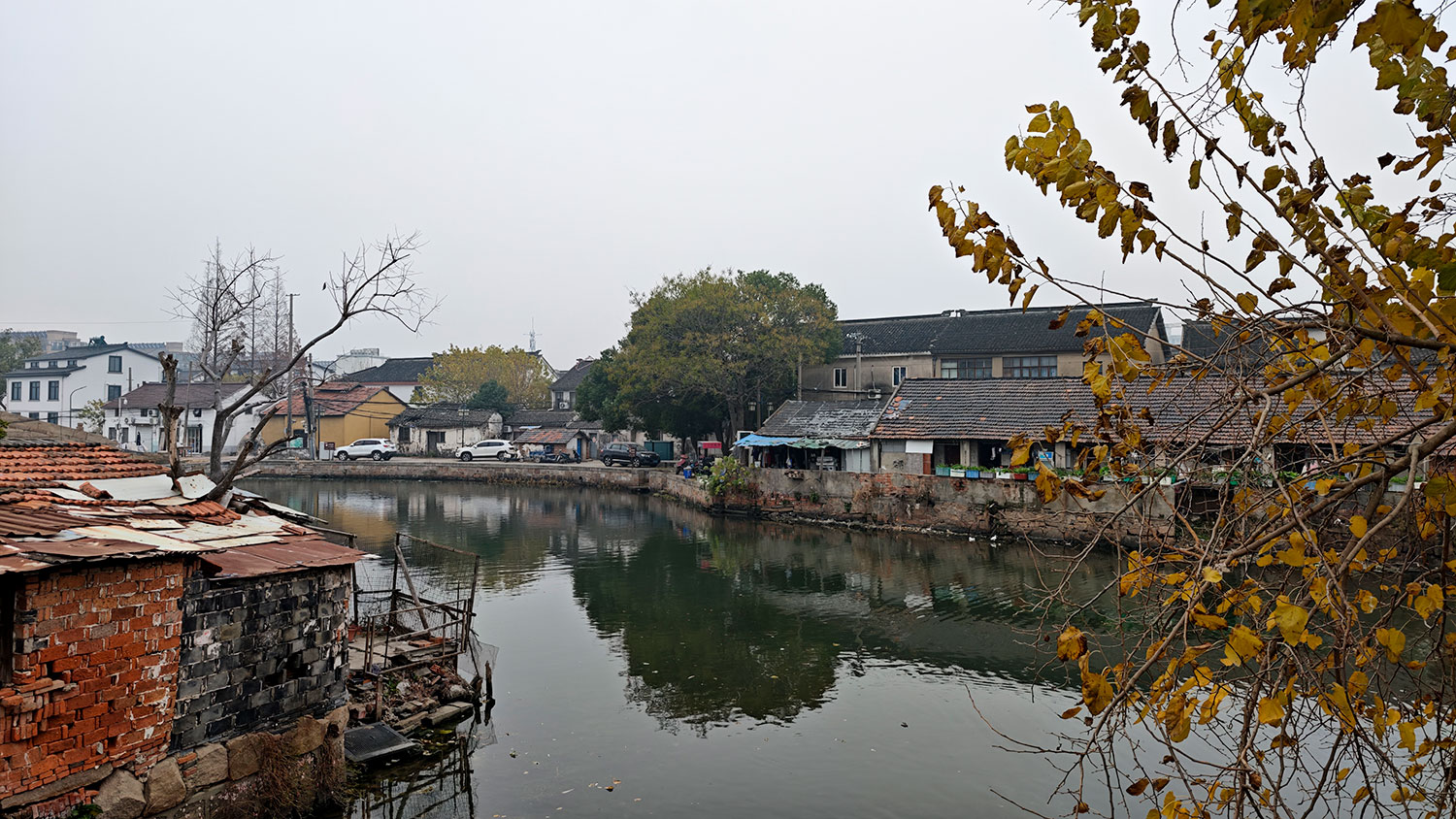
While Luzhi has been partly rebuilt, repainted, and repaired by investment, Nangang feels like it has been completely ignored by city planners. But this is also how it has kept its honesty — even if not entirely by choice.
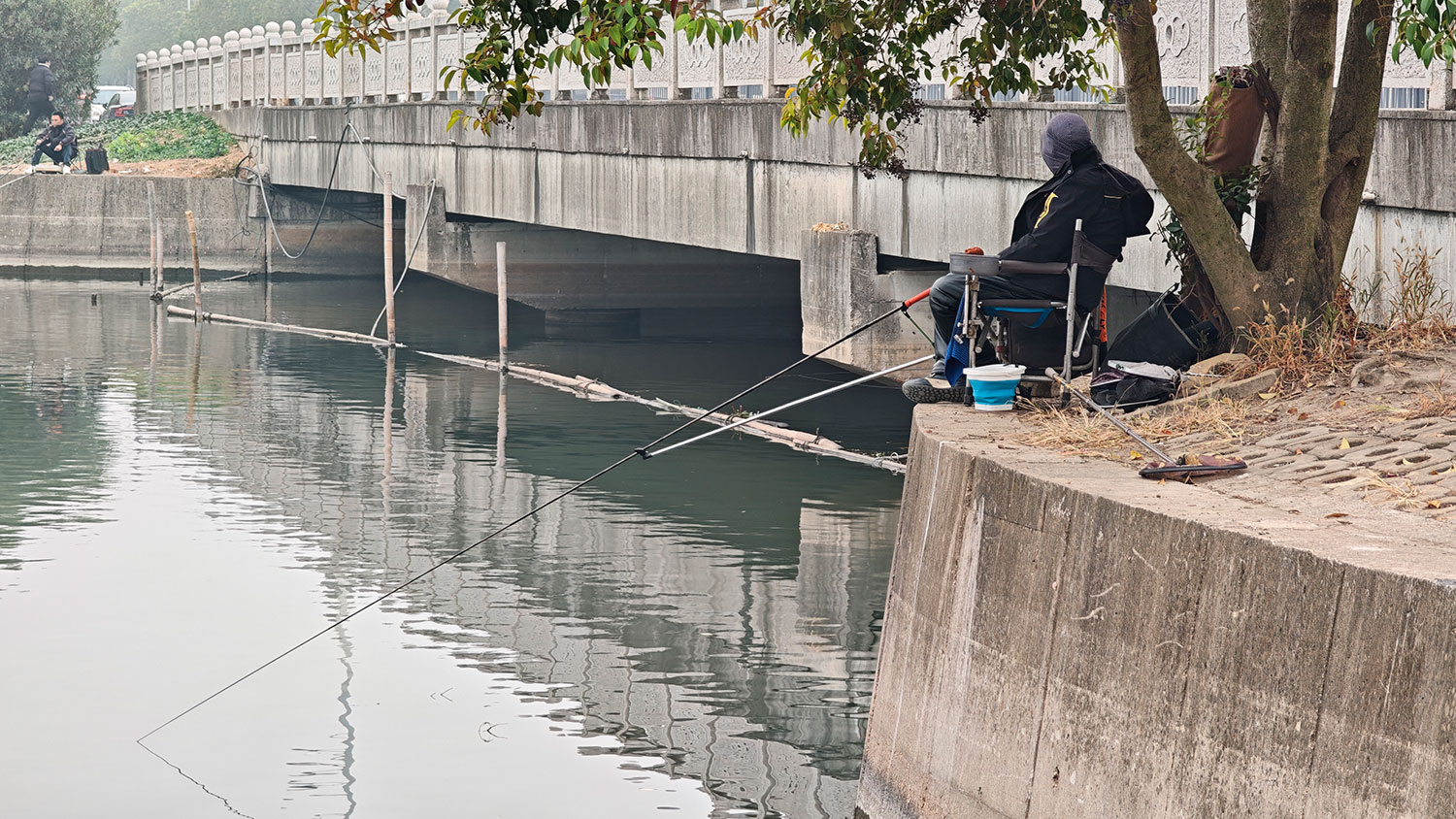
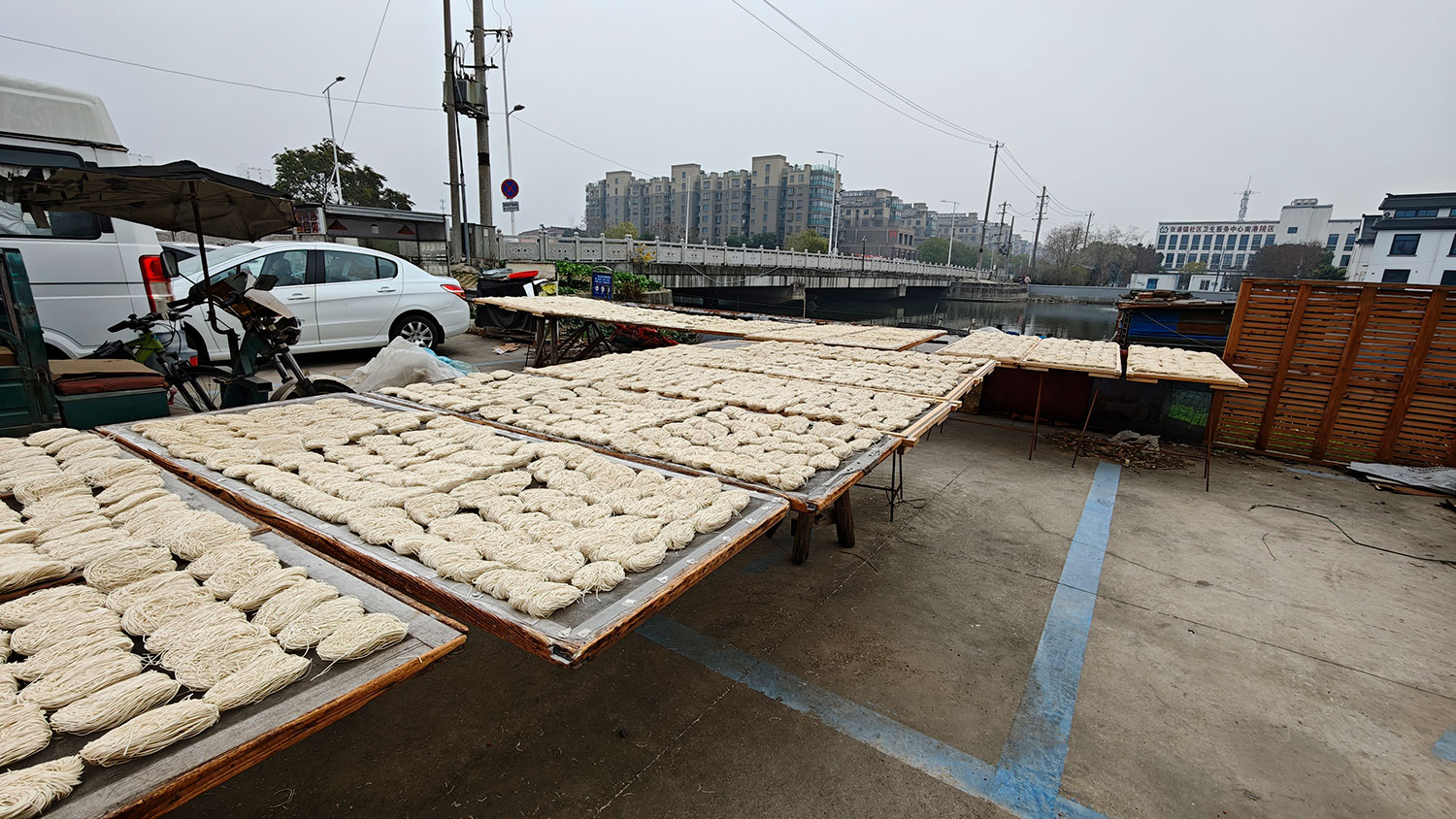
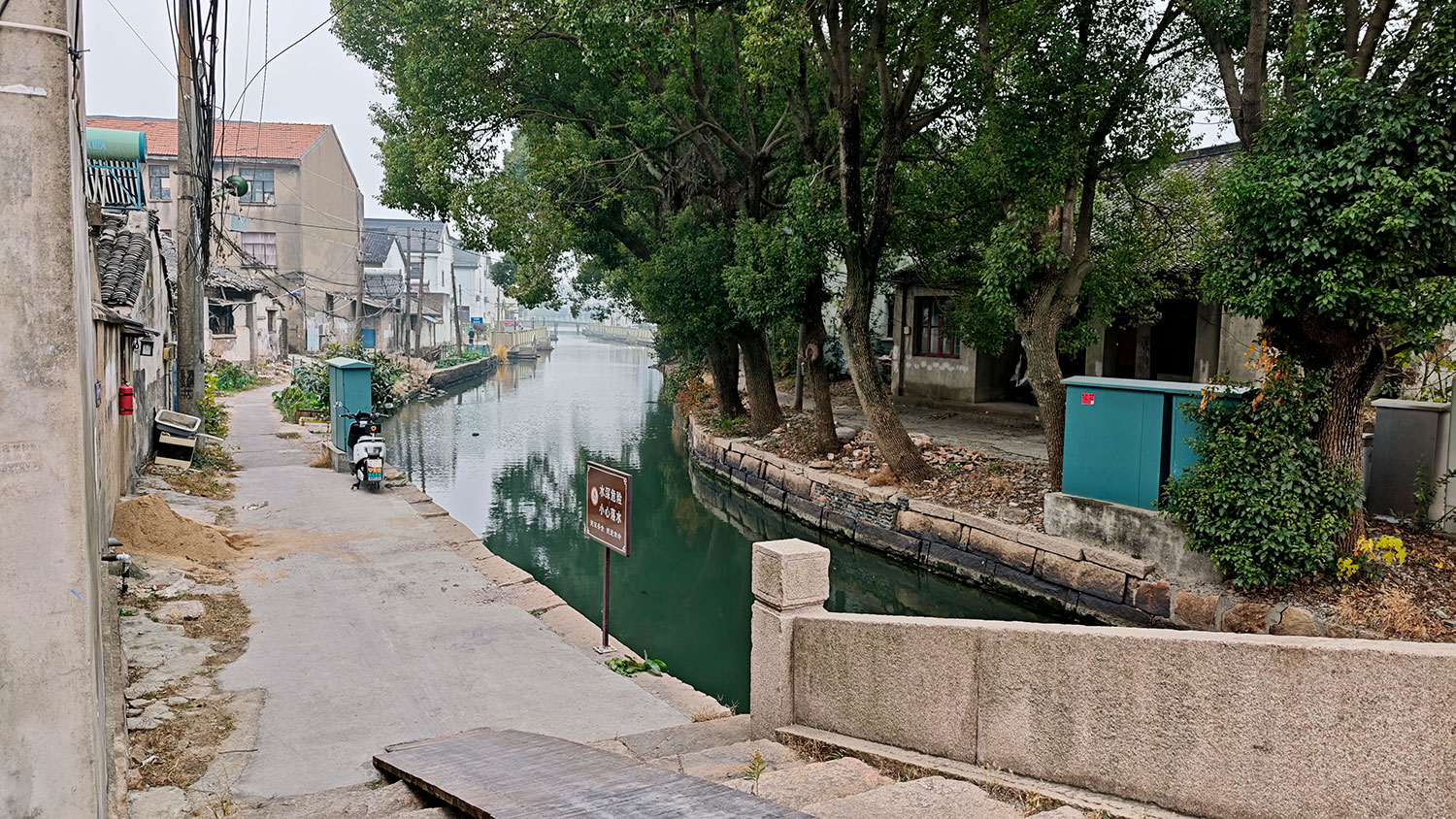
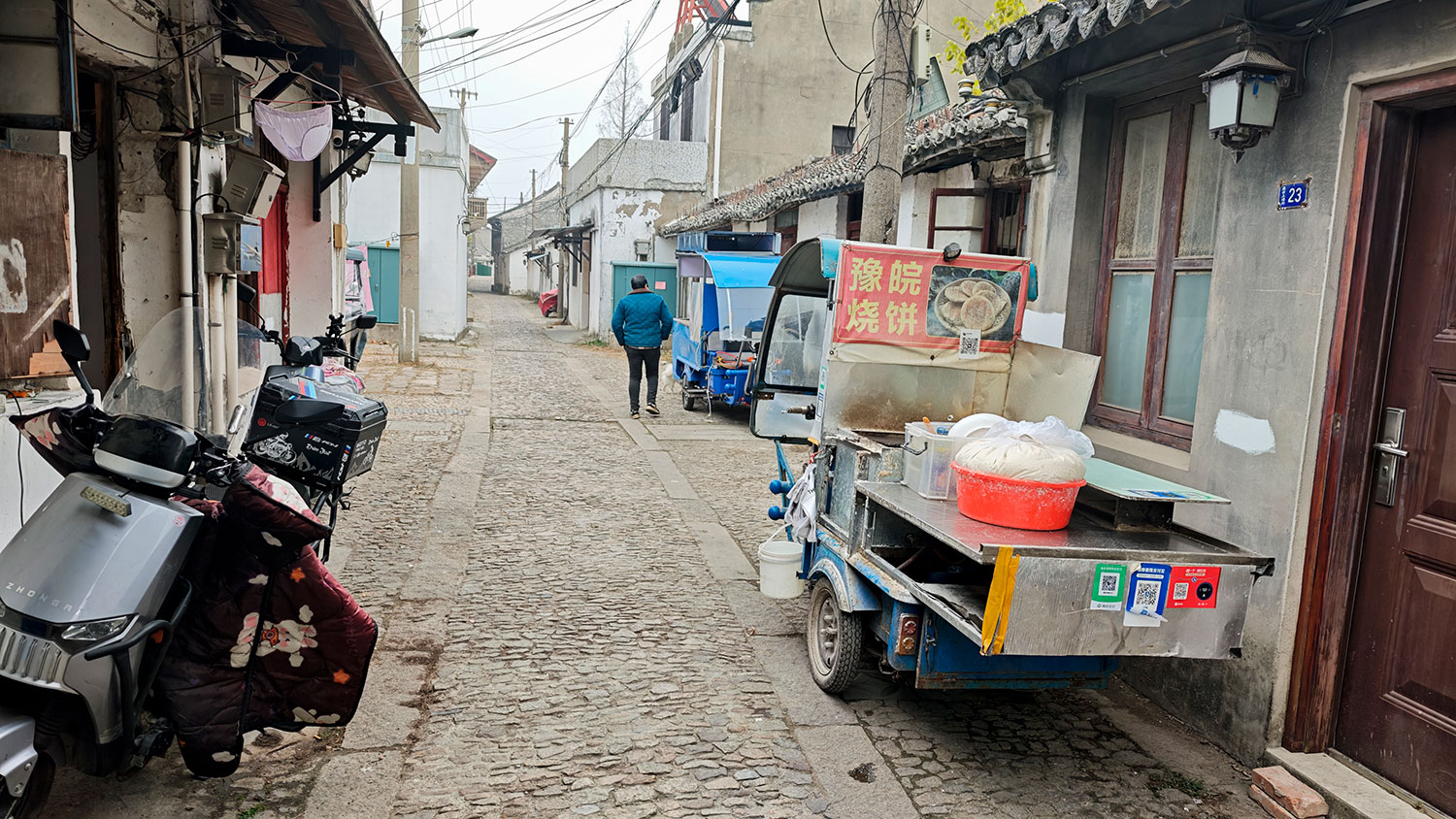
There’s no dedicated parking place for tourists, so I park at a wet market. Some people are fishing, and even though the sun doesn’t show its face through the clouds, shops are drying noodles (晒面) on tables next to the river. People are preparing their market stall (路边摊) for the evening.
‘What are places?’, I ask myself. To me, there’s some two-way interaction between places and people. People create places by building houses, shops, and the alleys or rivers in between. In turn, places influence people. Through their layout, they decide who interacts with whom, and why. This is why to me, commercialized tourist attractions or multinational chains never feel like ‘a place’, but rather buildings separated from each other, each providing their own experience separated from the place they’re in.
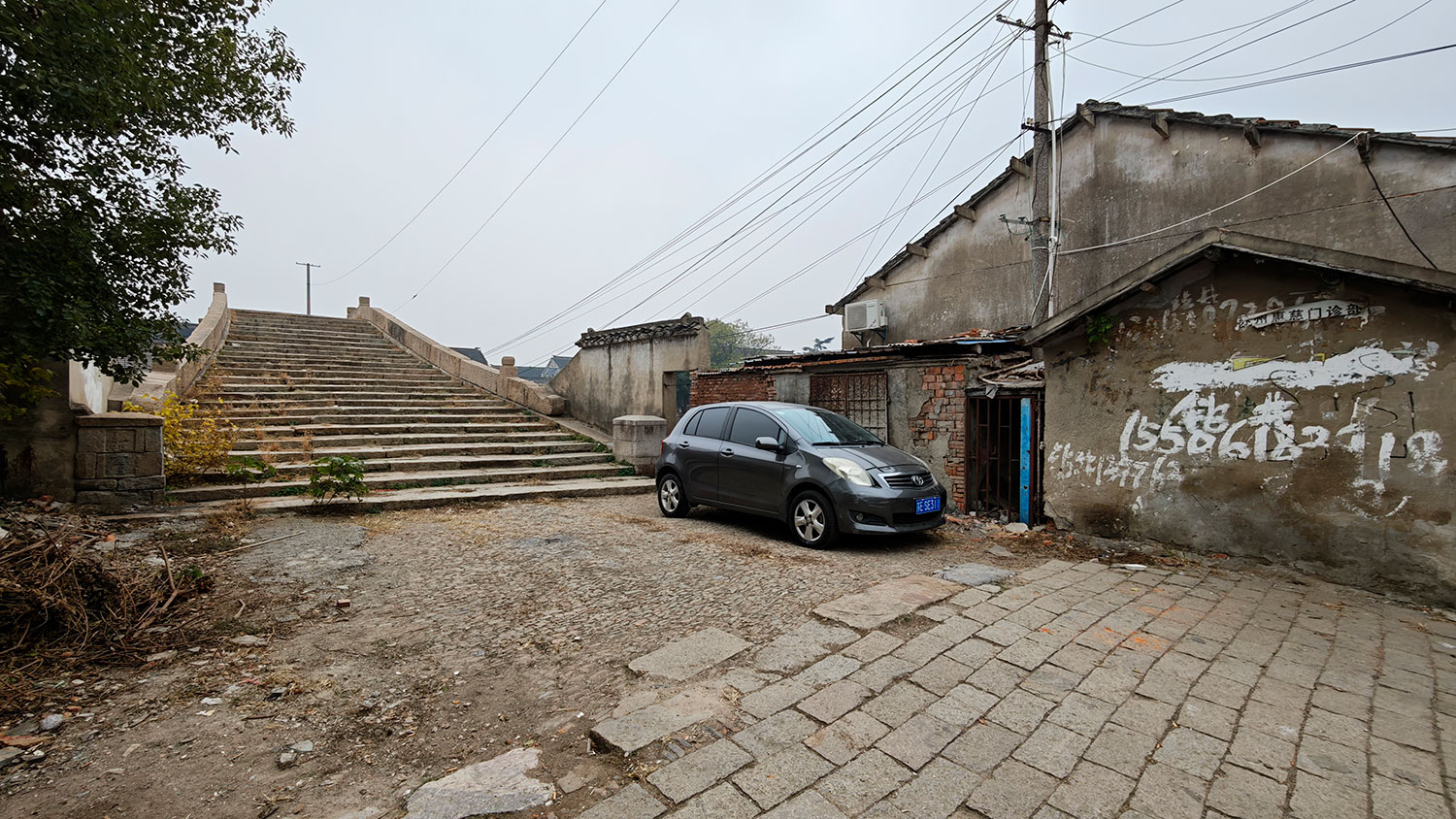
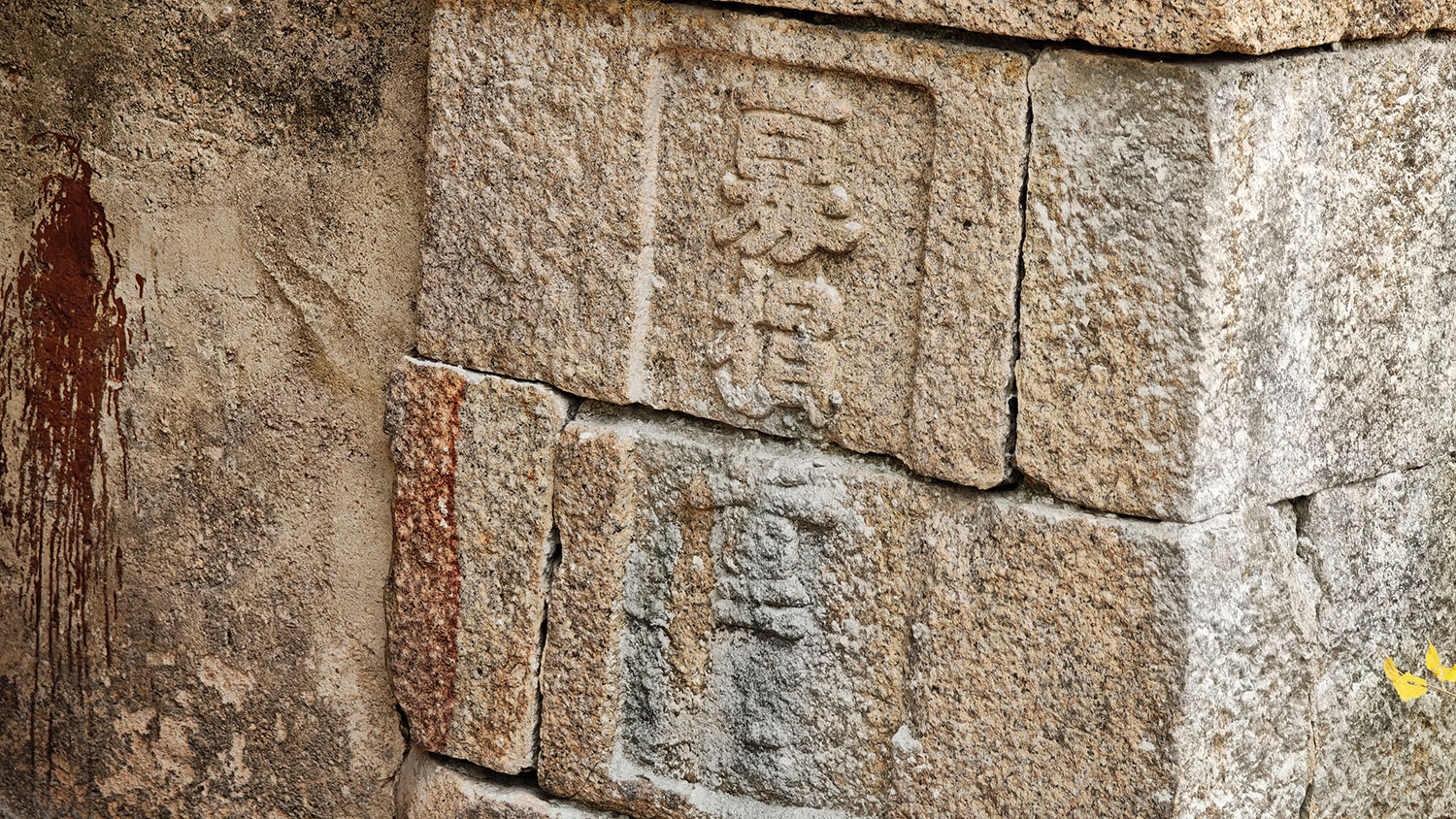
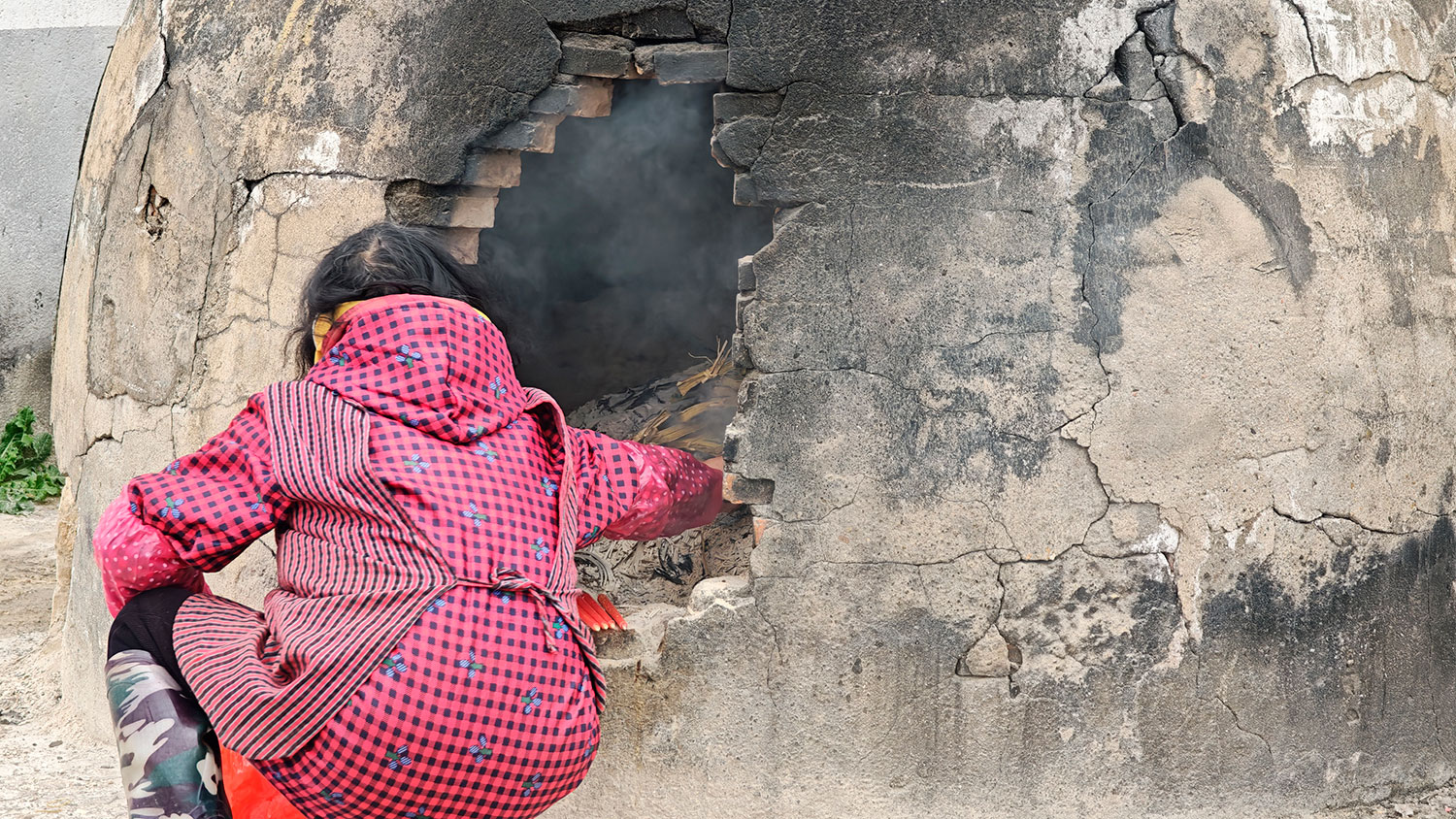
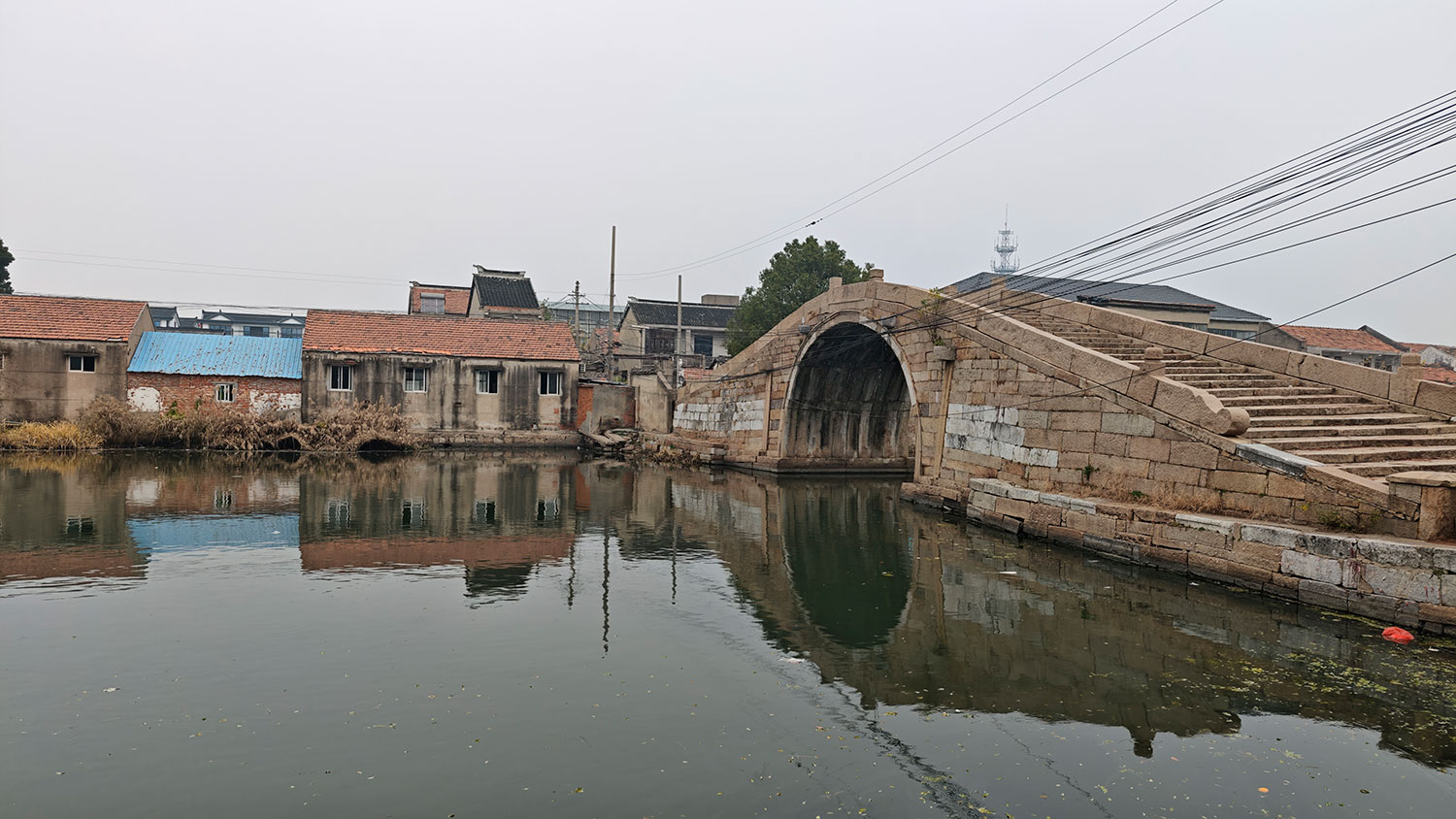
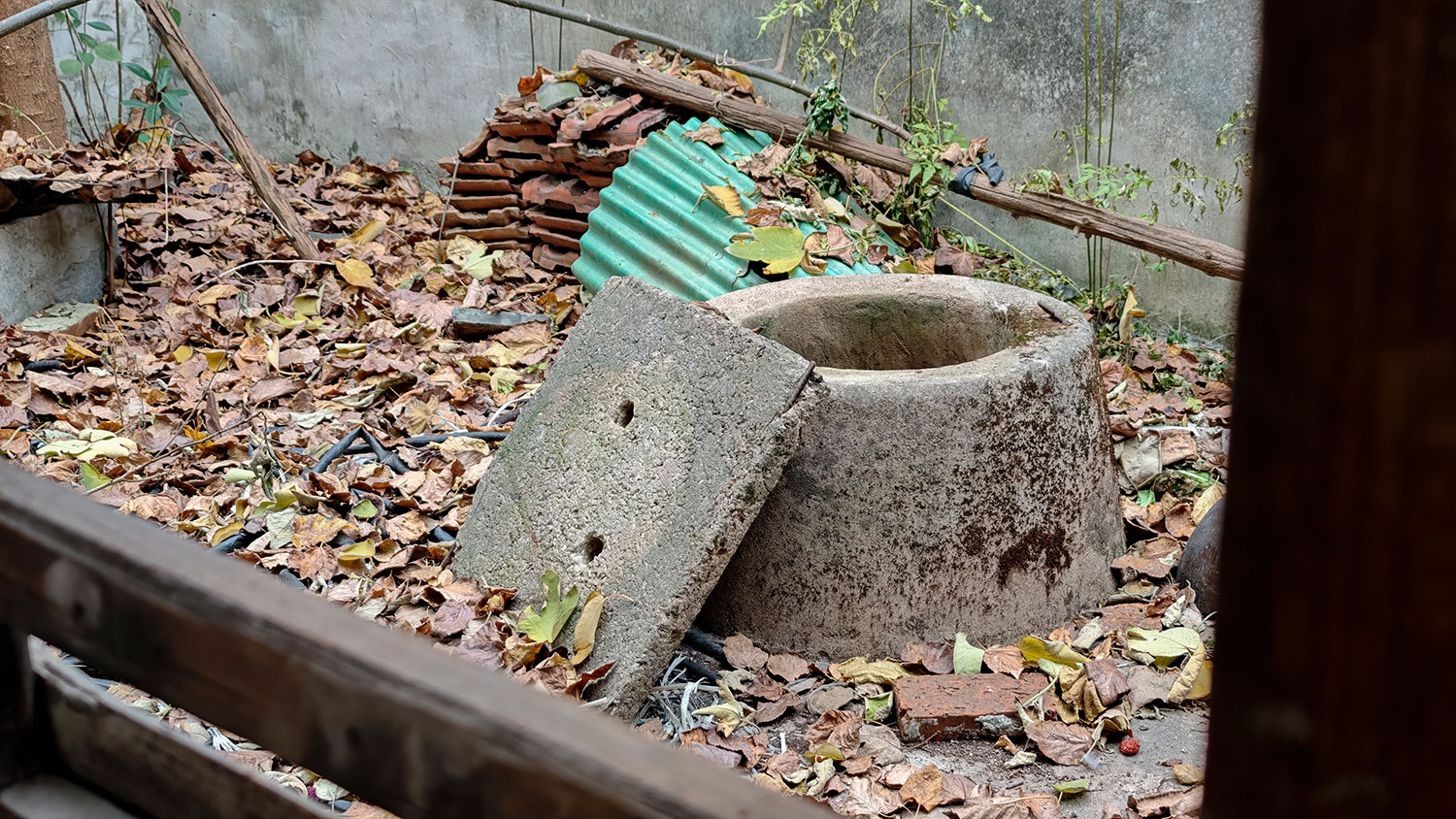
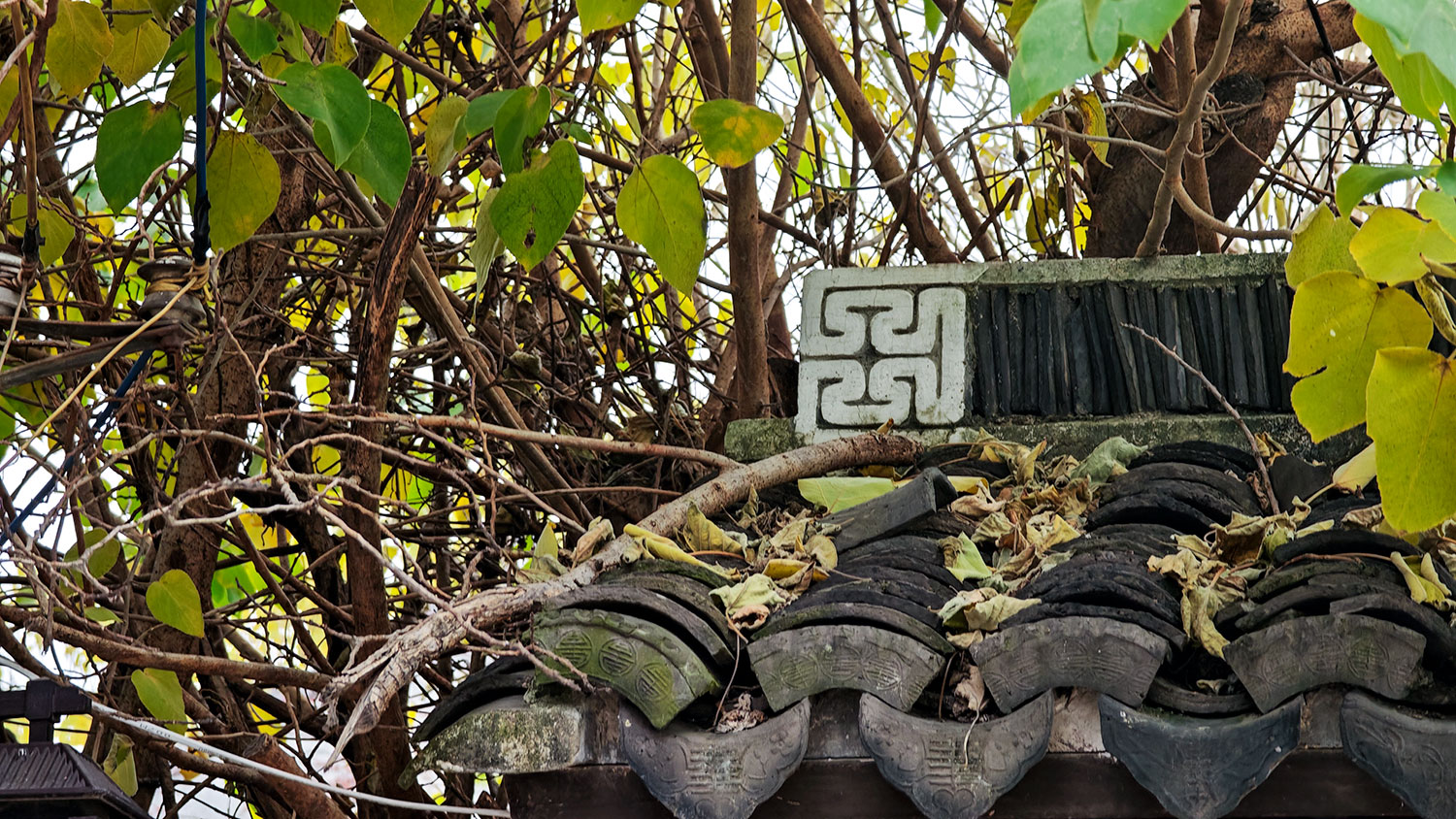
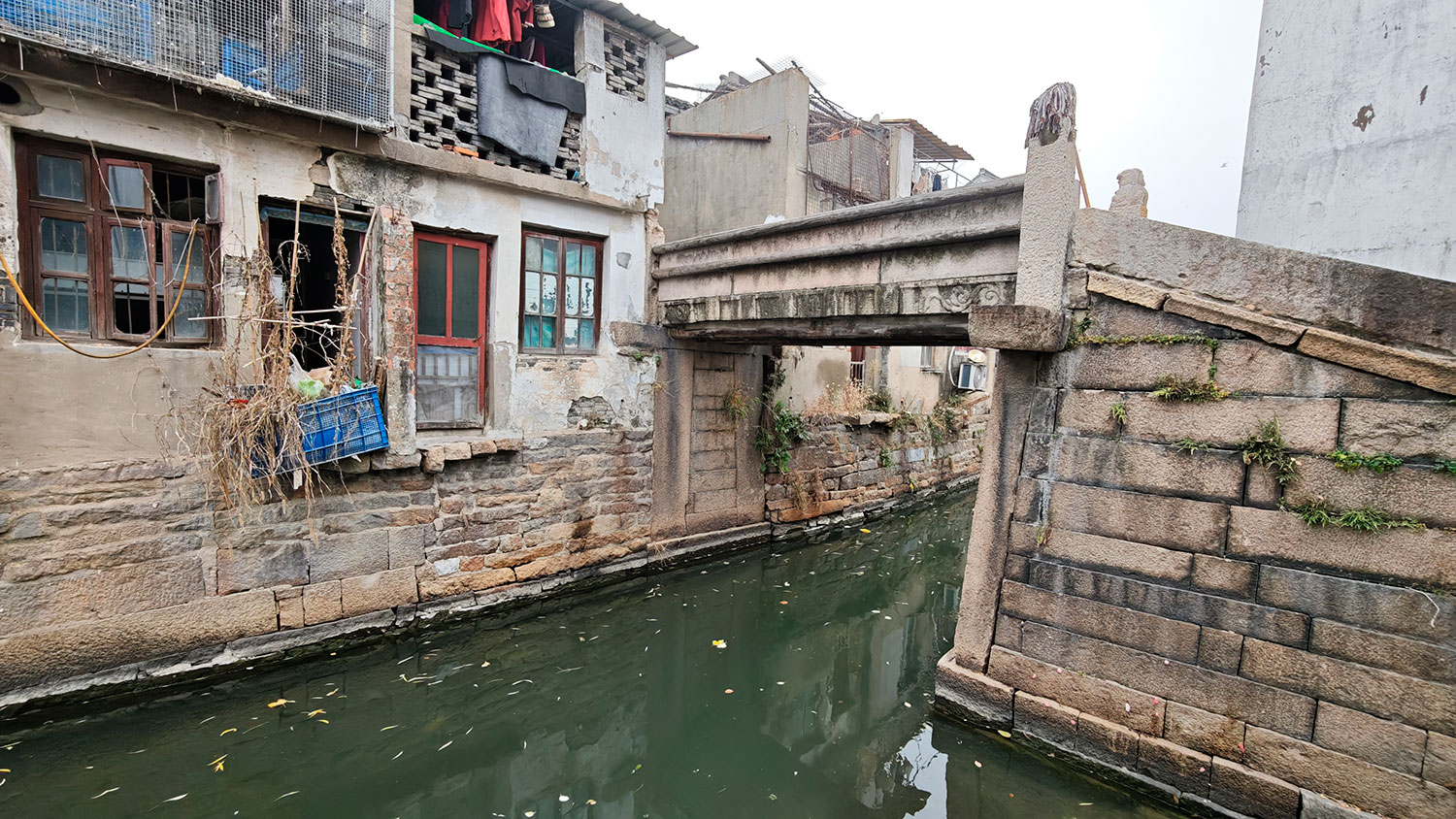
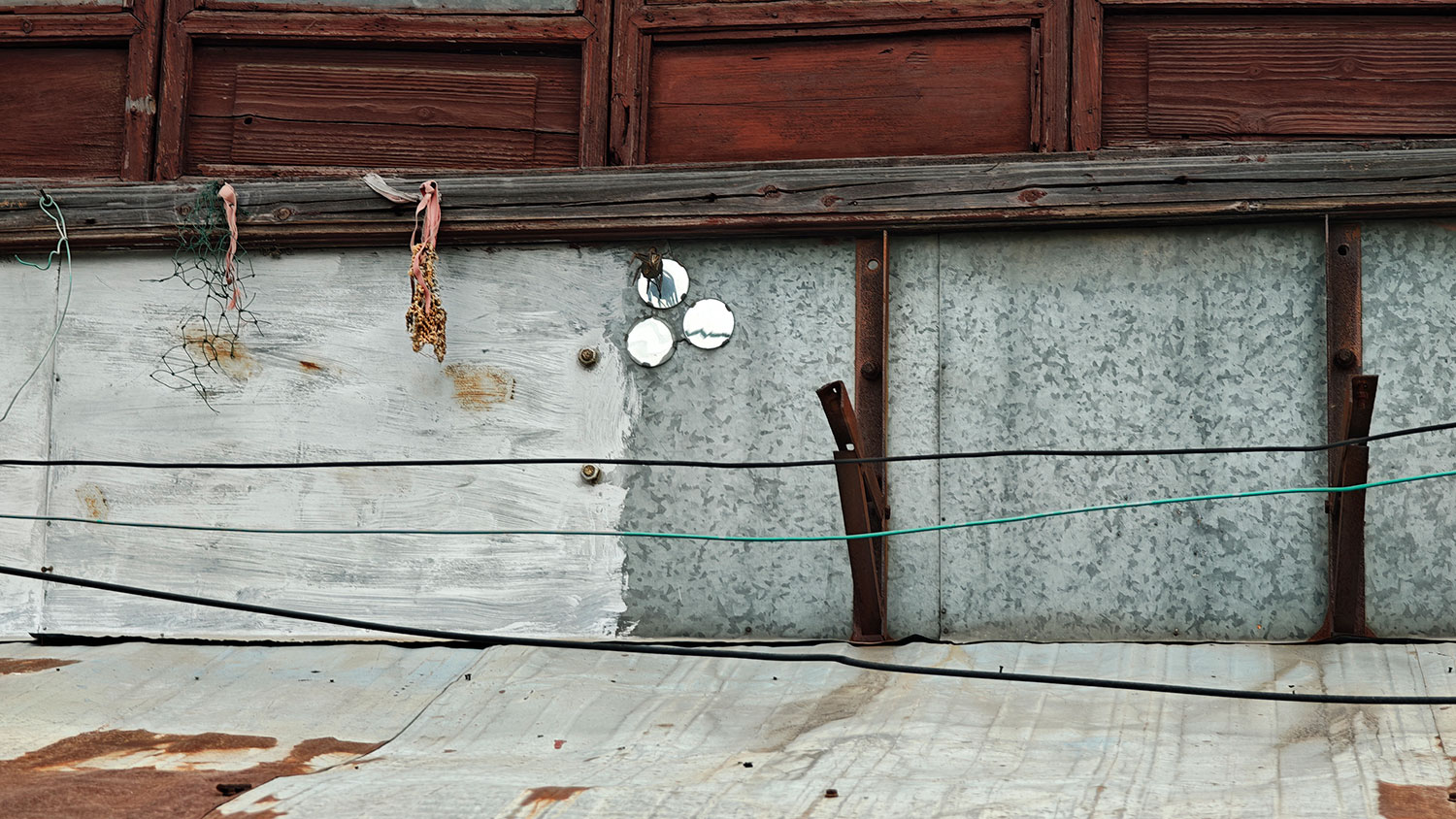
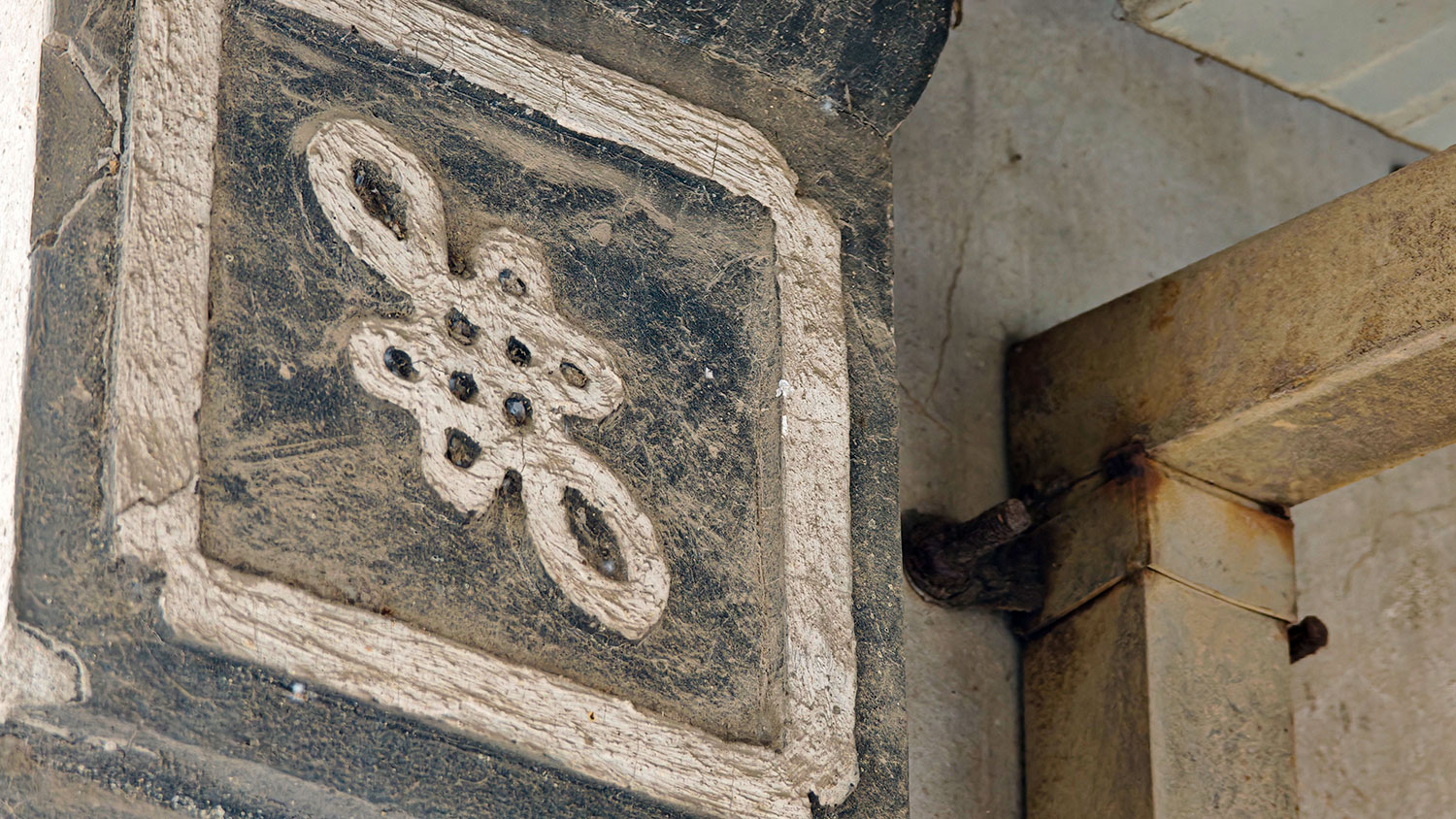
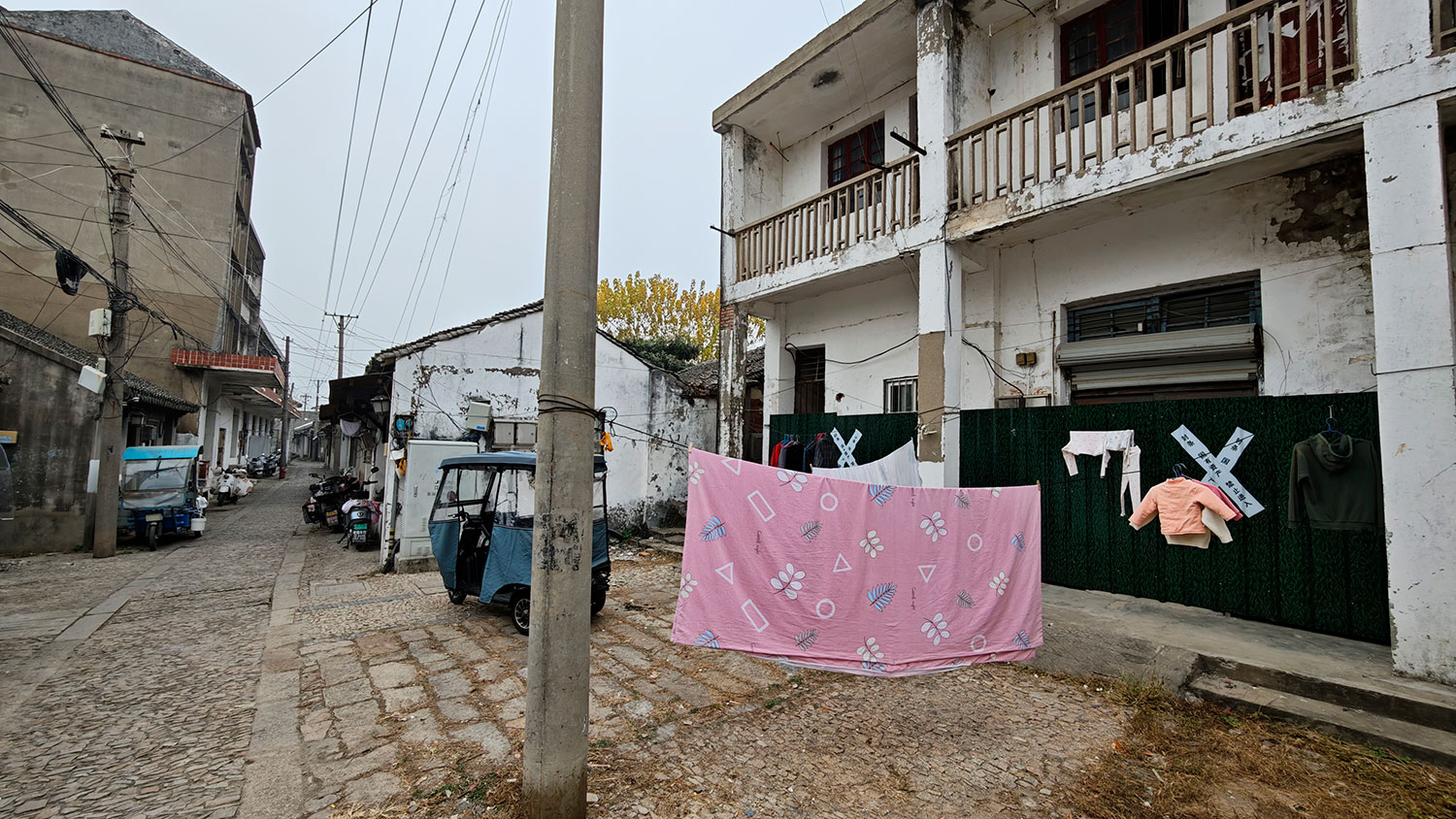
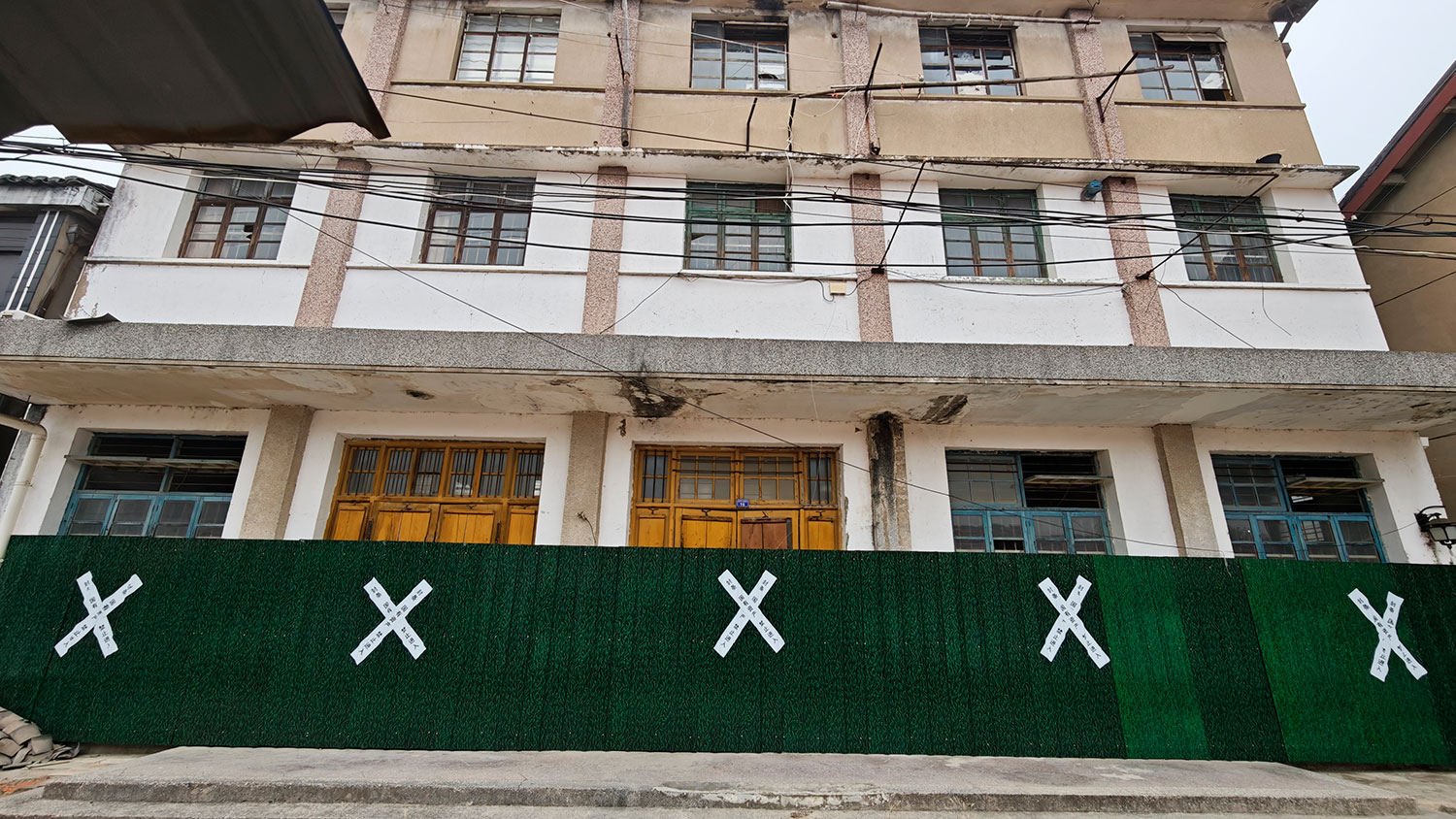
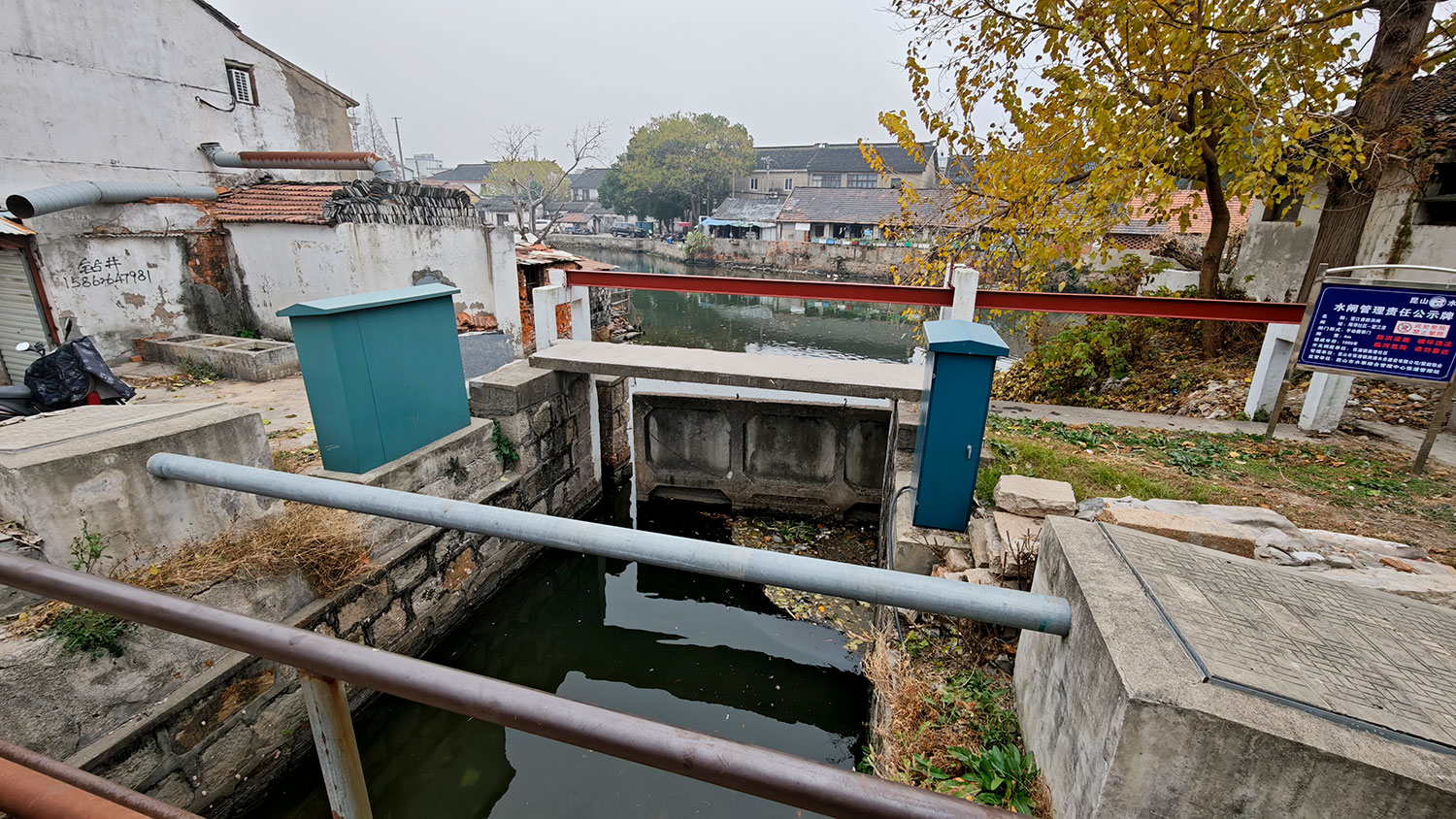
These types of ignore villages offer more exploring. There are details on the buildings; someone has put up three tiny round mirrors to repel ghosts. There’s woodwork on the buildings (panchan knots 盘山结), clothes or flowers or meat hung to dry, inscriptions on a bridge, empty wells, overgrown canals, painted advertisements, closed shops, and houses covered with a ‘封条’, sealed for closure, while others are vacant. A lady burns some stuff in an oven near a temple, and whatever heartfelt prayer she whispers, it goes up silently like the smoke.