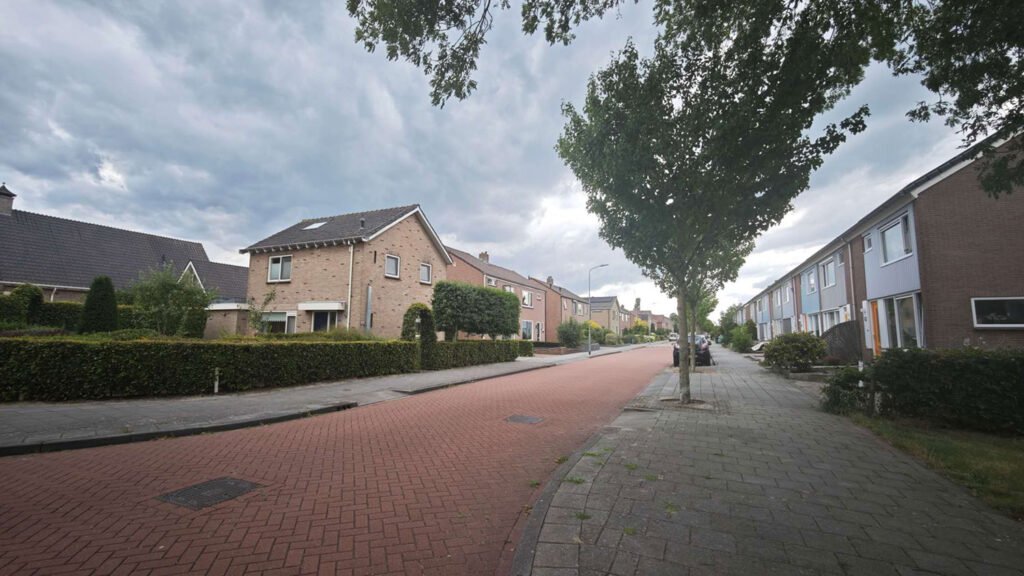
When I moved out of Shanghai’s city center, the differences were obvious to me, but now three years later I start to see the similarities again. The area in Shanghai that we live in now — the border of Heqing (合庆) and Tangzhen (唐镇) — is full of non-Shanghainese people. Many come from lower-tier cities in provinces like Anhui, Henan, Jiangxi, or Shandong. And it’s not just the license plates or accents in their speech that give it away. I rarely visit downtown Shanghai, but when I go to Anfu Road (安福路) or Lujiazui (陆家嘴), it just strikes me how beautiful those people are; their expensive haircuts, their designer clothing. Even the way they walk is elegant. I also feel poor and less of myself when I see them. And I’m sure many dogs downtown have more expensive clothing than most people here. And if anyone here is wearing anything from a fashion brand, it’s likely a knockoff.
This isn’t to speak less of the people here. If anything, they’re happier. For sure; they work longer days and more of them in manual labor, but they’re much more down-to-earth and less busy with how they look and just being.
I’m reminded of a science fiction novelette, Folding Beijing. In the story, Beijing rotates so that three different parts of the city each get a piece of the daylight. How exactly the city mechanically rotates isn’t that important; what is key is how it’s a metaphor of class inequality, how different social classes live together but also never meet.
The novella has the city folding, but here in Shanghai it’s all stretched out. We’re 30 kilometers away from downtown, too far from the subway to even walk to the station. But how it affects everything in life is much the same. Different jobs, different facilities, different looks. Downtown has international hospitals and bilingual schools. The migrant workers here have their kids in their hometowns, as they cannot enter school here.
And yet I see the similarities. There are festivals downtown, especially with Christmas approaching. Fancy lights and beautifully decorated trees. Here, we have food carts that have moved together. I’m not sure if they’re put together to fight against the cold, or to provide a practical festival. On offer are fried noodles, lamb skewers, stinky and iron plate tofu, hot dry noodles, steamed dishes from Guandong, as well as nuts and biscuits.
But this collective offering of cheap street food tells me: “We too have our festivals; they may not have Michelin stars, but they have wheels; they may not be on Dianping, but we can find them nonetheless. It may not be oysters or mulled wine, but in front of cheap street food, everyone is equal still.”