In eight years of living in China, taxi drivers or older colleagues loved to ask, “Which is better, the Netherlands or China?”, hoping for a single insightful answer that would explain everything. And now, back as a resident in the Netherlands, people ask the mirrored version: do I miss living in China?
Neither question is easy, because there are so many areas to look for answers in, and they’re clouded by personal confounds. We didn’t just change countries — we also moved from a metropolis to a small town. More importantly, ‘which is better’ depends entirely on how you value what. For a long time, I assumed the Netherlands was the wealthier, more developed country. But that holds only in certain areas, not uniformly.
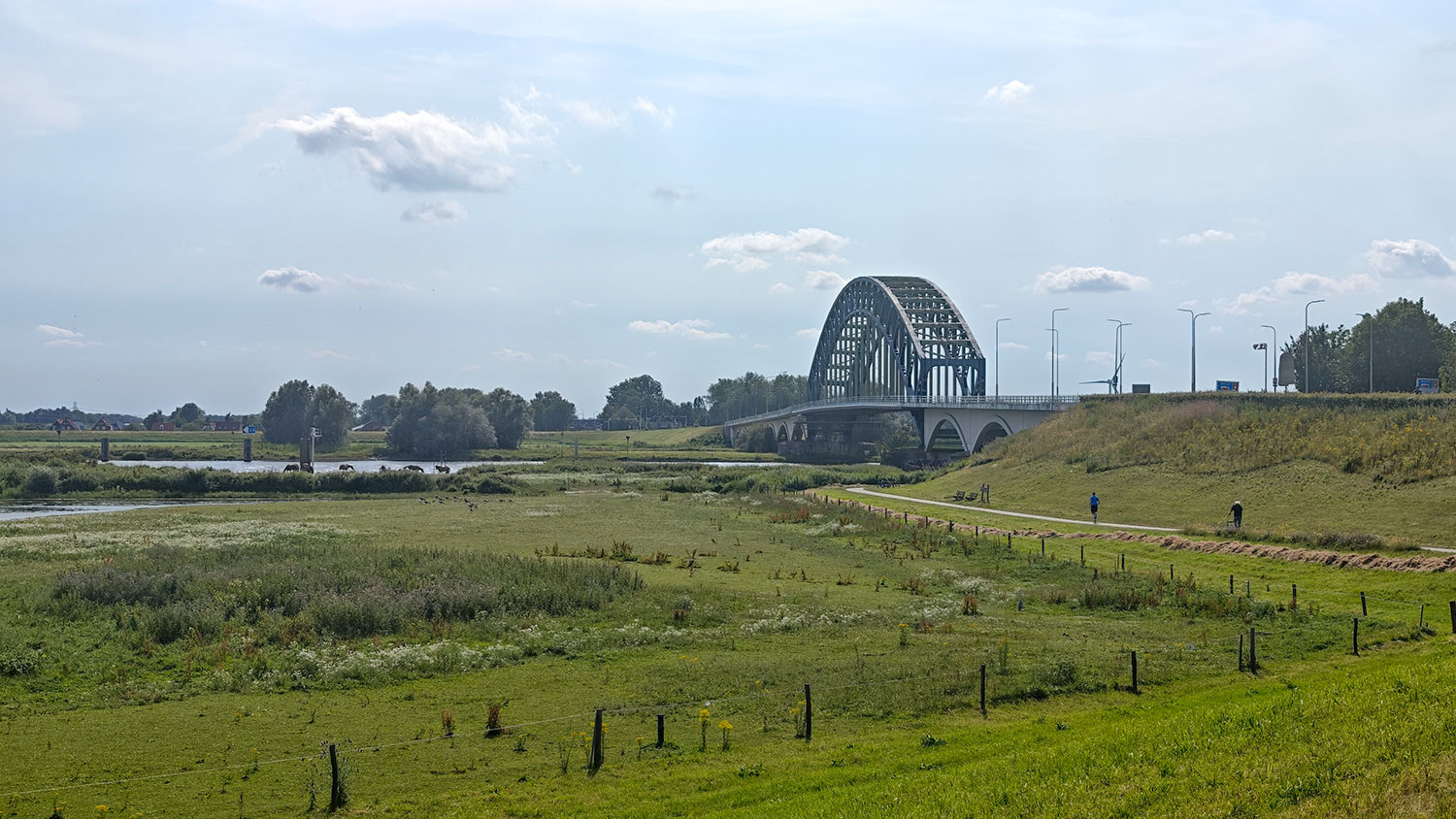
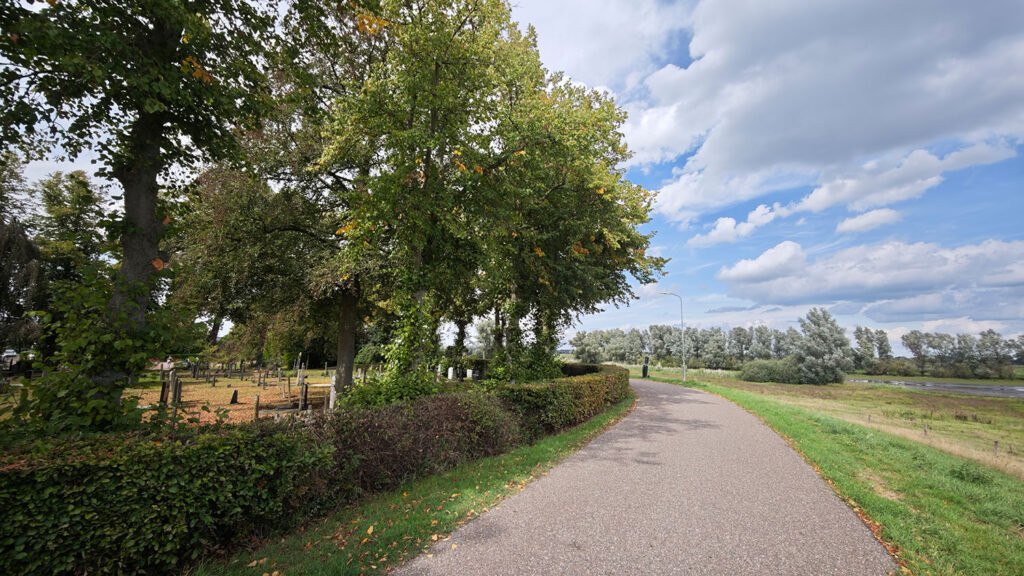
Living in Shanghai, I used to look down on the archaic technology of the Netherlands — the bank cards, the paper letters from the government, unimpressive infrastructure. But back here, I find the picture is mixed. I miss our luxurious Chinese EV with its battery swap feature, but the Dutch bicycle infrastructure is just so good and (at least when it’s sunny) such a source of joy. So the question is less a question than an area to explore: how to measure ‘wealth’ with different rulers: in money, time, trust, health, luxury, or convenience.
Because the contradiction is that most Dutch people are wealthier than people in Shanghai, but have no air conditioning in their homes. They drive smaller, older cars with fewer features. Public transport is dismal by comparison. Phones are smaller, lower-resolution, and slower — as are televisions. Shops close on Sunday, and payments are still done by cash or bank cards.
The biggest effect comes from the way money trickles down the economy, specifically through a much higher minimum wage. I really felt this when I had to call my Dutch bank: on the website I had to dig hard for a phone number, then join a 15-minute telephone queue to ask a 10-second question, whereas in China there’d be a chat feature in the app connecting me instantly to an employee. There are fewer public toilets, because servicing them would be so expensive here, and nobody is willing to pay for that. A private nanny or cleaning lady is much rarer in the Netherlands — just extremely expensive — and we’re back to full-time home cooking, because eating out is costly, as are food delivery options (which are also sparse and slow).
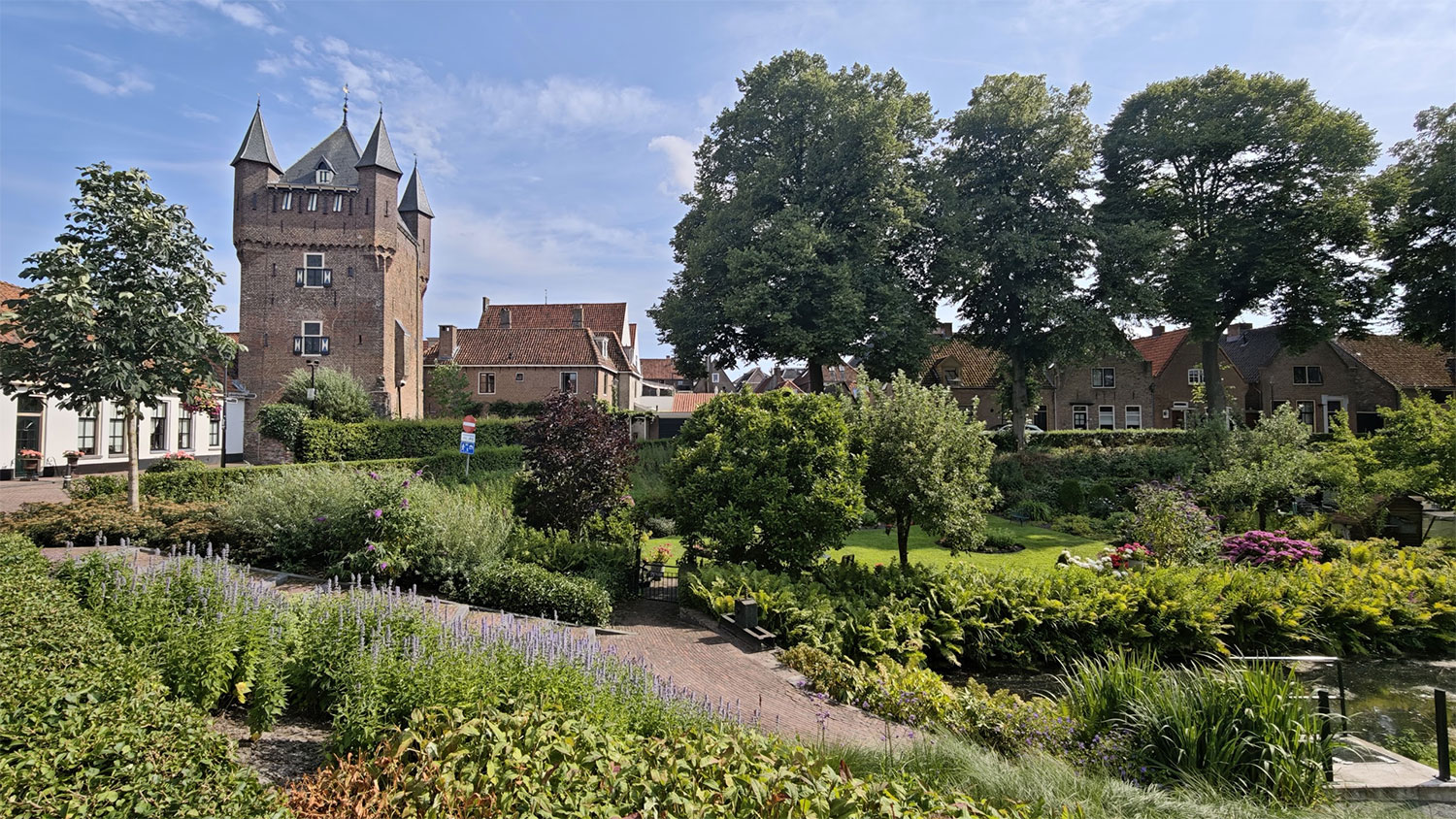
But people have more spare time to do exactly those things, and they live in bigger houses with lawns, often front-and-back. And because everything is more expensive (both goods and labour), the Netherlands has a way bigger second-hand market — for bicycles, cars, and furniture — not just apps for quickly selling off some stuff, like Goofish (咸鱼), but real businesses built on it. And so the slow pace of life is even embedded in the materials. Things have to be recycled, repaired, or made to last longer. We mop the table with a rag that we wash later, whereas in China we’d use throwaway paper towels. In Shanghai we bought baby products on Tmall or Taobao, reading about the latest generation of some toy or baby camera with AI features, wholly believing those neatly designed pages in the app. Here, my parents still have the toys, crib, and dish I used as a baby — which Hasse now uses, more than three decades later. Both are forms of wealth.
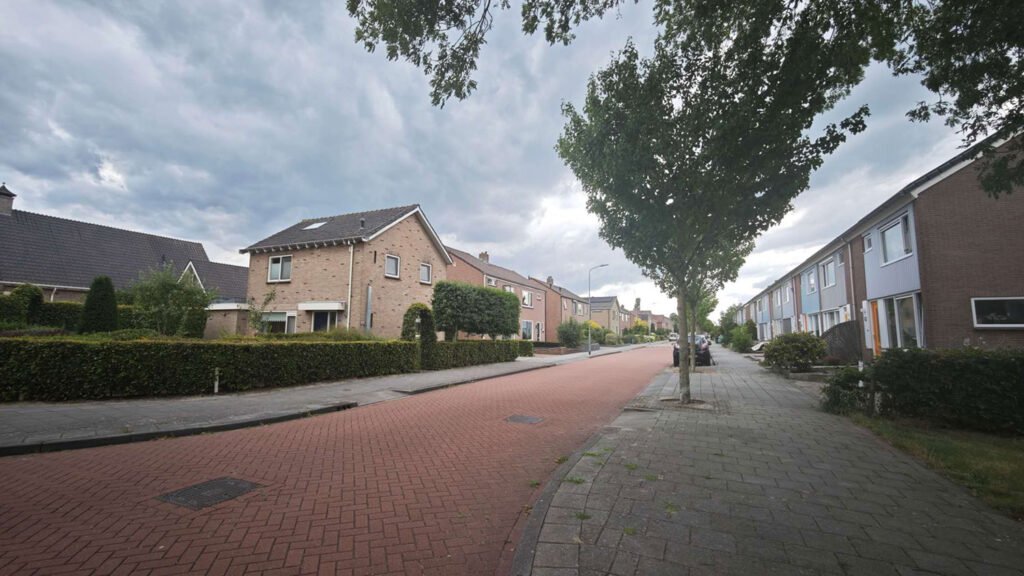
In broad strokes, the Netherlands is a small-scale, low-tech society. Small-scale in that the city hall here has just one window open to queue at, whereas Shanghai has hundreds of citizen service centres, each with dozens of desks. There’s one ATM I know of, and a small library (which, I must say, had a lot of visitors, from young to old). The Netherlands is a very expensive country for most things. Yet China is more expensive if, for instance, you lose your job or get ill. Expensive and cheap, like rich and poor, depend on where you’re standing when you measure.
Perhaps what I see is the frugality of a land that has time, versus the speed and haste of a country that is busy changing, fighting to gain more. So, to come back to the question — I’ll answer it the way I always have. Both countries are rich and poor in their own ways, they’re just different.