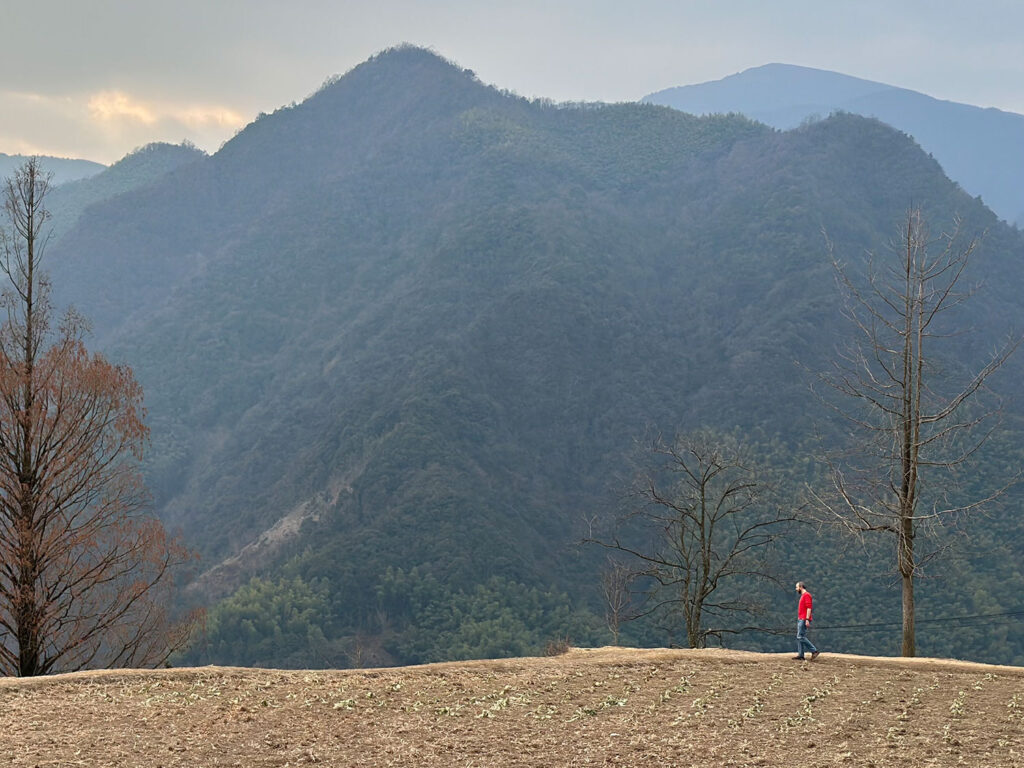
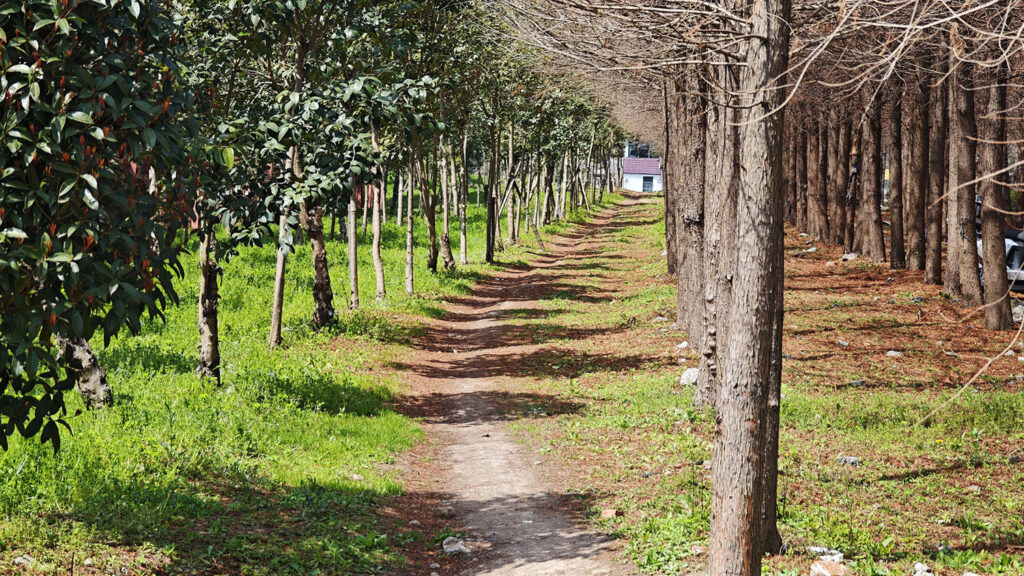
“We walk down the path in Xikeng.”
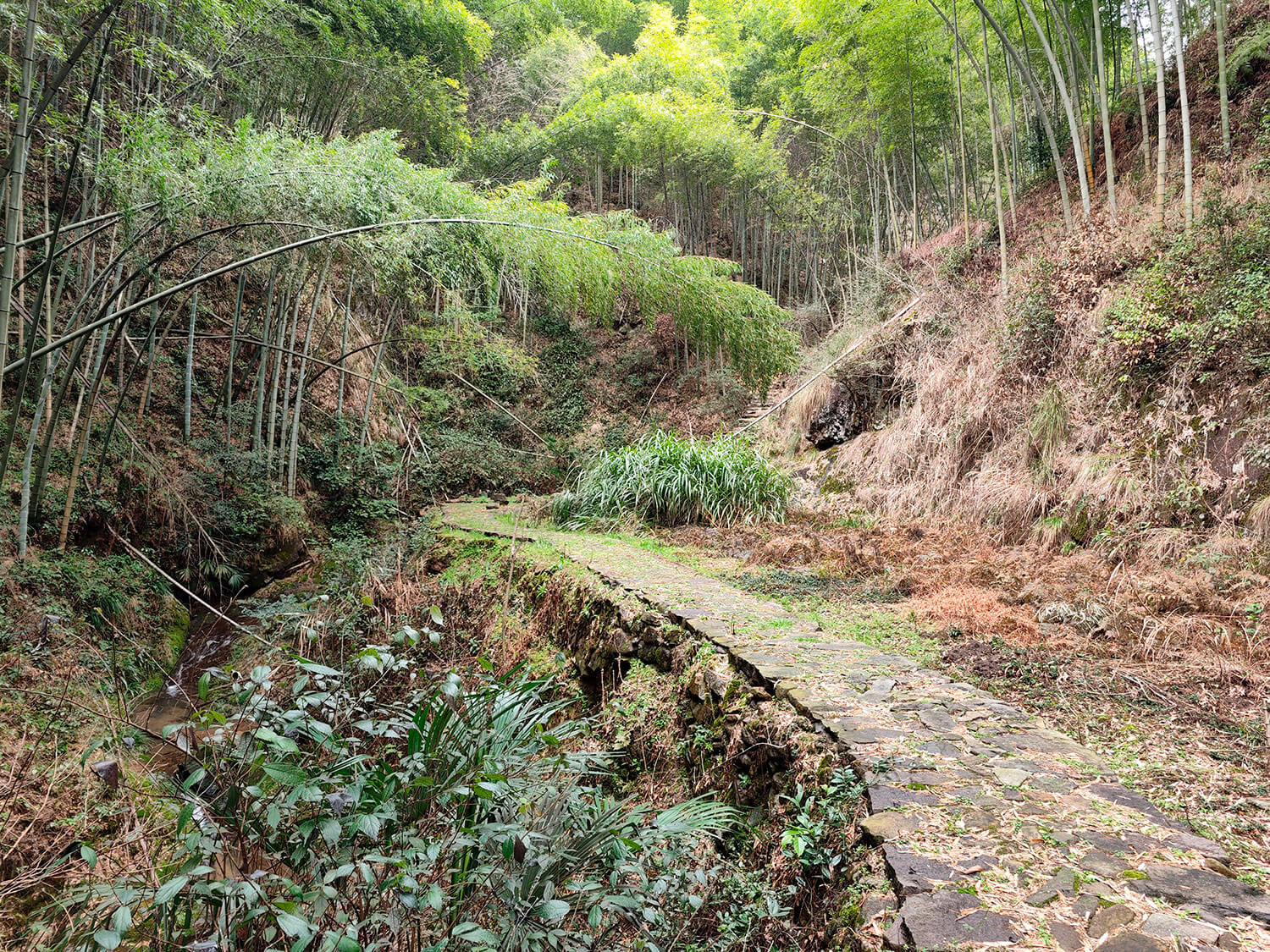
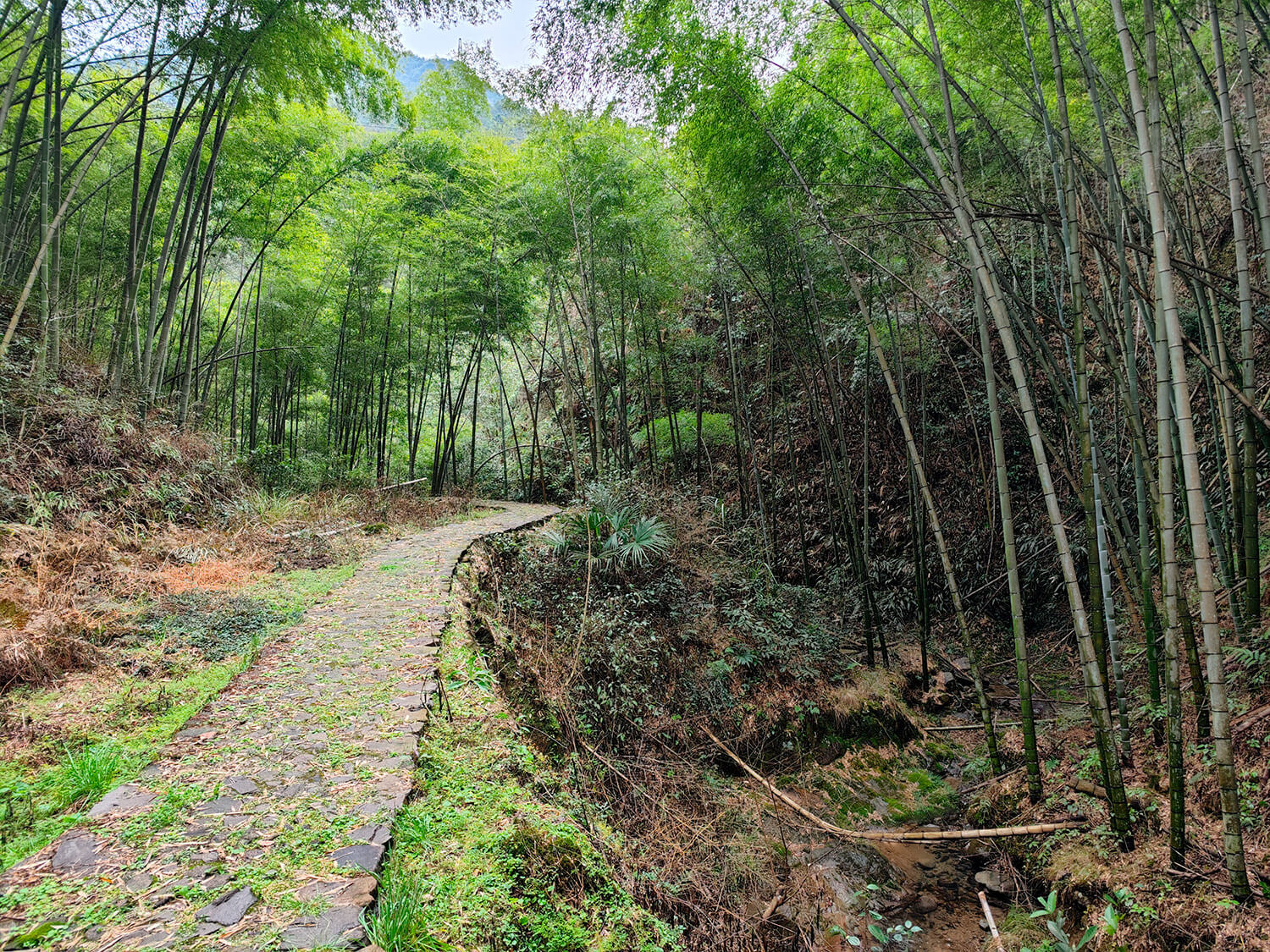
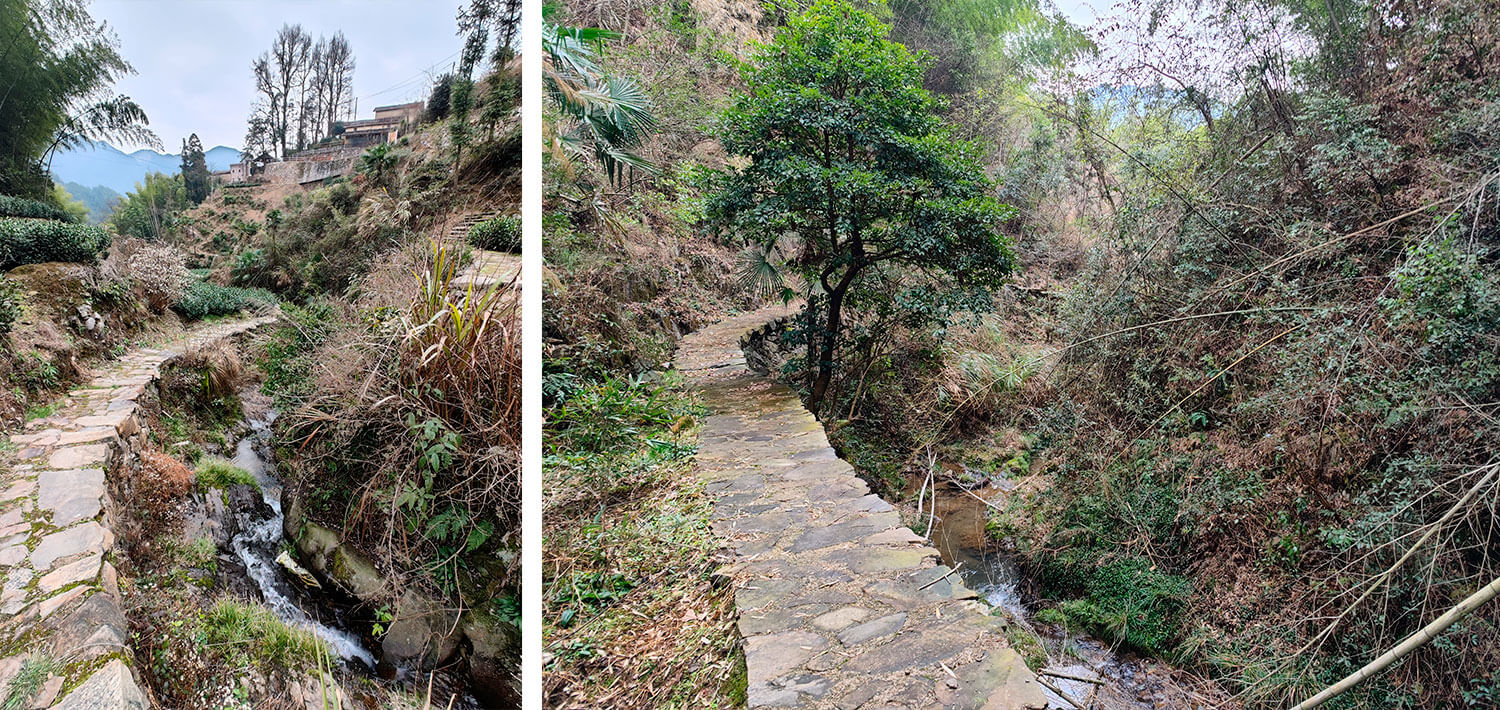
Three years ago, I started a note with that sentence. We visited a row of villages in the south of Zhejiang, and Xikeng (西坑) was at the end of the day — the least touristified town of them all. The village had dozens of old buildings, sliced by lanes and waterways, and overlooked a wide valley. The path we took descended from the village into that sea of bamboo, and despite feeling deeply inspired, the note went nowhere.
Normally, notes are like small constellations, attracting or orbiting around ideas until I decide they’re ready to be published. I think writing should either be about trying to find the special in the mundane, or write about really special things, yet in a very basic way. A double-negative is boring and belongs to a private diary, but a double-positive is disorienting. For example, there was no need for a deeper meaning when I wrote about the Shanghai lockdown, but when I visited my hometown after living abroad for six years, there had to be something else to it.
Sometimes those insights come naturally, but more often they require mental digging; To look at things beyond the surface, how they fit into the whole, how it makes me feel; what they really means, or what it means to be a human. This is my definition of literature over just plain writing; in that it touches on larger topics of humanity — not just of my personal life. And whether I succeed in that or not, looking for additional meaning is a mental exercise that can be trained like a muscle — one that isn’t just good for writing, it’s a nice way to live as well. But the thing about a greater meaning is that, sometimes it’s just not there — or at least not where I can see it, let alone put it down in words.
In ‘A Fish Called Wanda’, Otto — after being called an ape — replies that apes don’t read philosophy — to which Wanda replies “yes they do Otto, they just don’t understand it.”
Another example I got is from a fellow art student. Nearly twenty years ago, he told me he kept mosquitoes as pets. Just hearing that fact alone triggered a response, but I’m still not sure which one. He said he’d keep them in a terrarium and every evening, let them feed on his torso.
At the time I felt it was utterly stupid, and two decades on, I’m still not sure about the meaning of it. And yet I remember him, and still hold so strong the mental image of him taking off his shirt and taking the lid of his terrarium to let his pet mosquitoes feed on his body. So for all this weirdness and lack of meaning, he does occupy this space in my mind. His art succeeded.
That other way around works as well; in that we can derive meaning from something that doesn’t inherently have it, but one we give to it (the reader-response theory). I think couples have this with love songs. In ‘Dangerous Minds’, a substitute teacher with a hard-to-teach class holds a Dylan-Dylan contest, referring to lyrics and poetry from Bob Dylan and Dylan Thomas. And so the students look for meaning in lyrics that were never intended to be interpreted that way.`
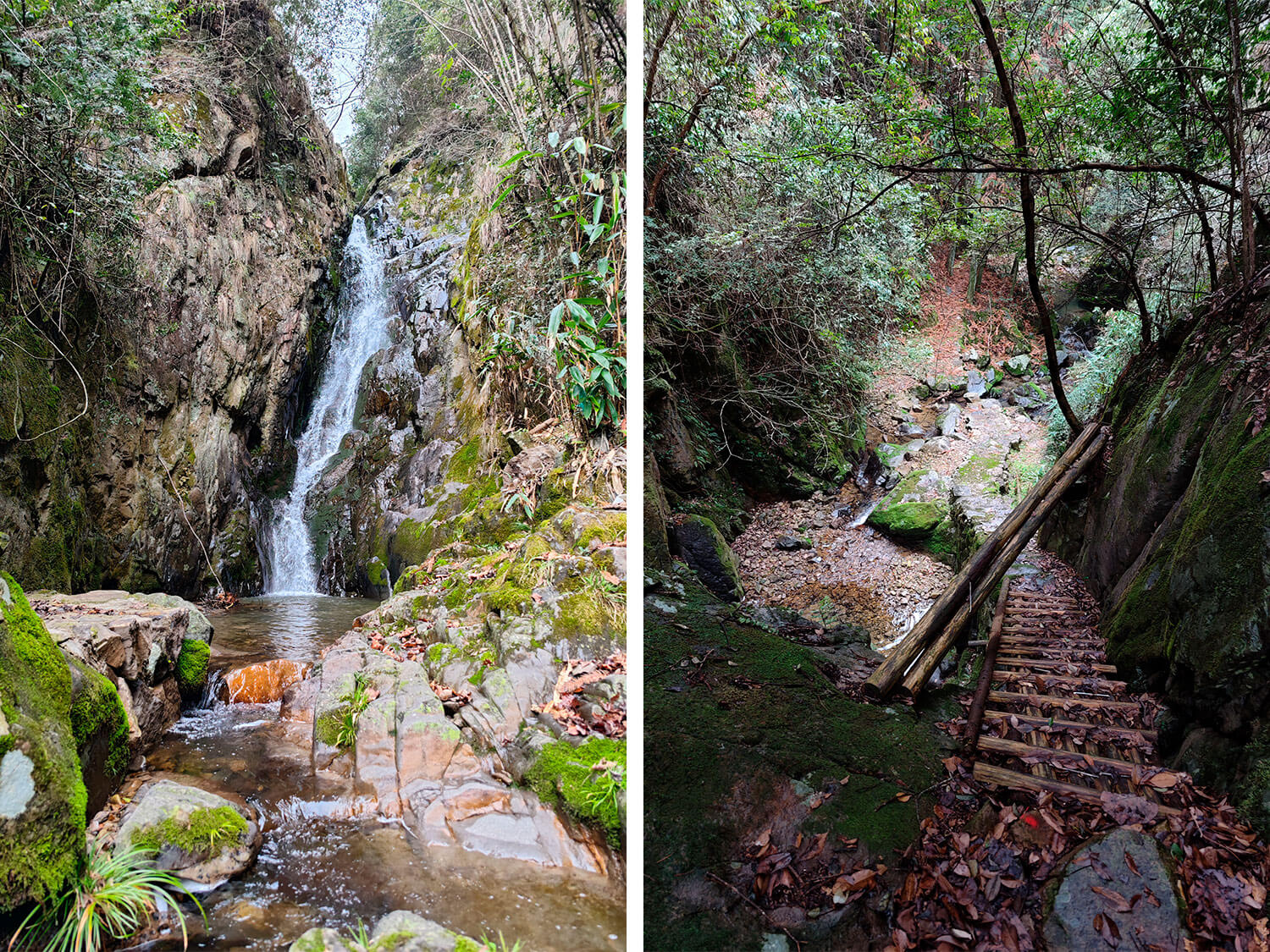
In the damp air held by the bamboo shoots, we crossed a waterfall, some famous historical stones with inscriptions, and a slippery wooden ladder. It always felt like a double-negative. But if anywhere, I guess the path in Xikeng did lead me to these thoughts, after all.