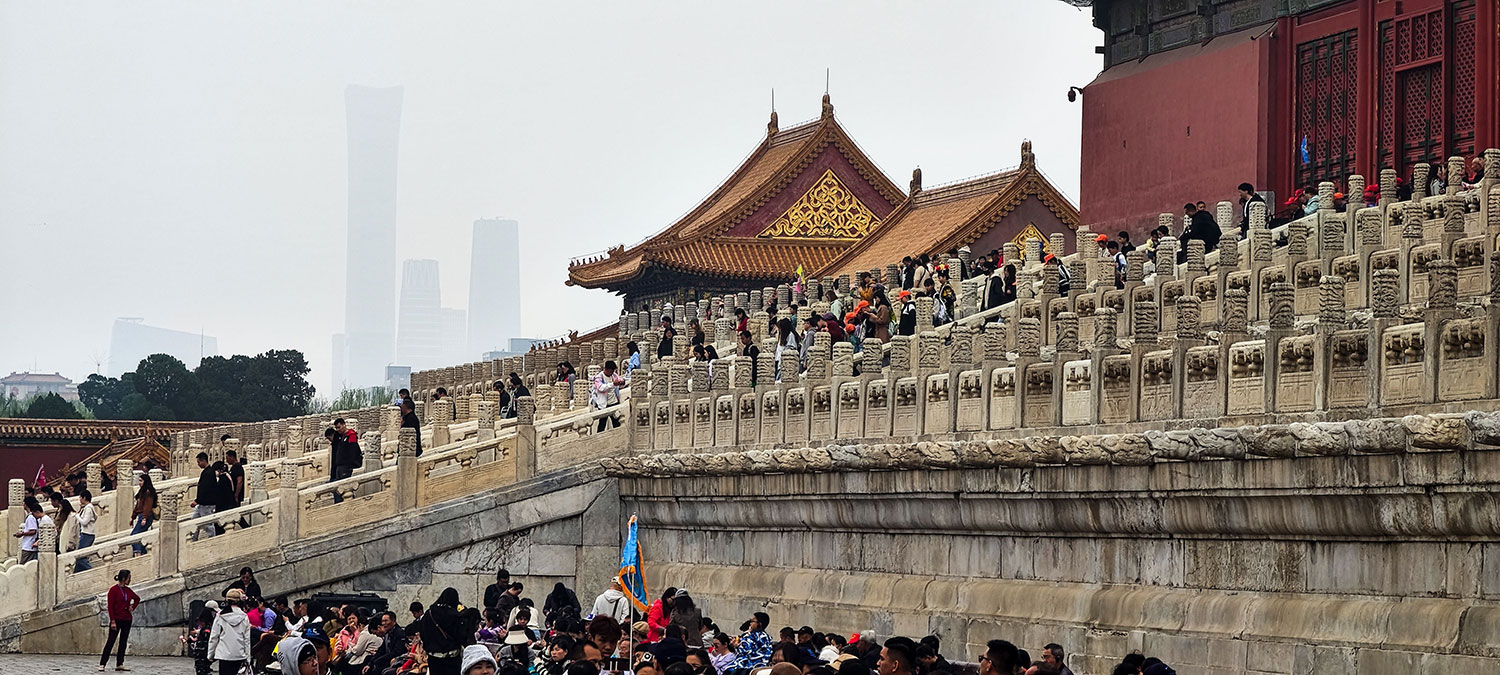
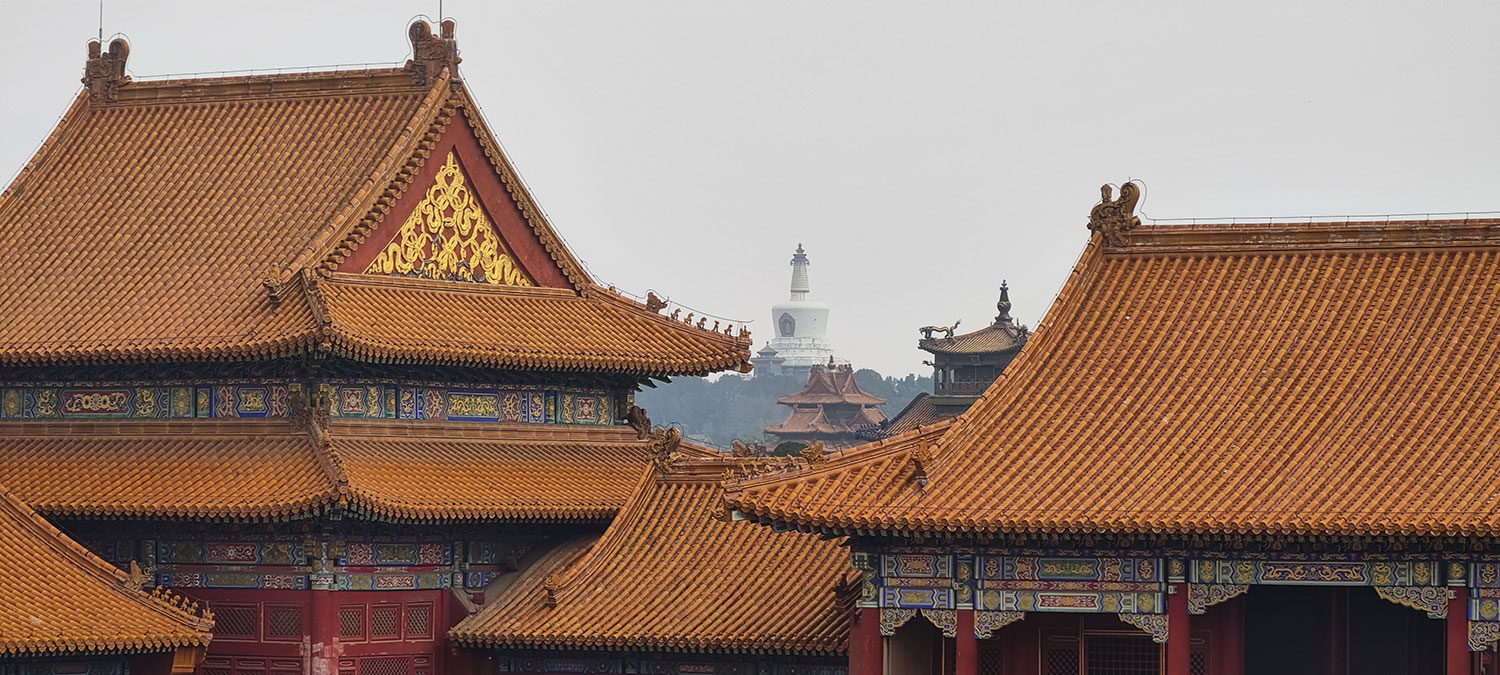
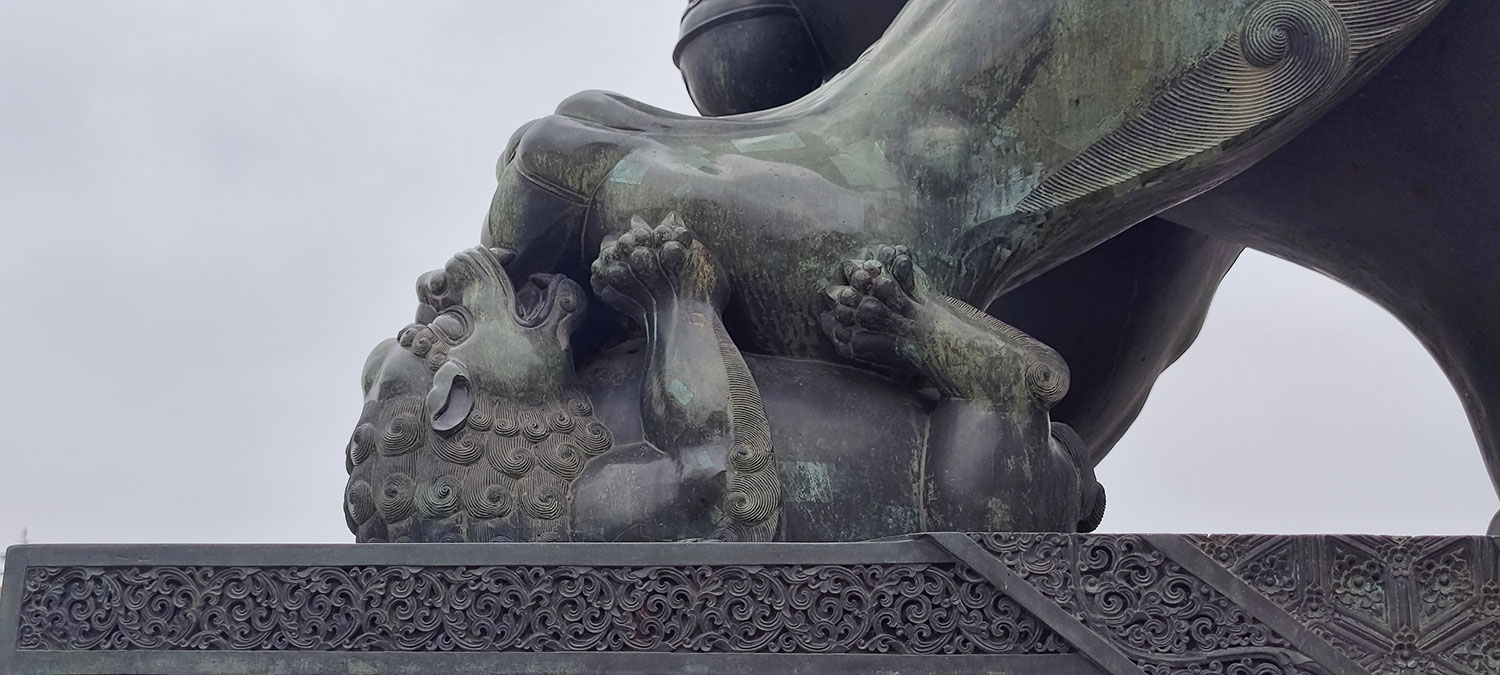
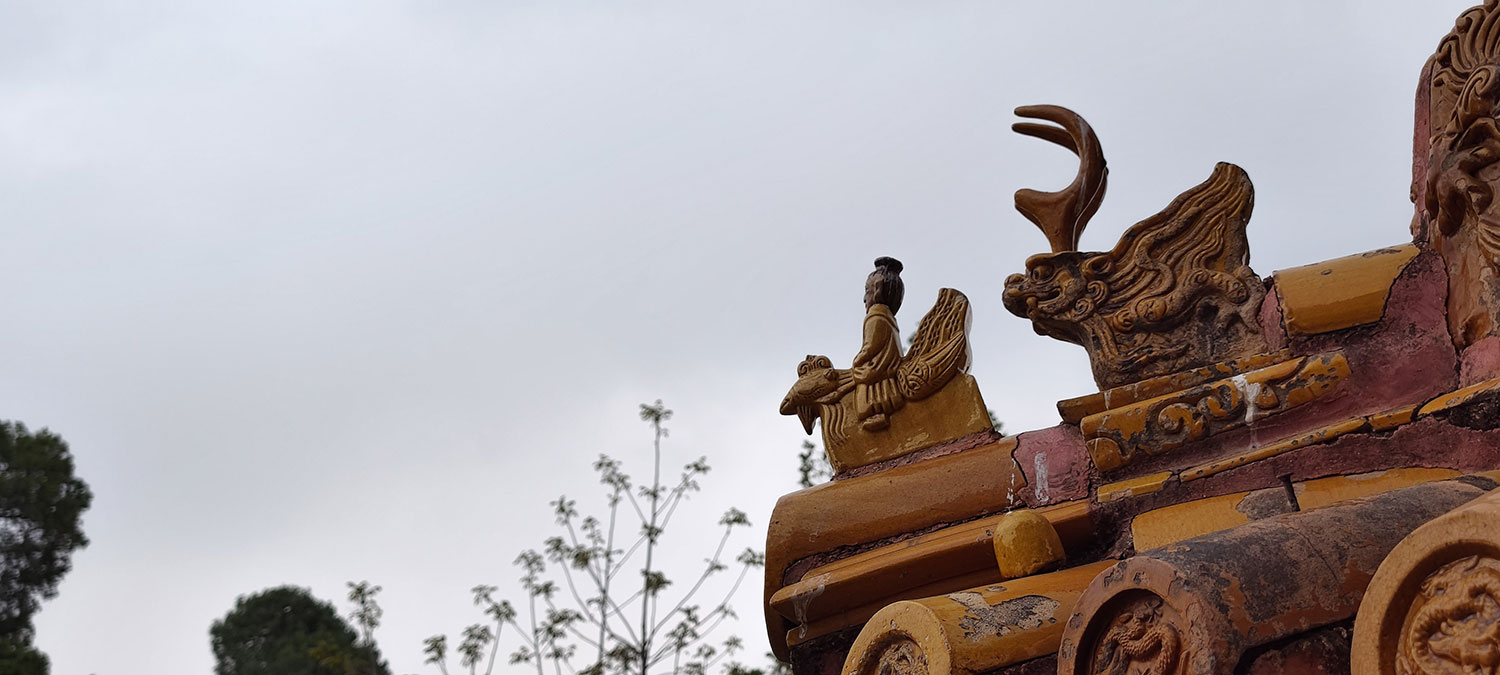
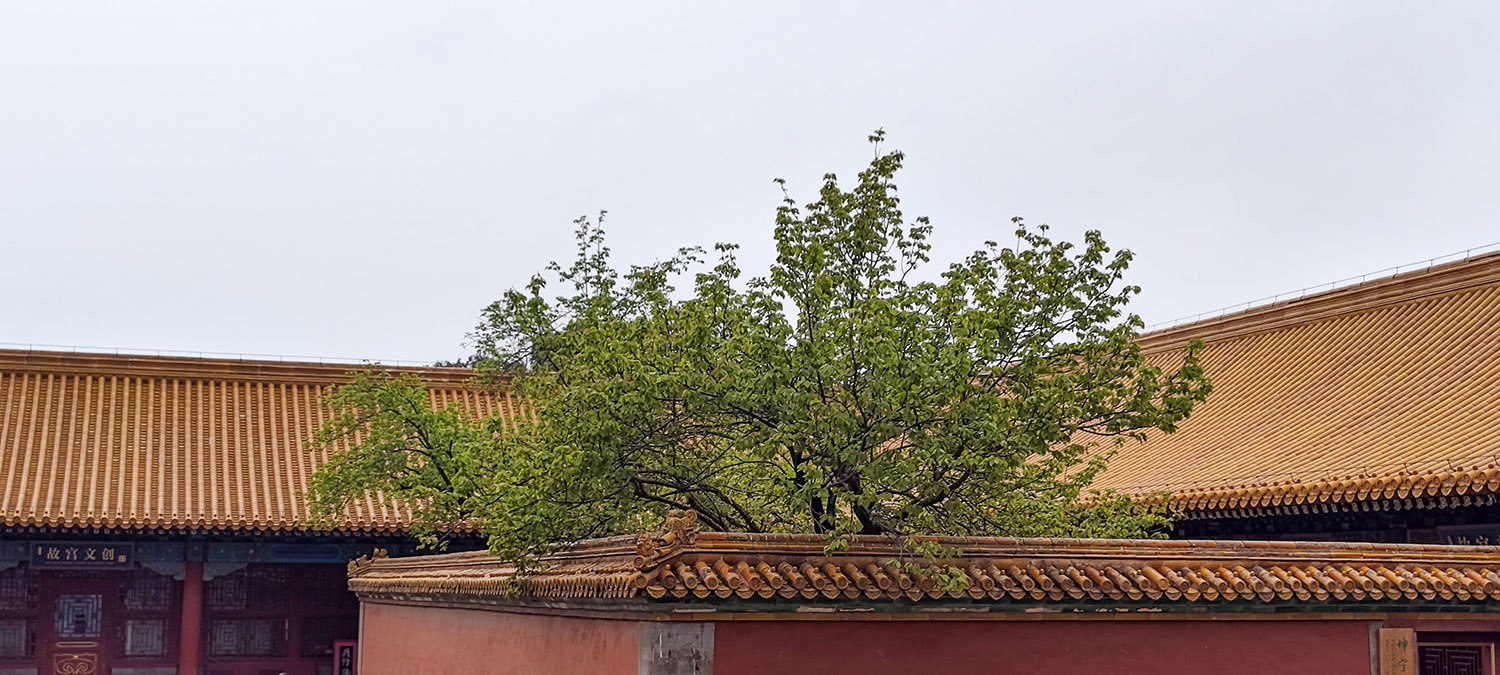
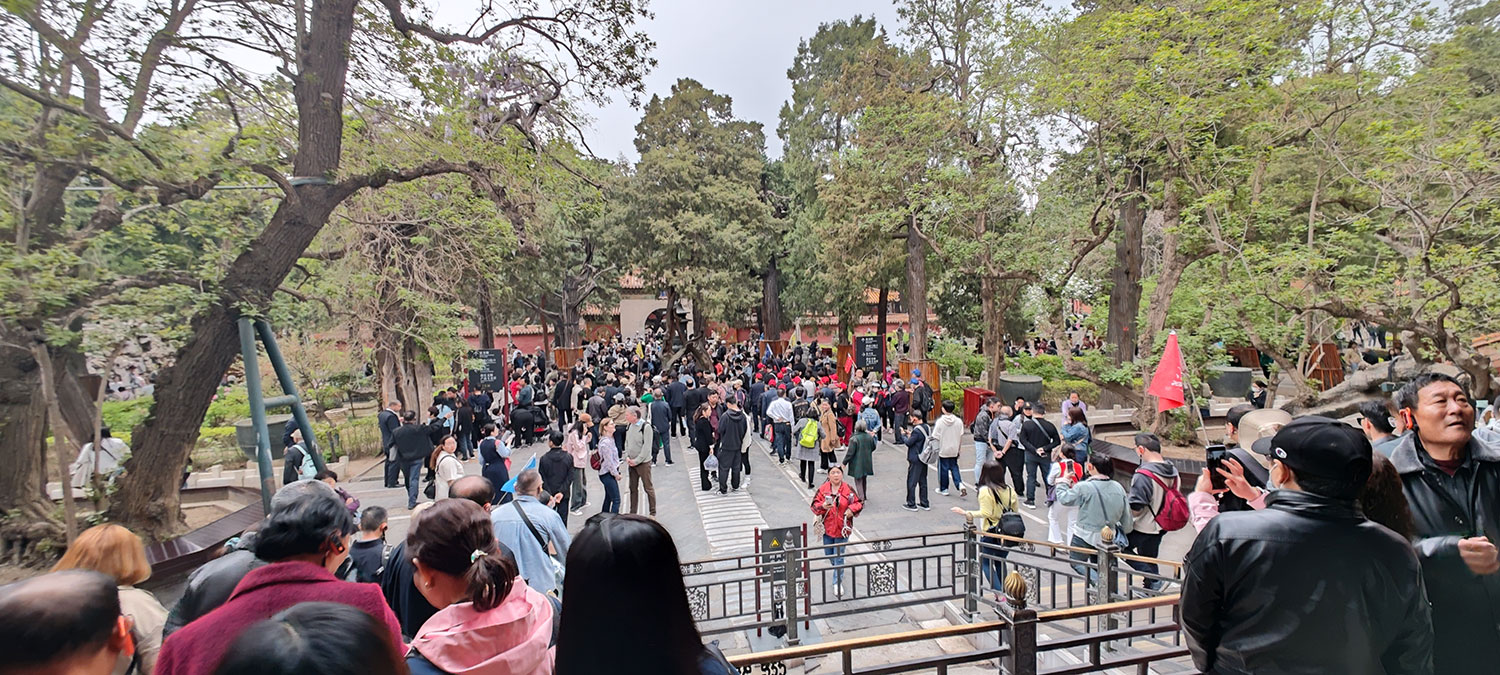
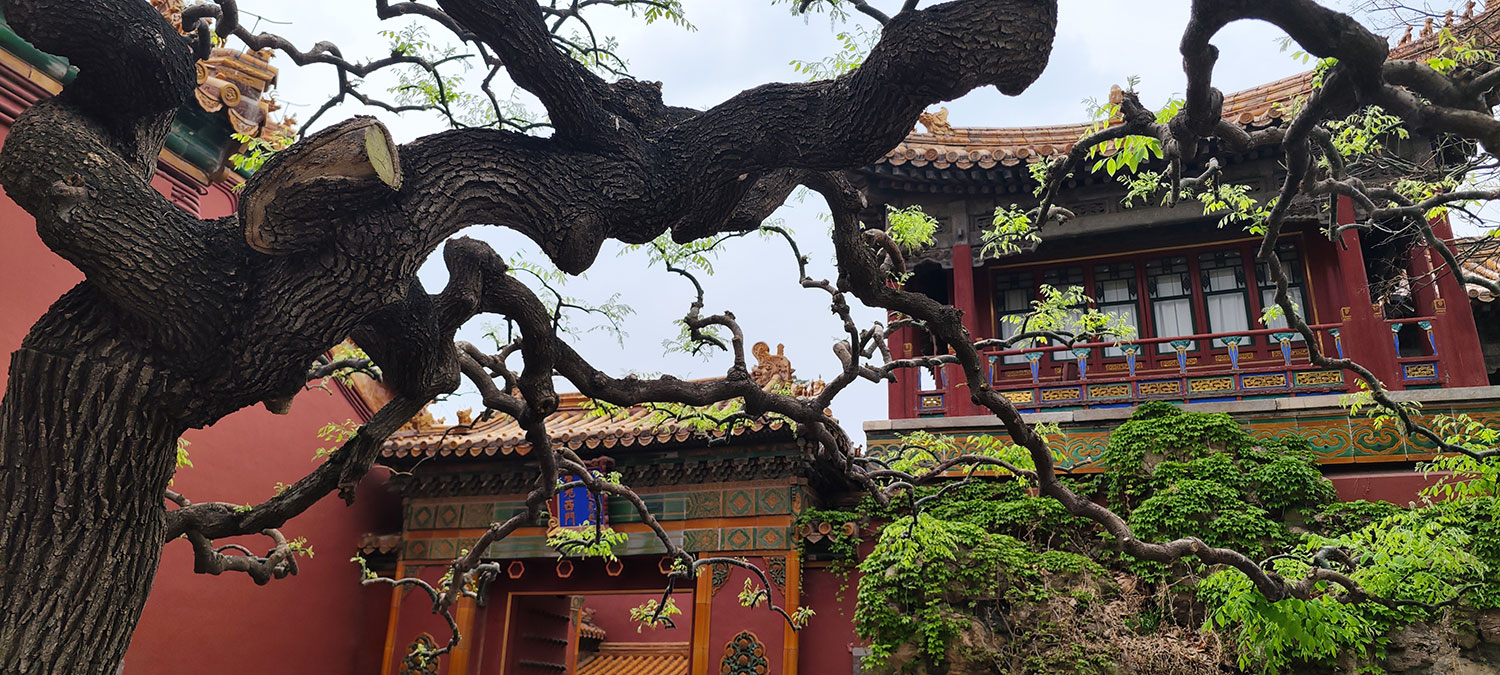
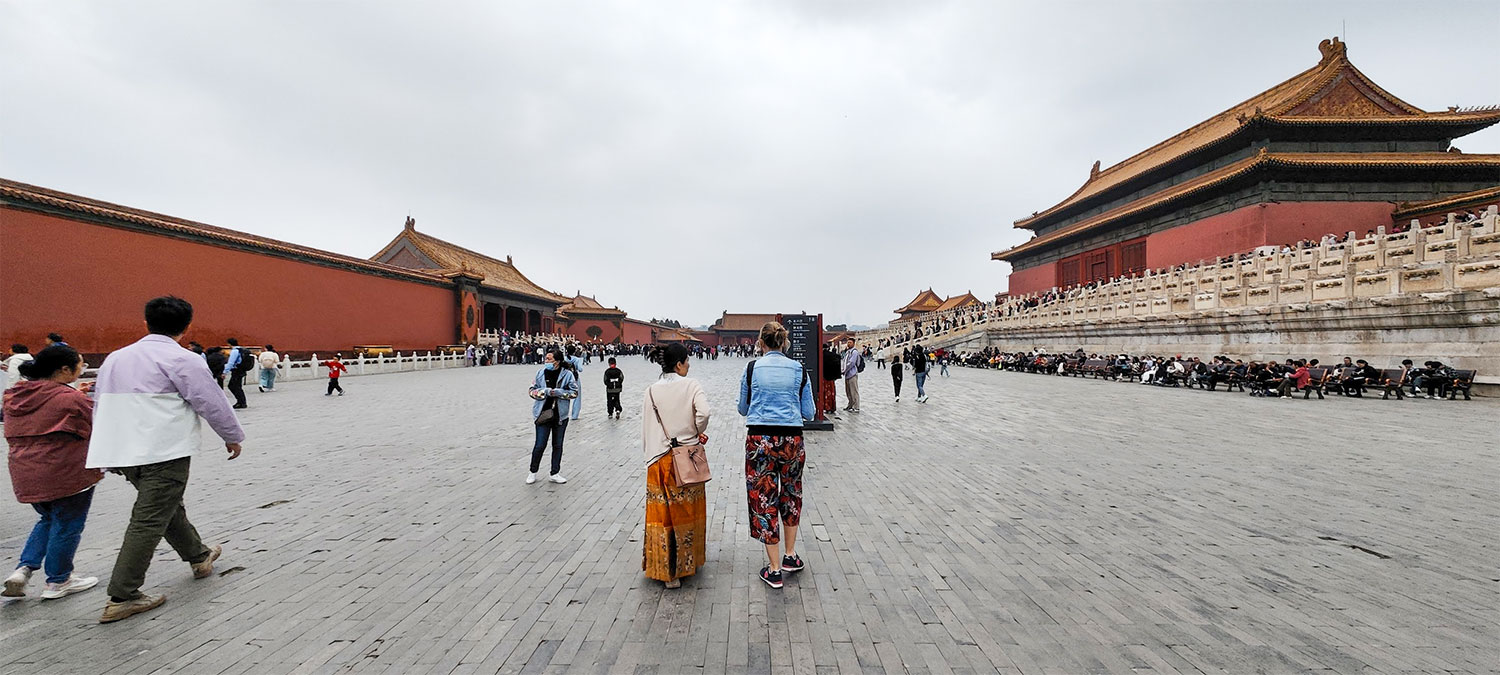
We’re in the Forbidden City, and everything means something. Nails on the door in rows of nine by nine, two lions at the gate, water wells, a phoenix and a dragon, marble slabs, numbers, hierarchy, symmetry, symbolism.
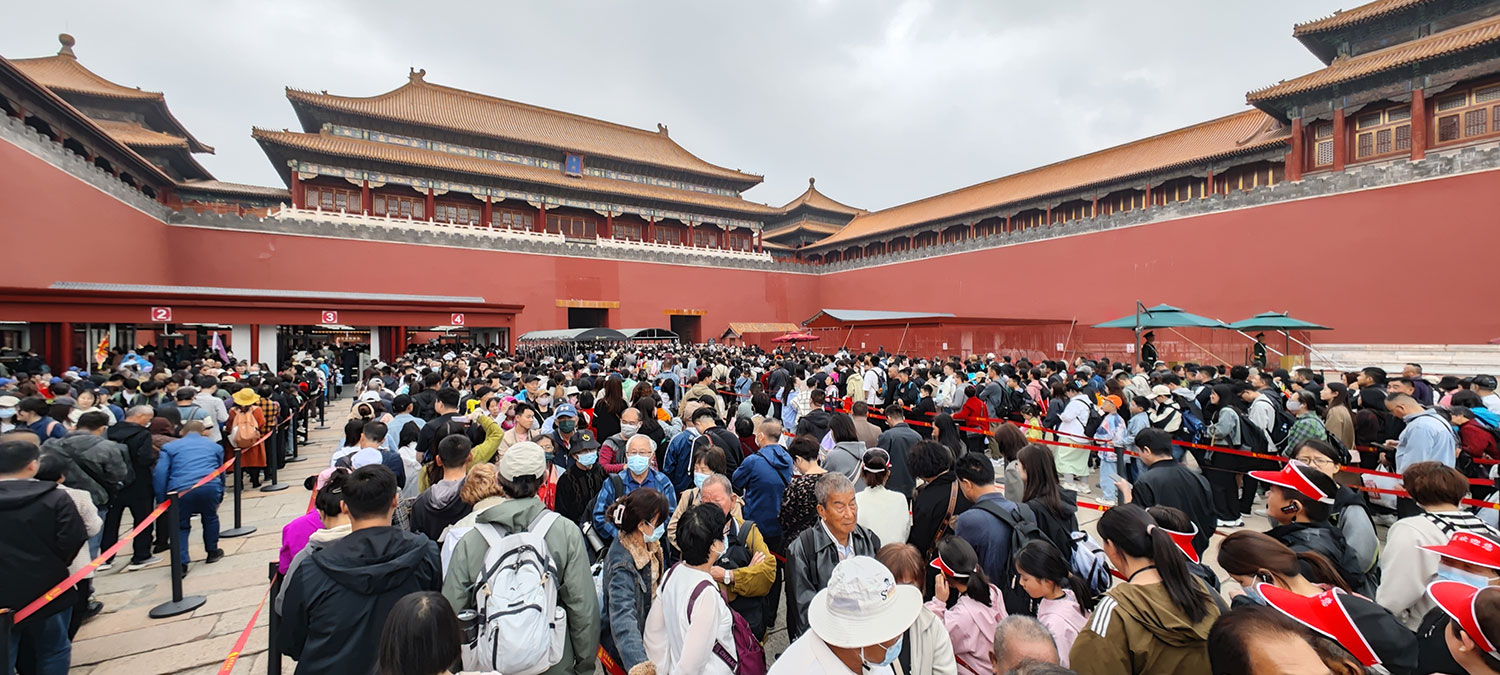
Getting in wasn’t easy. Each day only 40.000 tickets sell. We tried for Saturday, and the ticket sales opened 7 days before, at 20:00 — but despite us being ready with our thumbs, the servers were overloaded, before telling us all tickets had sold out. The next day we tried again, but also hired a scalper (黄牛) to help us. She did in the end land the tickets, while we did not — and sold them to us for a 20% extra fee.
We meet our guide Mia at the East Prosperity Gate (东华门) and walk to the Meridan Gate (午门), where we queue for the security and ticket check. I found Mia through Xiaohongshu (小红书), to get an English-speaking guide for my sister. The English tours I could find through Google were priced outrageously, nor did I have much faith in pre-covid websites still being up-to-date as well as able to get tickets. Nor did I really want a large group that requires everyone to use headphones. This way instead, I’m hoping, is more personal.
And Mia talks about everything, as we go from square to square. After two hours of endless info, our heads — like our feet — tire a bit. Concubines, the emperor from that dynasty and the other. Endless woodwork and squares and corridors.
I’m always most interested in stories about people. Trivia — no matter how dazzling — doesn’t make you feel, but stories do. And it’s true. The best part about my second time in the Forbidden City has been Mia herself. She’s from Henan, but has also lived in the US, Australia, Singapore, and has traveled to Egypt. My sister shows photos her photos of her kids, as well as the Dutch landscape, while Mia talks about her father who plays erhu (二胡), and her mom who likes her hometown best. Tourism is often bland because it’s far removed from daily life, and tourists never get to interact with any locals. But we’re here in the Forbidden City, and we’ve not just found a guide, but also a friend.