Learning Mandarin is often described as something deeply cultural or spiritual. Yes, it’s interesting that the character for home/family (家) originates from a pig underneath a roof, because livestock used to be in every home, or that 目 (eye) coupled the water radical becomes 泪 (tear). But it’s pure trivia, just as interesting as that Norway is closer to Canada than it is to Spain. It is interesting alright. But it’s not spiritual.
Neither does it much to me that Mandarin is complex, different, and thousands of years old. It’s like standing in front of a beautiful valley at sunset, and urging yourself to feel some deep human truth in yourself — clarity on the meaning of life — yet this truth never dawns. The difficulty of an adult learning Mandarin is the beauty of the valley, giving urge to a deeper meaning that’s not really there.
Maybe it’s the Eastern part that appeals to foreigners, like Ikigai and Otaku — words that simply sound profound because they’re Japanese. The same way that Marie Kondo folding T-shirts is spiritual.
If there’s any spiritualness to learning Mandarin, it’s in the conversations you can have. The words themselves are just the canvas on which meaning is painted. And yes, these can spiritual. You step outside your language bubble and are able to connect with someone who grew up in a totally different environment than you. And there’s no other way to do that than through language.
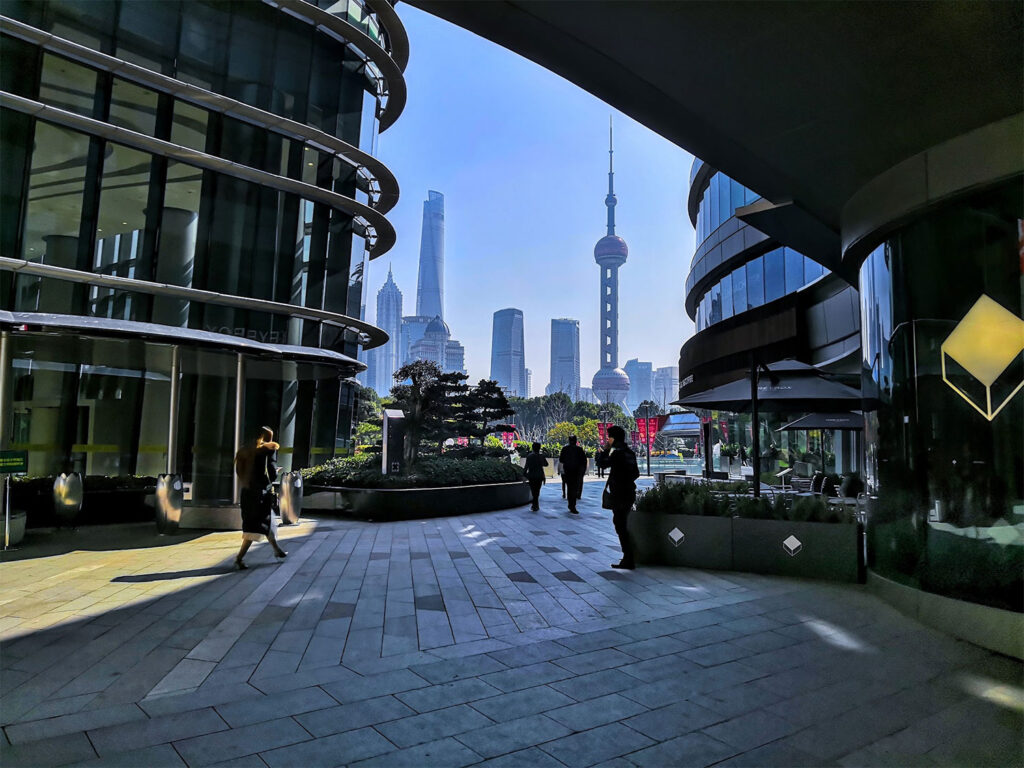
Xiaoli talking about being far away from his hometown, or playing badminton with Shadow. These bonds run deeper than the complexity of our vocabulary would suggest. To be able to break down the language barrier with all twenty-four million Shanghainese, that is spiritual, because instead of being an outsider, it makes me part of them — belong here. How can someone be a fellow citizen, if I can’t communicate with them? How could I ever feel that way?
Learning Mandarin opens these doors. The physical and metaphorical ones. If there’s any reason to learn a language, and if there’s anything spiritual about it, then it’s this function.