Growing up in the Netherlands, it’s not immediately obvious (even to myself) that the history of the United States is also partly mine, but through TV series and movies — as well as the news — it’s also a country I lived in and grew up in.
And unlike presidential elections or the September 11th attacks, I don’t remember Columbine happening, as I was just eight years old at that time. Yet I’ve read about the shooting many times afterwards, not just the event itself but also the permanent scar it left on American society, how it destroyed the idea that places like schools are inherently safe, and how it started the debate of its causes — a debate that never really ended.
Over the last few weeks, I revisited the event by reading Sue Klebold’s A Mother’s Reckoning, her account of raising the son who became one of the two shooters, and I rewatched Gus Van Sant’s Elephant. (And Michael Moore’s Bowling for Columbine, although it’s not really about this event, and I also feel Moore is more of a populist, and it shows.)
Klebold’s book is by no means an objective account, but rather the journey of her making sense of what happened with (and by) her teenage son. It’s a rare and personal account of such an event, and I kept returning to the opening chapter — the phone call and how events unravelled from there. What I dislike is how so many pages tell us how good a parent she was, and how “Dylan good, Eric bad”. Yet I don’t think she could have written this in any other way. With her 300-ish pages, she does succeed in turning the perpetrators (at least Dylan, Eric not so much) from a simplistic ‘monster’ into a human being for whom we can feel empathy and grieve. It’s so sad to read about Dylan’s upbringing as a bright and happy child (especially relatable as I’m writing this a young parent now), and know how the story would end. And it also shows why Columbine is so deeply disturbing, because this was not some supernatural event, nor because Dylan had always been an evil person — even if that is an easier explanation. The message is that we can hear people’s words and see their actions, but we can never be sure what goes on inside their minds.
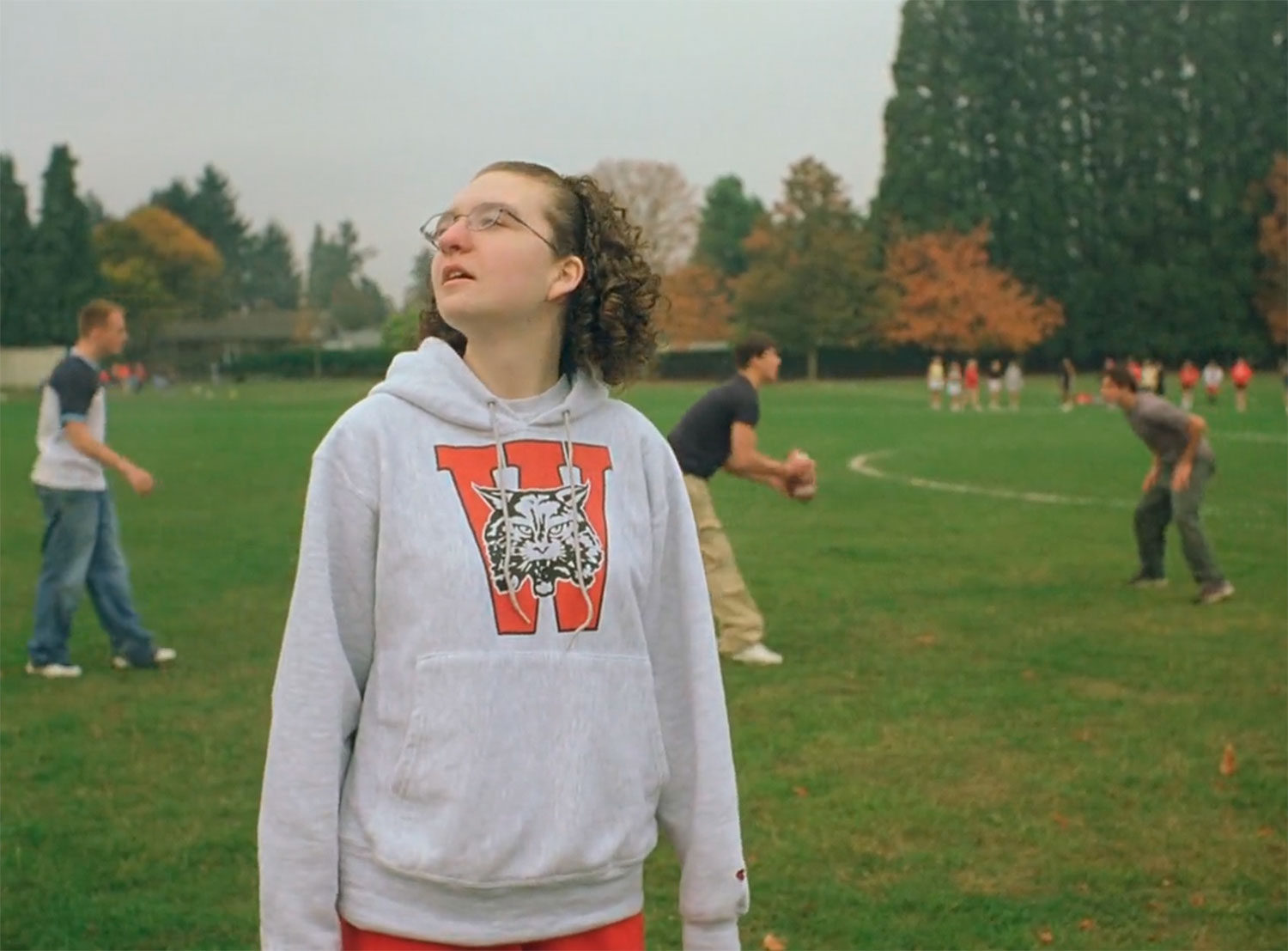
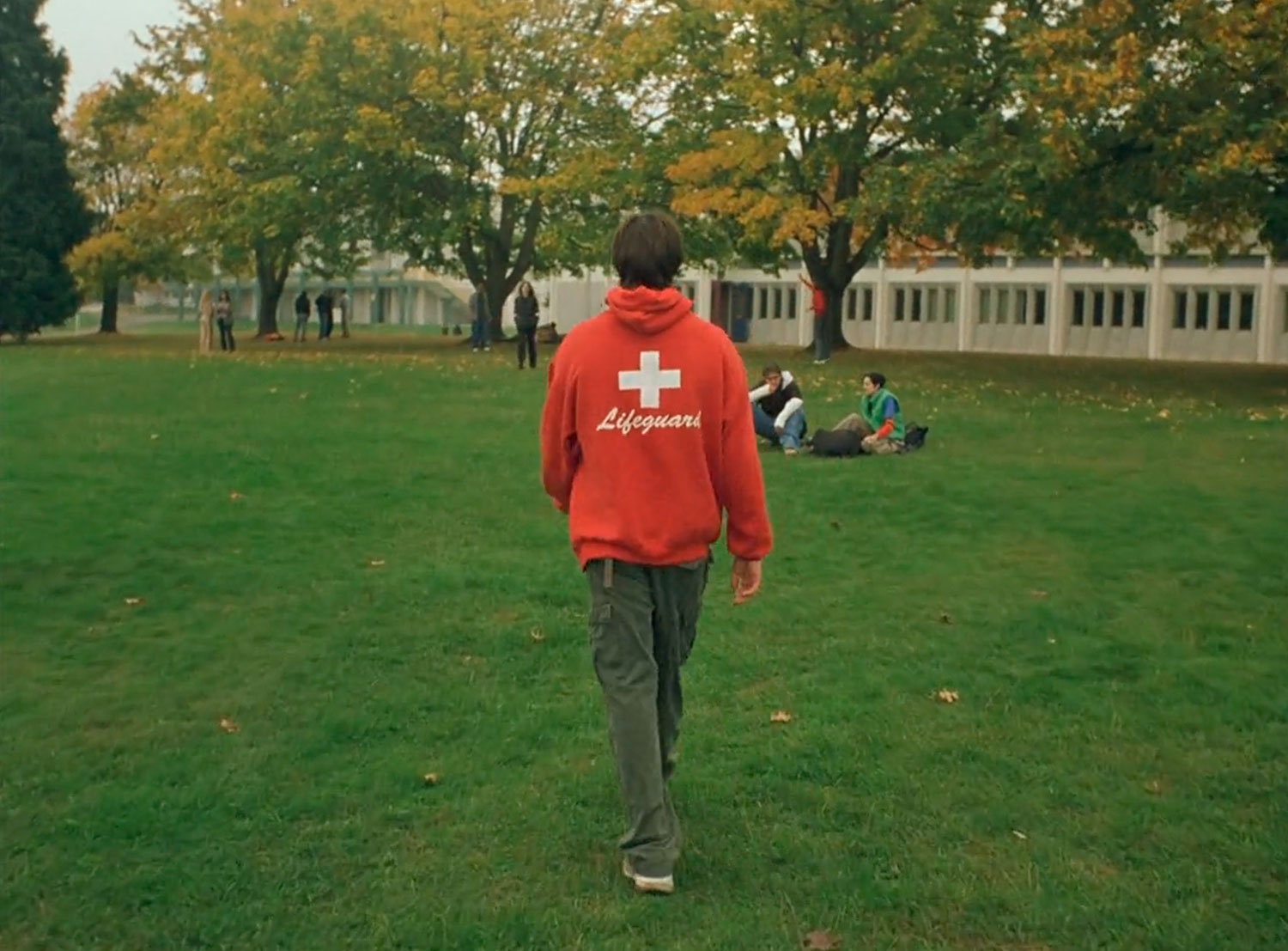
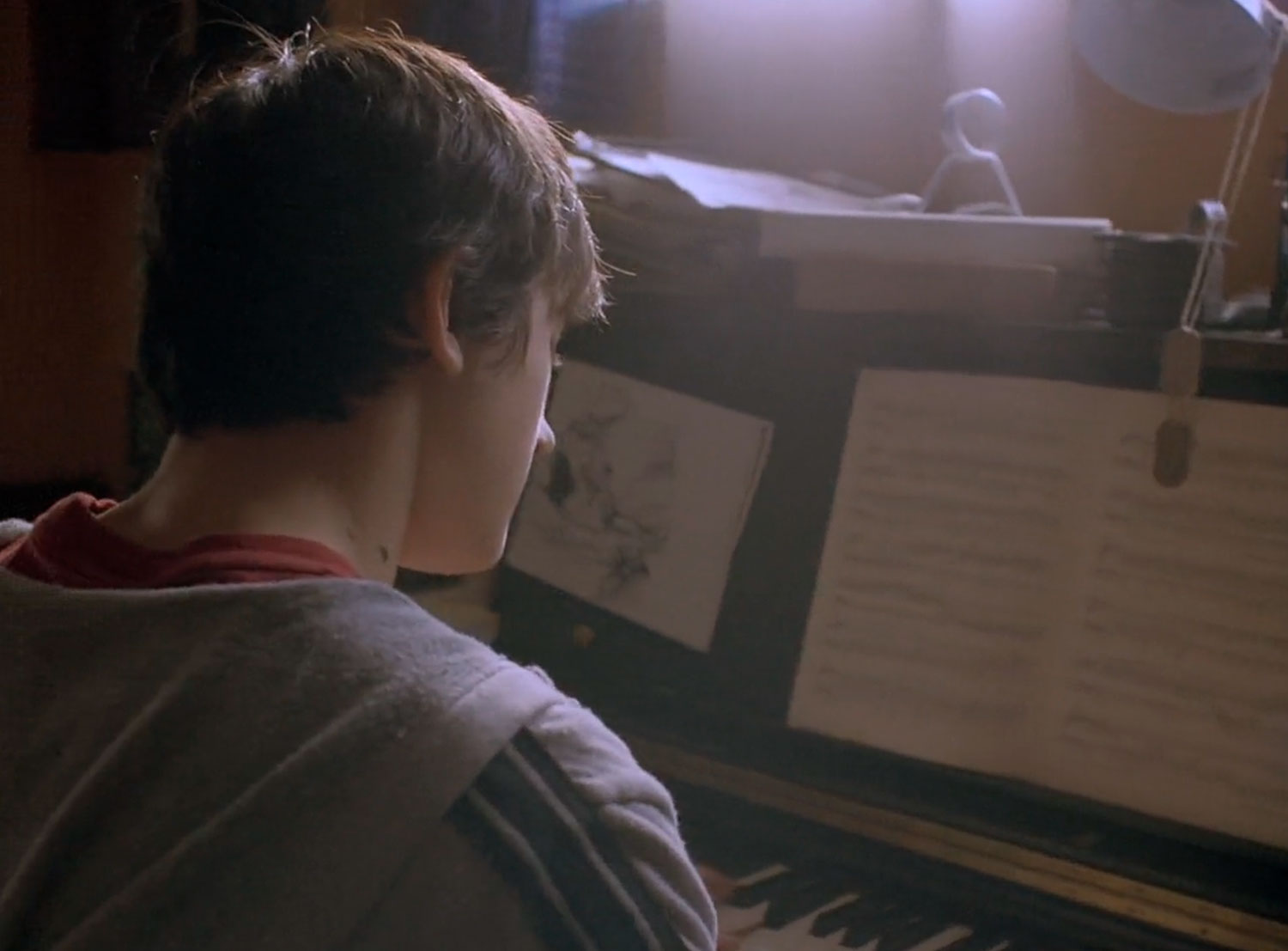
Elephant works with the same ingredients, yet it’s very different. It observes ordinary teenagers during their daily rituals. It’s painstakingly slow, there’s no explicit storyline, no revealing ephiphany, no grand reason, and it doesn’t explain anything — but that’s exactly the point the film wants to make. It provides social commentary about senseless violence nobody saw coming, about normal people who died for nothing.
The book and film aren’t just about the United States, but also bring me back to a world before smartphones, and in part, my own teenage years. I’m reminded of my own high school, its long hallways, the classrooms and teachers, the classmates, and the homework I never wanted to do. I was never bullied, yet neither among the most popular kids in class — but that was fine with me as I would always rather do my own thing. And I see some behind it on these pages and shots. That, maybe, is the point. These victims are like the people we once were. And each day we get is one that was never offered to them. Each day, this injustice only increases. For this, there is no closure.