Ground zero. My mind can barely comprehend the human chain that is covid-19, that droplets from mouths right here have spread to bodies all around the world within 12 months. I’m at the Huanan Seafood Market in Wuhan, which feels like being at ground zero in Hiroshima, or the former site of the Twin towers, history tracing back to a physical spot.

All entries of the market have been closed, and all name signs removed except the parking sign. Xīnhuá Road is quiet, normal even — and life is back in Wuhan as covid-19 echoes across the world outside.

And yet covid-19 is part of every conversation. The taxi driver talks about a family locked inside the market when it was locked shut: “I don’t know how they survived for over a month.” Then he talks about two famous doctors from Wuhan: “They were the first to say that covid-19 was contagious from human to human, and those doctors also advised the government to close Wuhan, so that nobody could enter or leave the city for over 10 weeks. You know what, now those doctors are revered by the people here. They did what was necessary.” And then the driver turns around: “Now Wuhan is the safest place in China. Look, I’m not even wearing a facemask.”

The next taxi driver kinda tells the same story, talking about how bad the situation is in the United States and India. He explains that tourism took a big hit in Wuhan, and all tourist attractions have been made free to attract more travelers. When I ask him if on the way to the museum we can stop to see the Huanan market, he laughs: “We can go there, but it’s closed you know?”
But I want to see it. Not only has it been the most significant place in the past 12 months of human history, I also want to close that chapter. Wuhan has been the city of fear and hazmat suits. Now I want it to show me what else it has got.


Wuhan is much more than just that
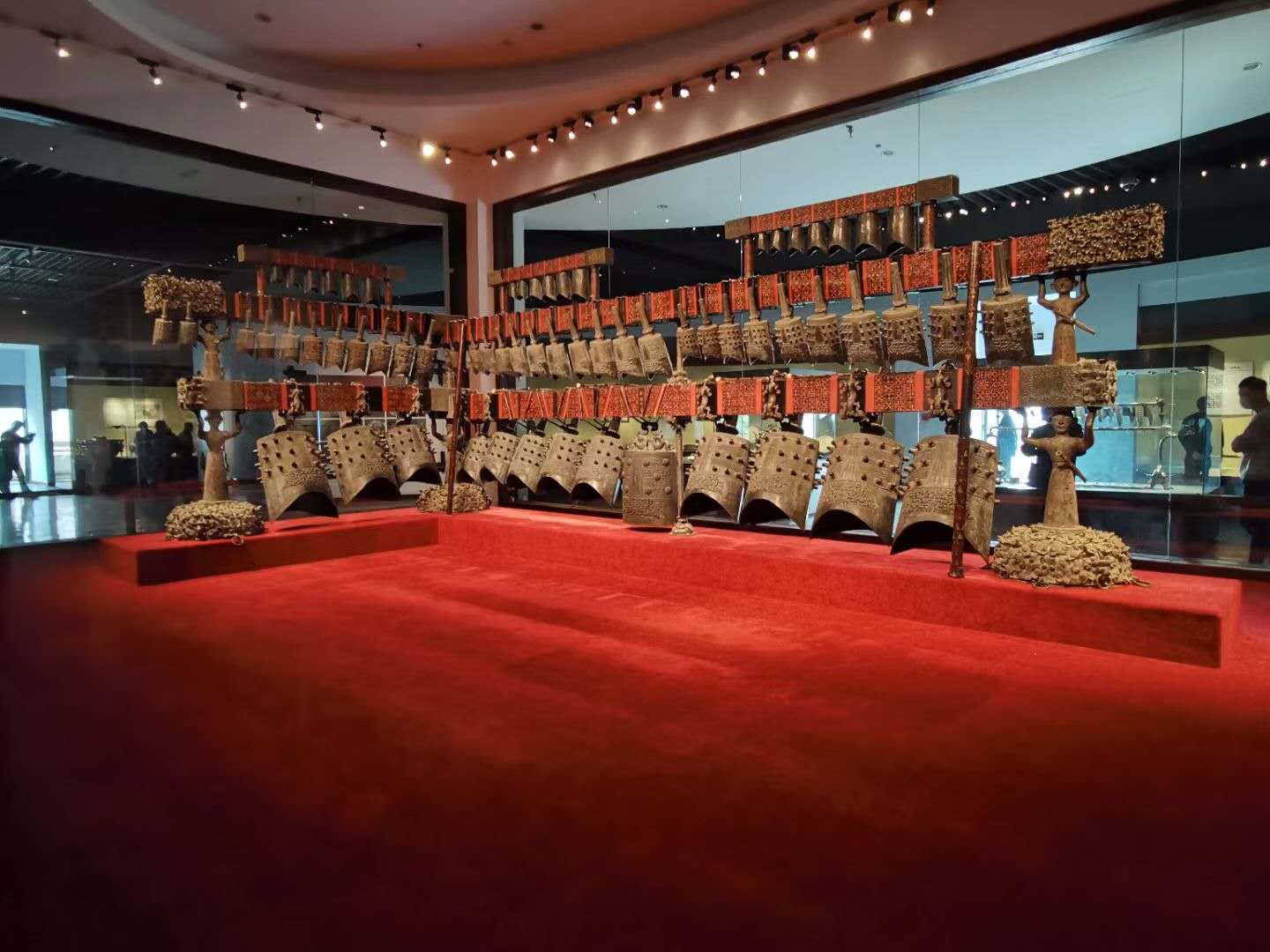
But after a week in the city and eating the local dishes, visiting places, Wuhan is no longer the city of fear and hazmat suits. Thank you Wuhan, you’re historic artifacts, eating food together on the street. You’re live music in the park, you’re part of the Yangtze and the Yangtze is part of you. You’re elder people square-dancing in the park, you’re Nike and Adidas stores just like any other big city in China. You’re a beautiful university and far grasslands. Of ponds and pagodas. You’re hot dry noodles and pan-fried rice. You’re a city on your own terms again.