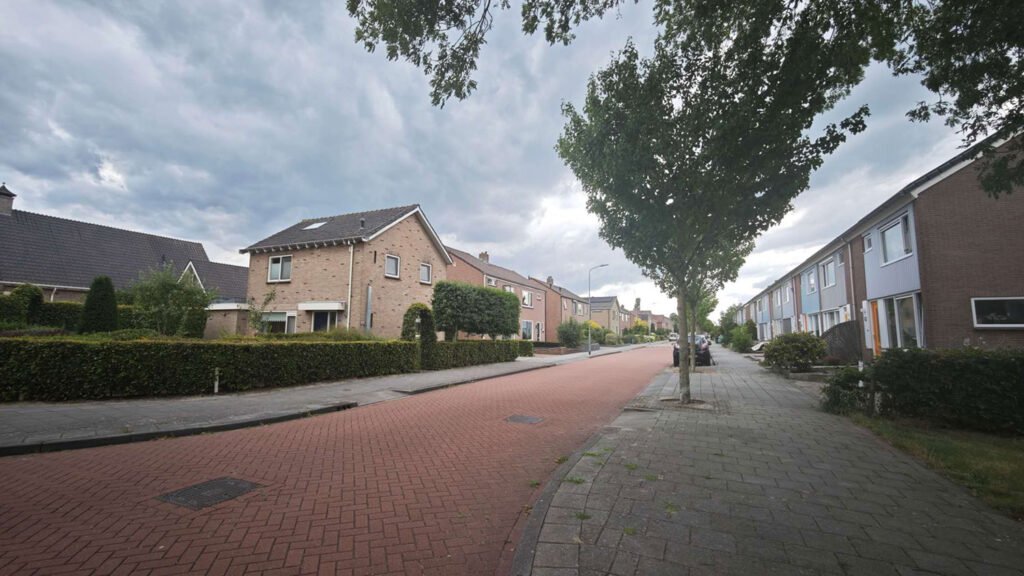
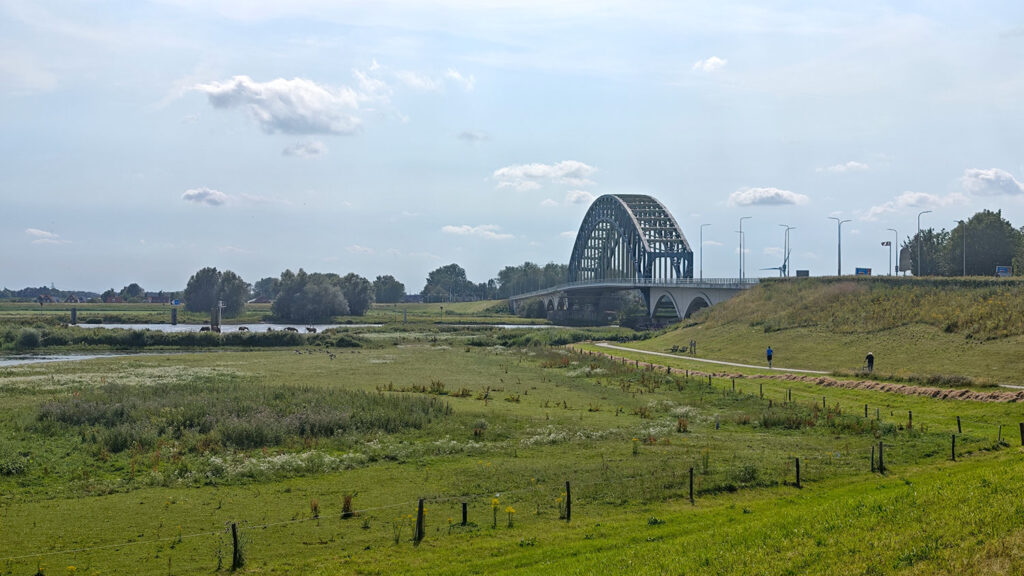
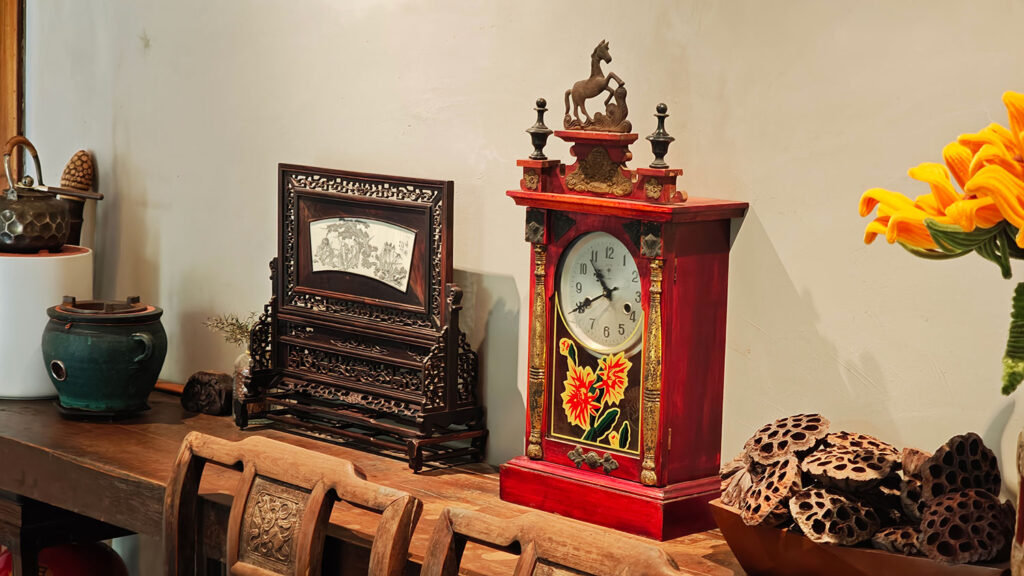
It’s a Saturday morning, and we’re in a taxi on the way to the airport. My clothes cling to my body and already reek of sweat, and that’s even before our 12-hour flight has started. Today I woke up at 5:30 to get up early and throw away the last furniture and items we used one final time: shampoo bottles, towels, pans, eggs, a potato peeler, a cutting board, and Hasse’s bathtub.
These past few days, I’ve spoken so much with the shushu who manages the garbage sorting in our xiaoqu. I’ve brought him dozens of boxes — all with good stuff turned to trash because we can only take with us so much. This morning I carried the last box, and we shook hands: “Come back and visit in the future” (过来玩), he says — but I know I’ll never be in this xiaoqu again.
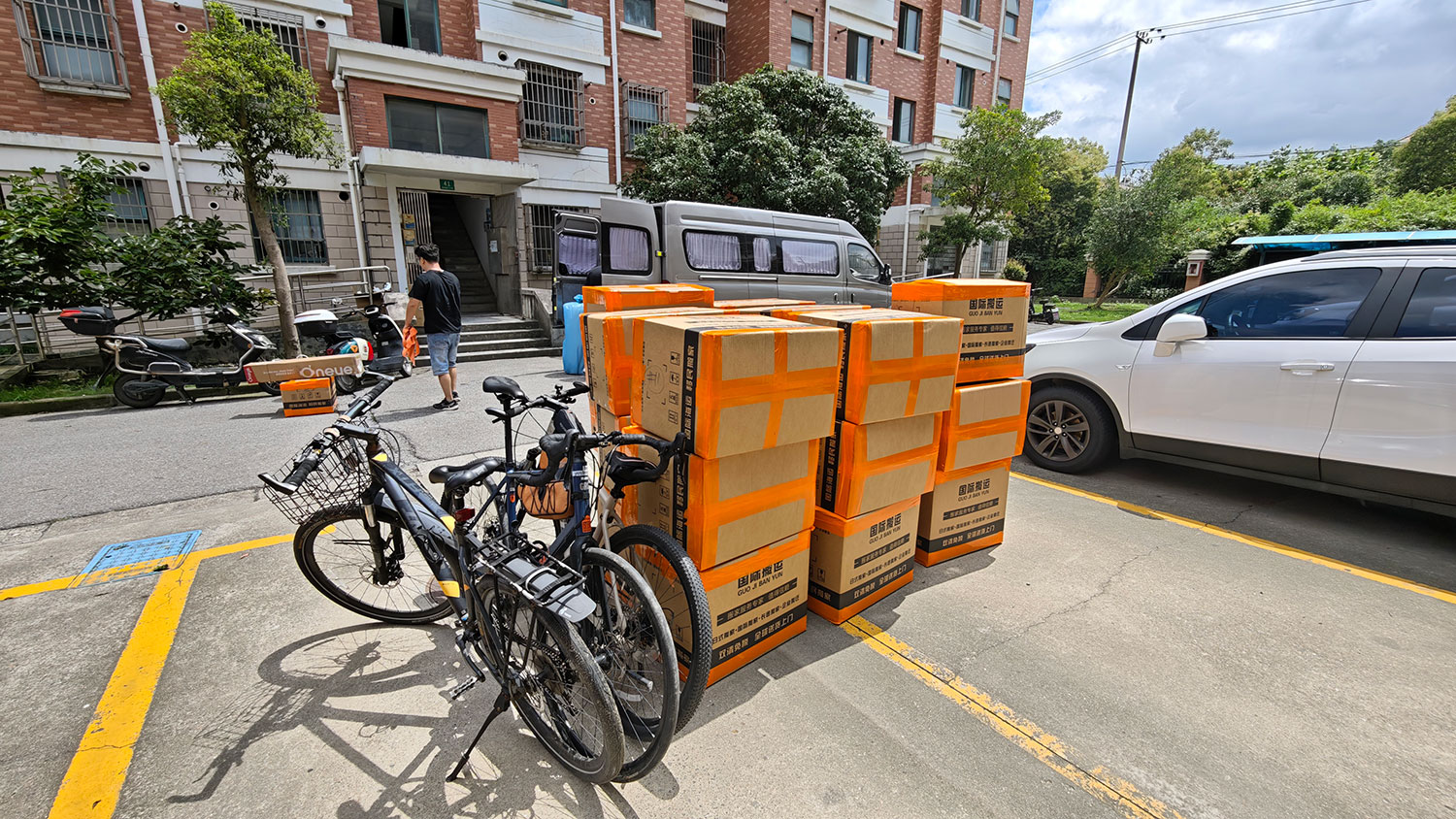
In our own household, we also had to do sorting, and after several rounds of discussing (and squabbling), we were left with 30 boxes of clothes, books, and electric appliances — that are now on the way by sea transport. We then closed the door on our apartment, sent the passcode to the housing management, and left for our final flight as Shanghai residents.
On the way to the airport, I’m putting all the Chinese apps into a folder as I won’t use them anymore: I won’t need taxis, maps, renting, grocery delivery, or other shopping apps, nor hotels or railway tickets. And I’m looking at these buildings we leave behind. This was 8 years of living in China — a period so long that Shanghai felt like home, and that moving to the Netherlands now feels like moving abroad. Yet it still feels too short. I haven’t seen it all, I haven’t seen enough, and I mourn the life I leave behind here. Three jobs, hundreds of people met, friends made, places visited, thousands of notes and photos, towers of paperwork for visas and permits, and a language learned by a thousand hours spent in classrooms. I adapted to the way of life here, overcoming the ‘nothing to be done’ (没办法) attitude.
I know now there are so many feelings to distill and unpack, and that’s fine — it’ll take time. But in the taxi, for this final time as a Shanghai resident, what I feel is too tangled to name yet.
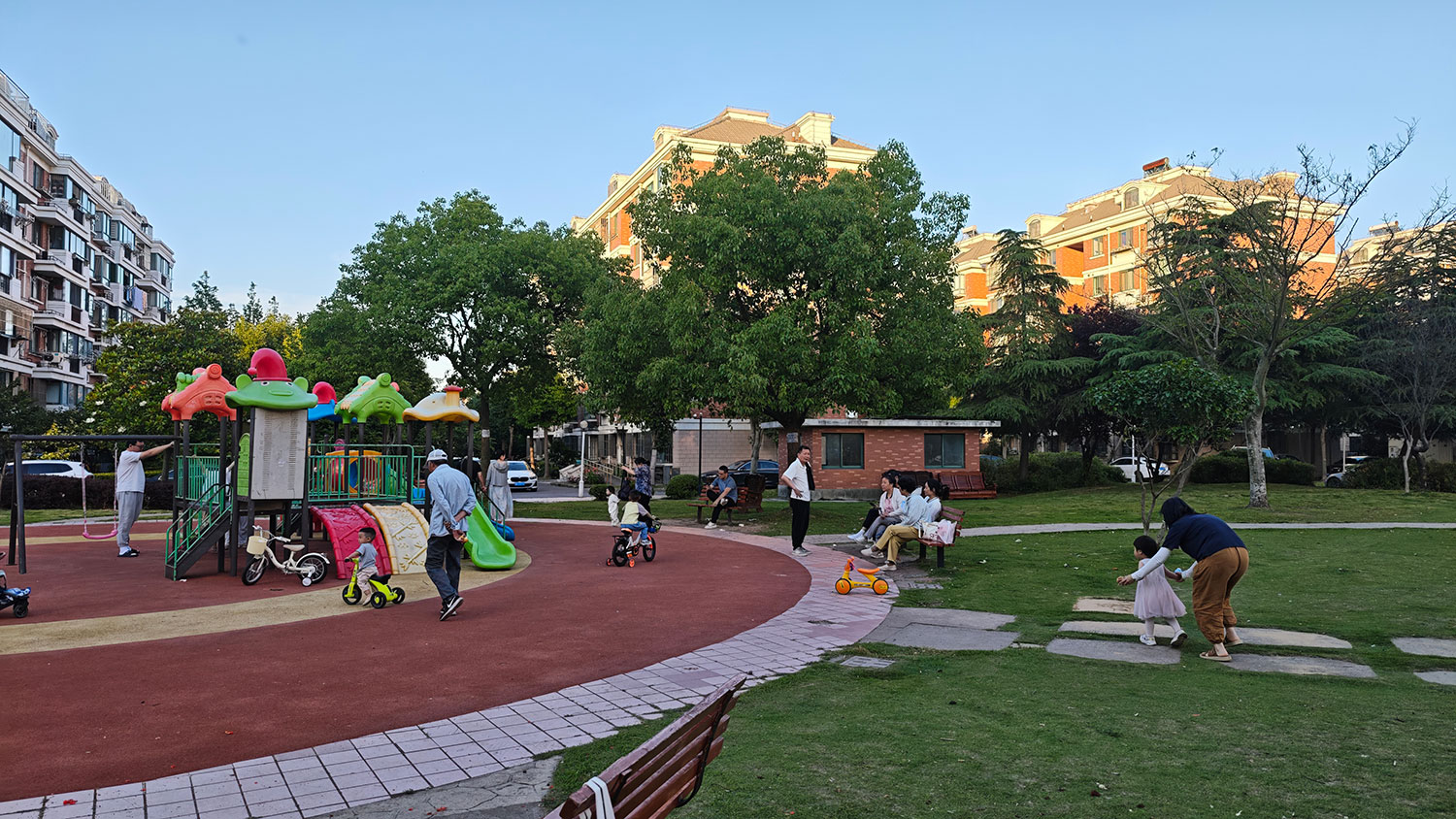
A few weeks ago, we were at the playground in our xiaoqu. Hasse sat in the bucket swing, watching the other children, who watched her back. They were curious about me, about Hasse. Their parents chatted with me, asked about Europe, mentioned how Hasse looked different, while Hasse touched the hand of a little girl she’d just met. I was moved, because I knew we were leaving soon — and that these children, just now meeting each other, would diverge from this moment on and never see each other again.
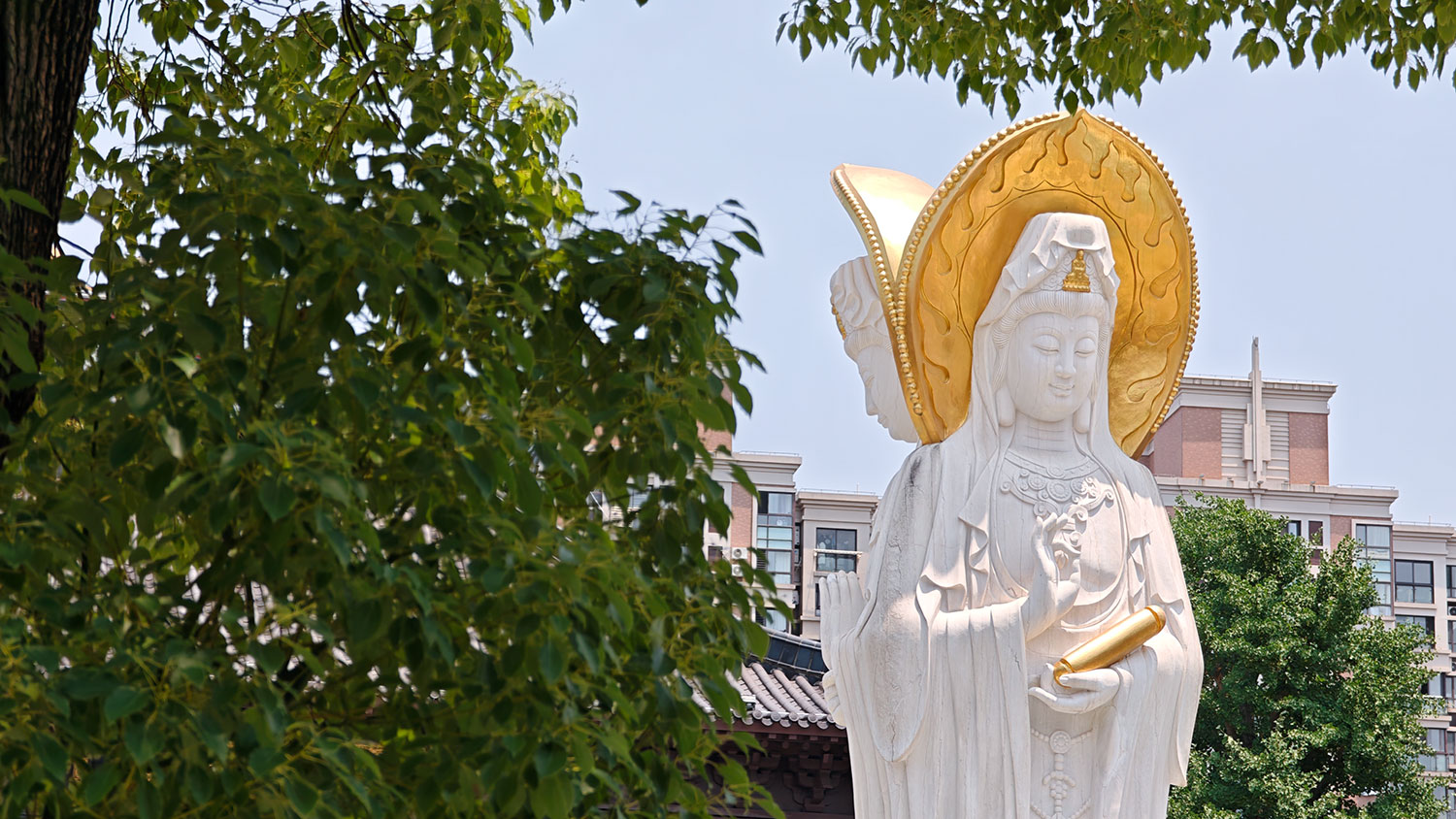
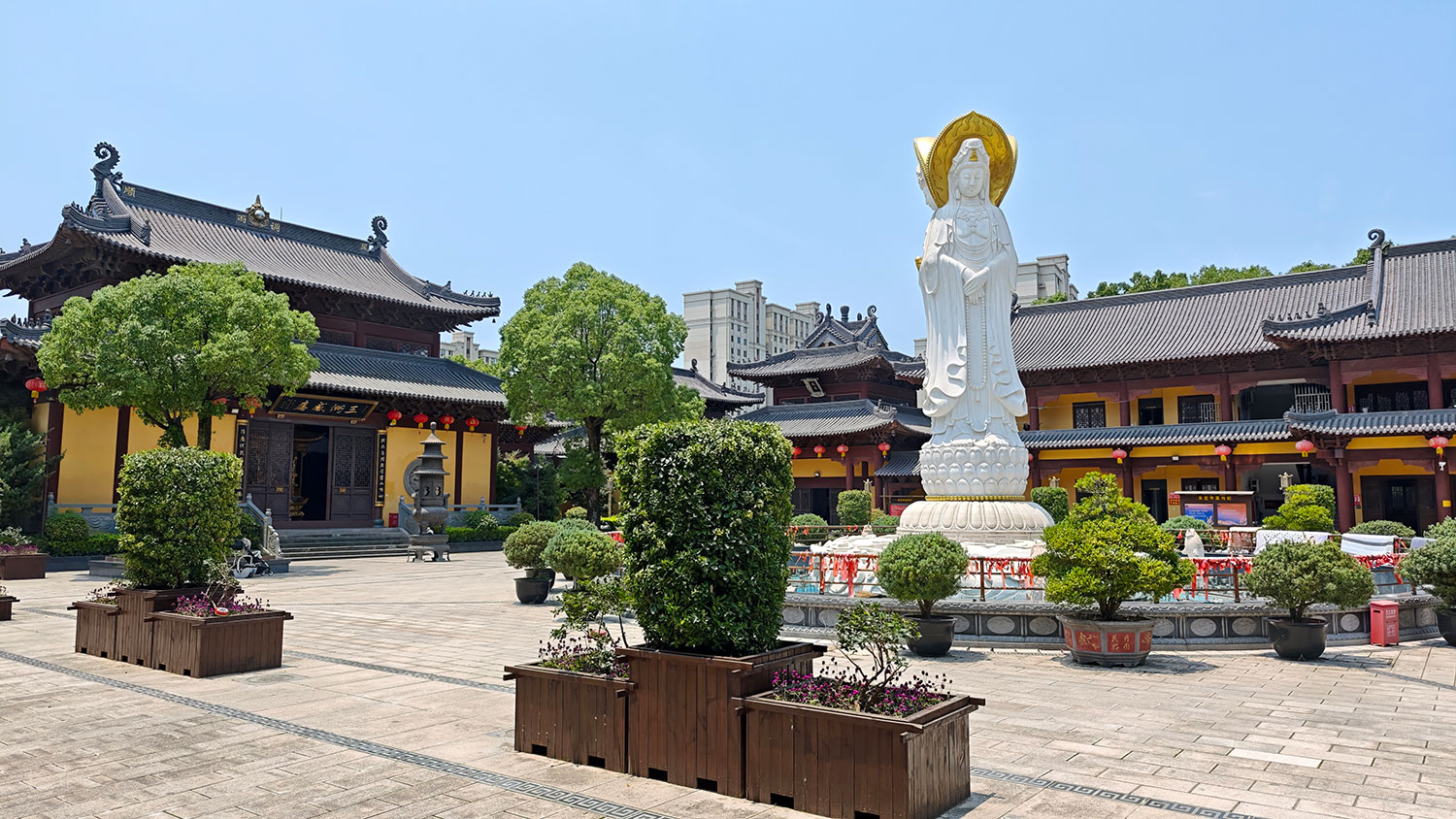
I don’t think I believe in God (or gods), but the day before we leave, we make one final trip to Guanyin. Years ago — in 2021 — we visited her at Putuoshan (普陀山), where a huge statue of her looks out over the East China Sea. We went with unspoken wishes; I didn’t ask Eva what hers was, though I knew. And this time we’ve come to ‘return the wish’, as Chinese custom has it. Our car has already been sold, so instead of the island we visit her closer to home, at the Yongding Temple(永定寺) in Zhoupu (周浦), which has the biggest Guanyin statue in all of Shanghai.
Inside the temple is a square courtyard made to feel circular, and we walk around the statue, seeing each of her three faces that stand tall before us. It’s also quiet inside the temple, and for me it also feels like a way to close my time in China. I hadn’t made my peace with leaving, not really — but standing here, I find that I am okay with it.
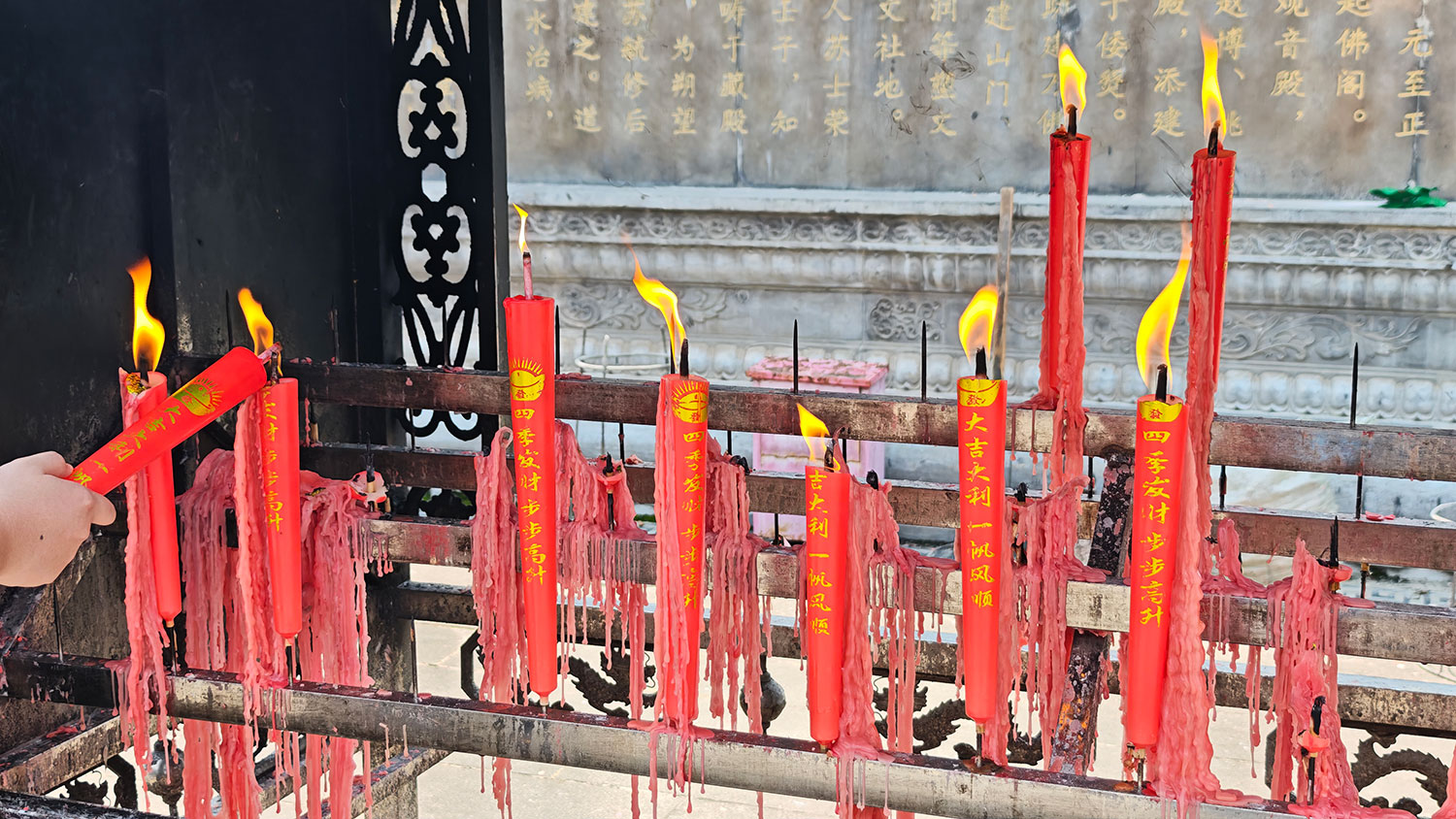
Years ago, when I had just started learning Mandarin, I lived in an apartment building with lots of stairs, and a neighbour fell down on the concrete floor, her head bleeding as she passed out. With the few words I knew, I called an ambulance, which arrived about five minutes later, as I guided the workers to where she lay — and after the hospital visit she fully recovered. In all these years, I’ve taught students, had hundreds of conversations, and I’ve donated blood that now flows through a Chinese person. And at the temple here, I light a candle with the burning candle a person before has placed here. This is the real meaning of karma (literally: the things you do). And part of me will stay in China, as my actions echo. I live my life, as Rilke once wrote, in widening circles.
Standing here, it’s as if the expression on Guanyin’s face has shifted. What once looked like closed eyes and a silent expression of power, now reads as something closer to mild satisfaction. Her raised right hand no longer seems to tell me to stop. Instead, it seems to say: “Sssh. I know what you feel, how you feel, I know what you mean. It’s alright now. Now, go on.”