I’m going to meet a lot of family and friends in the Netherlands in June. I know they’ll all ask how China is, but I find it really hard to answer anything.
“What is China like?” is impossible to answer. It’s such a big area, and actually, I’ve mainly only been in Shanghai and the two surrounding provinces of Jiangsu and Zhejiang. The rest is just quick city trips. And so much of cities has been built in the past few decades that I find most not particularly interesting — large avenues and the same chain stores everywhere. It’s outside of the cities where I really find my peace.
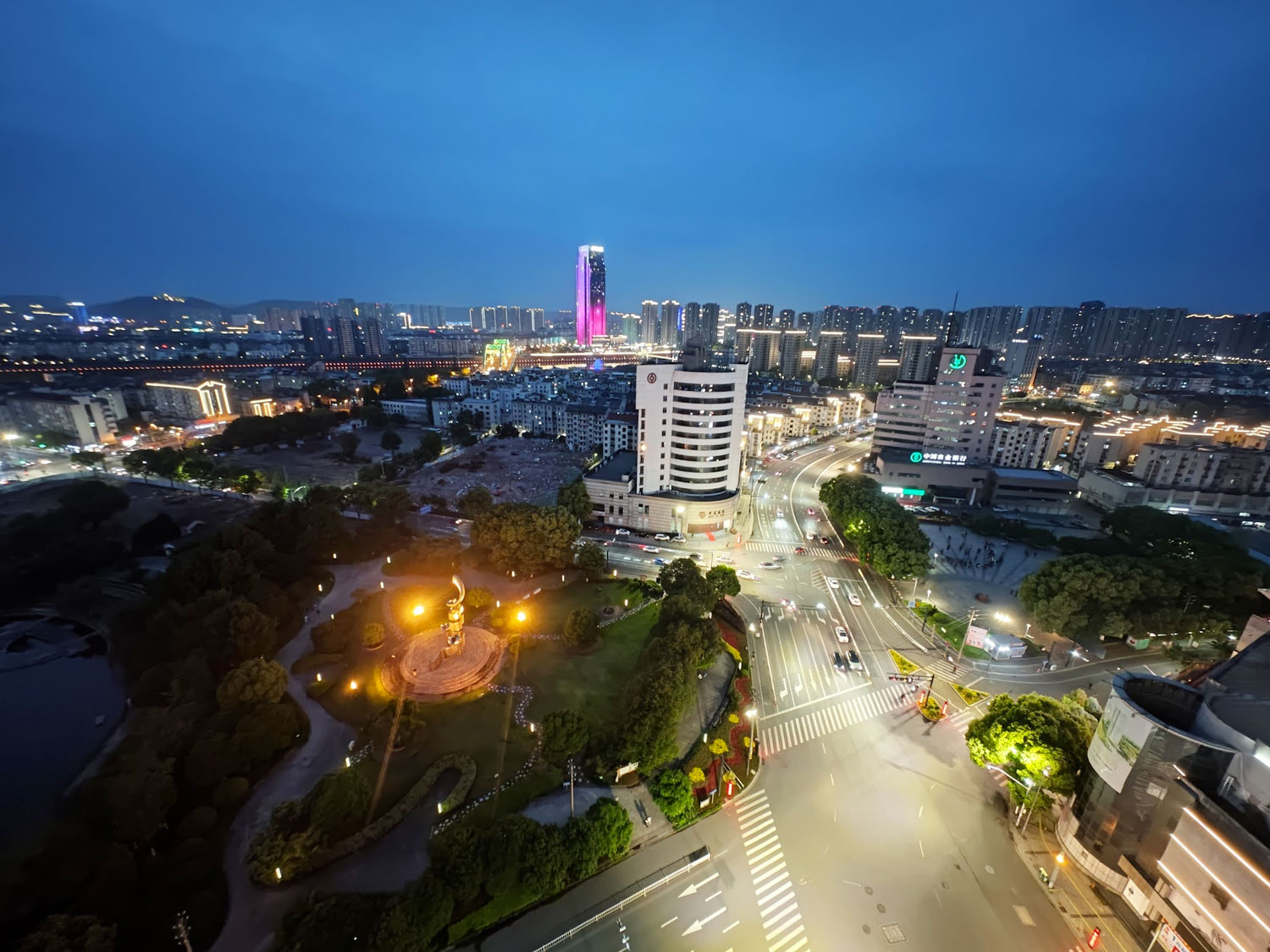
Not just that. My answer to “What is China like?” has also changed. All possible answers can be held against the light like a gem, to be observed from multiple angles — and none of them particularly true.
Before coming to China I read about green-skinned trains, baijiu, and guanxi — these things are not wrong but it’s never like in the books, or rather; someone else’s impressions are not mine. And it’s only after learning Mandarin that I could have proper observations about China.
Moreso, I’ve come back on my opinion on many opinions I had. For example, first I loved old towns. But then I hated them, because they all looked the same, the same fakeness. But then I learned how to use Dianping or friends recommending places to me, and I love them again. (But I stay clear of them if they’re popular.)
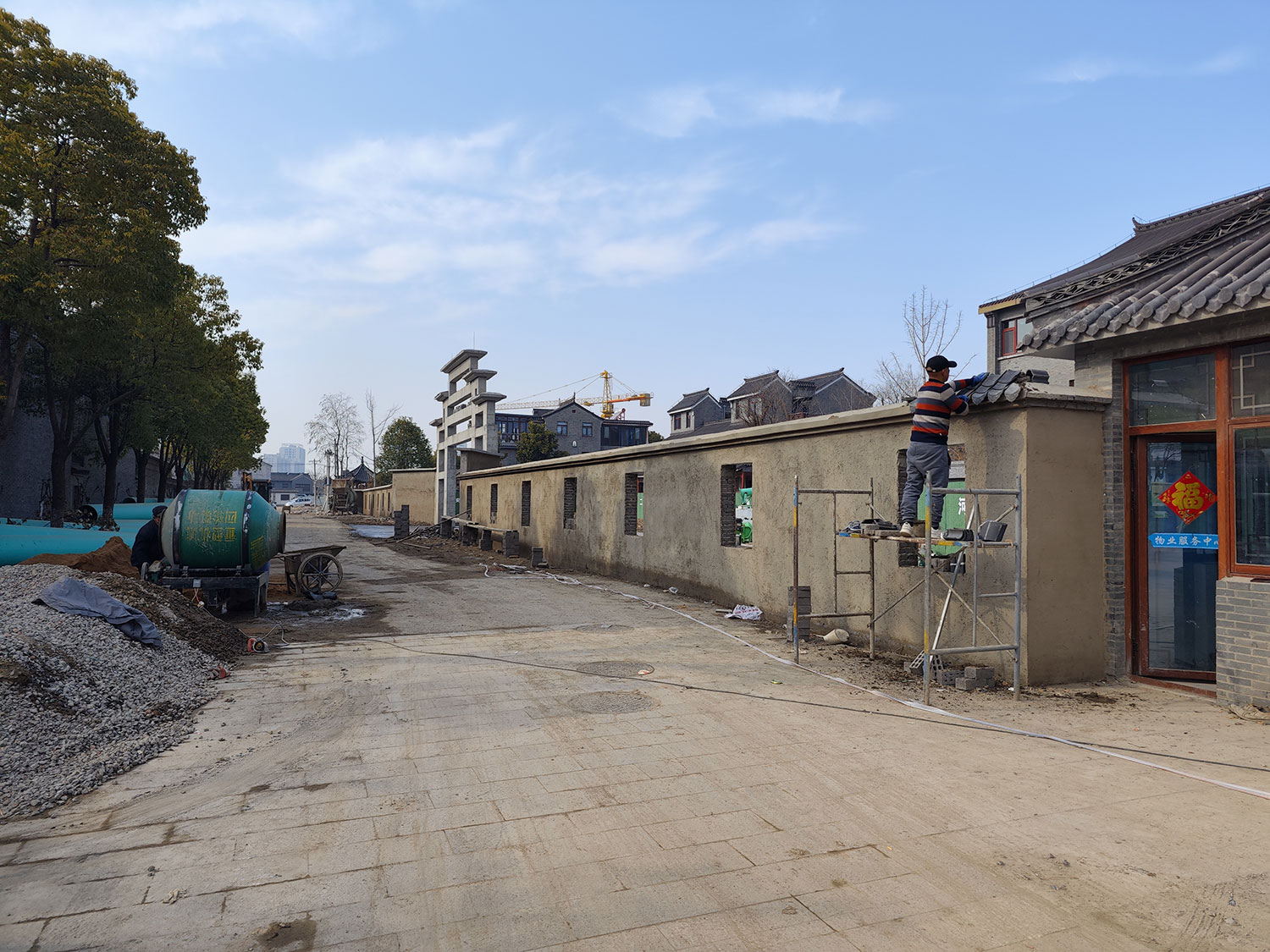

“Do Chinese people like X?”, it’s always nuanced. People in Shanghai and surrounding cities care about safety when buying a SUV, but don’t let their kids wear seatbelts in the back.
They will buy a super expensive car but will walk 500 meters to save 10 RMB on a parking ticket. They’ll haggle for 30 RMB strawberries but not for a 5000 RMB Louis Vuitton bag.
Shopping malls are popular because they’re convenient; shopping, food, parking, and entertainment all in one area. I do think it’s cool there are car showrooms though, but personally, I try to stay away from malls as much as possible.

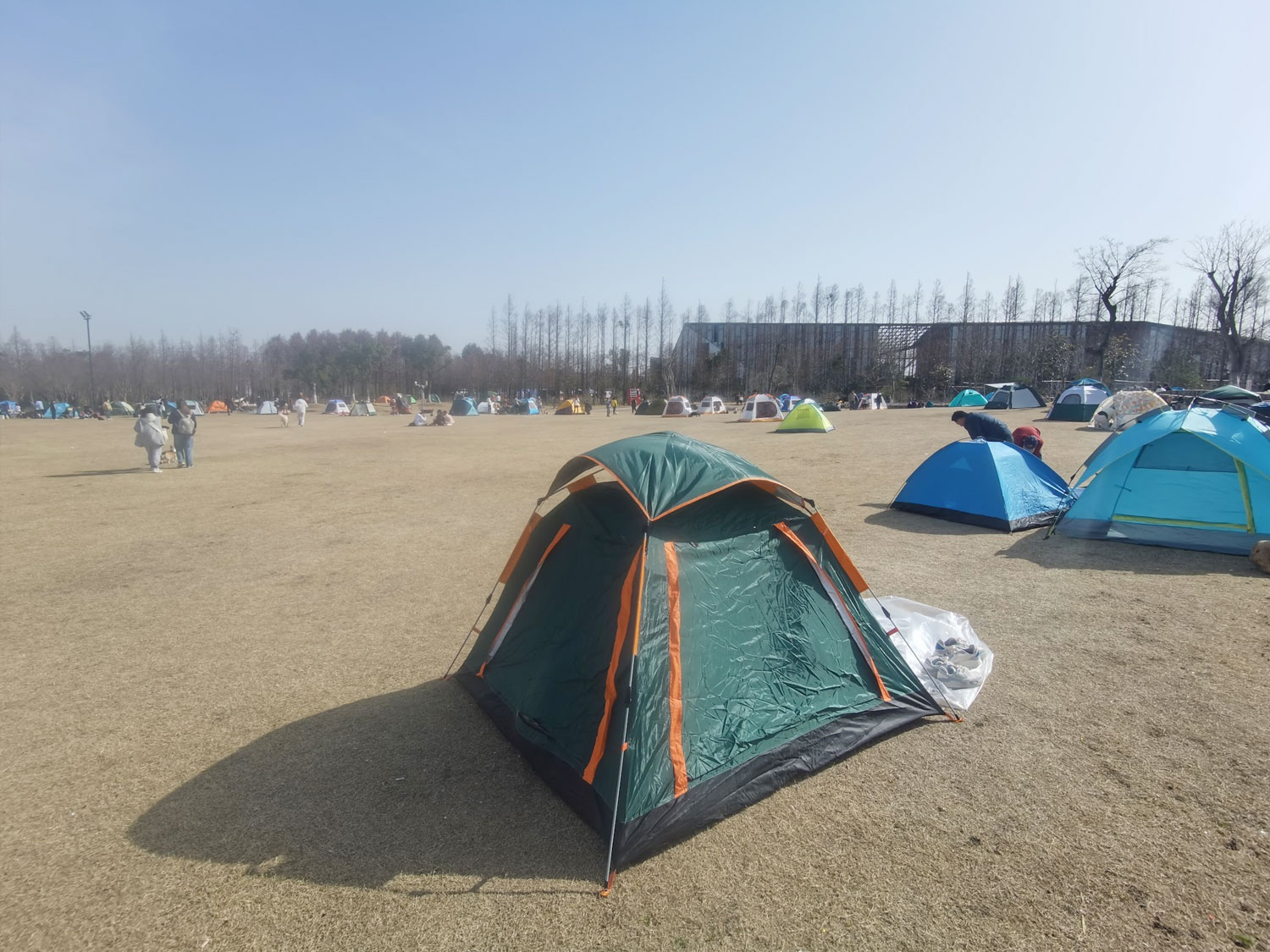
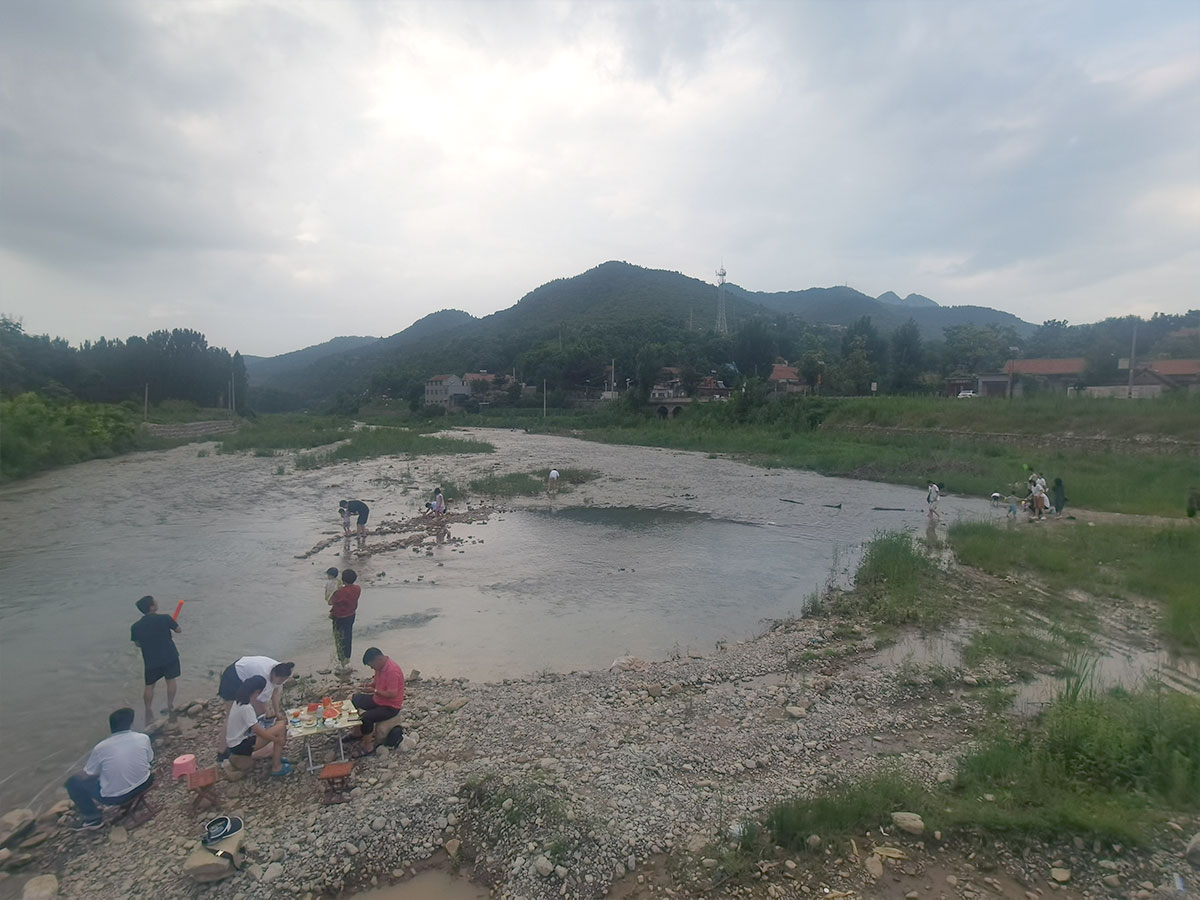
Aside from malls, a popular pastime is outdoor camping, but people don’t stay the night. Running is popular, as is frisbee. Tennis. And there’s basketball, which was already popular. I’m cycling a lot, so I also see a lot of cyclists. We often wave at each other, or more like a casual peace sign, when passing each other. Hence I think a lot of Chinese people cycle.
Some things are more clear-cut, but only very specific hence they rarely answer “How are Chinese people?” as a whole answer. Most people play games on phones, rather than Playstation or PC. Chinese people can be indirect and when they say yes, that doesn’t always mean it’s a yes. They’ll work way harder than Europeans, and they’re the least aggressive people I’ve ever seen.
Consumer technology, especially apps, is more advanced than anything used in Europe. You can order food and see where the courier is on a map. You can select seats for your cinema, and the seats turn into characters from the movie, backdrops at concerts show the lyrics on an LED. And the electric car industry is advancing at a super rapid speed and will take the world by surprise. Etcetera.
Bigger observations are rare and few. The main one is a web: Money. When I came to Shanghai, it seemed superficial. Why is money such an important factor in deciding on a partner? Why should owning a house be a requirement for marriage? But when you realize there are no social security nets such as the Dutch government provides, it starts to make sense; if you lose your job, how will you provide for your family? This influences so many things, from dating to the insane study pressure starting from primary school: no parent wishes their kids will have a future of working as cheap labor for factories or hospitality.
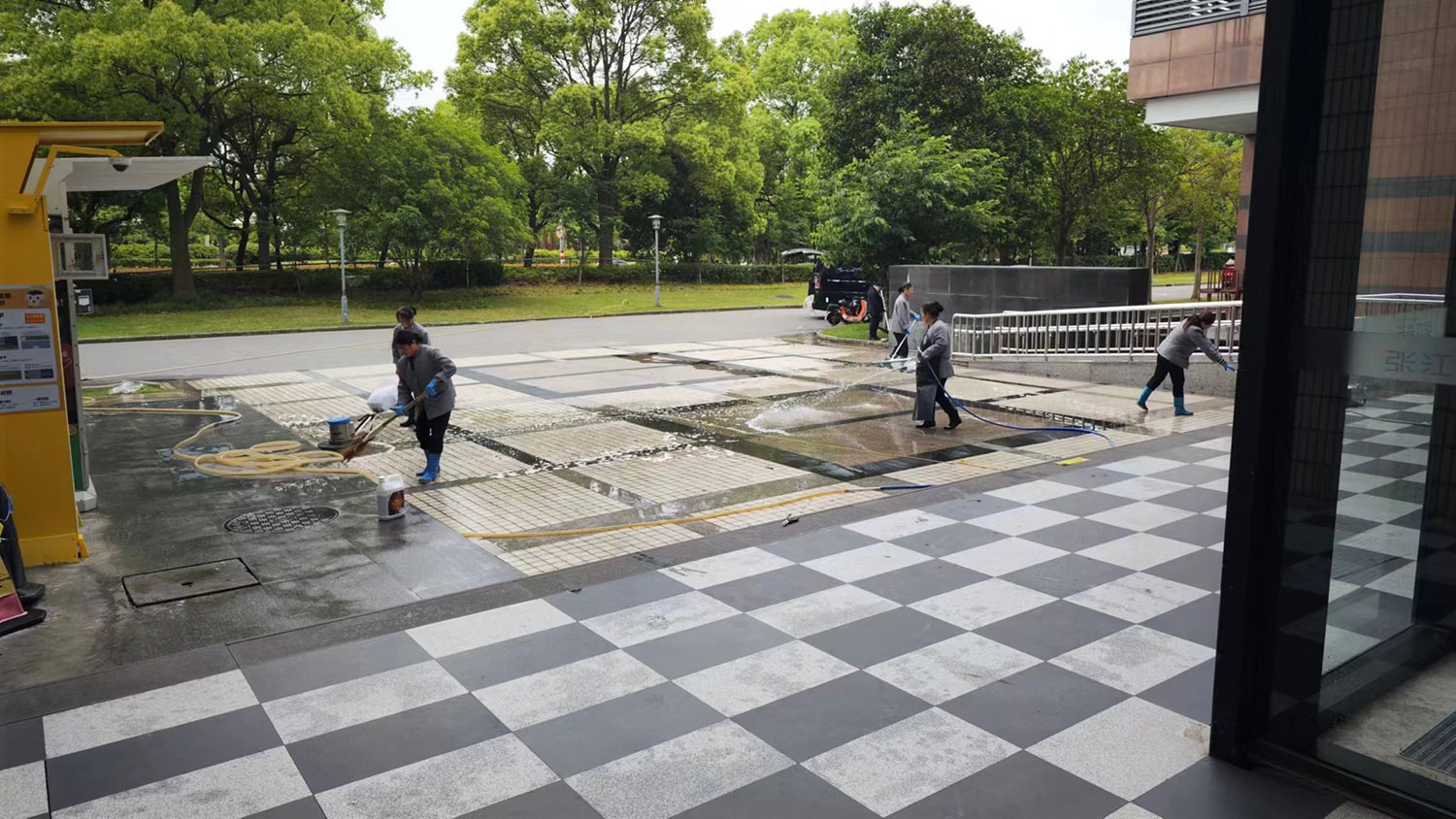
Covid was a huge thing, especially in 2022. Sixty days of lockdown plus the uncertainty of freedom in the months that followed did leave some scars, but on the upside, I’m aware that traveling in China during the covid years was a privilege reserved for few people, with the borders being closed. Every place seen and person met felt like a treasure.

There’s this proverb about a man not being able to step in the same river twice. Something like that maybe. Home may be the same, but I’ve changed in 5 years. My beard is a bit longer and greyer. And that’s just the outside. I’m just not sure if all inside can be shaped into sentences. Especially not into a simple answer to questions of relatives such as “What’s China like?”