If you walk, you’ll always discover something new.


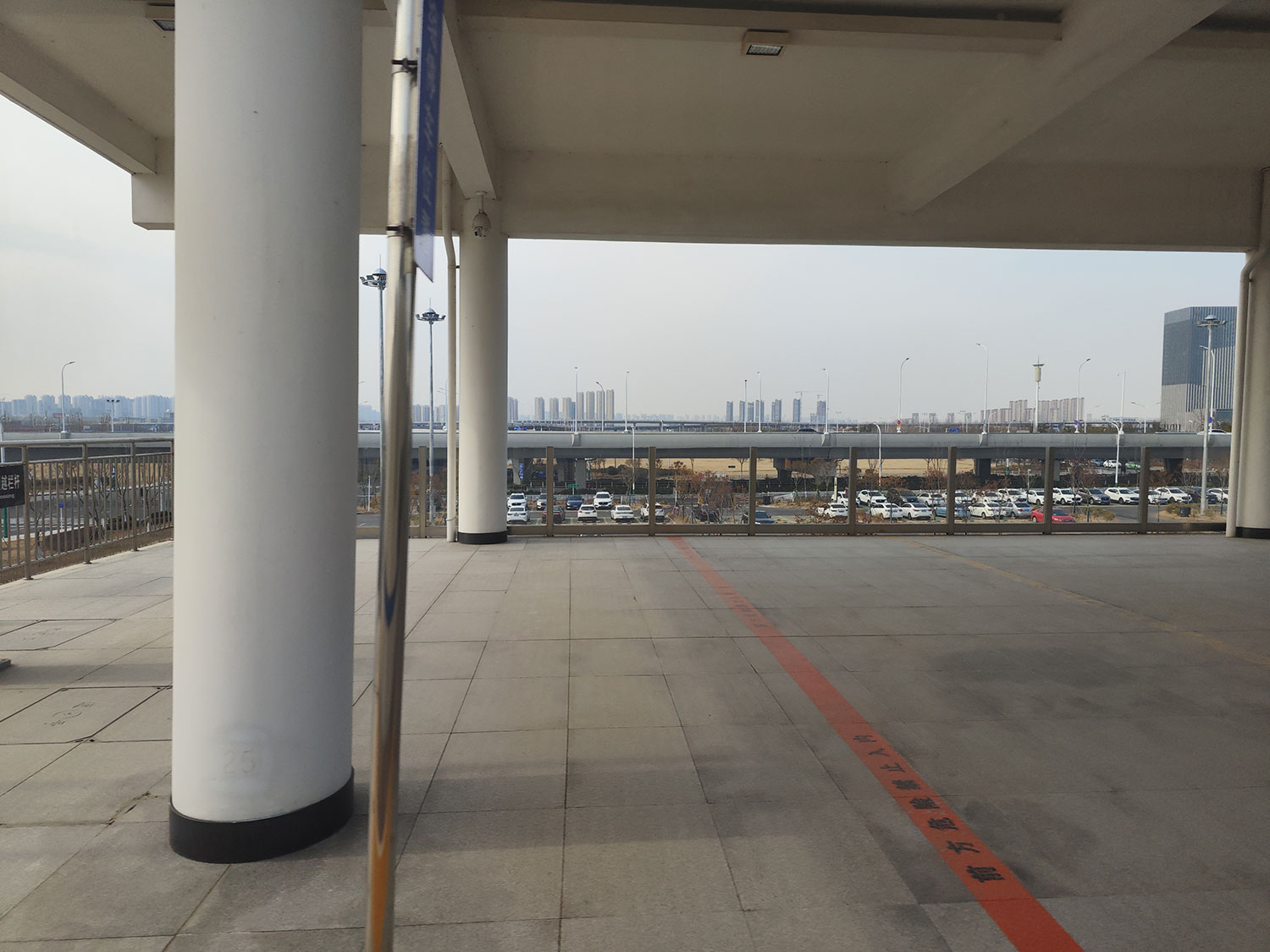
But actually, as soon as I got off the train in Huai’an (淮安) in the Jiangsu province, I start to wonder if that’d be true this time. All I see are empty plots and modern highrises, and I know that if I’ll walk ten kilometers here, I’ll get much of the same.
But the city starts to show its character as I get nearer to the center. More highrises are under construction, and behind a painted wall old demolished blocks are hidden.


(Boy discovers an eagle.)

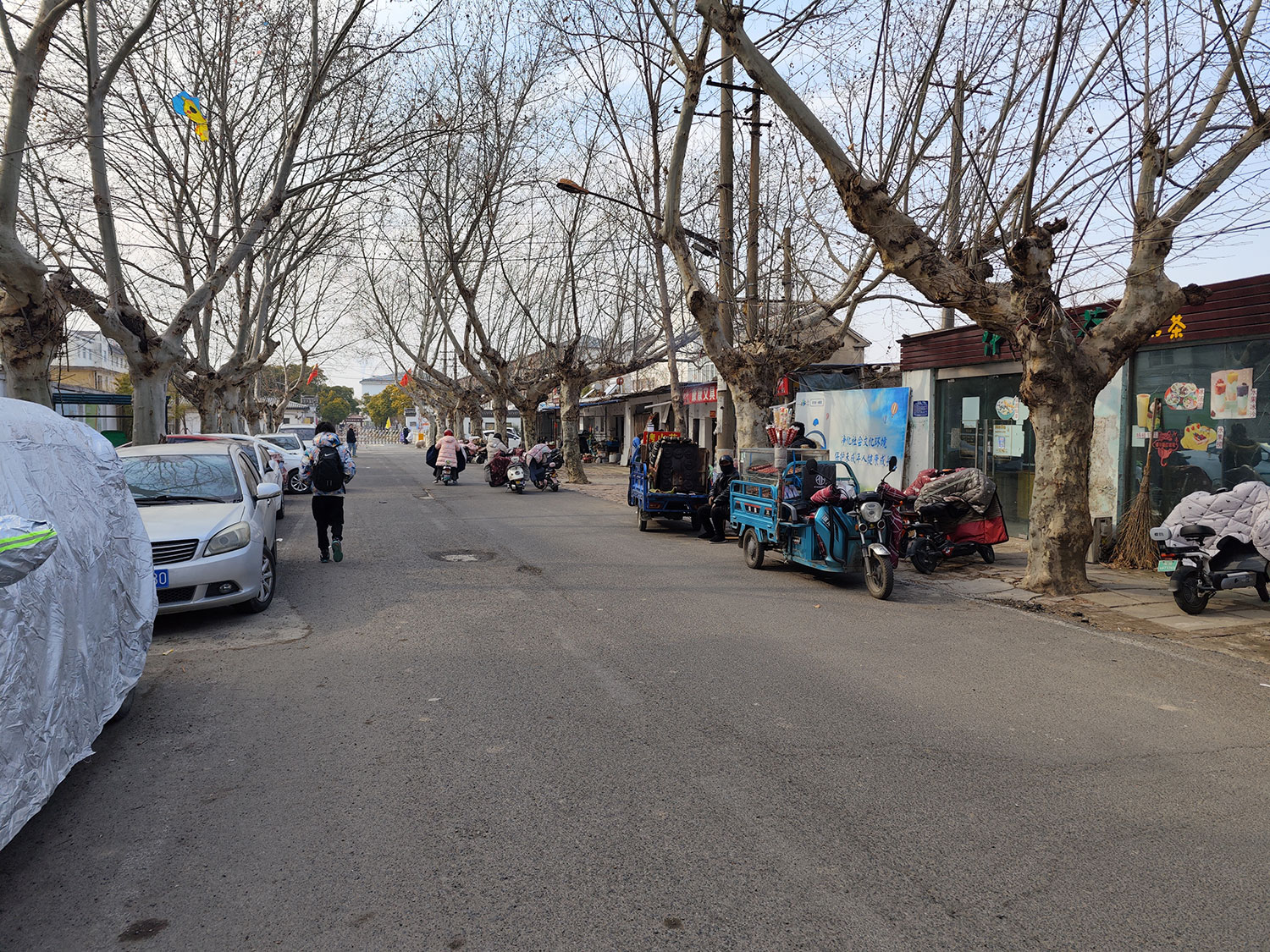
This older block is going to be demolished as well, for sure. Many stores are already empty and have signs for rent (出租). But in the alleys behind them sits a high school and low-rise buildings. Streets filled with life (and the smell of roasted sweet potato (烤番薯)).



This boy froze when seeing me and gasped: “A foreigner!”

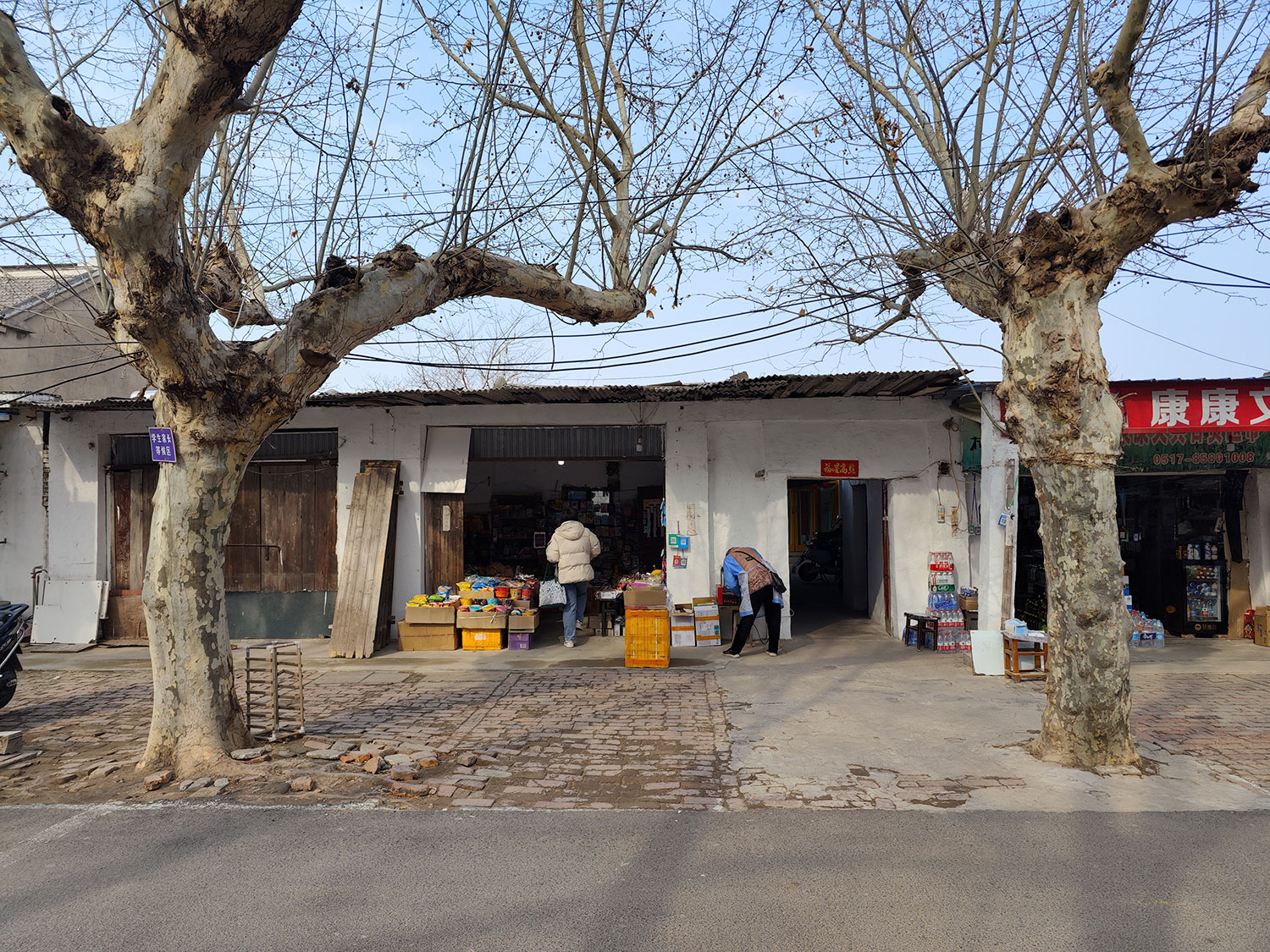
Then there’s the old town of Hexia (河下古镇). Again a similar story. Old buildings are destroyed and rebuilt, but not in the original way. I understand why, but I have mixed feelings. The rarer these old districts become, the less meanings they can bear. We are left with a cartoonified version of the past (but the facilities are great).
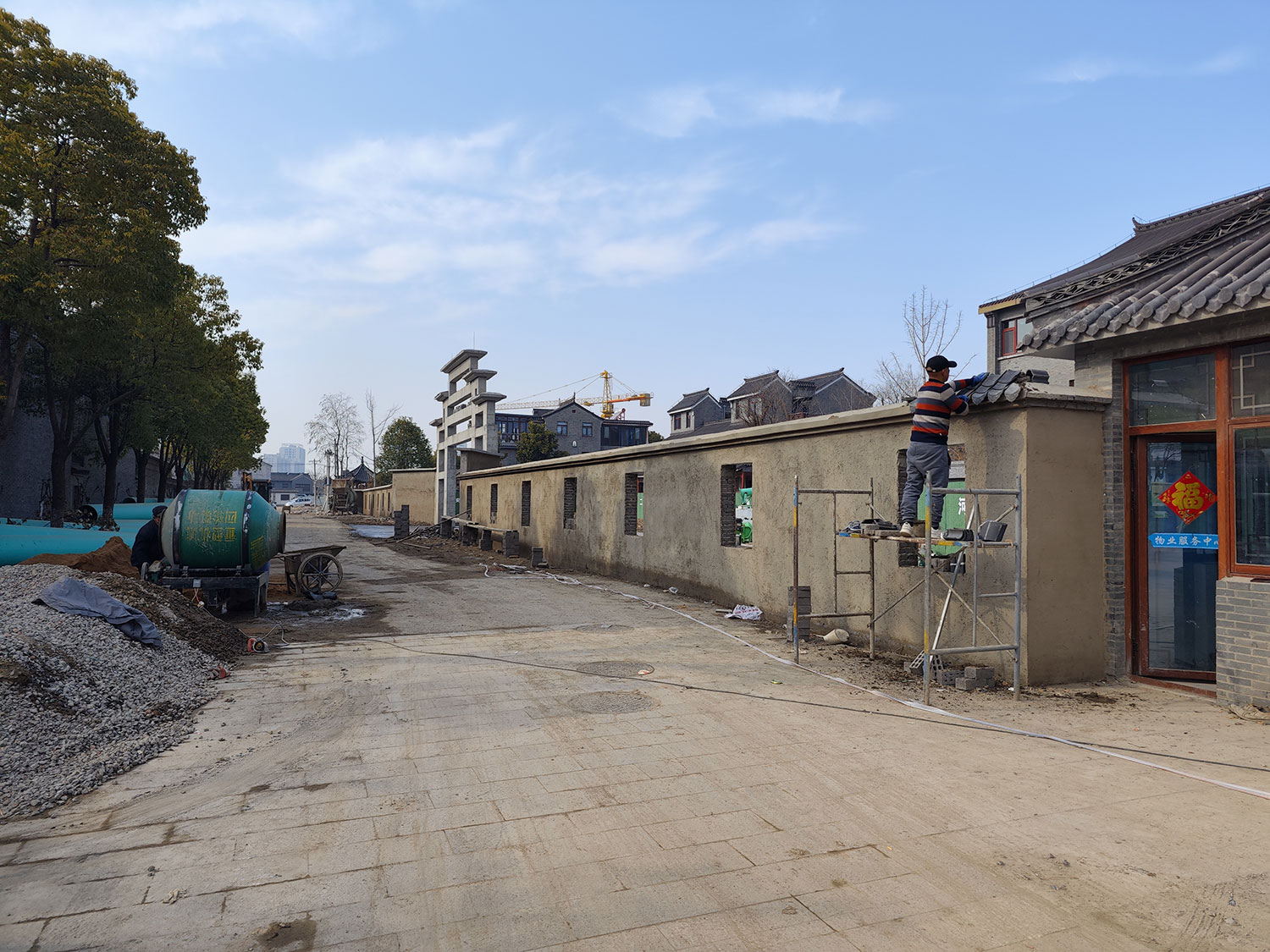

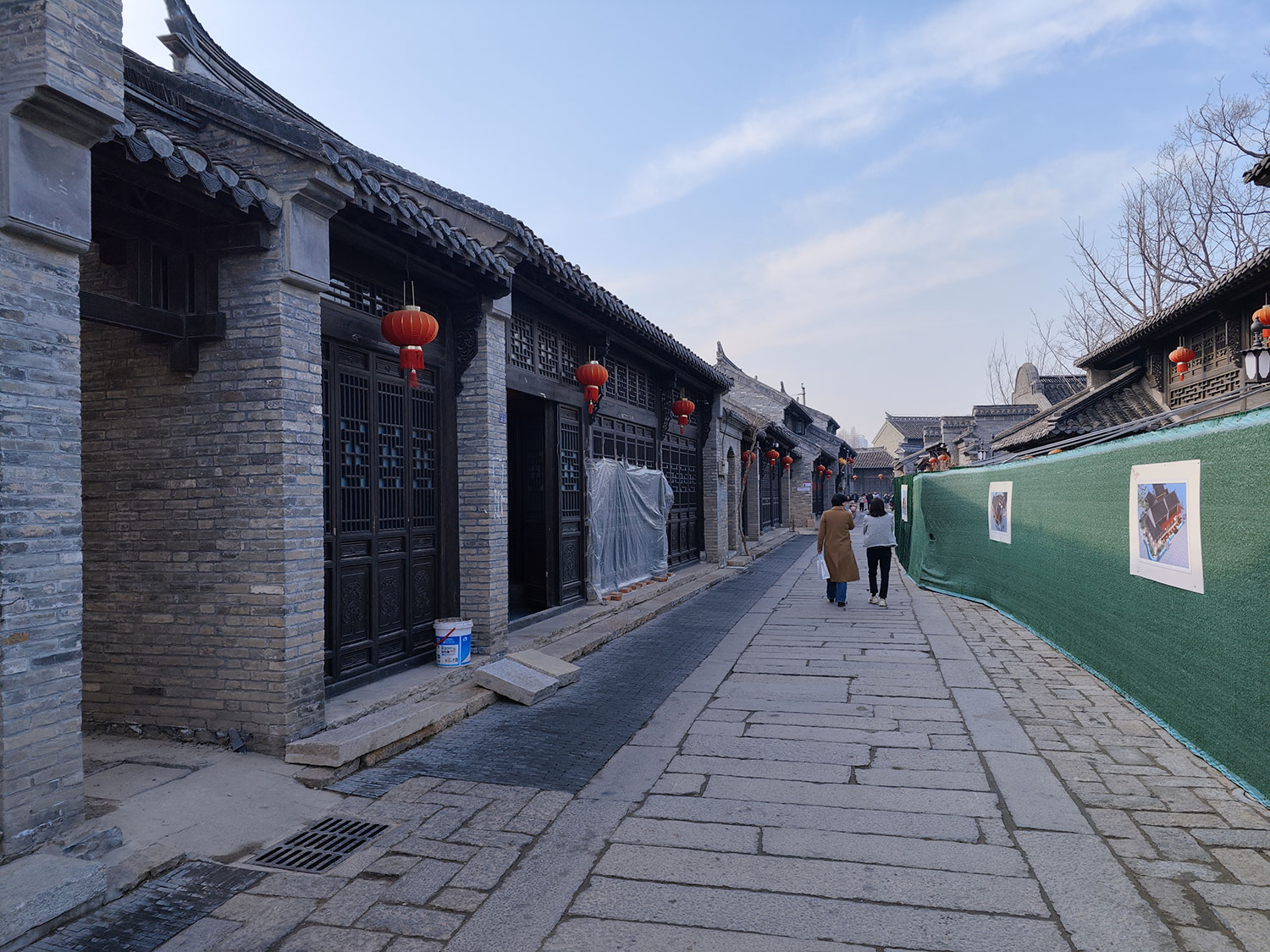
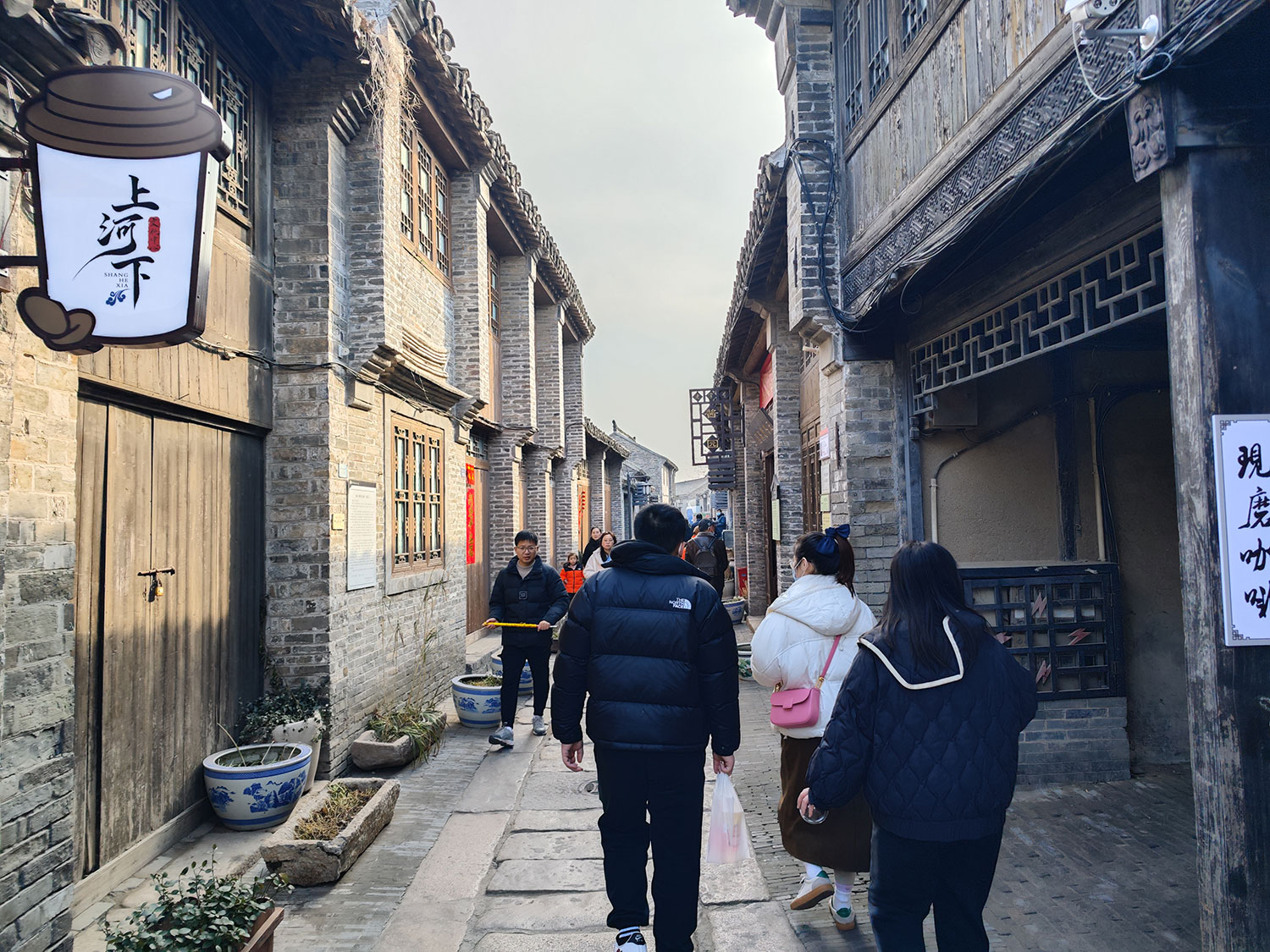
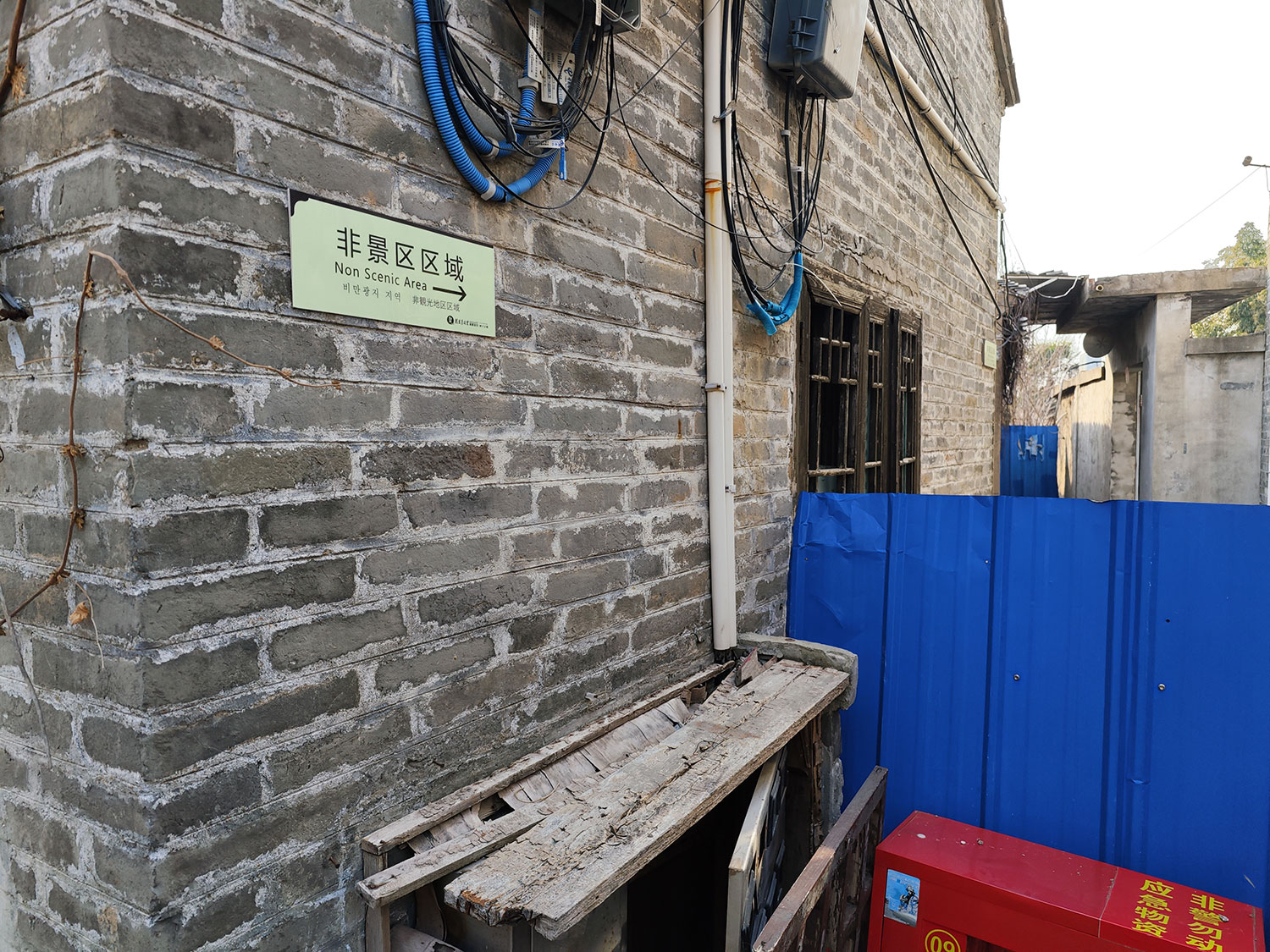
To me the interesting bits are around it. (These are labeled as ‘Non-scenic area!) The whole family comes out as I talk with a young lady (because I don’t understand the local dialect of her mother). “We’re also waiting to be relocated. Which kind of house do you like better?”, she asks when she points at the horizon. “This one? Oh, you want to buy it?”



A few kilometers away, the park is full of seniors playing games or making music (the sound from five speakers turned to eleven comes at me from different angles).


The view from the Drum Tower (镇淮楼), originally a Northern Song dynasty restaurant for the army and government.


Lower-tier cities in China are pretty anonymous, and this part of Jiangsu is often described as flat and boring. But by walking through these cities we get to see that is not so.


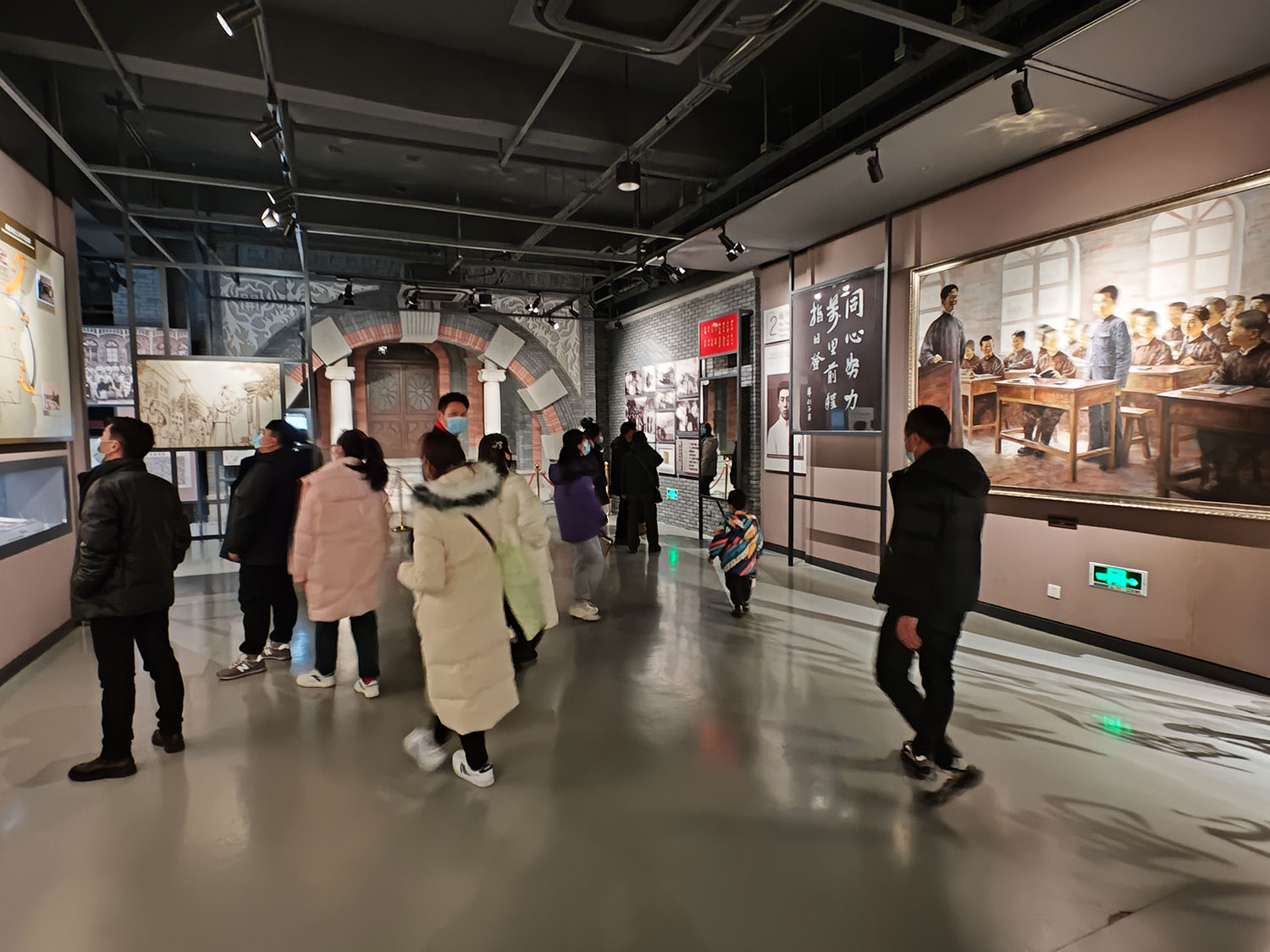
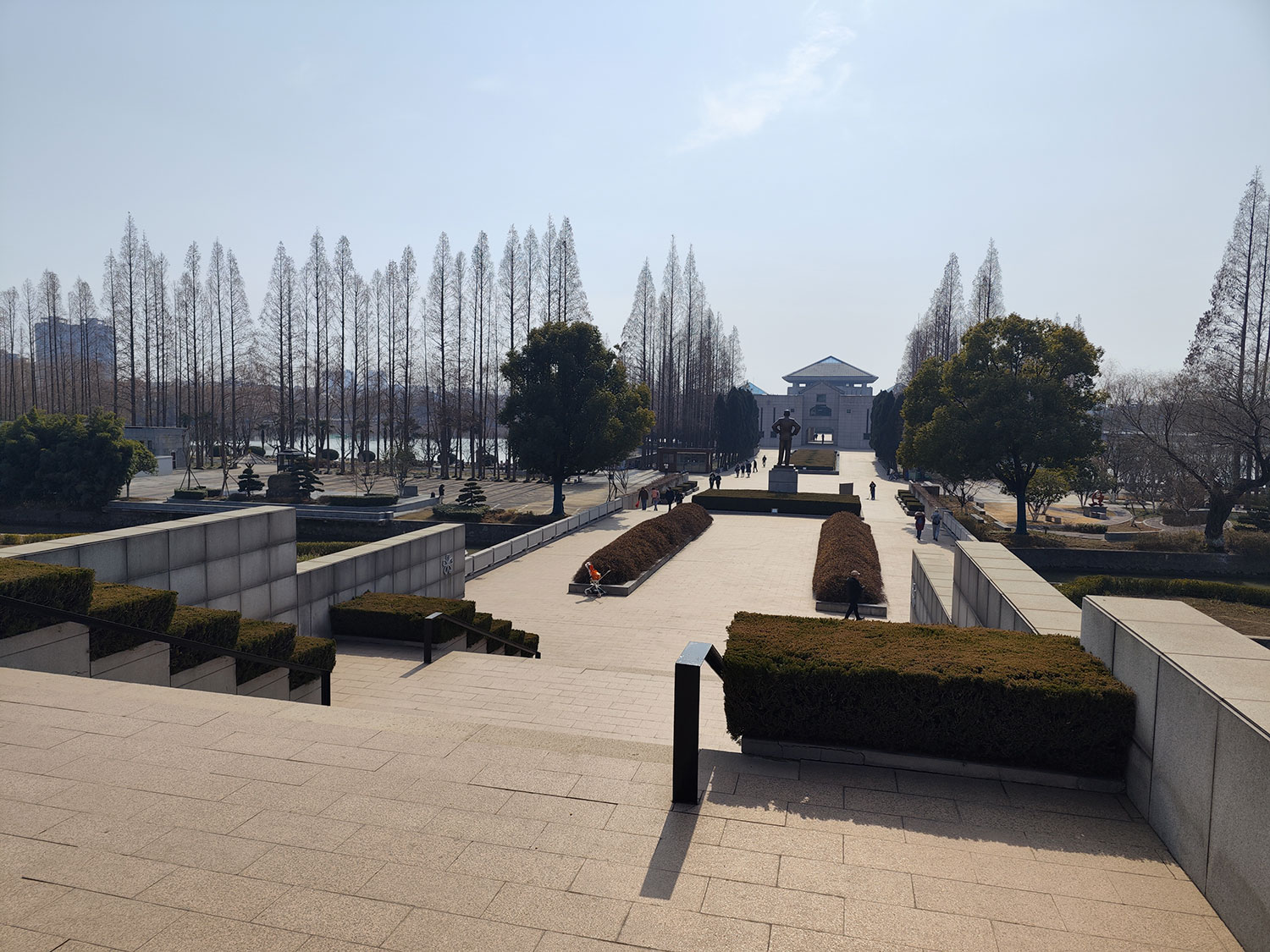
Also, Huai’an is the birthplace of Journey to the West (西游记)’s author Wu Cheng’en (吴承恩), the birthplace of China’s first (and most handsome) premier Zhou Enlai (周恩来), and partly the birthplace of the Huaiyang cuisine (淮扬菜).


Now time for some local dishes of that famed cuisine. Pingqiao tofu (平桥豆腐) and Huai’an stir-fried eel (淮安炒长鱼).