In June we moved back to the Netherlands, six suitcases across 8000 kilometres, and after a brief spell at my parents’ place, we moved into our own home. This second move also involved putting down carpet, curtains, buying appliances and furniture — so that our new garage quickly filled with cardboard boxes and other packaging material.
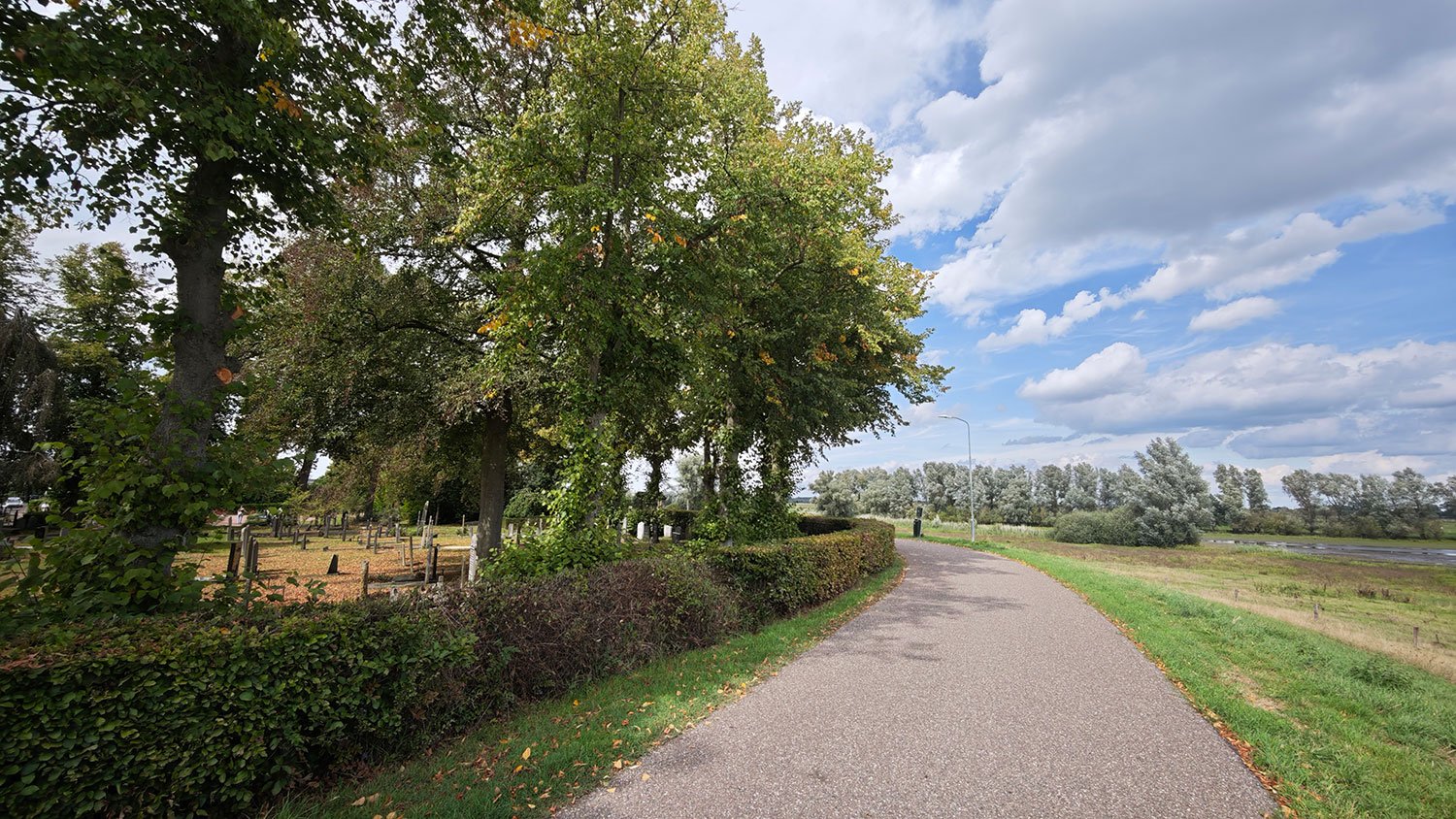
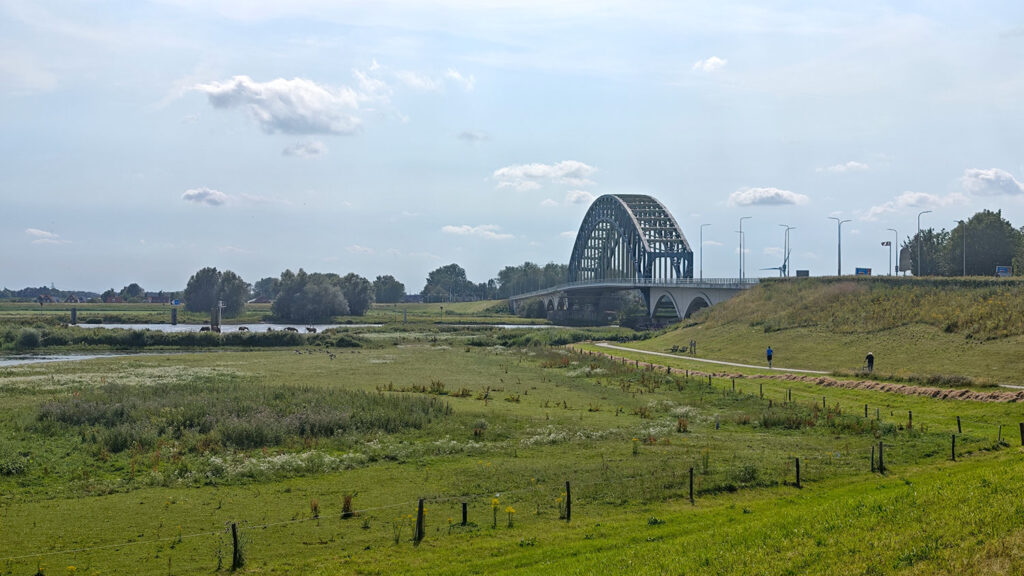
With most of it, I rode to the waste paper point, a blue cargo container on the edge of our town, overlooking the floodplains of the IJssel river. And to throw away cardboard, you have to climb steps to reach the top edge of the container, and then throw everything inside. Standing there, I saw — a few hundred meters away — our town’s graveyard, a place I slowly remembered I had reasons to go to.
—
I’m taken back to a Saturday morning in 2003. I was 13 years old and delivered magazines in our neighbourhood, and after one round I came home to grab more papers to deliver, only to find my dad and our neighbour, sitting in the living room. I don’t know which of the two said it, but our neighbour’s neighbour’s boy had an accident; he was hit by a train. And in my teenage brain, that sentence slowly processed, weighing up what it meant, and a question formed in my head: “Is he hurt? Is he in hospital?”, but I don’t think I actually asked it. Nobody wanted to say the words, but my dad or the neighbour spoke more, and it was clear to me that our neighbour’s neighbour’s boy had died.
I write boy, but he was the seventeen-year-old who we all looked up to. We were all boys, kids — but he was on the cusp of being a man — taller, stronger, cooler than us, always in white sporting clothes, black shades and headphones attached to his MP3 player. We knew but could only guess about the specifics. He had seen or done things we hadn’t — he could buy things we couldn’t. What we felt so clearly, even if we didn’t know the word for it, was our own adolescence.
That was 2003, and I’ve thought about him so many times, relived that moment, but also thought about how it carried its effect over the years. That was my first encounter with unnatural death, not someone dying in their old age, but before life had truly and well begun.
Some time after that Saturday in 2003, we went to the ceremony at the crematorium, among a huge audience. Yet we weren’t close family, so after the ceremony we shook hands with his parents, felt sorry for their loss, and went home. I never saw where he was put, although I had always known the location.
—
I came down from the waste paper container and walked over. I went through the gates and figured I could just walk in and find him. Were graves ordered per year? How many are there here? Aren’t all urns put together? I soon discovered this place was big, so I went back to the entrance and looked at the board and tried to remember how to walk. Yet within the graveyard’s plots and lines and rows I still got lost. I went back to the gate another time to look at the board, and tried again. That third time I felt heavier in my heart. I would meet him again, but it also dawned on me that his family must have walked this same path 23 years ago to say goodbye to him.
I found his tombstone, inscribed “Love never dies”, and traced the letters with my finger. I told him he hasn’t been forgotten. But I also thought about that Friday before the Saturday in 2003. He crossed an unmanned train crossing. Was it with his sunglasses on and loud music on his headphones? He did not see the lights flashing, did not hear the bells, and did not see the train coming. That one moment carries its force until today.
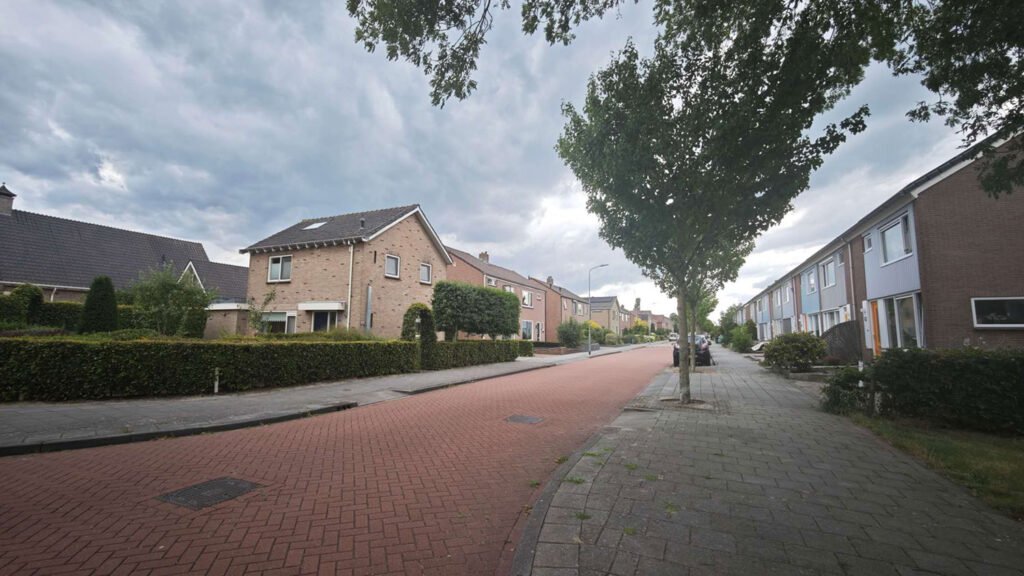
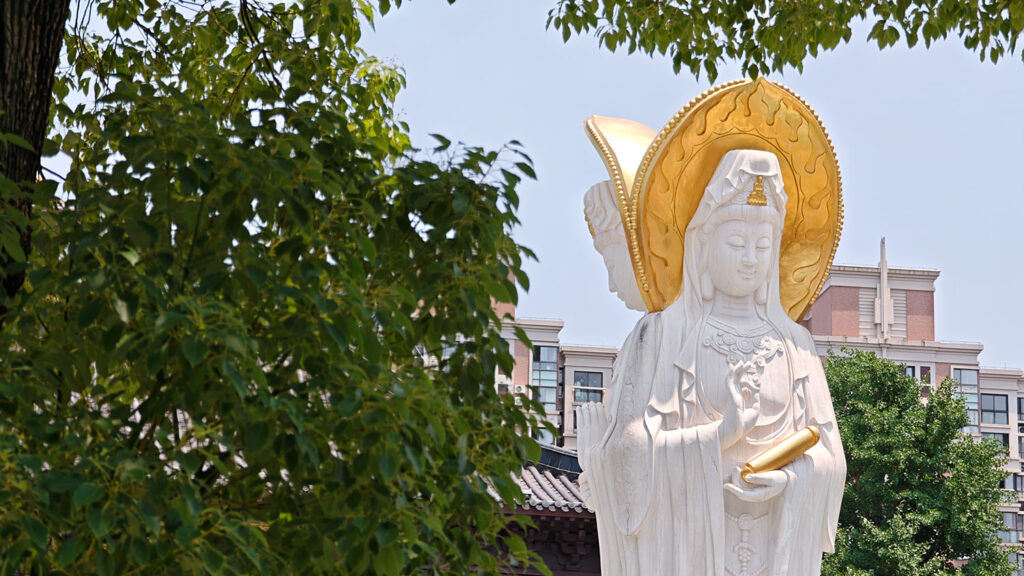
I stand here on the graveyard’s gravel lane and think about the time. Since 2003, I’ve moved out of our street and hometown — lived in Rotterdam, Haarlem, Amsterdam, eager to get out of the country, and lived in Sydney and Shanghai. I think about the hundreds of places I’ve seen and thousands of people I’ve met. And as I walk back to the gate, a fourth and final time, I’ve never felt the weight of time as clearly as this.