China’s population of 1.4 billion people uses roughly 80 billion chopsticks per year, for which twenty million trees are cut down. Trees have value because they produce chopsticks, and chopsticks are valued as tools for eating food. Like trees, they’re a means to an end, and are valued instrumentally. When a disposable chopstick is used, it’s thrown away. When a reusable chopstick breaks, it’s equally disposed.
A husband or wife is different. Sure, a partner can provide instrumental value by making money or helping in the household, but they have intrinsic value as well. Going for a walk together, receiving a kiss, having a long conversation, those are things of intrinsic value. A husband or wife is, unlike chopsticks, is valued in his or her own right. If he or she breaks an arm or leg, you don’t dispose of him or her (hopefully!).
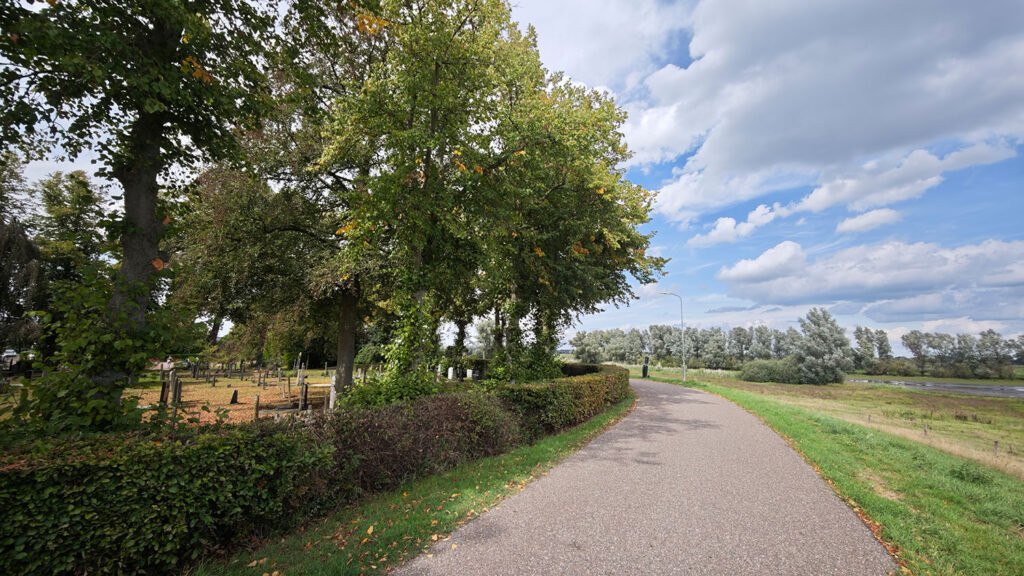
Following this logic, it seems sensical to assign intrinsic value to nature. I love cycling through the forest, sit on the shoreline, walk through the park, or enjoy nature in its other manifestations, of which there are millions. I don’t do those things because they’re financially beneficial.
Yet nature is often valued instrumentally. Nature provides tourism, which provides income. We cannot cut down the Amazon forest because of the CO2 it absorbs, fishing is limited to safeguard longterm economical gains, and developing countries want (and often receive) money in order to protect forests.
Tony Juniper writes: “We must put a price on nature if we are going to save it.” Well, in 1996, some scientists did that, putting the amount on $33 trillion per year.
But what if trying to put an economical value on nature is a trick question? Try doing the same for a person. What’s the value of your wife or husband? What’s the value of your parents? The question implies that nature is something that can be valued in money alone.
Here are some things to consider; humans cut off from nature tend to be very unhappy, with lack of outdoor time being linked with depression, while on the upside, spending time outdoor is linked with mental benefits (National Geographic: “Nature makes us happy“). Besides, it seems too obvious to list other ‘benefits’ of nature: air to breath, water to drink, resources for food to eat. A healthy environment is the requisite of a healthy economy.
What if nature is the definition of value?