When I was in art academy, the vaguest class we had was on concept development (‘workshop activity’, or in Dutch ‘atelier practicum’), and one part of it was just collecting pictures, which we’d then discuss personally with the teacher.
This was always on Mondays and the continuous struggle of it is burned in my mind. Every week, I’d collect funny pictures, like of Darth Vader on a theme park ride, a cool retro photo, or fantastic modern architecture. Even some historic photos, such as D-Day or the T-Ford assembly line.
Of course, these images are profound, or they’re funny. Or beautiful. And although they are pictures (the assignment was “collect pictures”), they didn’t fit the requirement. The teacher couldn’t really explain what he was looking for, and I didn’t understand.
And so every week I’d share a slightly different style of funny pictures I found online: a guy in a bath with hundreds of rubber ducks, a guy with a suit on fire riding a bicycle. I even checked for history’s most famous photos, like that kid on the street with gifted shoes ~ but also no.
I still have some of these pictures in my Google Drive.
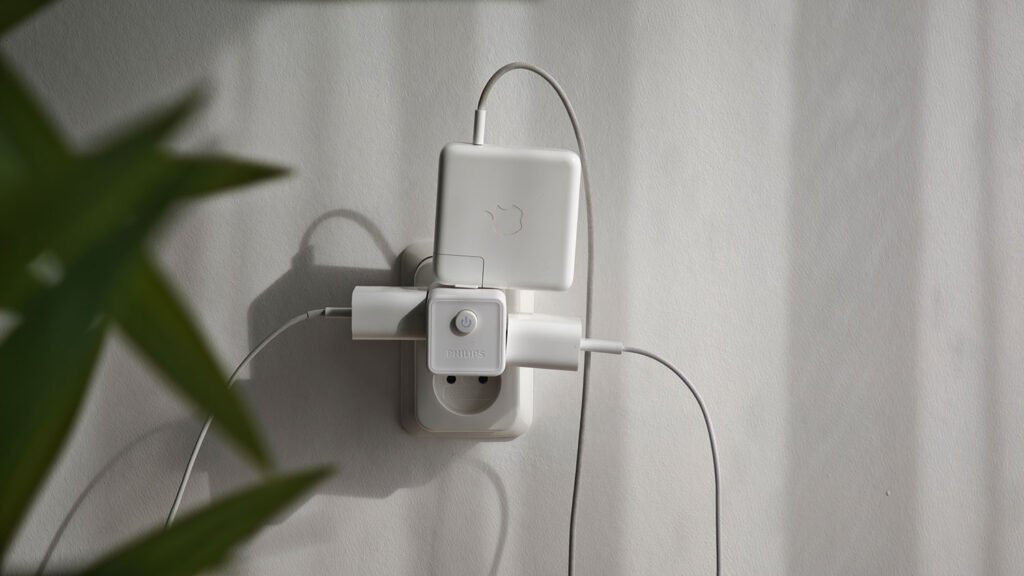
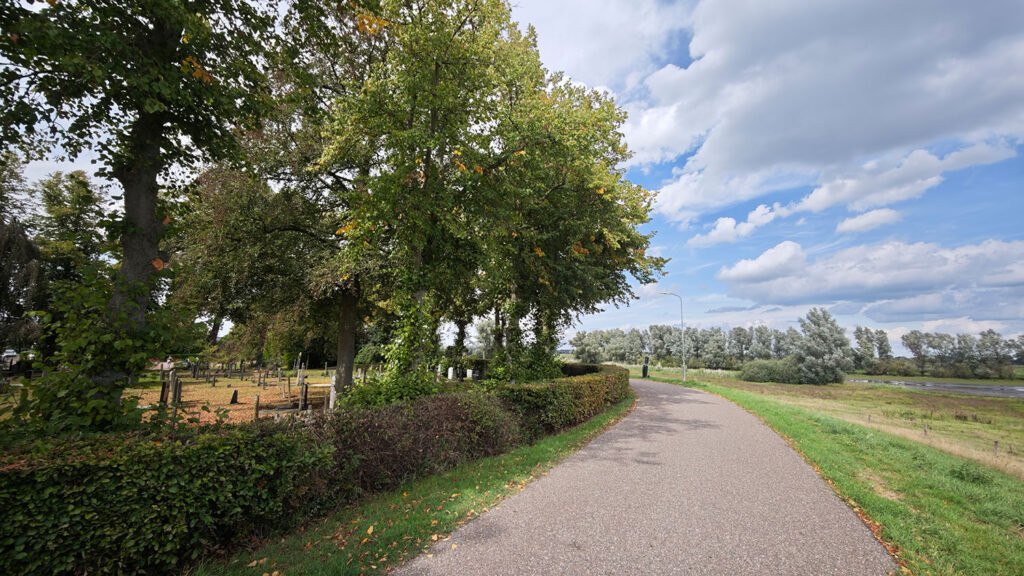
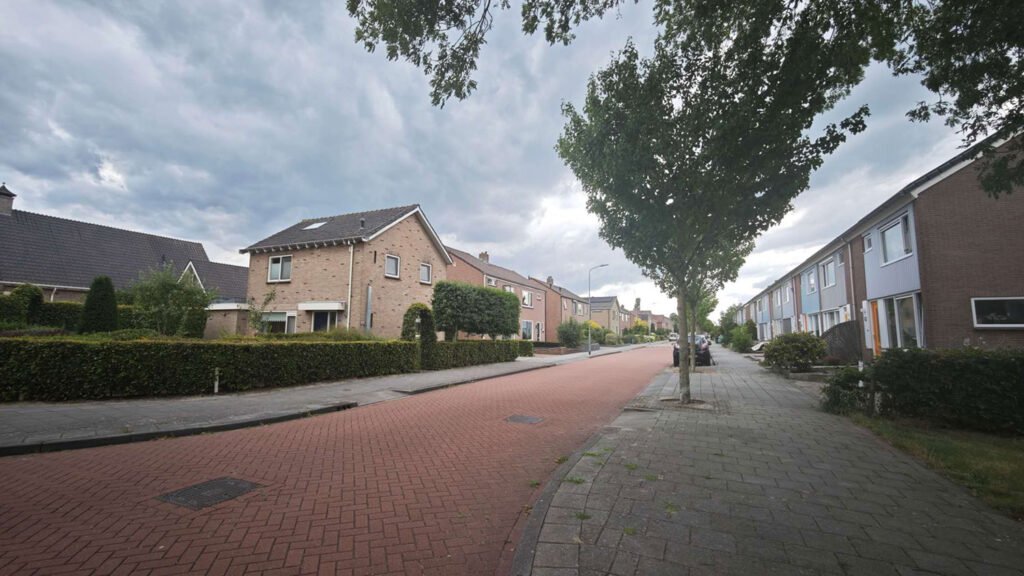
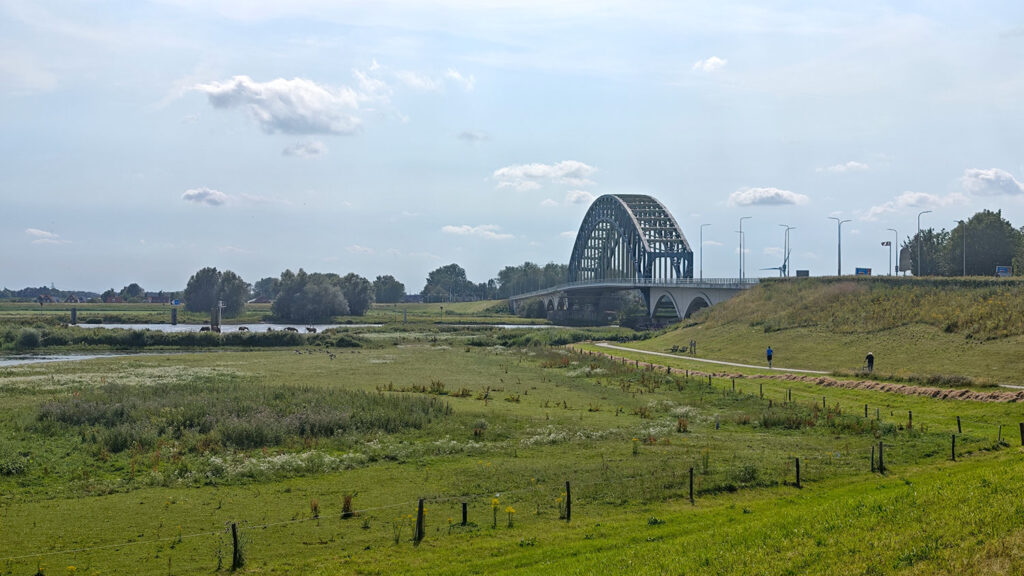
But it’s only years later that I understand the assignment enough that I can articulate it: The teacher was looking for honest photos, not staged ones. Where the viewer still had some space to fill in his or her own emotions or feelings. Unfinished ones, so to say. I should have turned to the streets with a camera, not to Google.
And this has nothing to do with beauty at all. Or funny. Plus these photos can be over-exposed or blurry, shot on an old smartphone. And probably they shouldn’t be about food or landmarks, or selfies — or even studio portraits I’d say.
This thought has come back to me, now that I’m living in China. Especially these last three years, living and traveling in China was a privilege, since it was hard to get into the country for many foreigners. And what did I like to shoot? I’m not a professional photographer, but I like to photograph the markets, the bus stations, the stores, and even tourist sights — not the landmarks themselves (the view from a mountain, actually ~ is not that interesting) but the people climbing the stairs. If I look at the photos from my arrival in China, in 2018, the most interesting ones are just about ordinary life. It’s also these photos I encourage everyone to shoot. These places change faster than you realize, and looking back, it’s these photos — not your lunch — that will be most valuable.
Found pictures from ten years ago


The types of pictures in China that I like to take


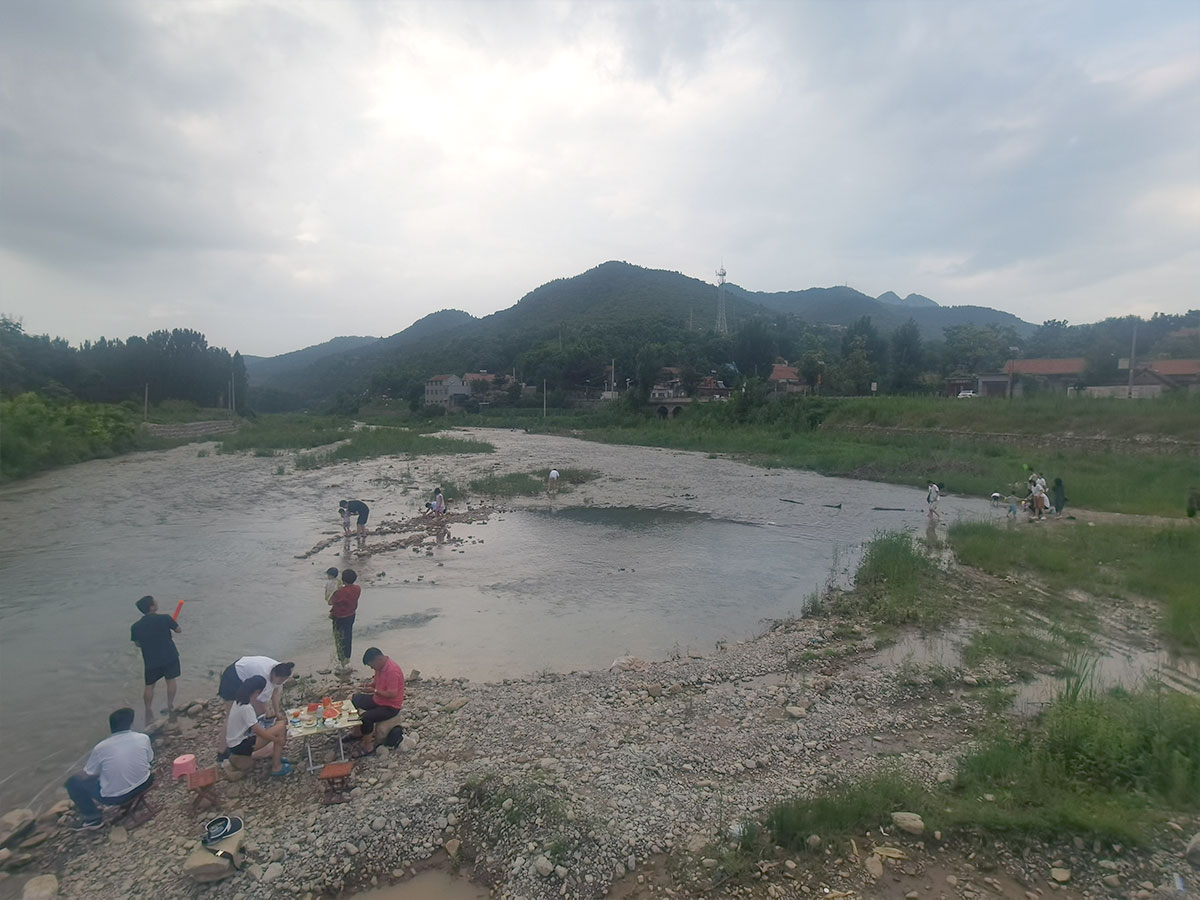


Photos from 2018: