We’ve been to Zhejiang so many times, but always inland. So whatever Zhejiang means in my head — mountains, tunnels, water reservoirs and more — it feels similar here but different. We’re in Xiangshan (象山县), a peninsula east of the province, bordering the East China Sea.
As soon as we cross the bridge onto the peninsula, it hits differently. Xiangshan has the Zhejiang rivers and artificial lakes, but also the sea. There are the mountains, but in between lay flat basins, full of shrimp or crab ponds. Not a single road is straight and we share it with scooters, three-wheelers, and pedestrians — none of whom are particularly paying attention to traffic.
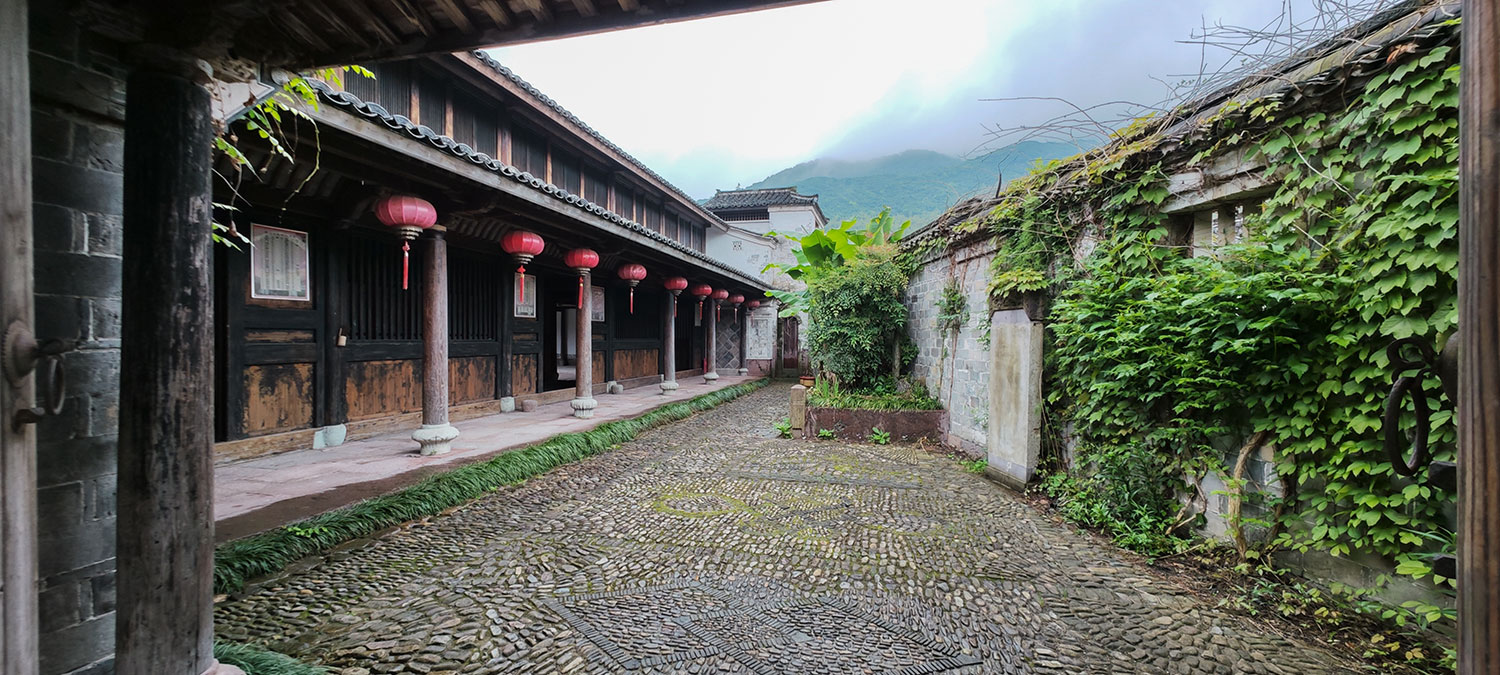
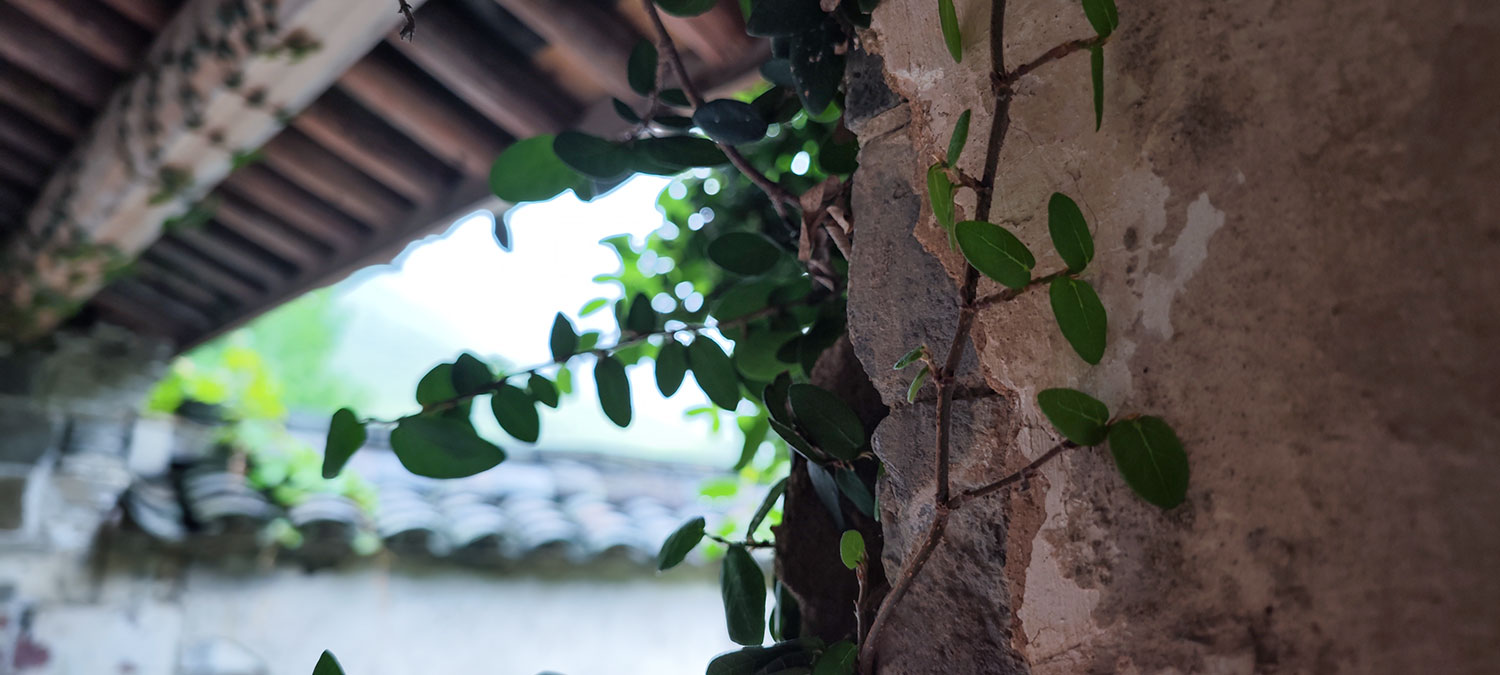
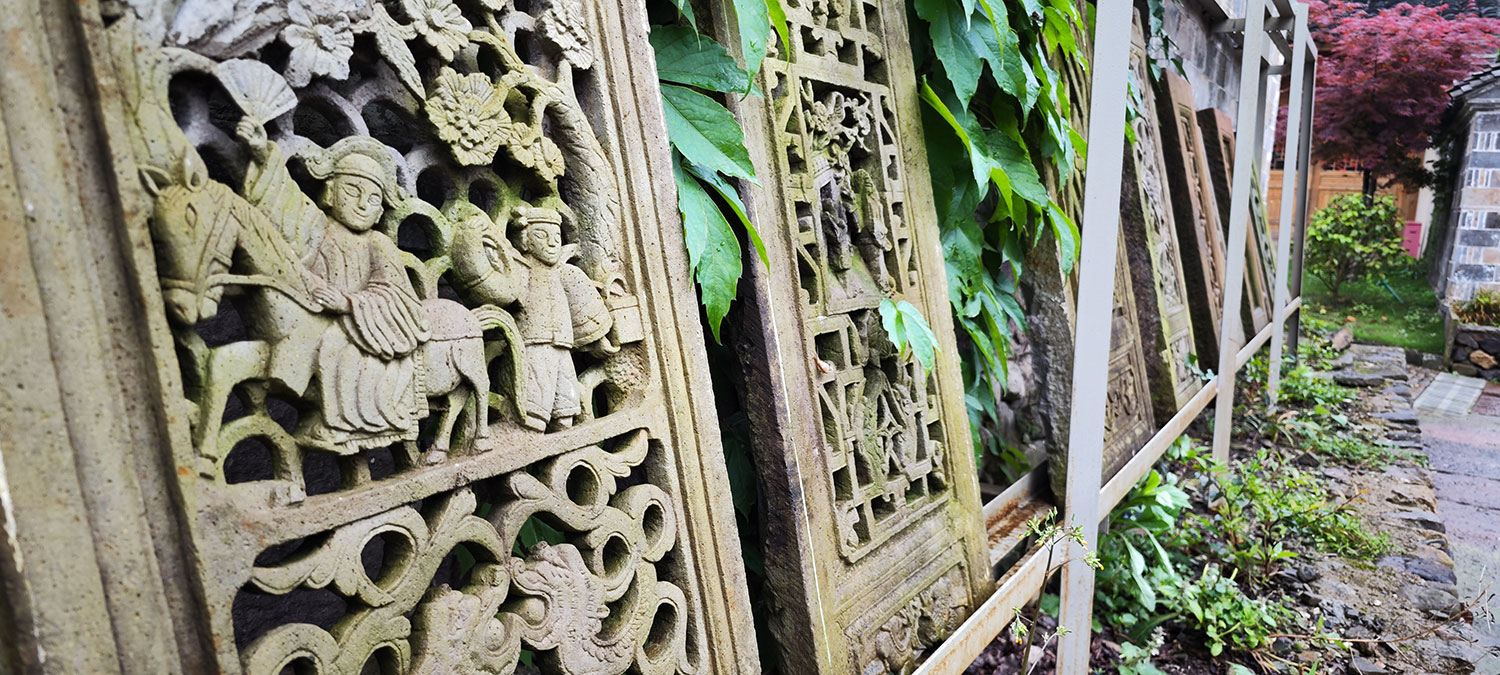
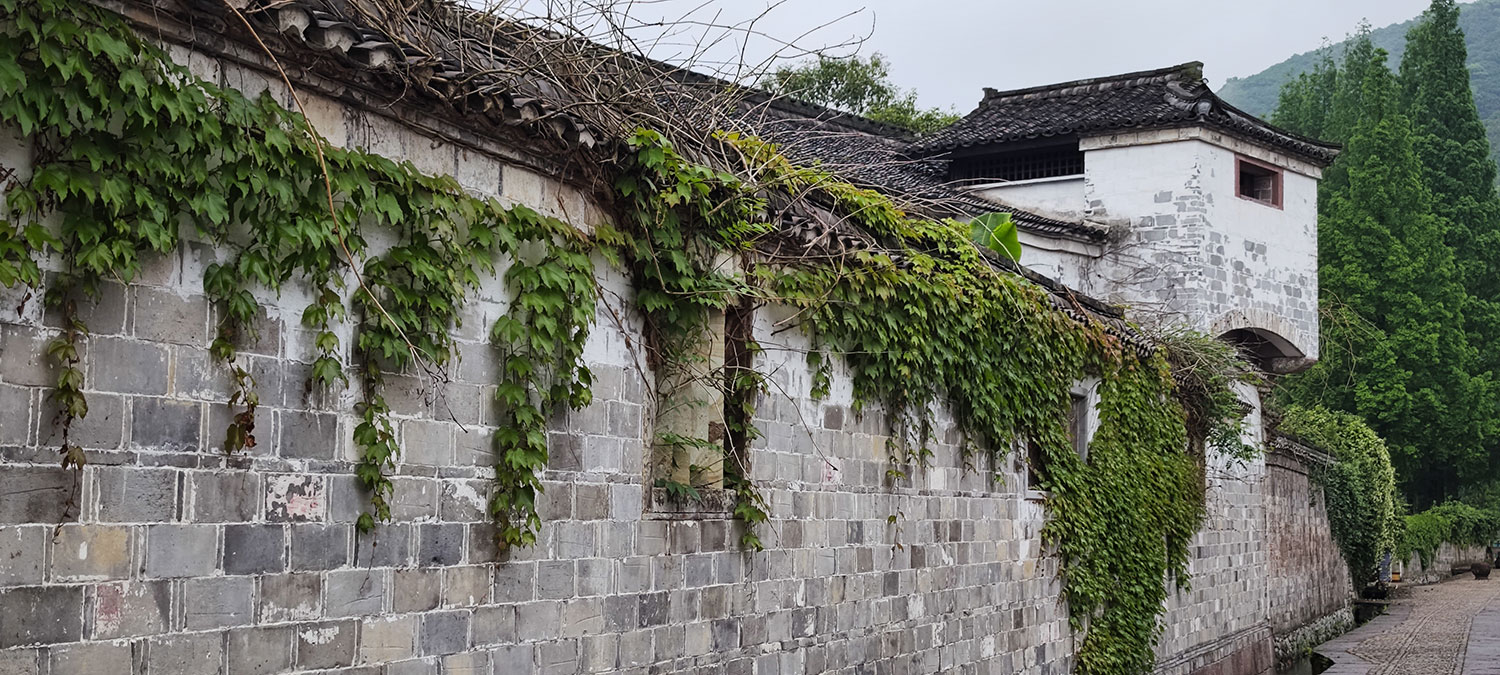
Ruyayang (儒雅洋村) is the first village we visit. There’s a big parking lot for tourists, but it’s all empty. Many stone buildings have a plaque at the gate, stating they were built in the Qing Dynasty, which family lived there, and which cardinal direction the main door is facing.
As I’m taking a picture of one of these Qing houses, a young lady — the first person we see here under retirement age — walks into the courtyard. She explains she’s from Ningbo and is just here for the May holiday, and the Qing house is her grandma’s. She invites us for lunch. I want to say yes, but Eva has been telling me that Chinese people, when they invite you, don’t always mean it (委婉), and that I’ve been too eager to accept these things — so I politely say no.

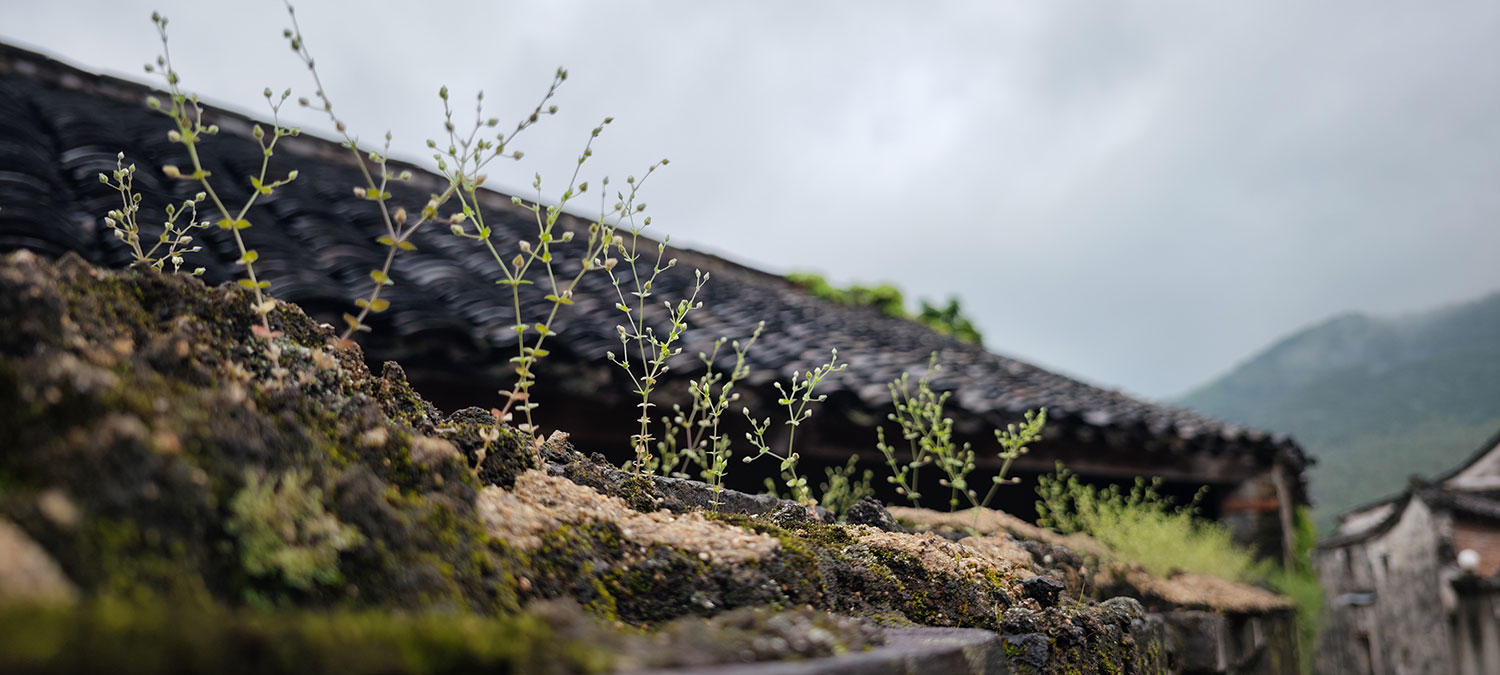

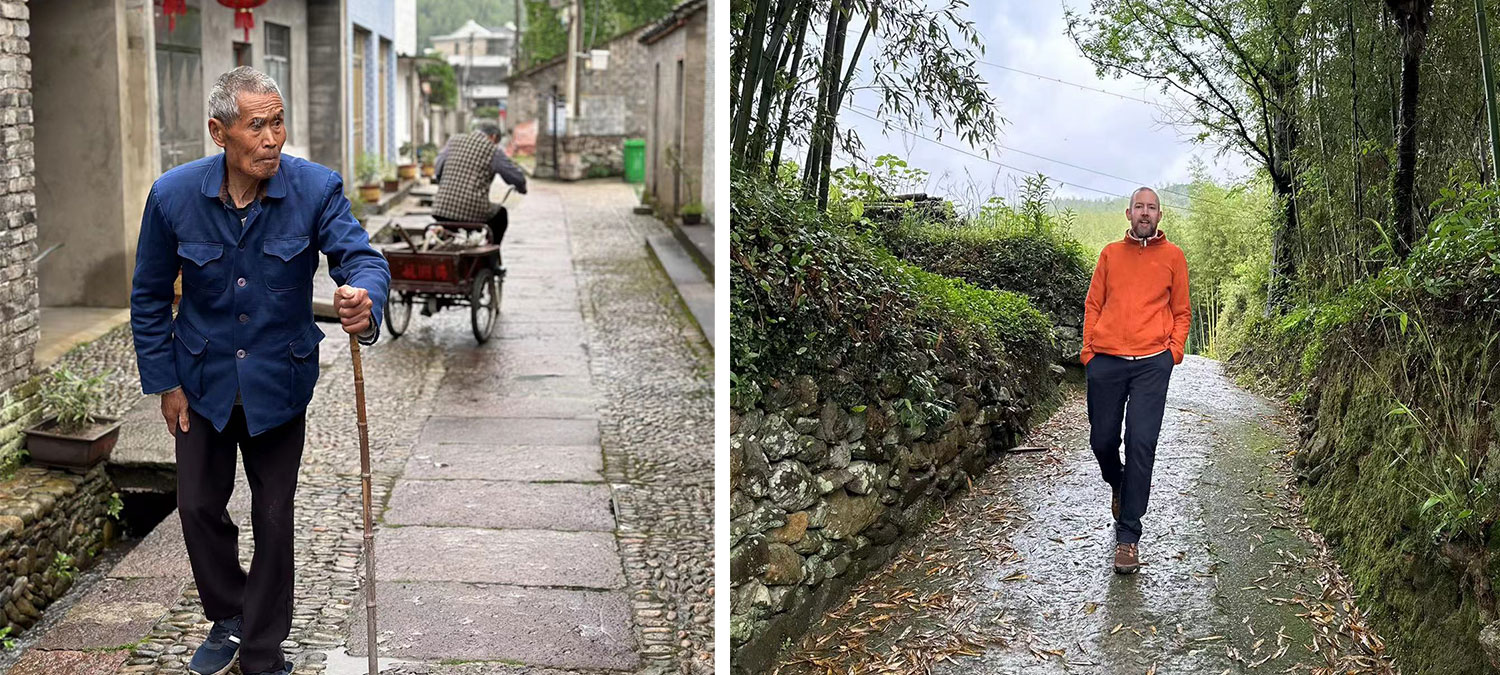

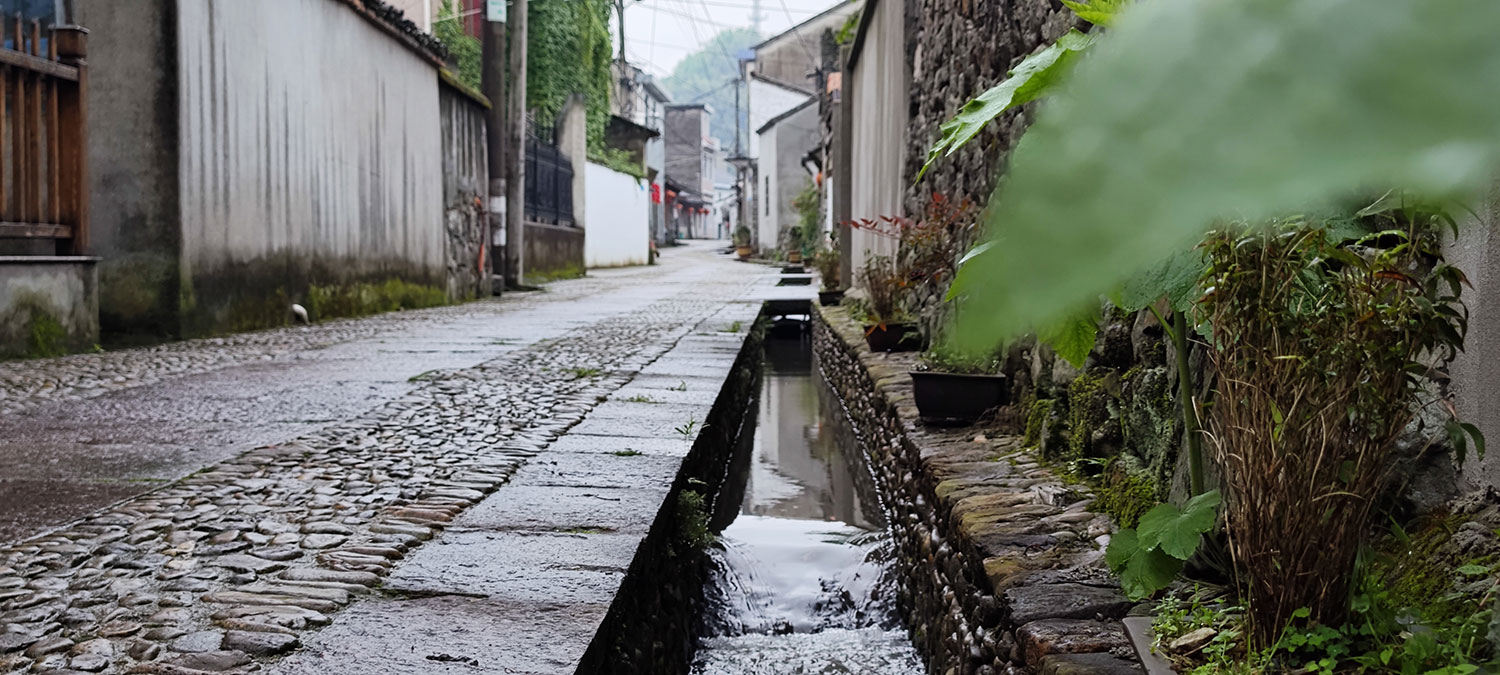
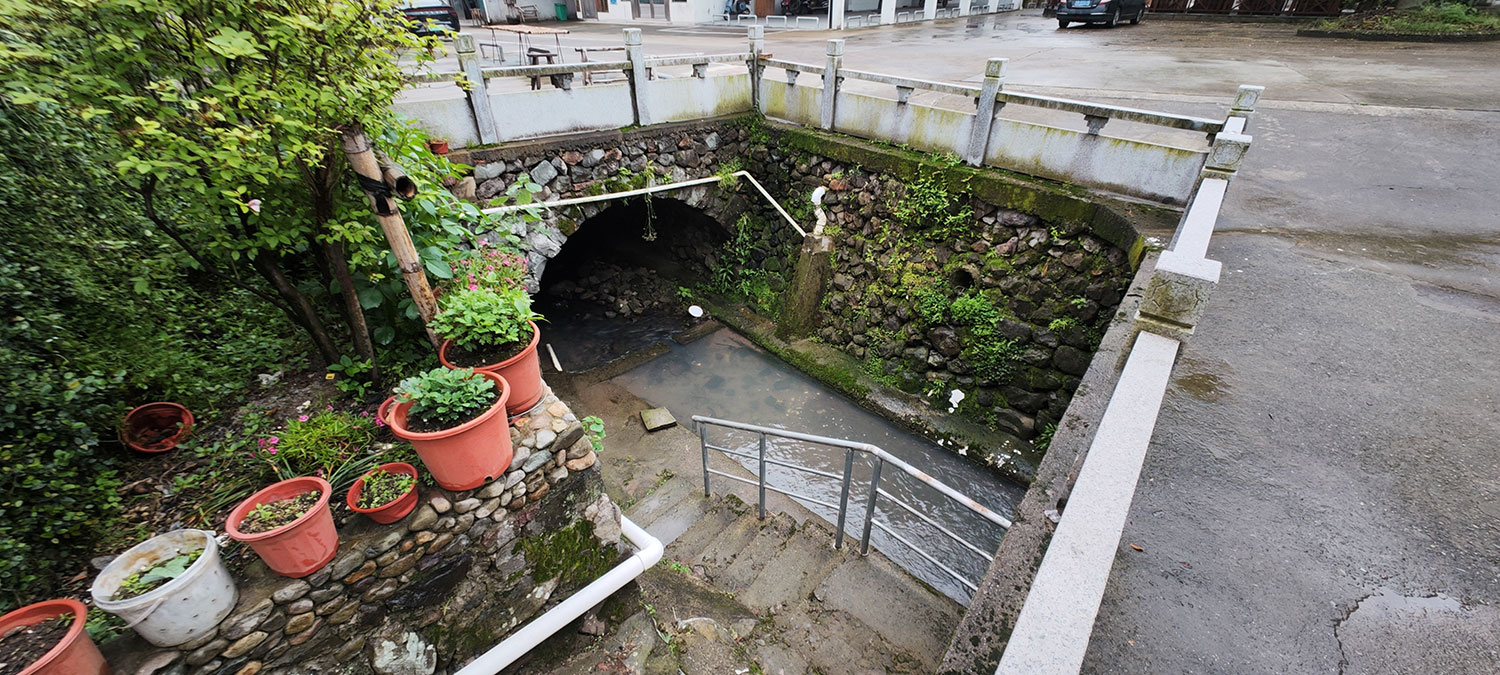
The village — like many in Zhejiang — has a clever water system, with the main river going around the village, but small waterways going around or underneath the houses.
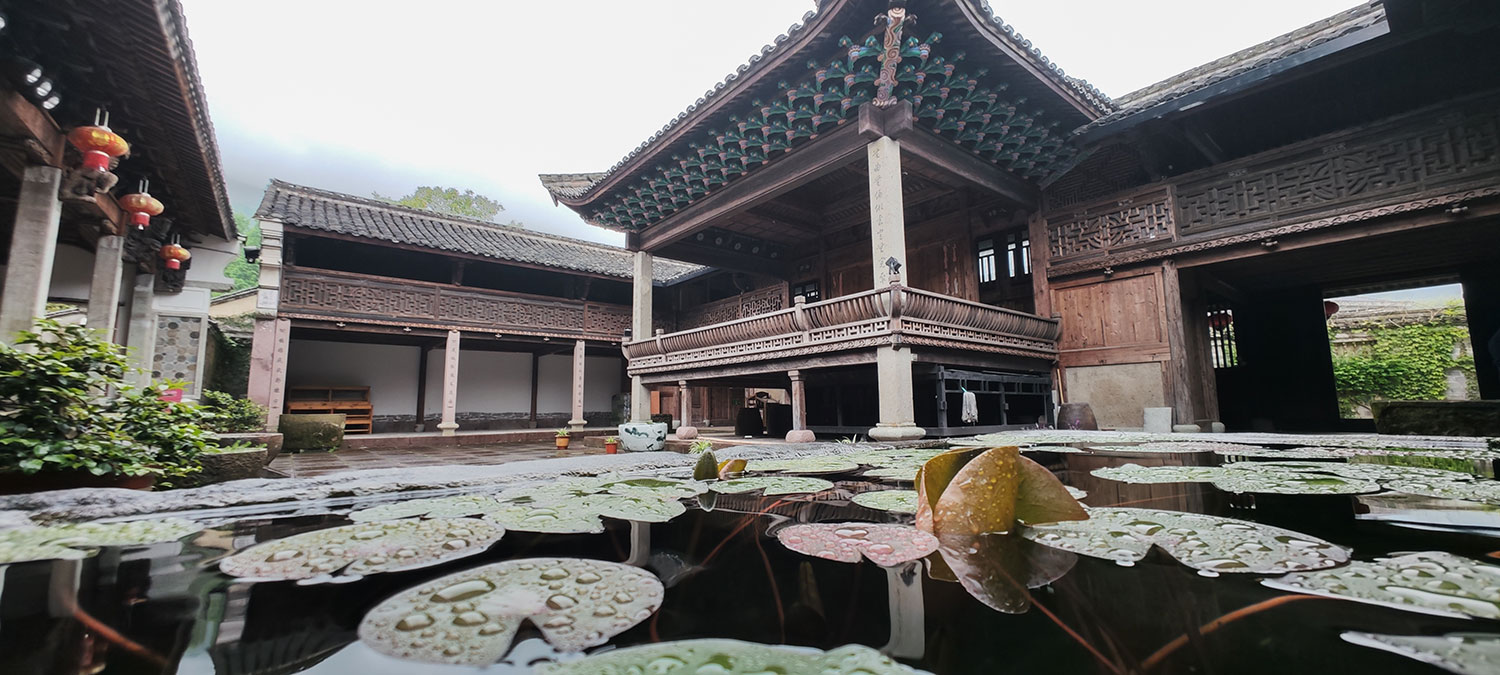
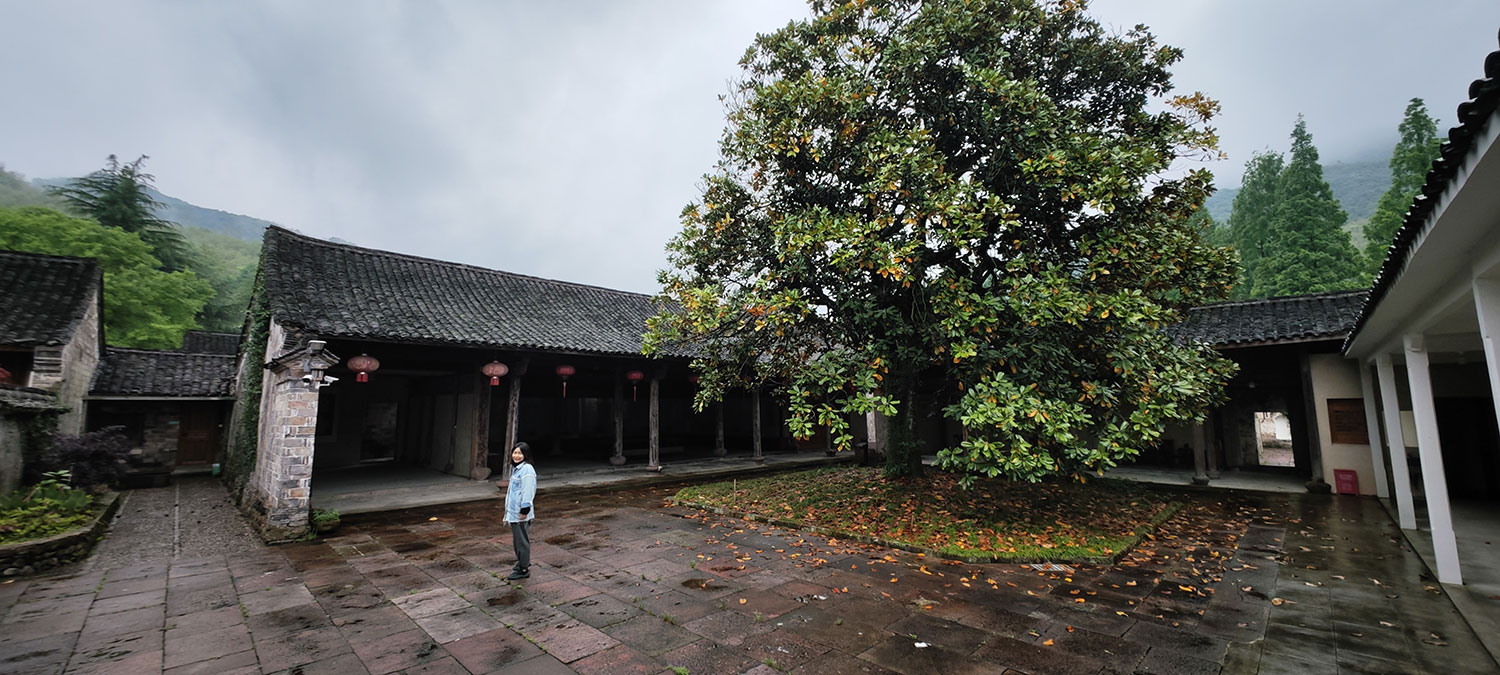
There’s a city hall (祠堂), where two seniors are fixing a fuse box. We walk around as one senior tells us the place is 400 years old, although it was burned down and rebuilt in between then and now. They are busy maintaining and restoring it: “Let me turn on the lights for you”.


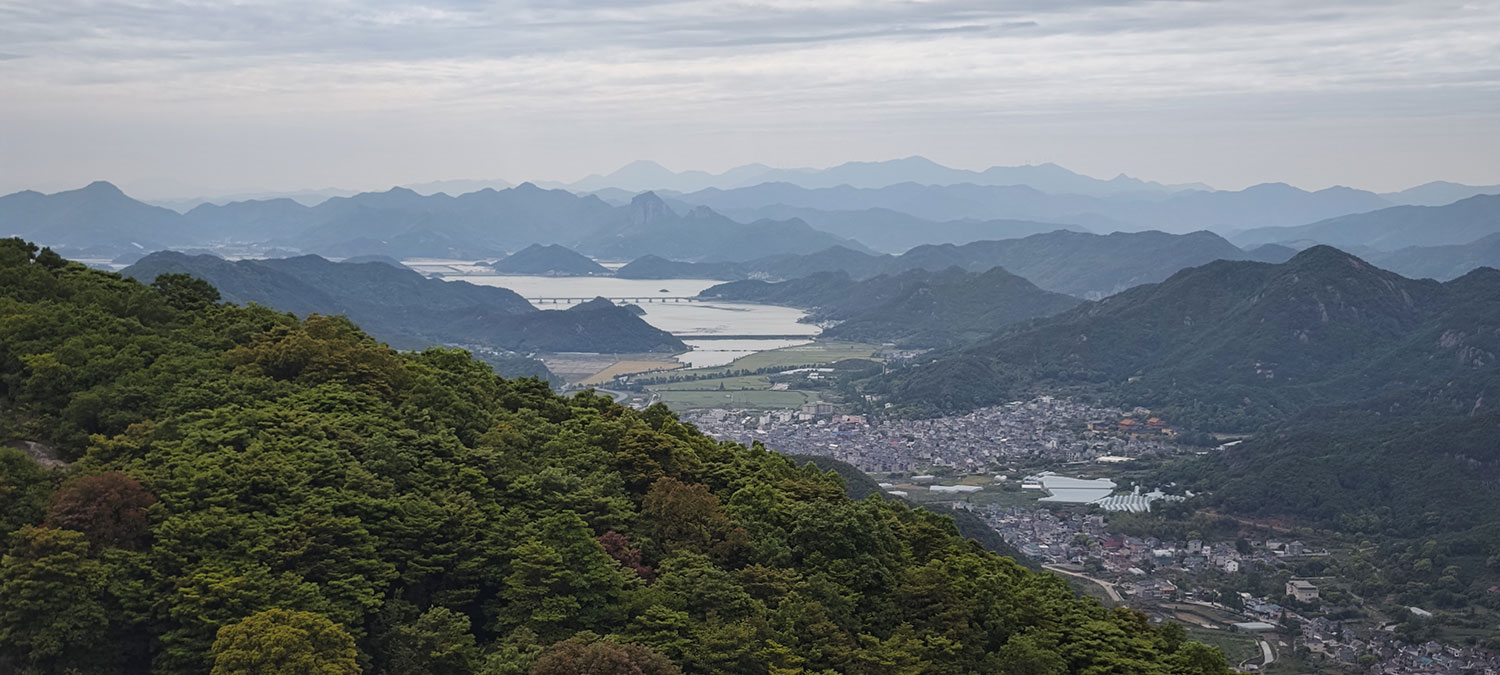
We head out to White Rock Mountain (白岩山) in Xinqiao (新桥镇). The place name is a necessary addition here, because there are two other mountains in the area with exactly the same name. It’s the only mountain I can find on Dianping without an entrance ticket, which means this should be less of a tourist trap. There is a temple and a peacock coop (a male peacock tries to attract a female, with visitors cheering him on). The best thing is the view, pretty as only Zhejiang can be.
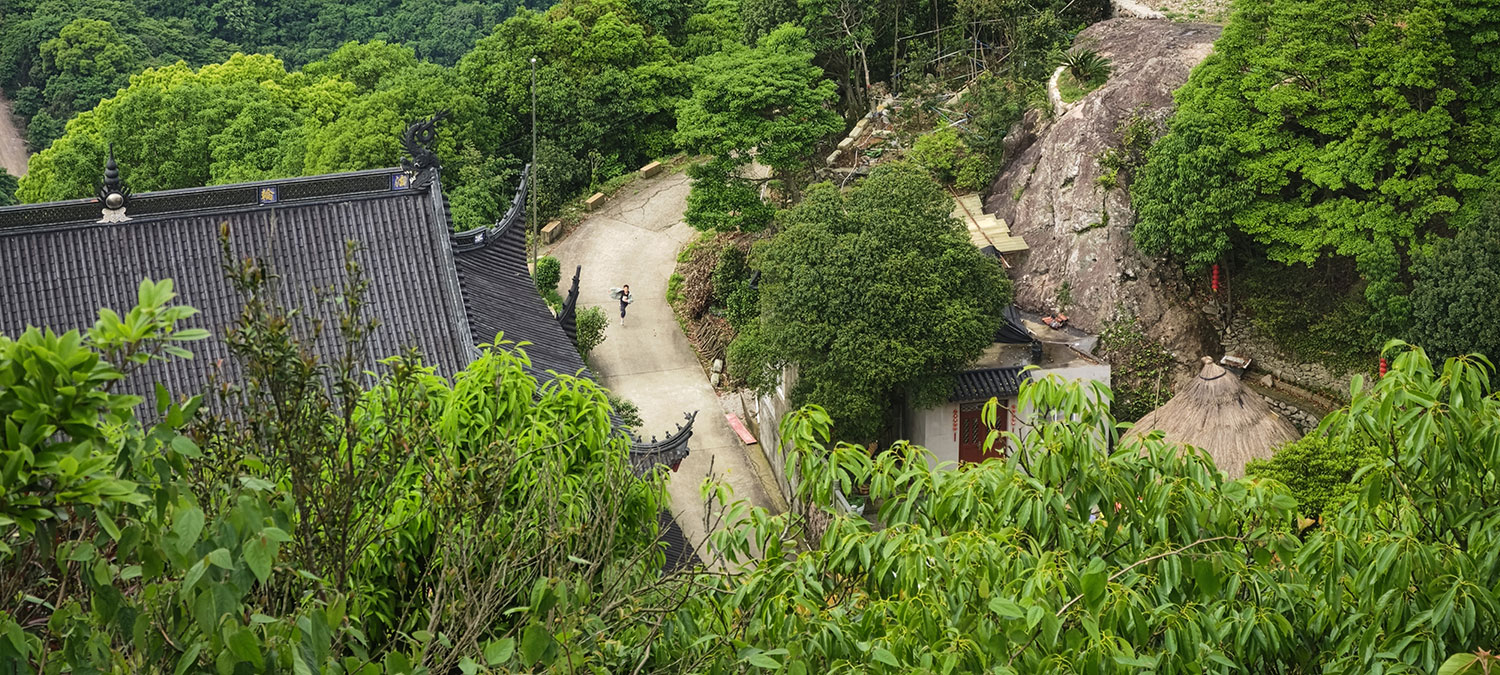
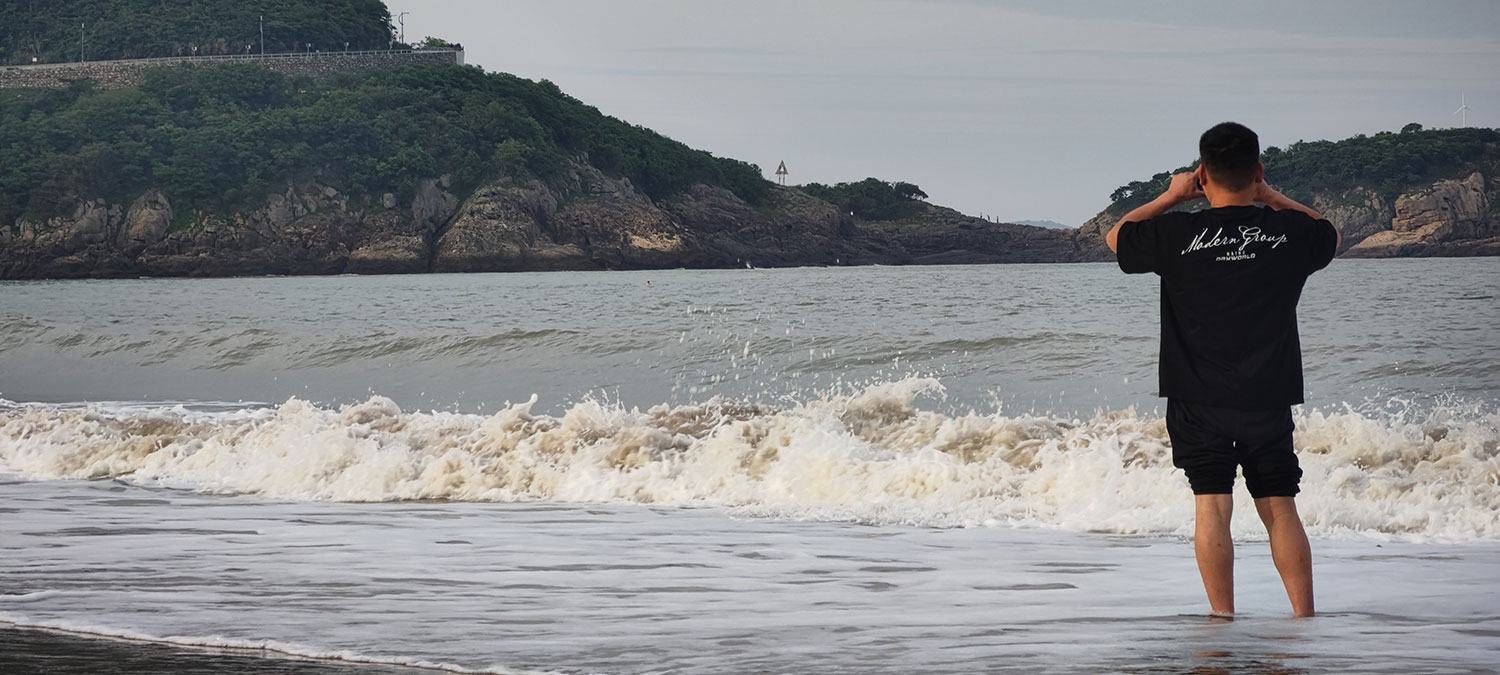
Our final stop of the day is on the island of Hepu (鹤浦岛), in the Dasha Village (大沙村). We cannot go further south, or further east.
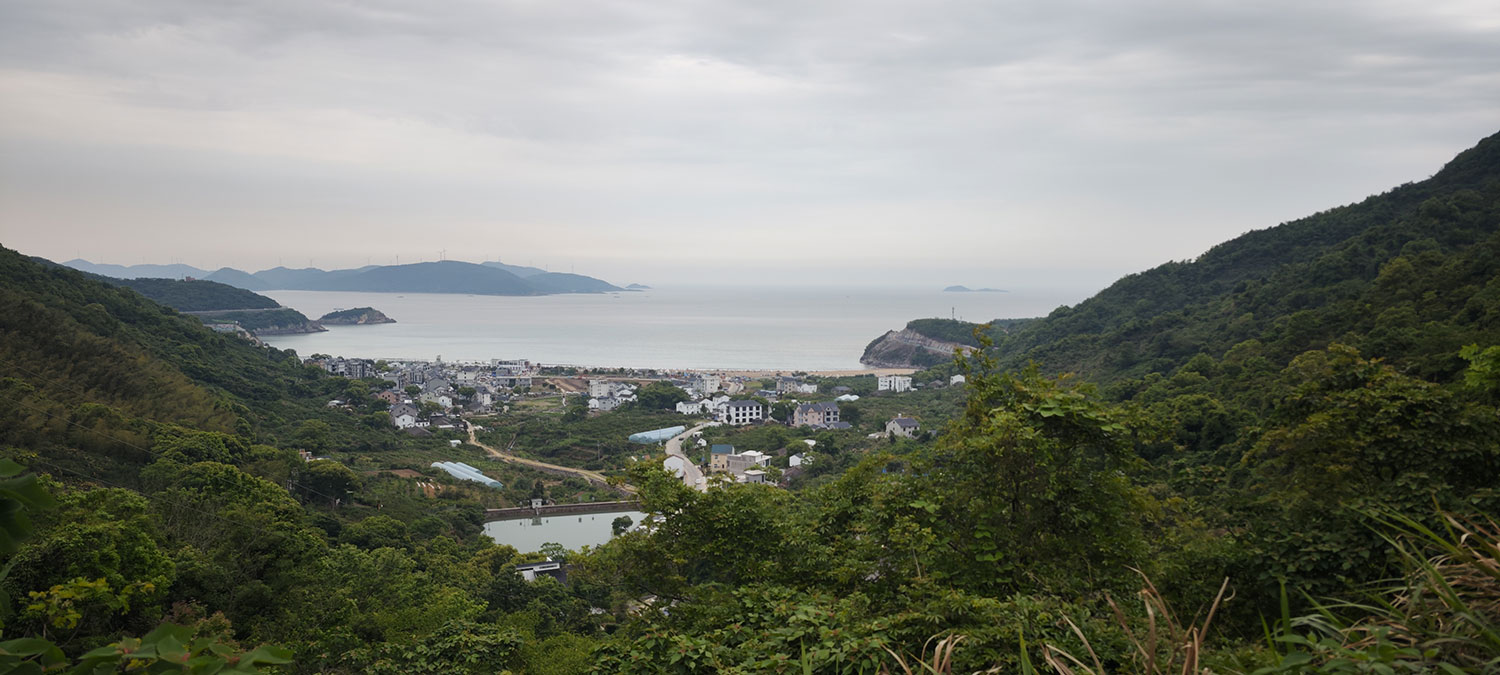
And there are times you’re so far away from home that it becomes the main thing occupying your mind. I had it when I, as a teenager, arrived in Australia for an internship, or when I as a twenty-something traveled in India. And I have it now. Is this what the sea does to people? I have my feet in the sand, the waves come in and the sun is setting down. The beach is full of people — none from where I come from, but I belong here. I’m not homesick, and yet I think of home. I’m on the edge of Zhejiang.