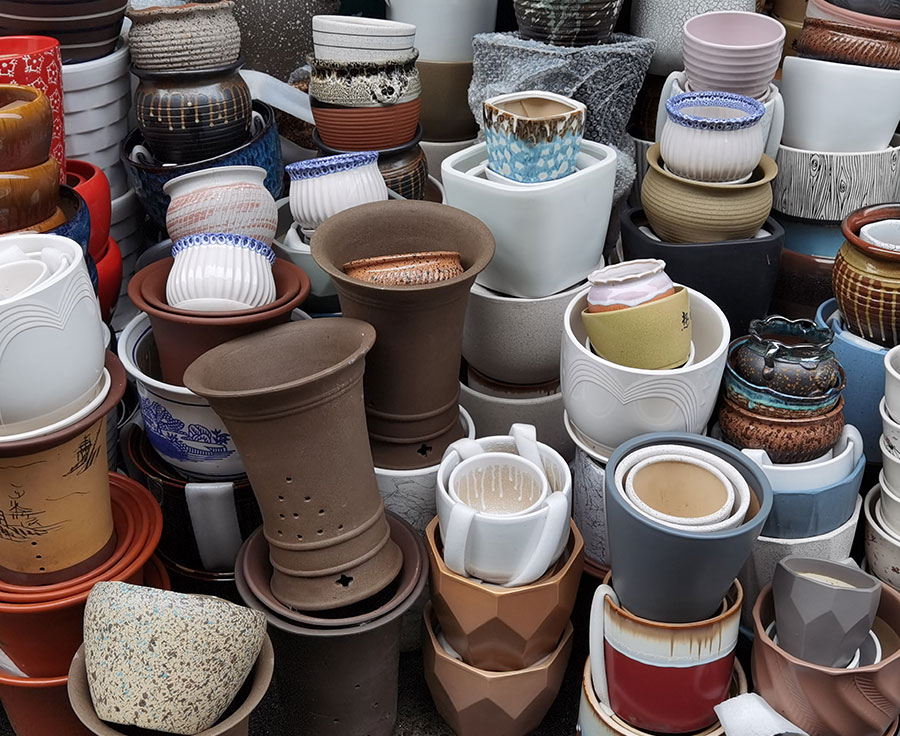
There’s this famous anecdote of a professor who fills a glass with rocks, pebbles, then with sand, and then adds water, and there’s some life lesson in that. Well, I think Shanghai is such a jar as well.
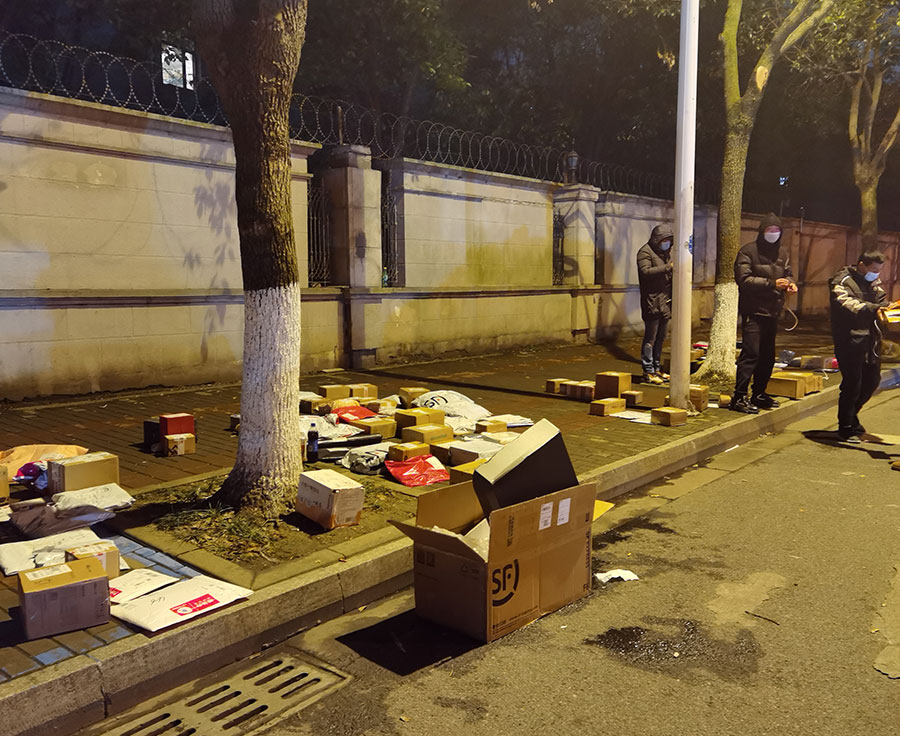
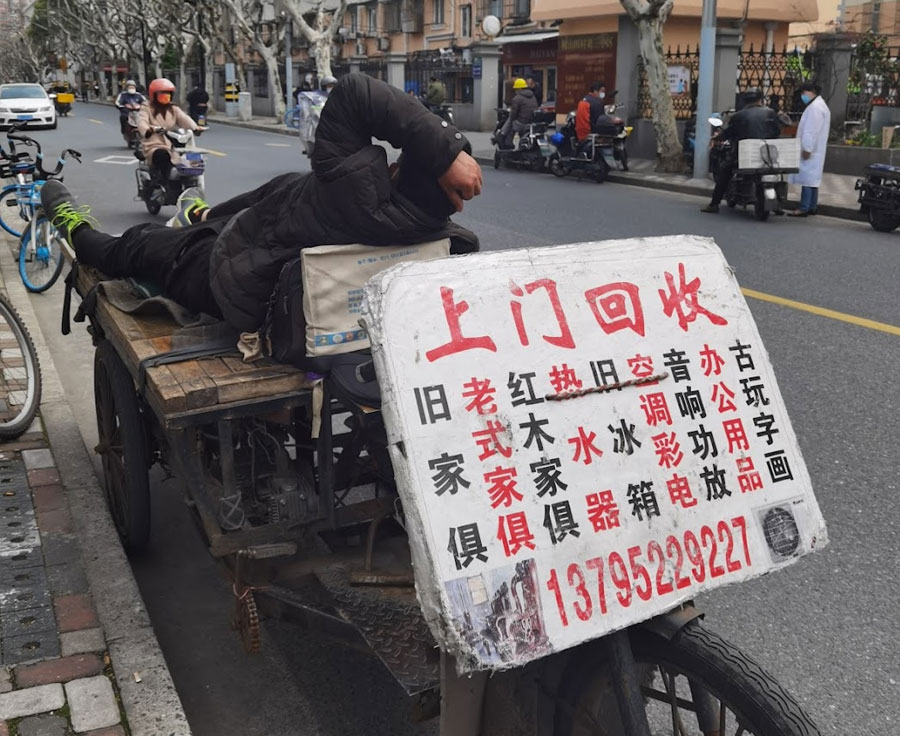
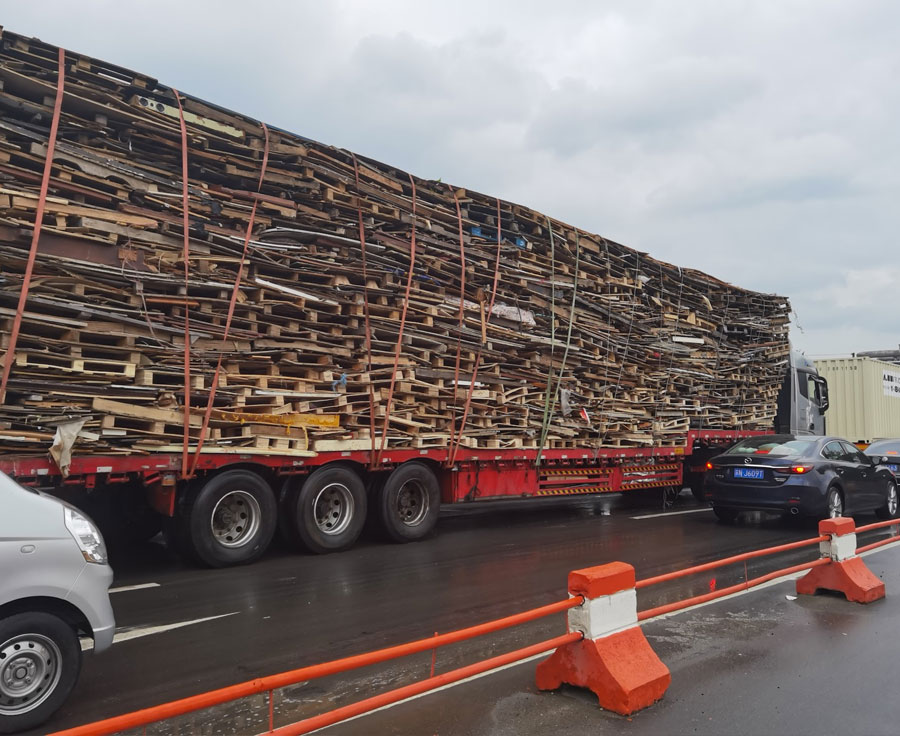
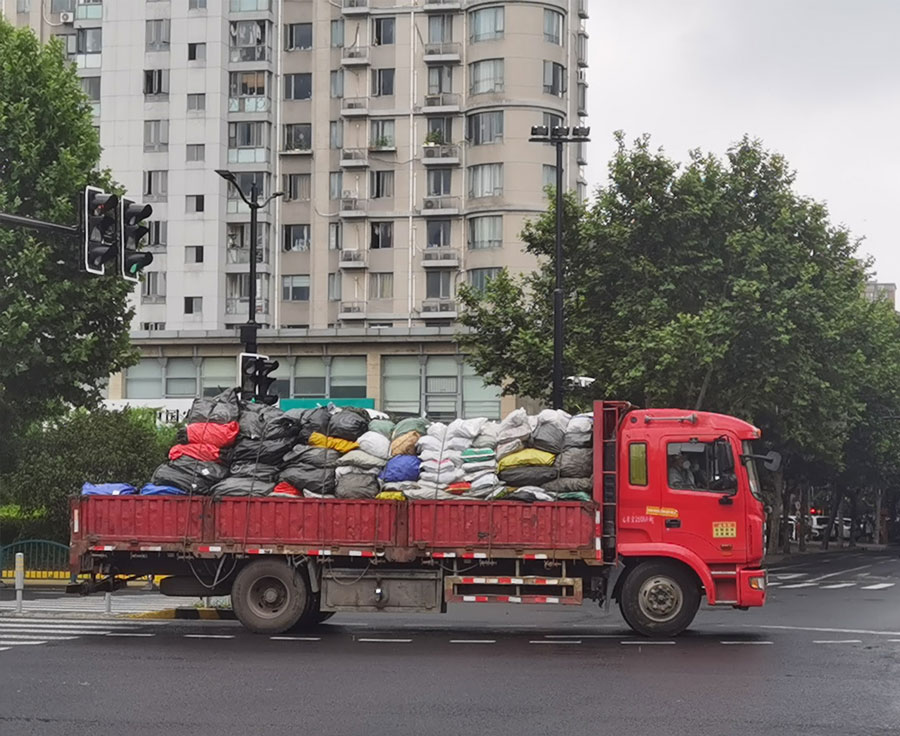
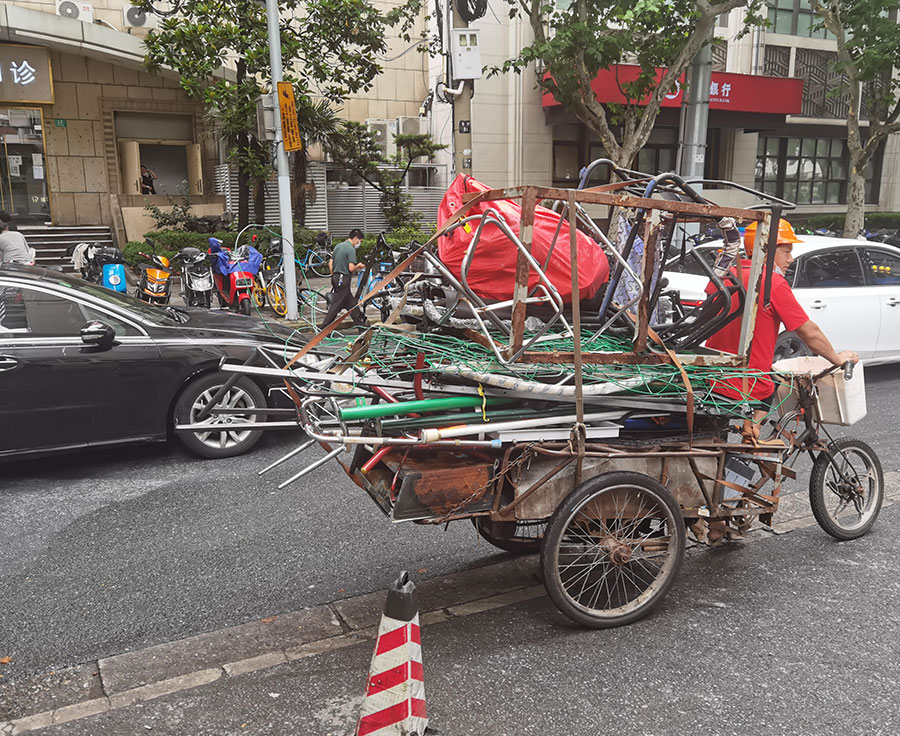
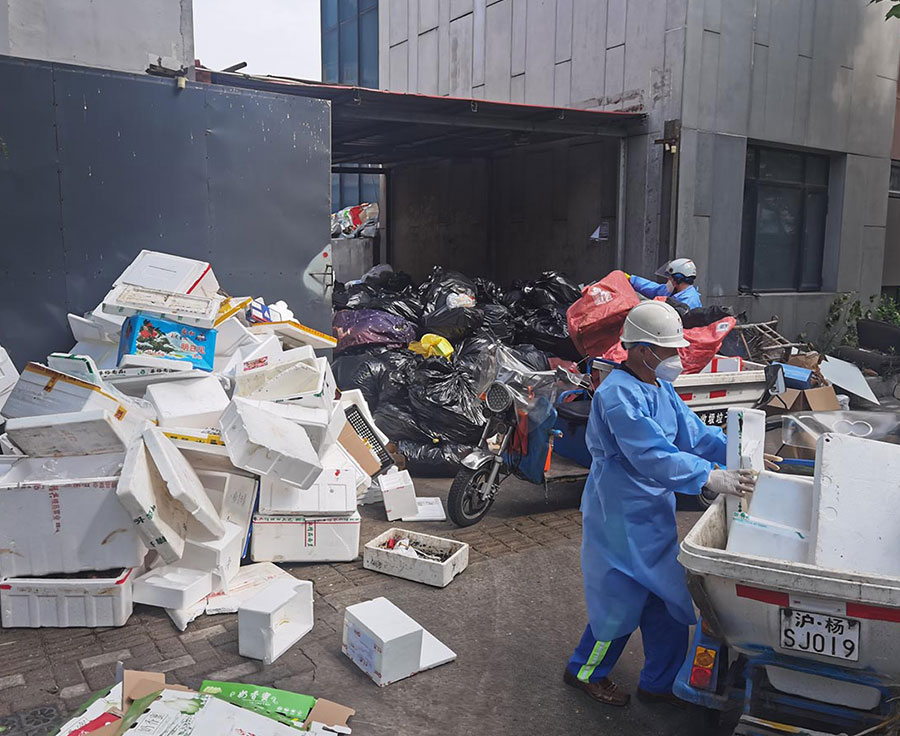
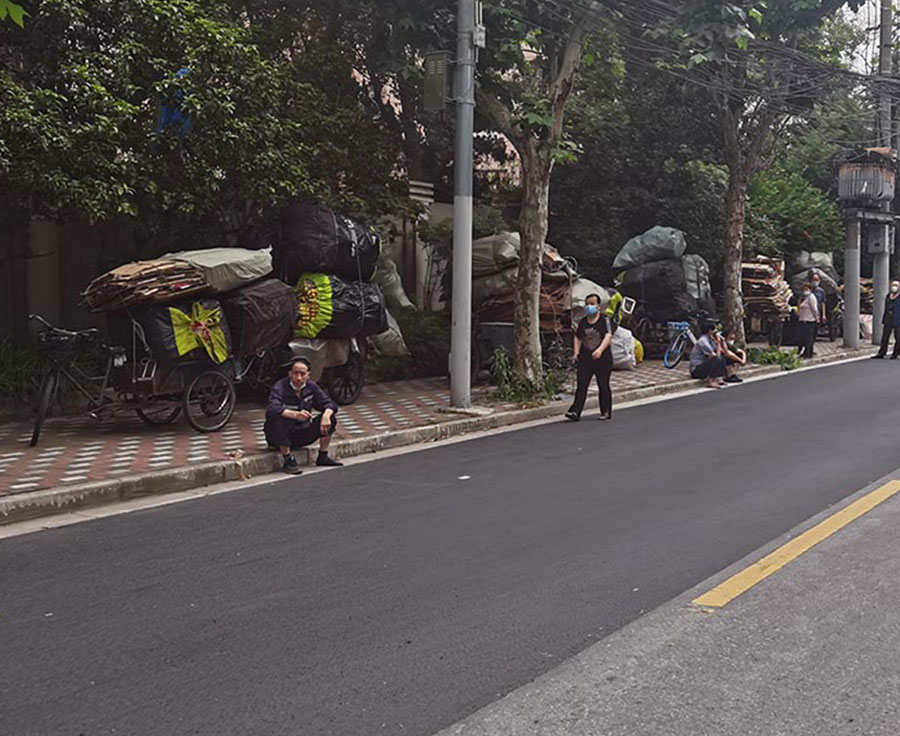
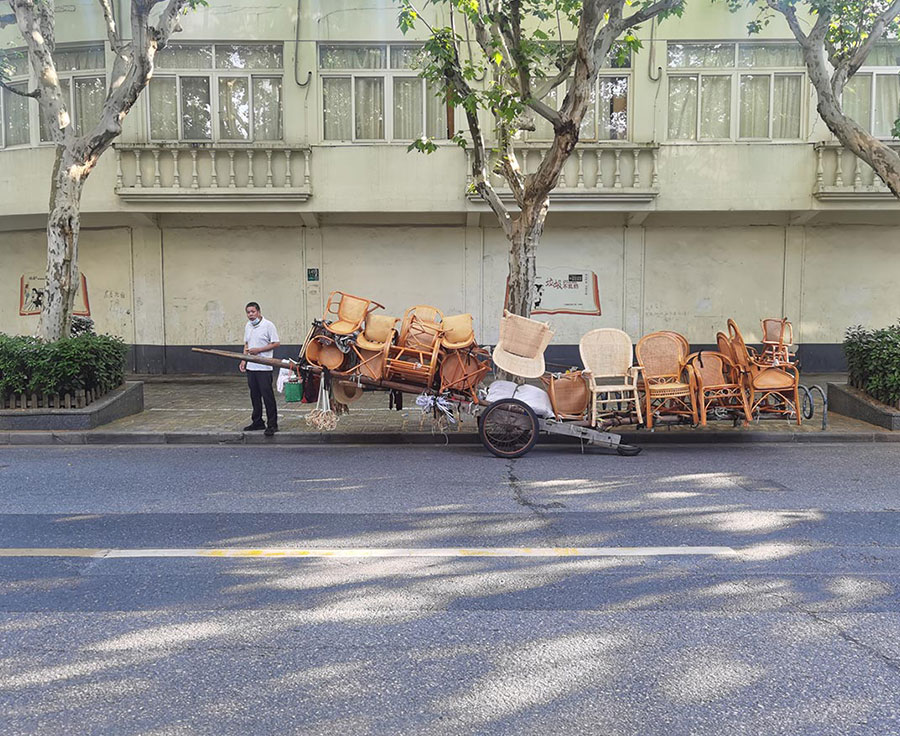
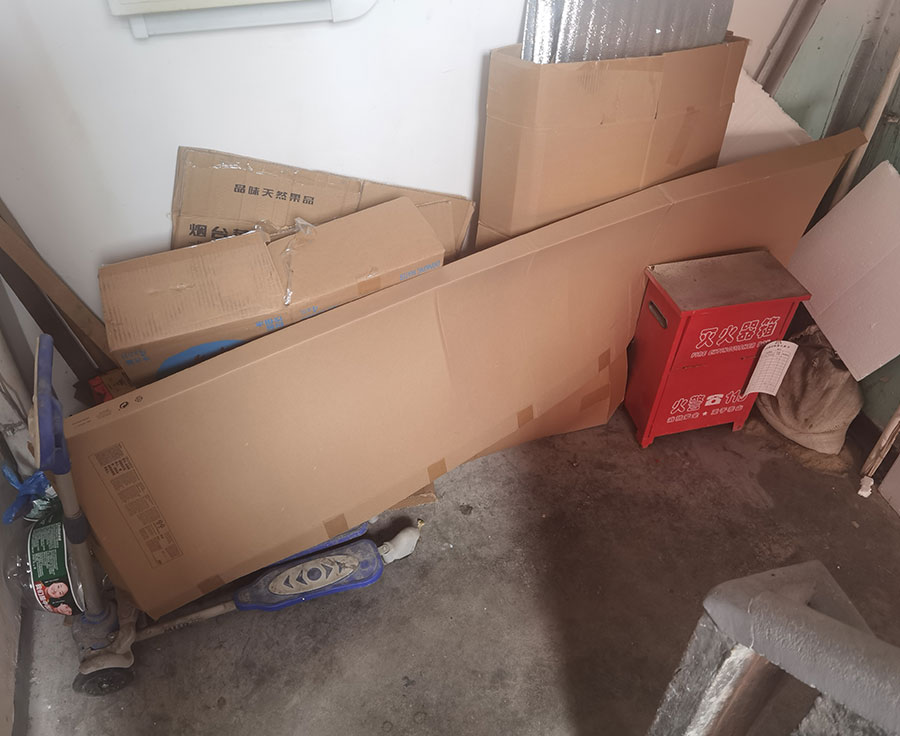
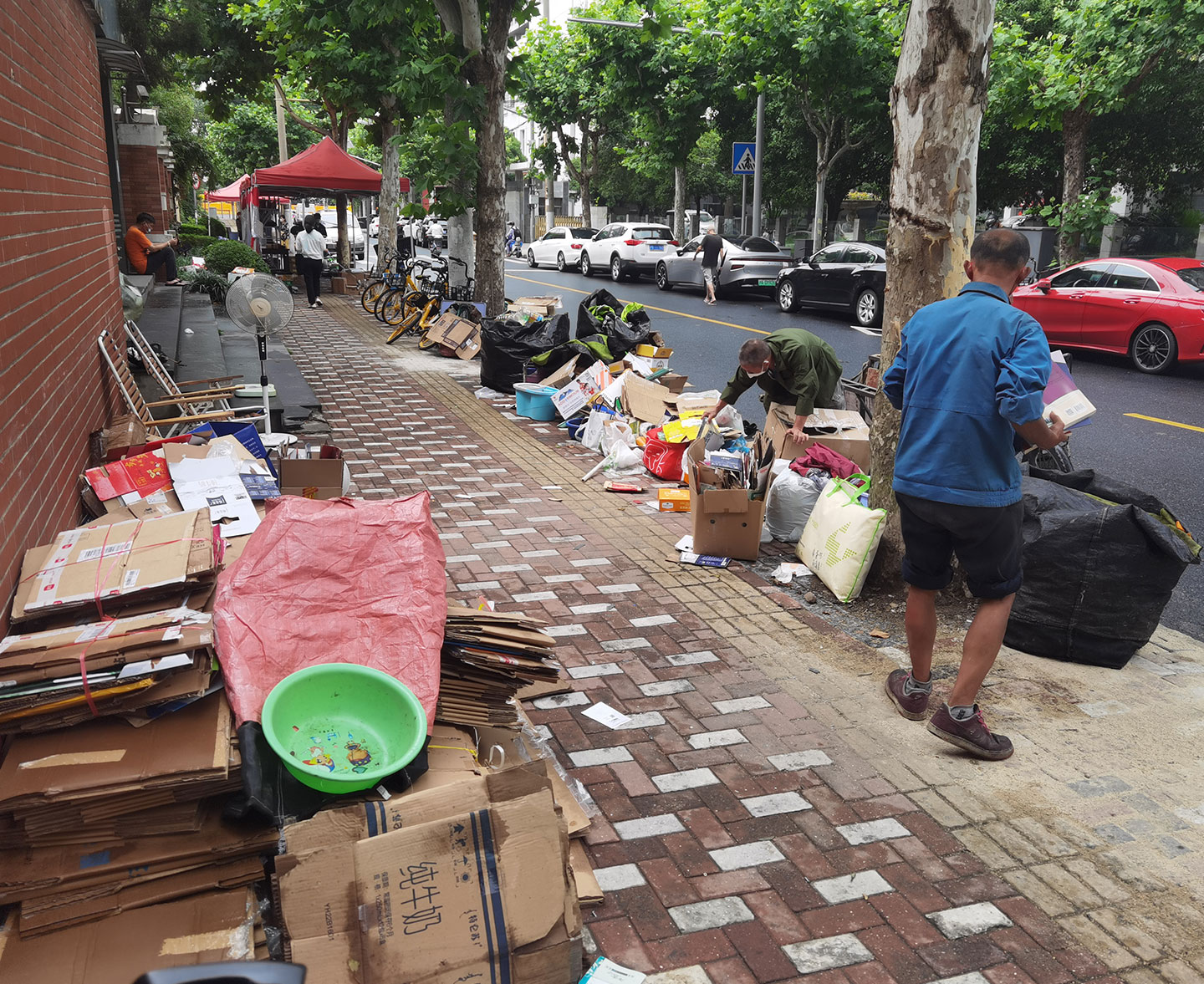
Everything is decomposed on the ladder of wealth. On the top people are buying mansions and supercars — businesses work on big algorithms etcetera, then it trickles down to just overpriced coffee and Nike or Adidas shirts & shoes. Staff in offices, staff in the Boy London or Anta store, the subway station & subway tickets. And at the bottom, you’ll find heaps of leftover metal, wooden pallets, styrofoam boxes, and cardboard. Ayi’s hoarding it in staircases, shifu’s picking it up to sell it somewhere else.
Everything that can be made money from — no matter how small — will be. This part of China is extremely environmentally friendly, not because for the sake of the planet, but for bread earning.
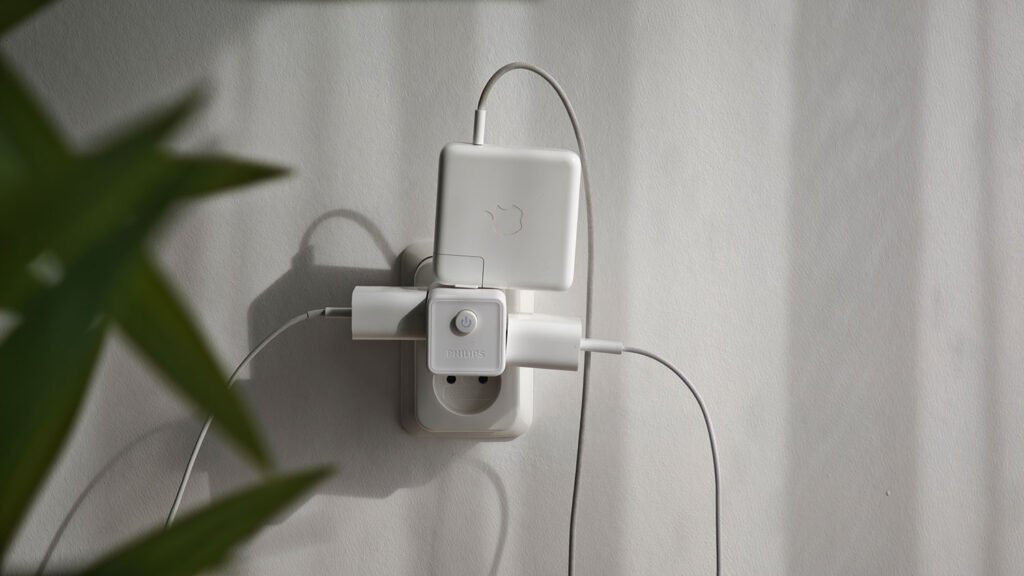
When I moved to China in 2018, it was just food that was delivered through apps like Eleme and Meituan — and then some companies (such as Luckin) started delivering coffee. A guy (or girl… but less often) driving a scooter to a coffee store and back to your office to deliver one cup of coffee! That was a revelation then but it has quickly become normal now, the same with groceries. But I’ve even bought a Macbook charger — fake but functional — through Eleme and it was delivered within 20 minutes.
Business models move into everything from which money can be made. If there’s a margin, there’s a Chinese company or person doing it. From the big rocks like houses or cars, to the fine sand of cardboard and styrofoam.
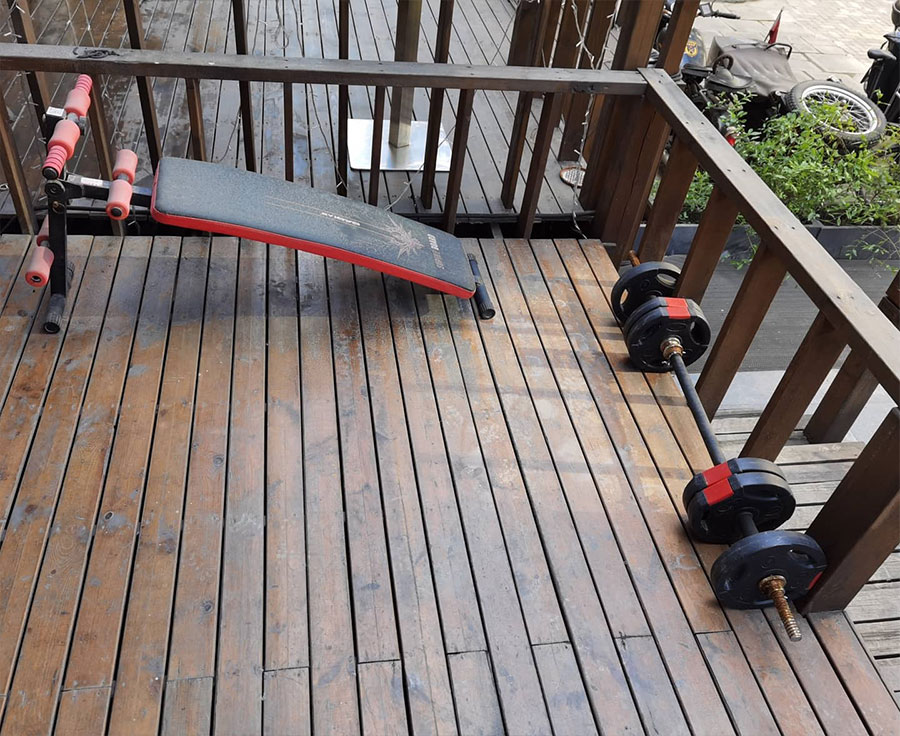
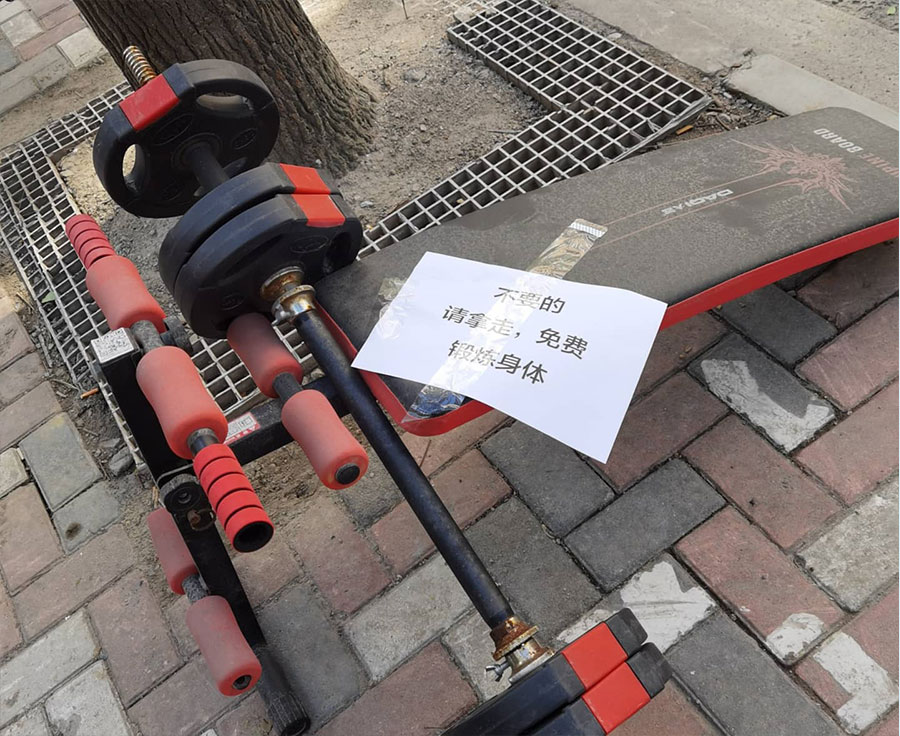
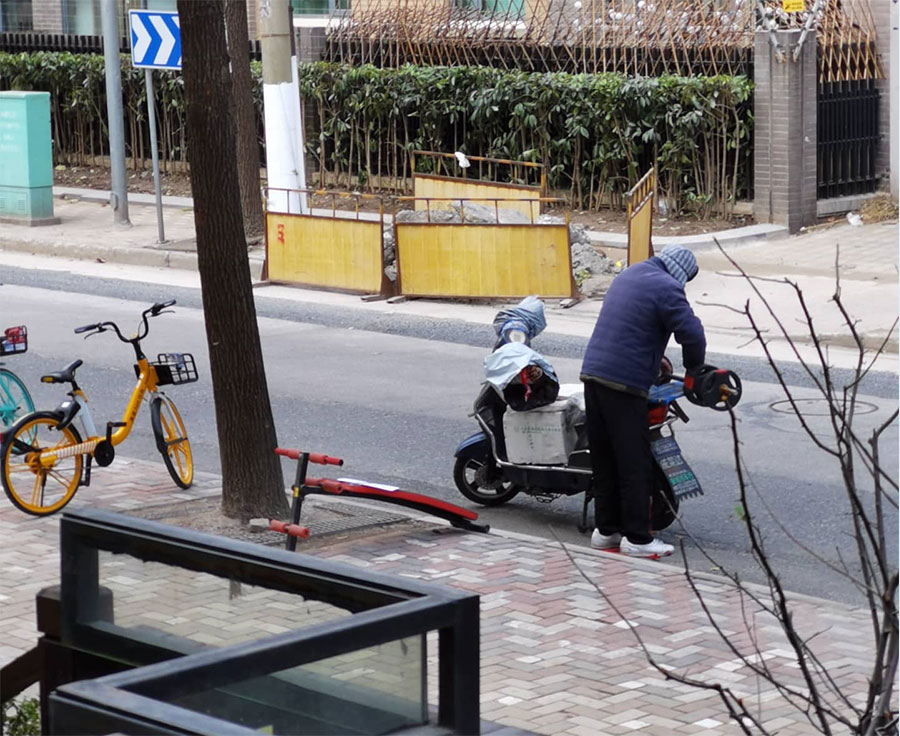
Somebody put his exercising gear on GoEast’s balcony and after several weeks still, nobody had an idea from who it was — so I put it on the street with a message: “Don’t want it, take it for free and exercise!”. It took exactly 15 minutes for someone to carefully strap it to his scooter. — That’s the jar that Shanghai is. 26 million people, everything just flows and solves itself.