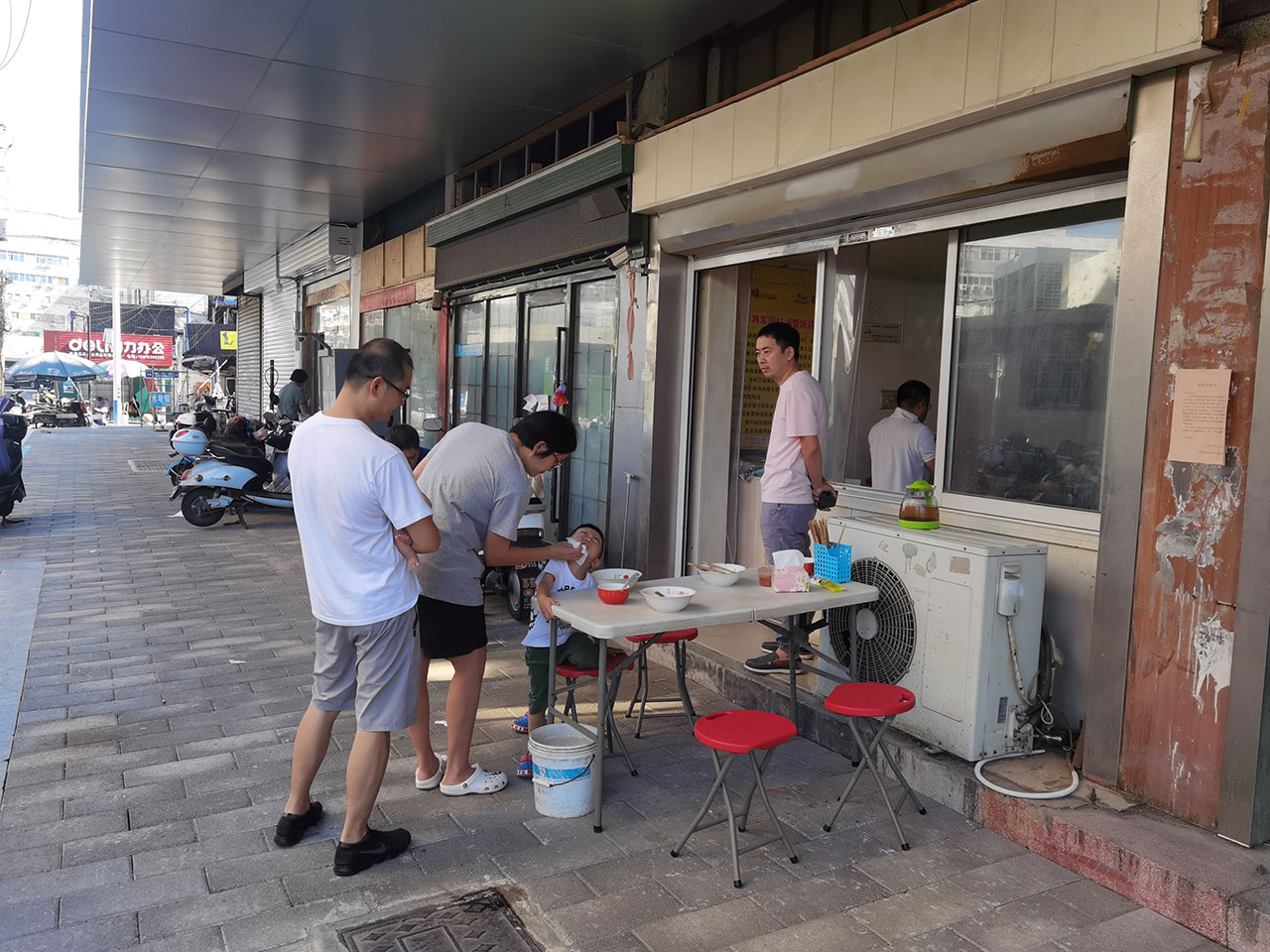
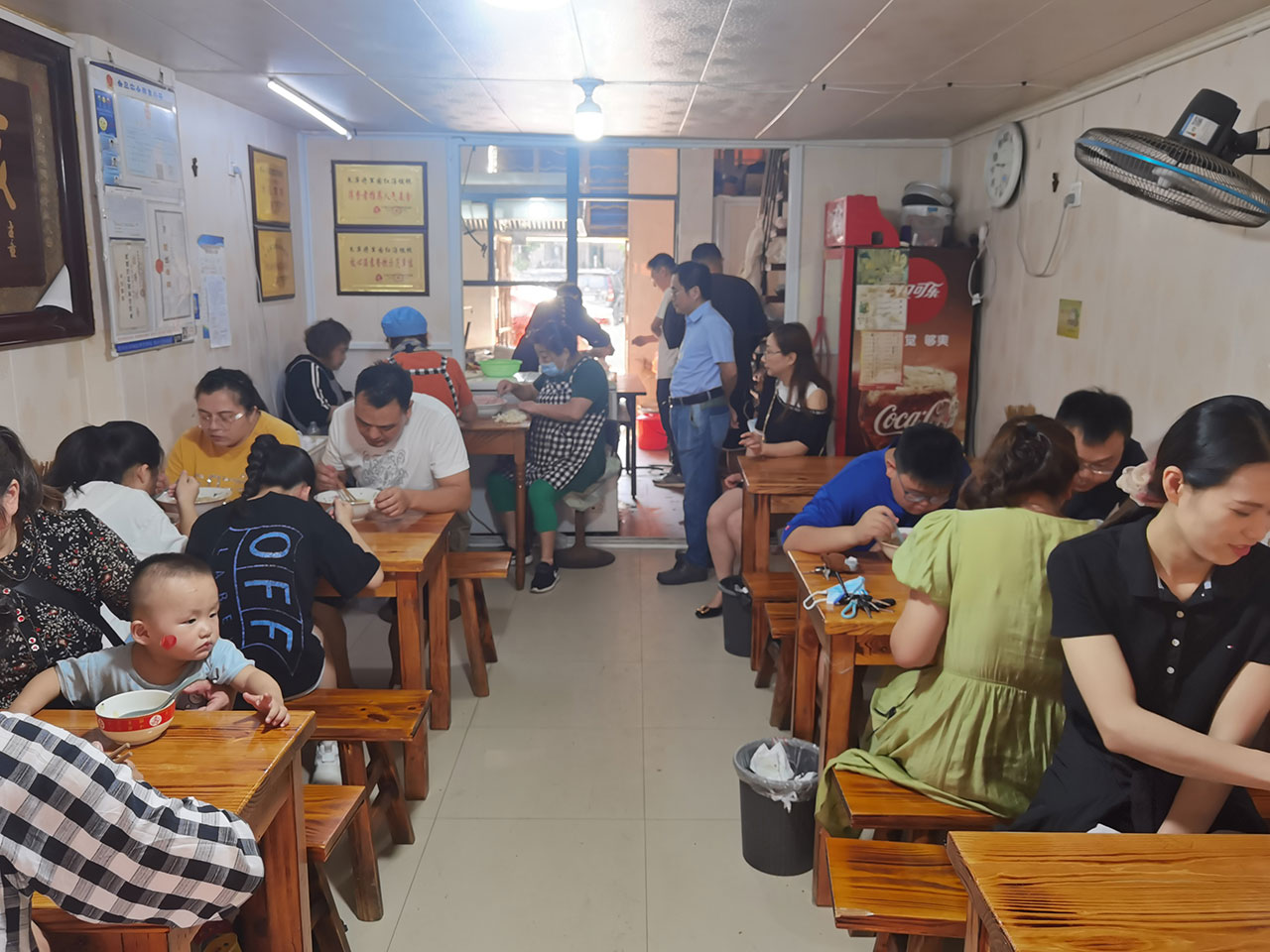
Friend lived in this neighborhood 30 years ago, and we go back to everyone’s favorite wonton store. Someone recognizes her and yells: “Hey! Going to eat wonton?!”
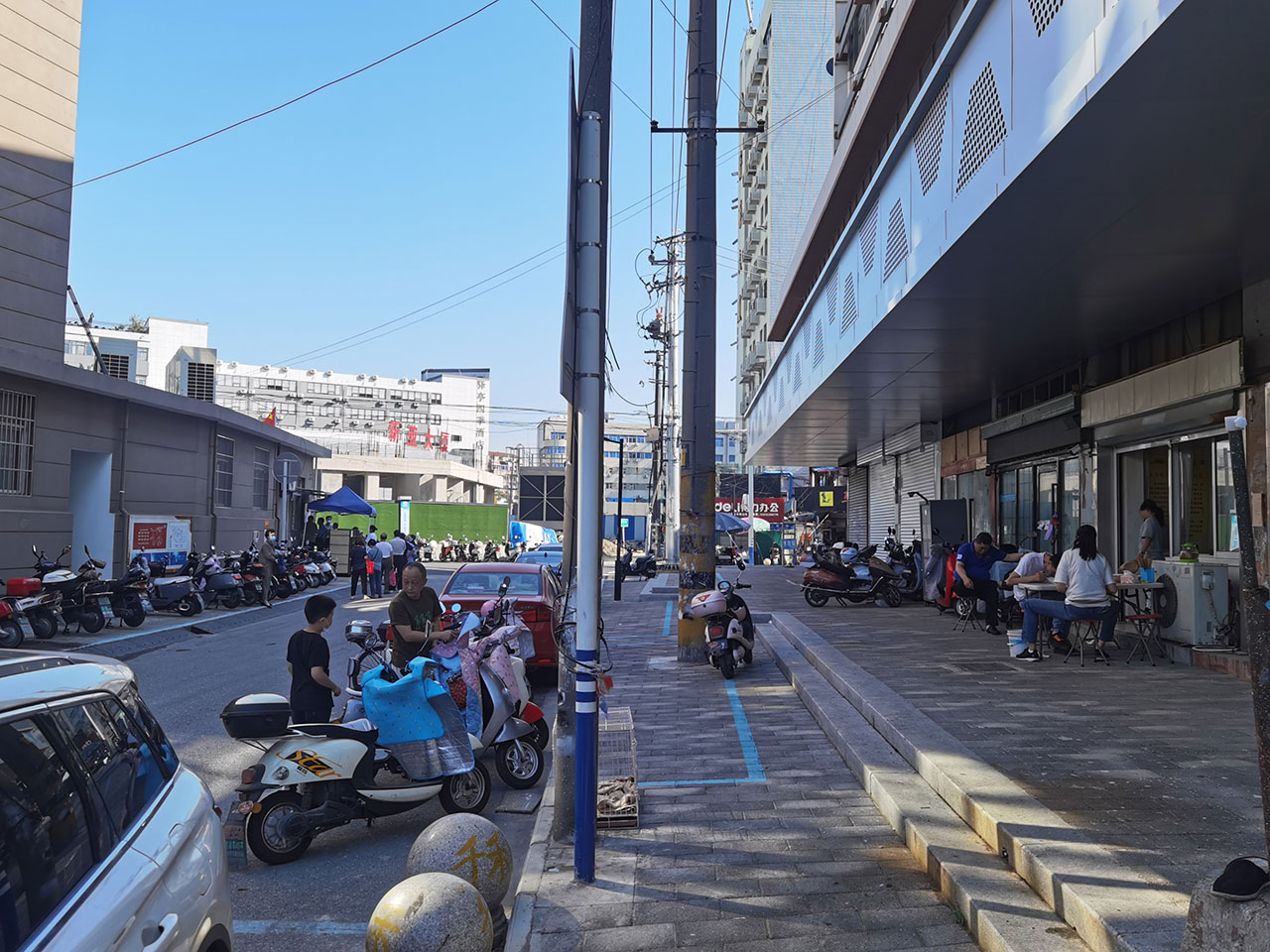
The store is +50 years old, has no logo, yet you need to queue to get your dish. Plus 15RMB for a bowl of pork wonton isn’t super cheap. But it’s really good, made with attention (with broth, some sort of pasty oil, and onions).


Nearby is a curved road that used to be a red light district: “But there are still one or two shops left now.” She nods at one, I peer inside and yep — there’s an old lady a shirt and underwear.
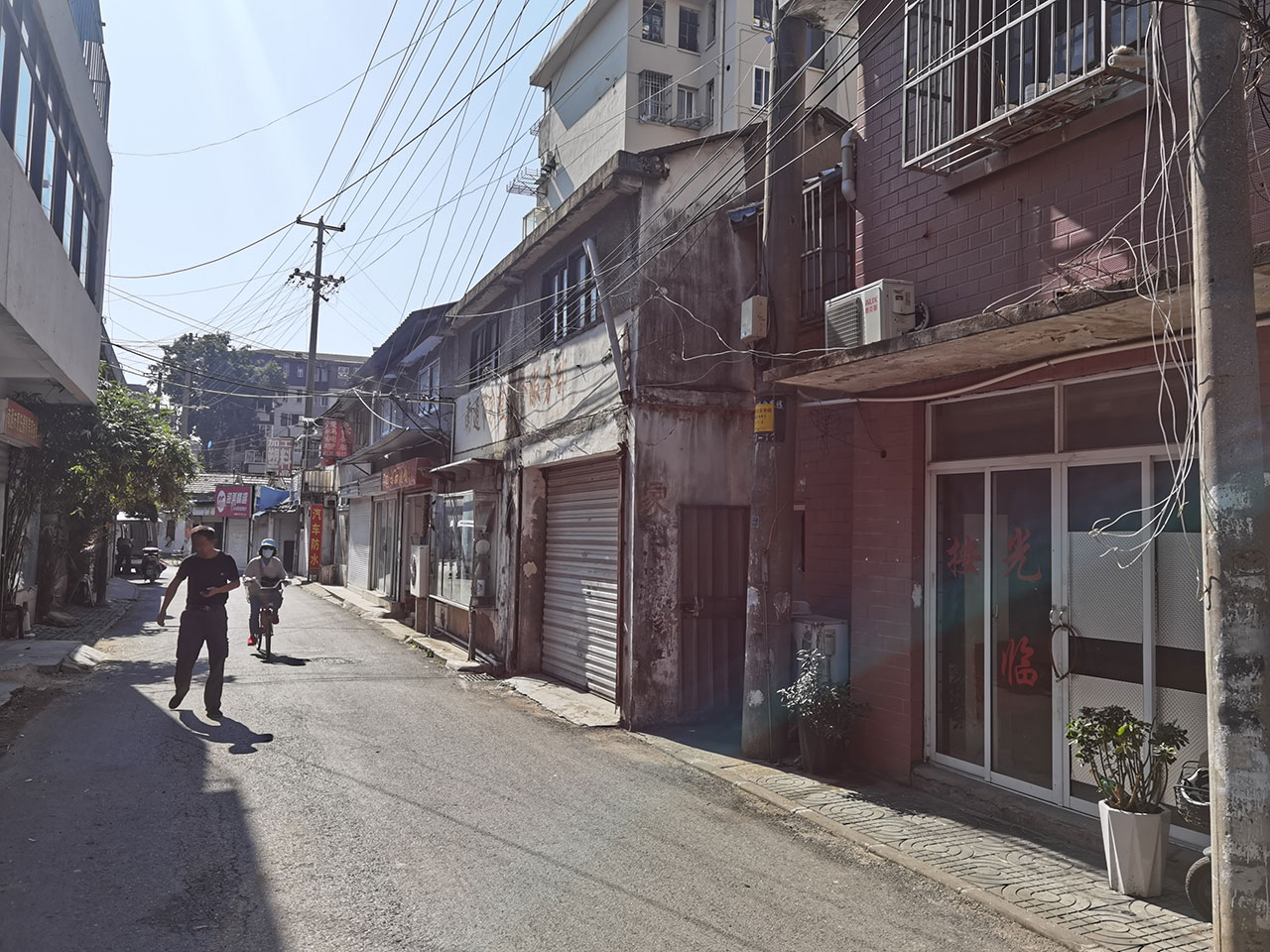
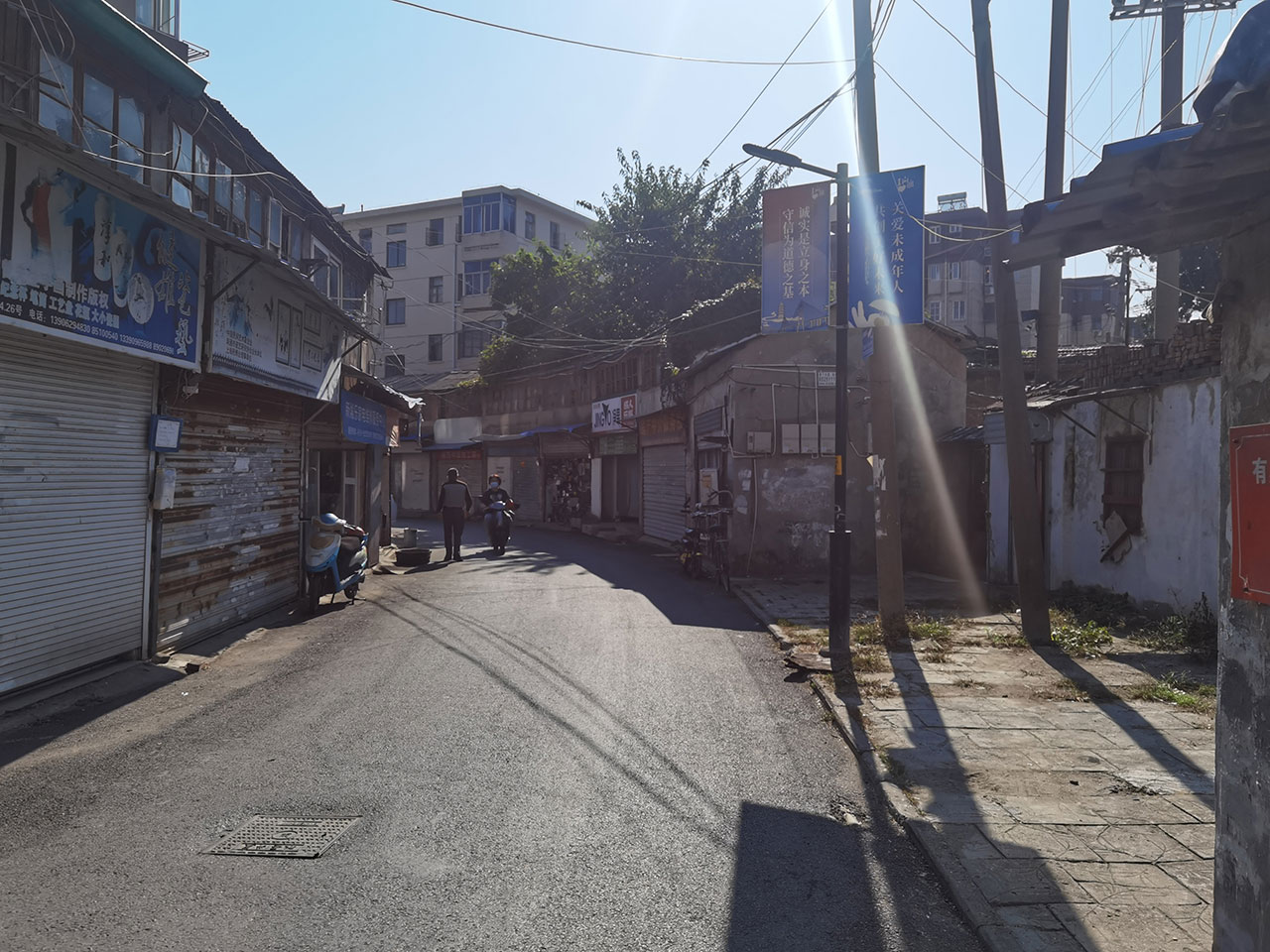
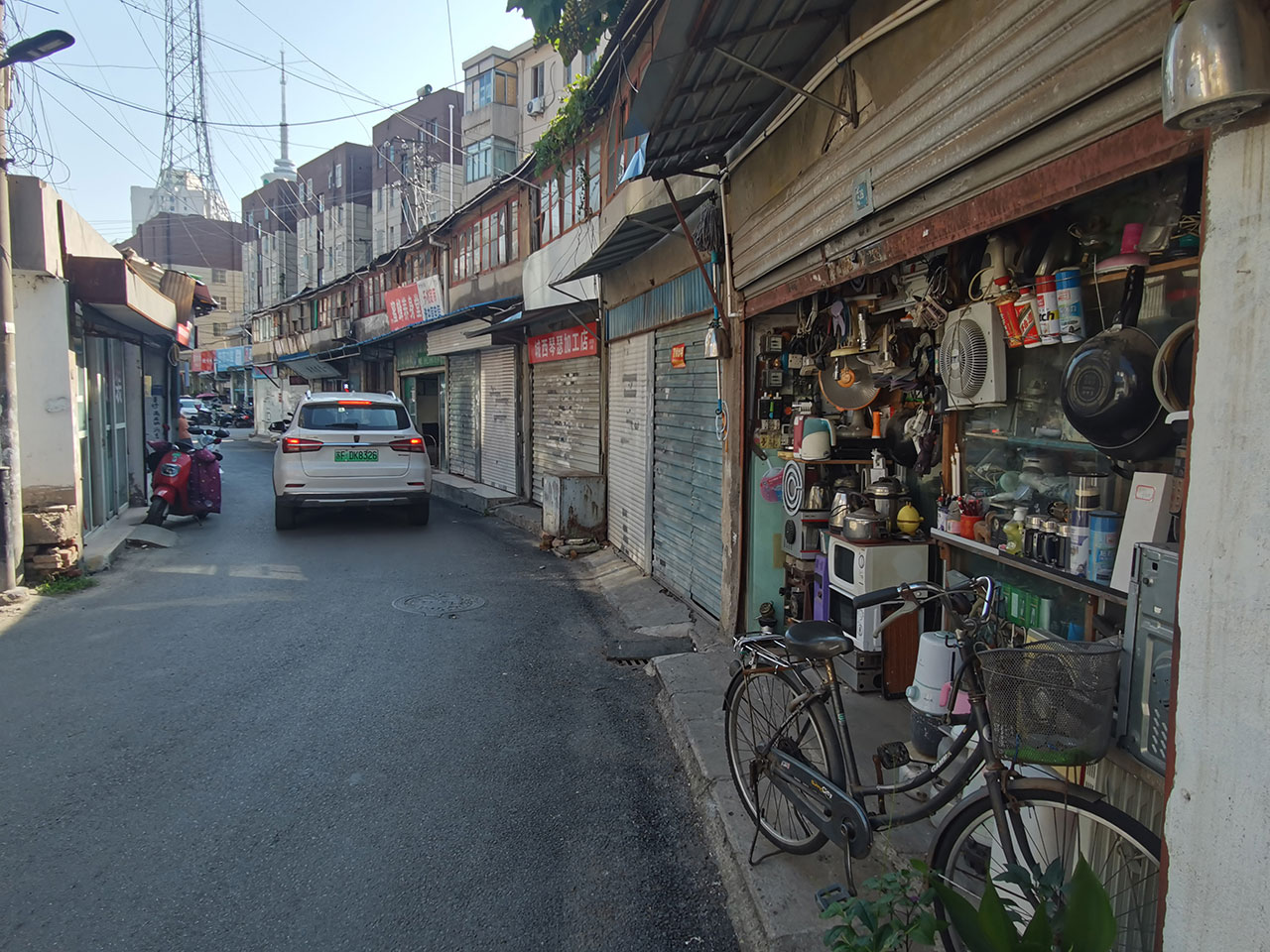
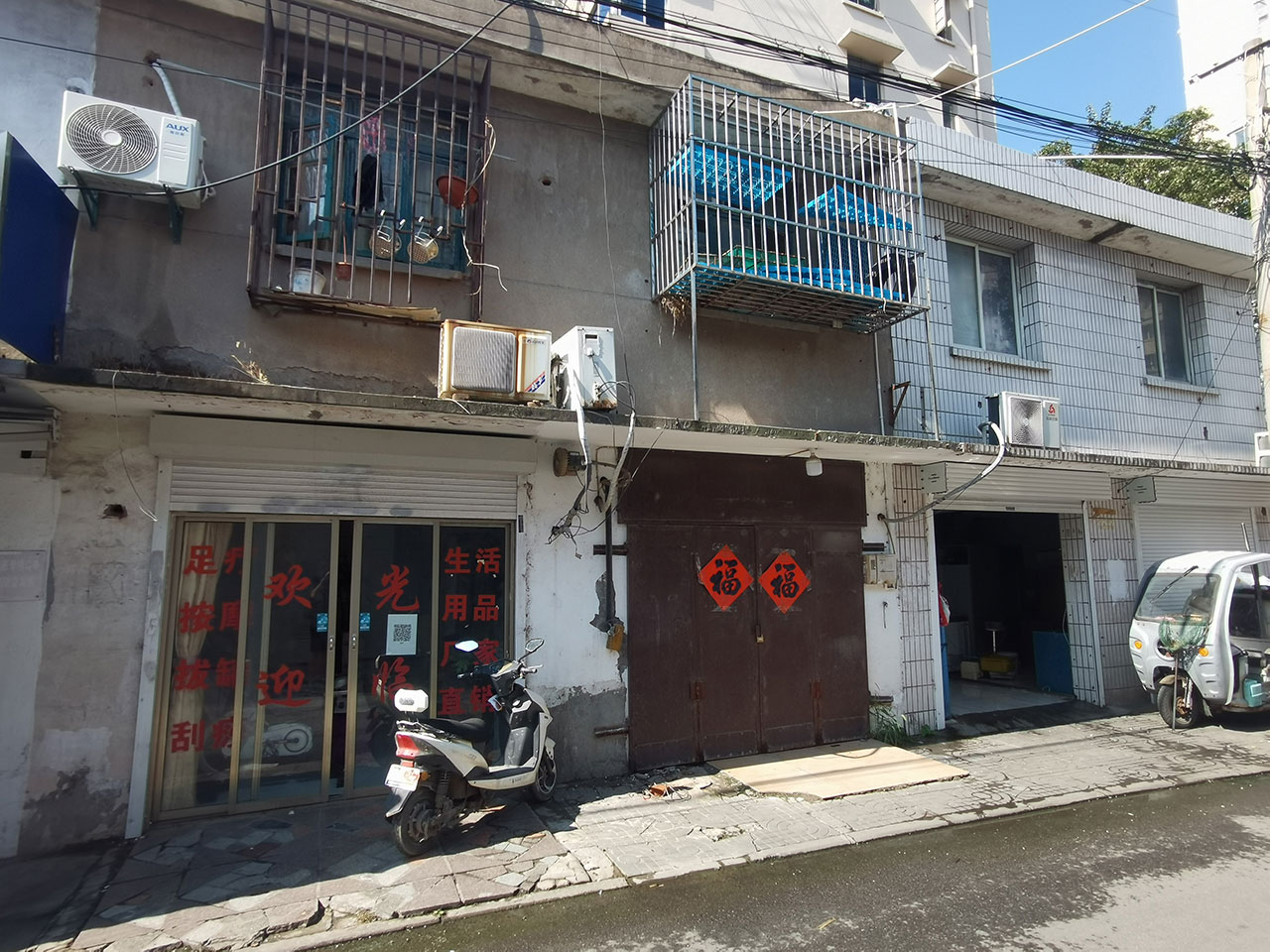
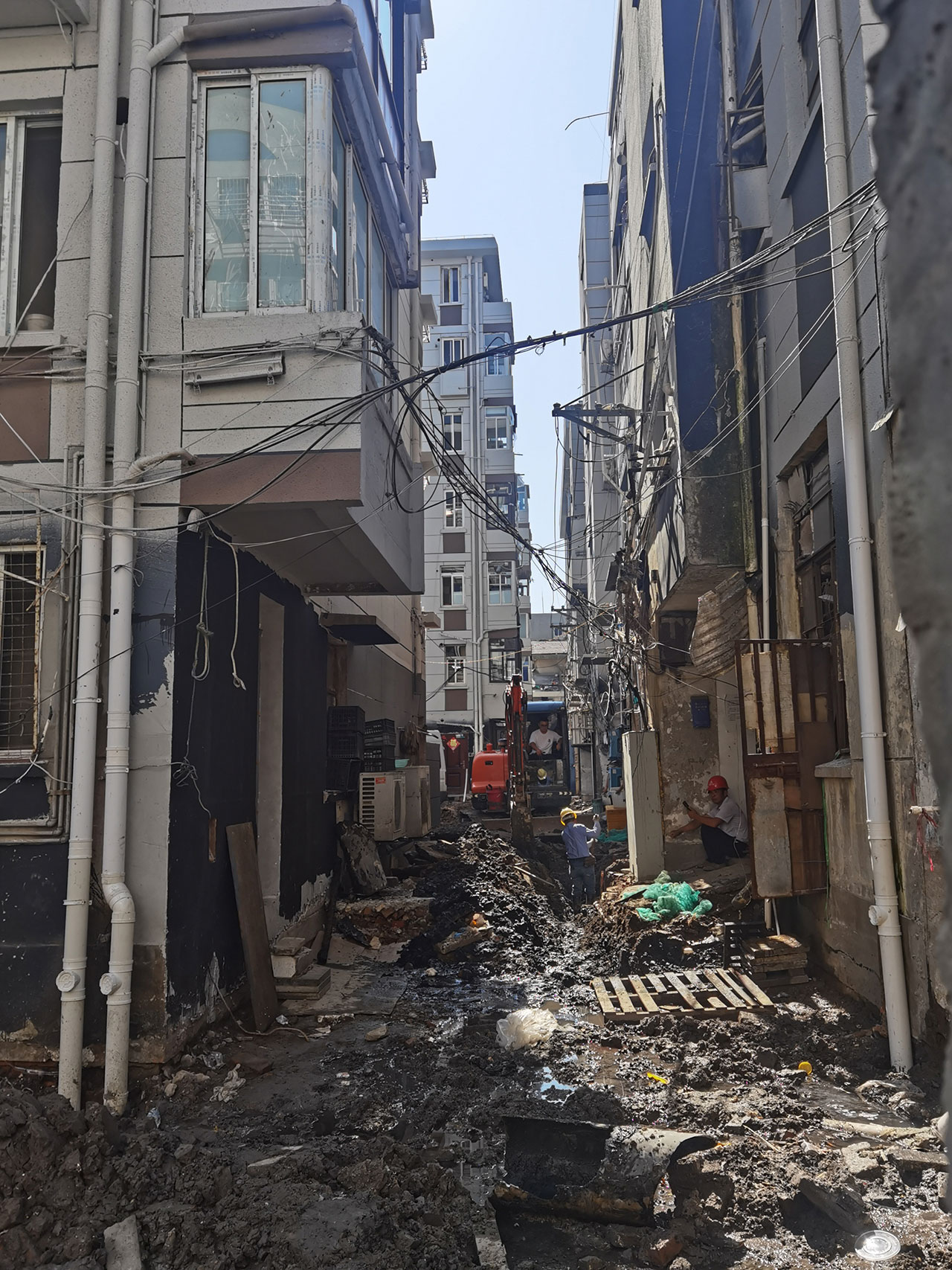
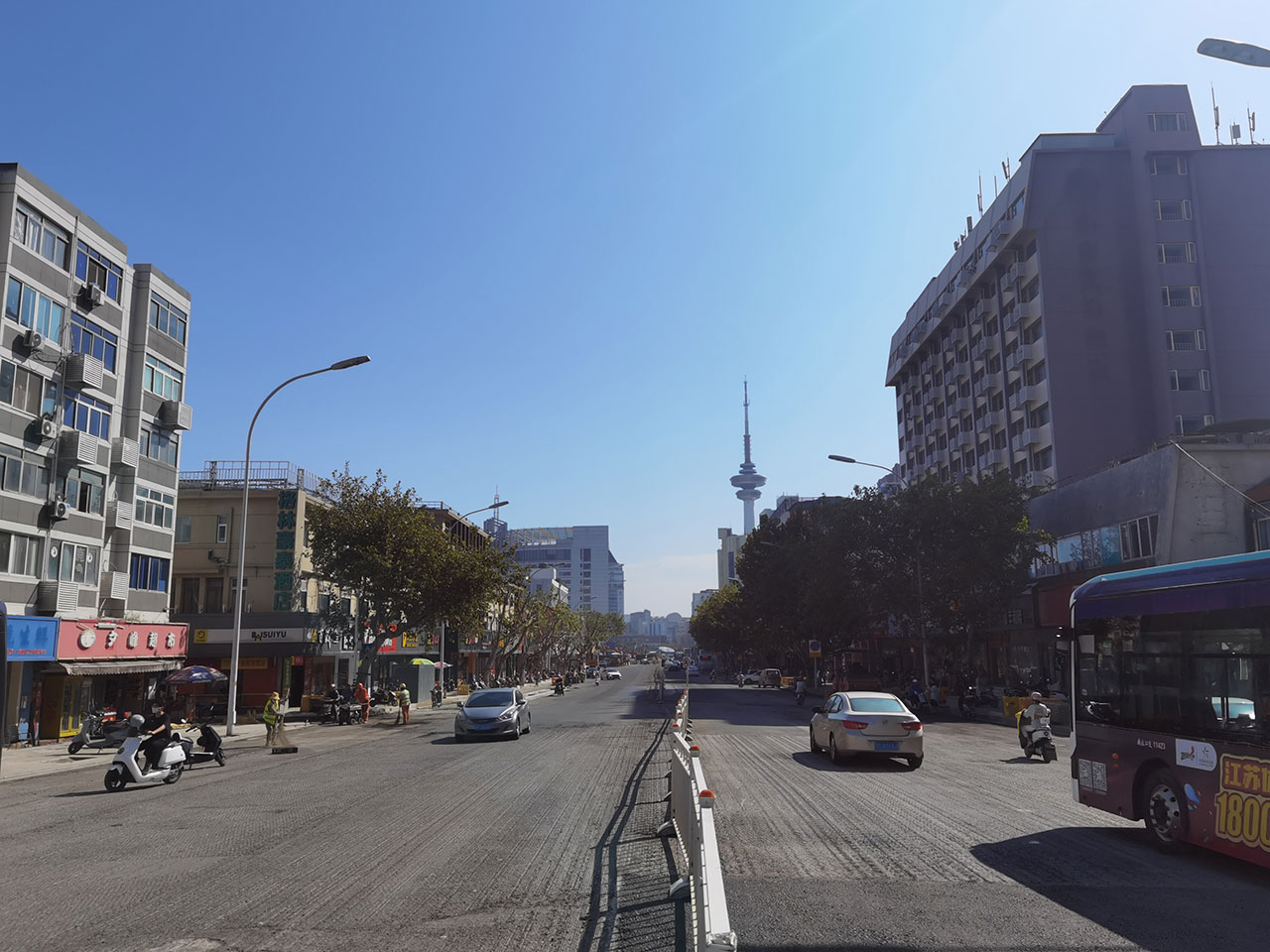
This is all near Nantong’s prime landmark, the TV Tower built in 1985. Lots of blocks are demolished and being built on, others are neglected because probably they’re next in line.
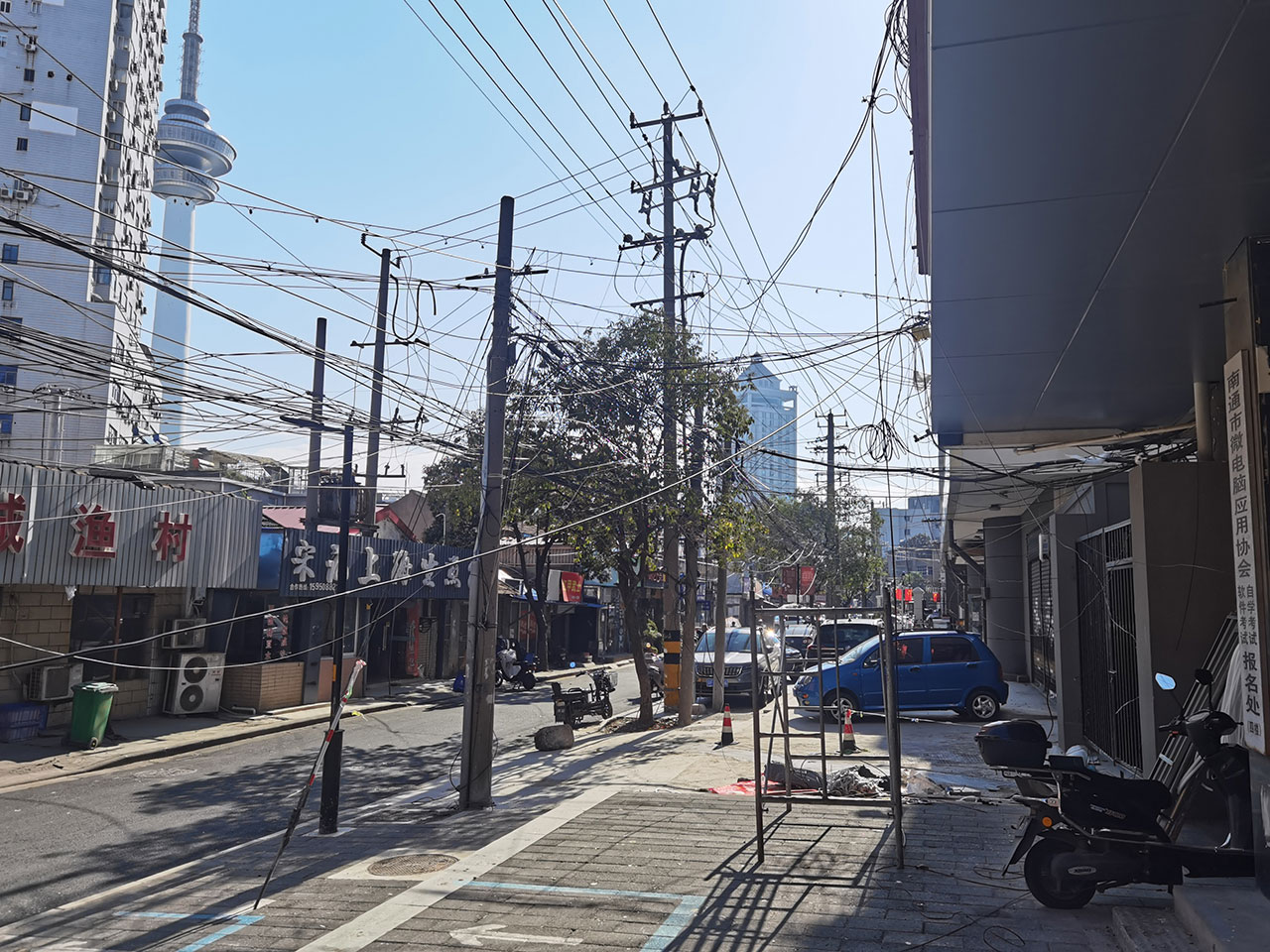
Crossings are without traffic lights or road marks. Yet all the traffic just flows naturally.

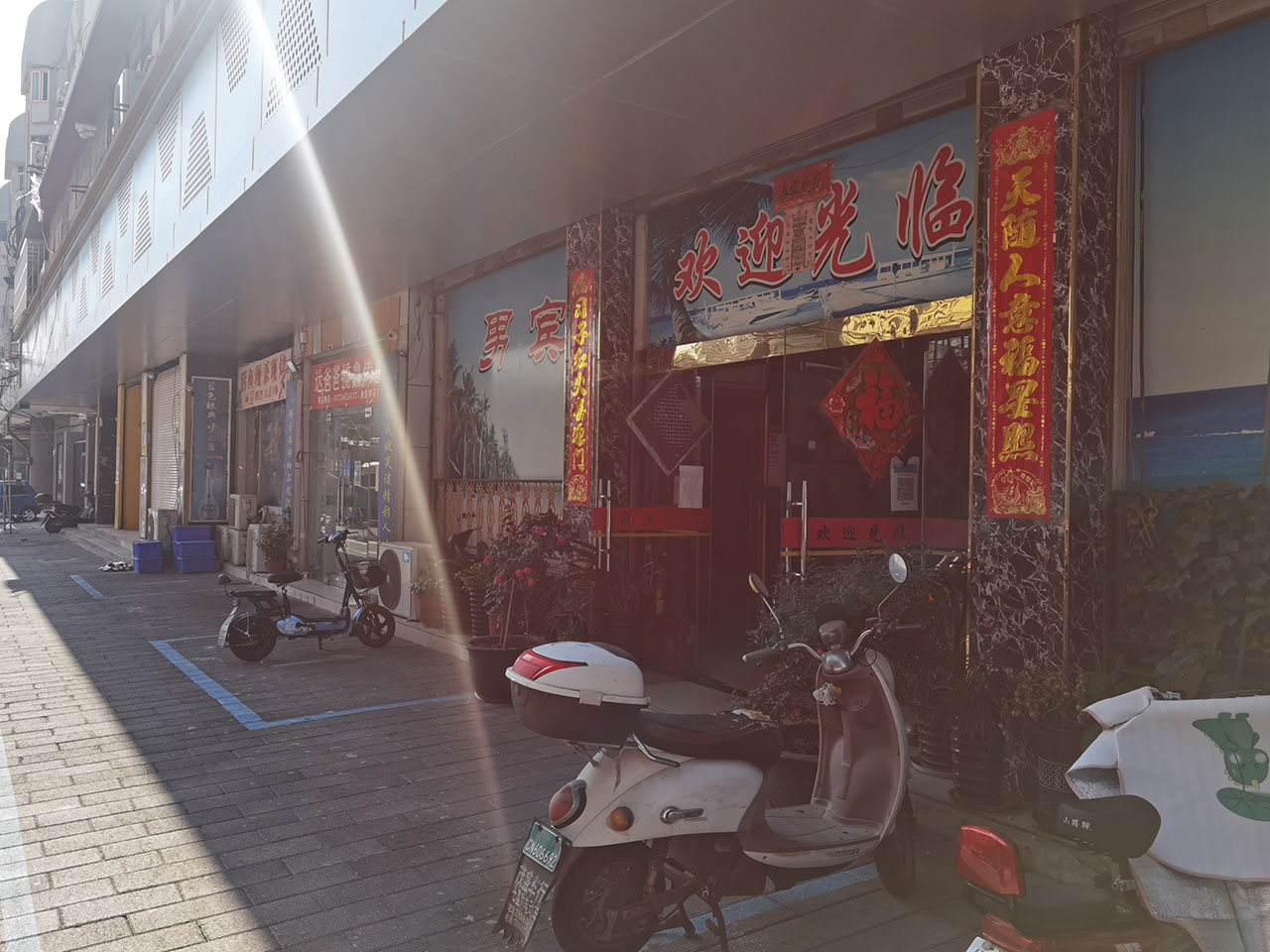
“This used to be a showering place, my dad showered here. We also had a shower at home but here they had better soap and a professional rubbing service. My dad lost his watch and wallet here, my mom scolded him.”
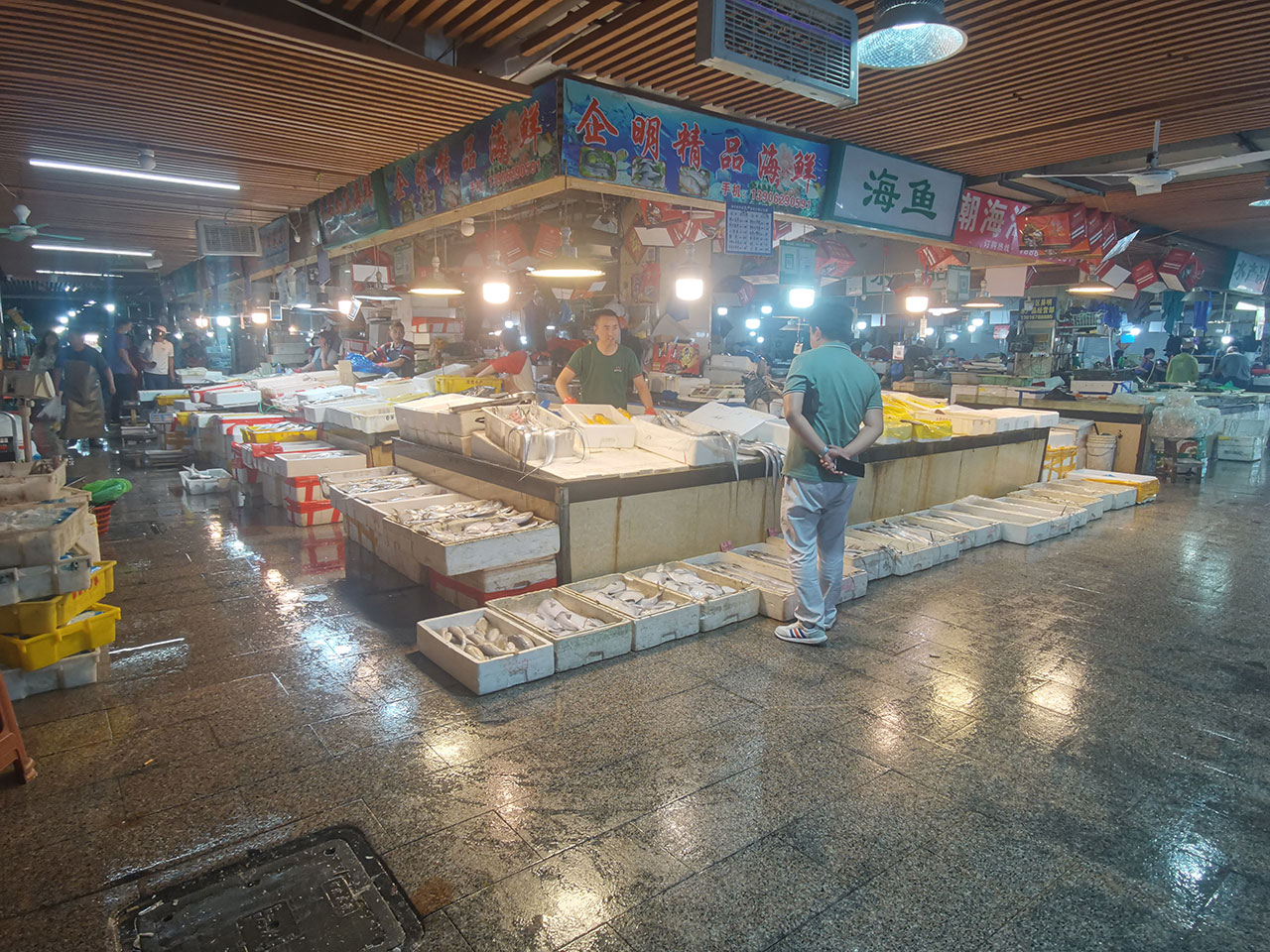
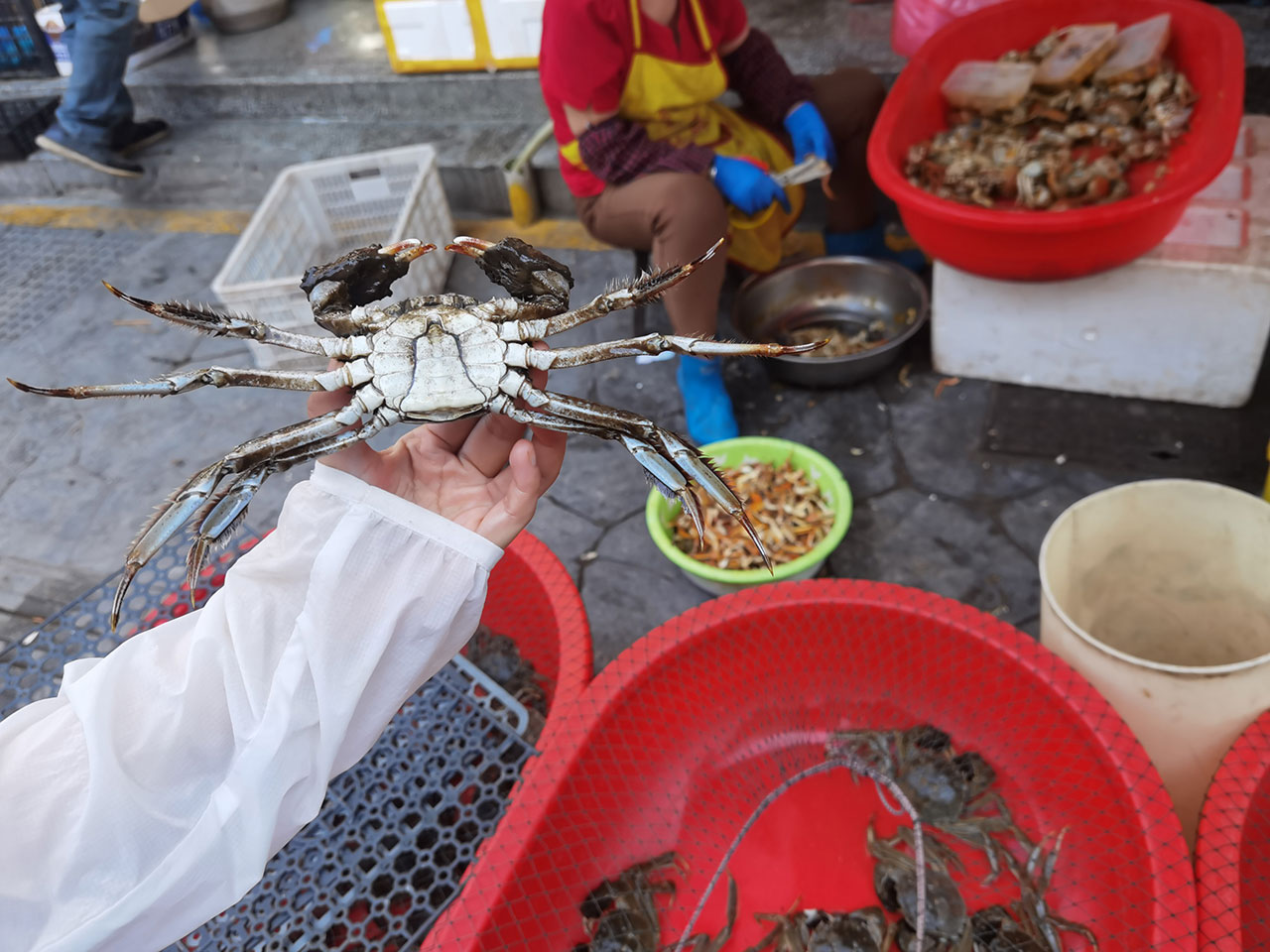
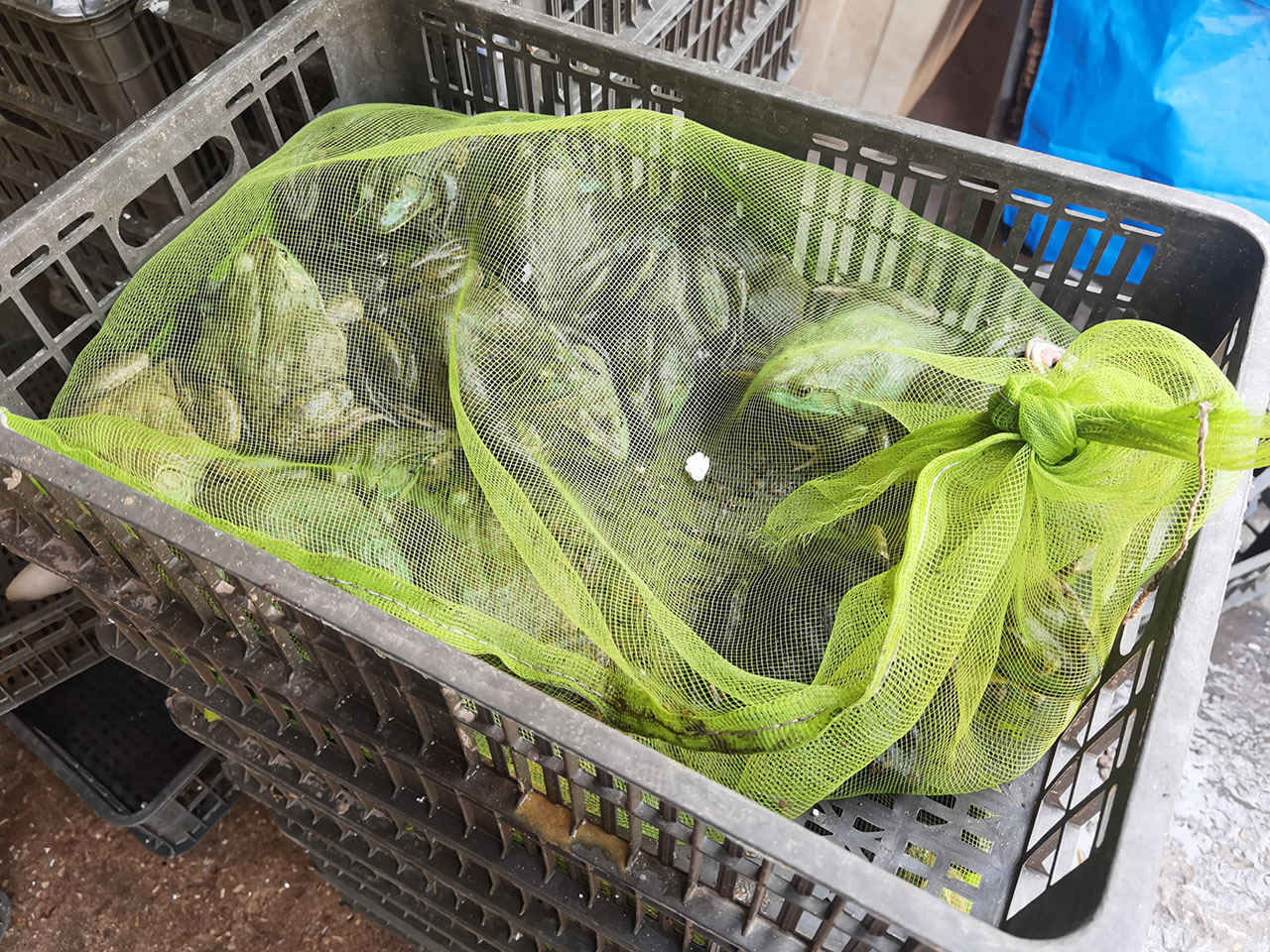
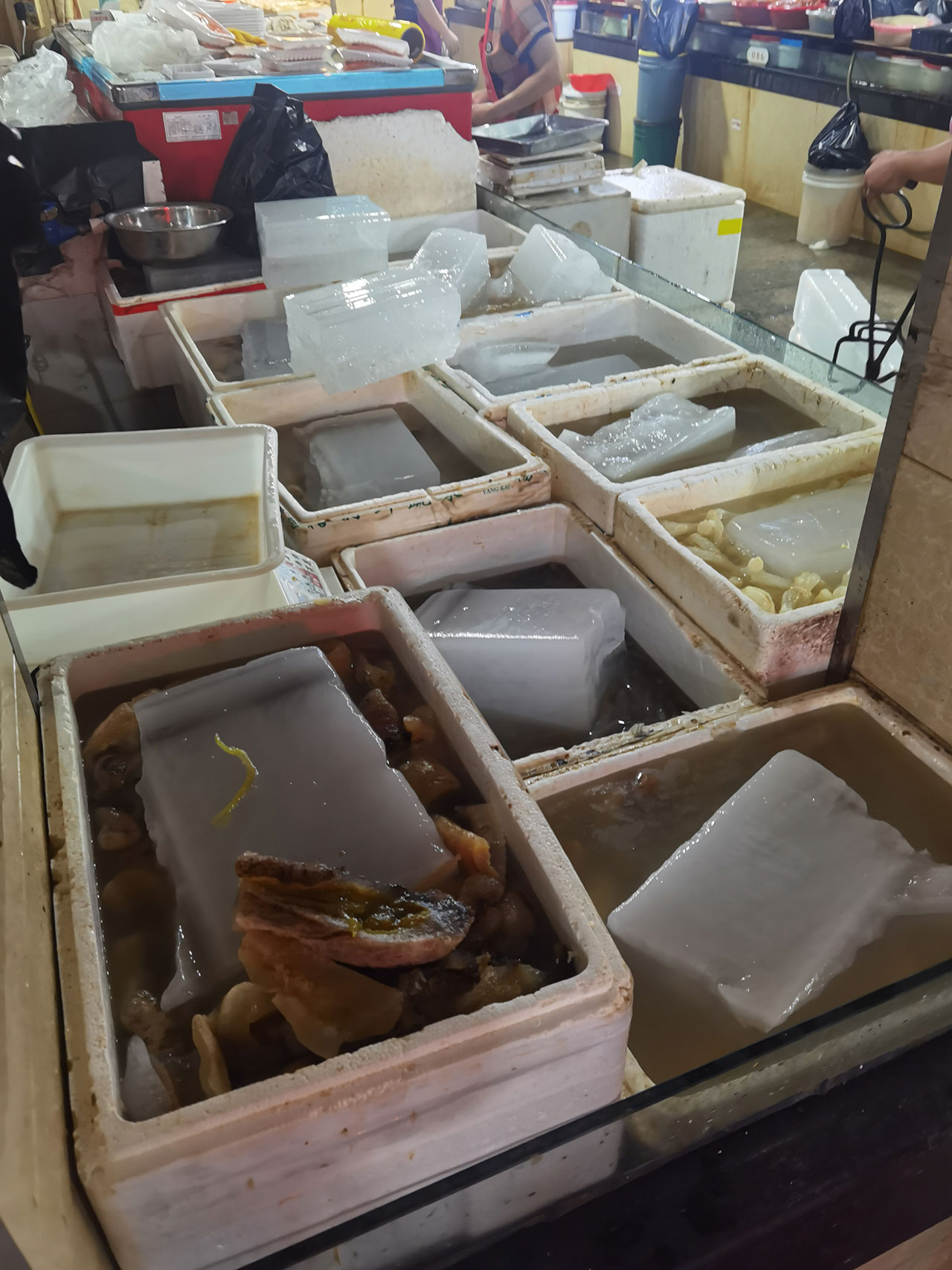
In a nearby wet market, we find fresh food including live fish, crabs, and frogs.
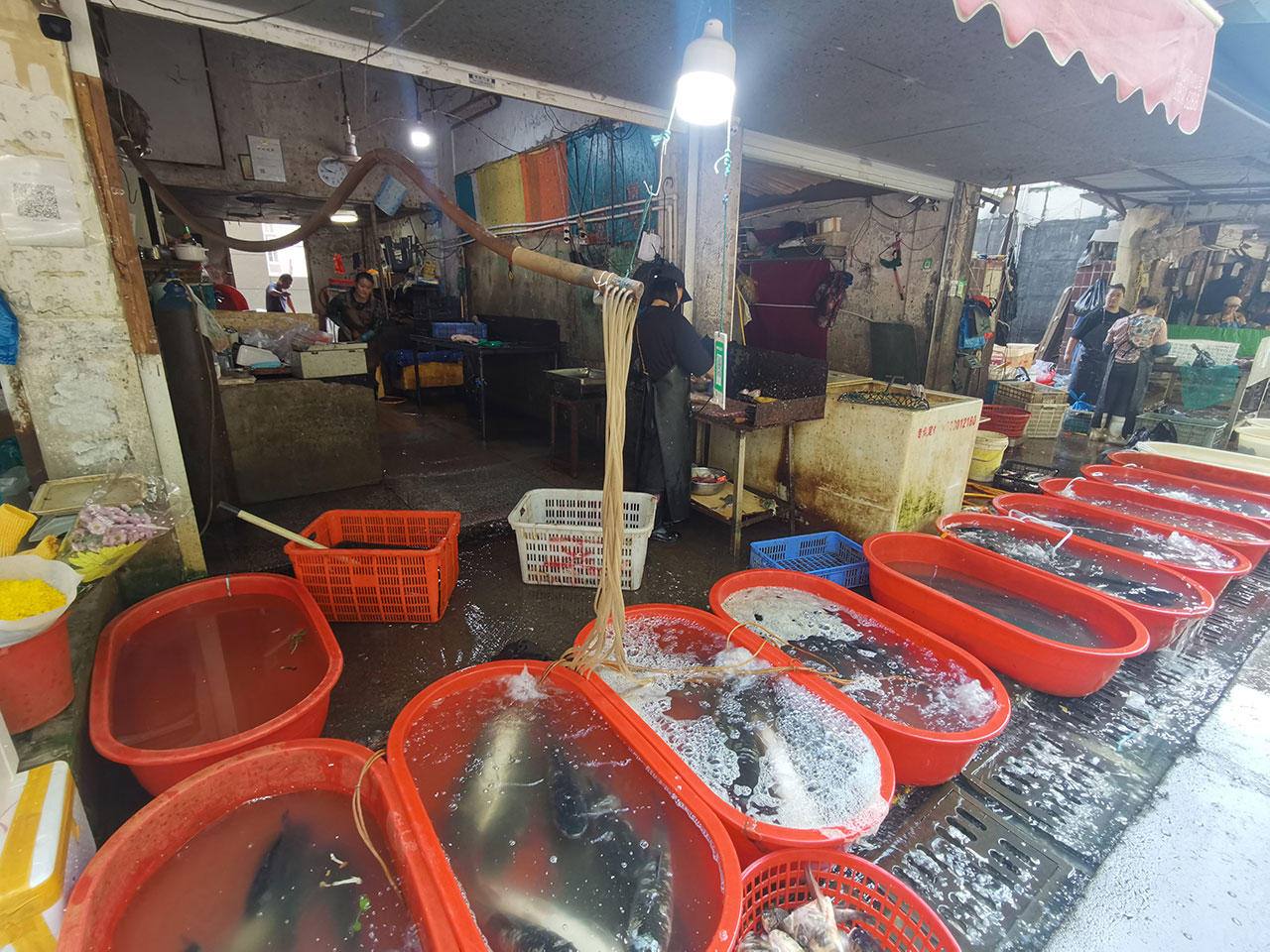
A strong lady is hauling blocks of ice to vendors.
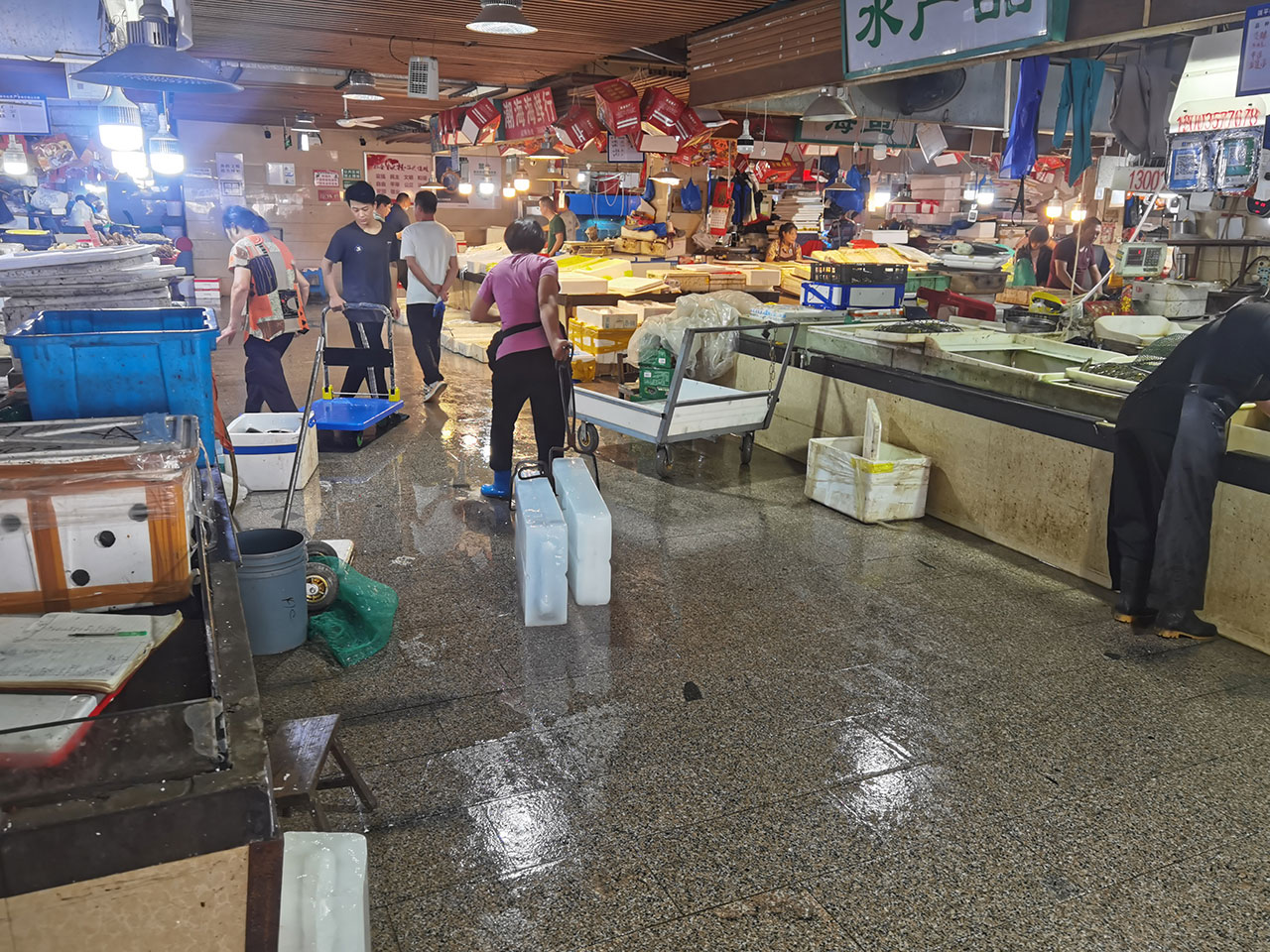
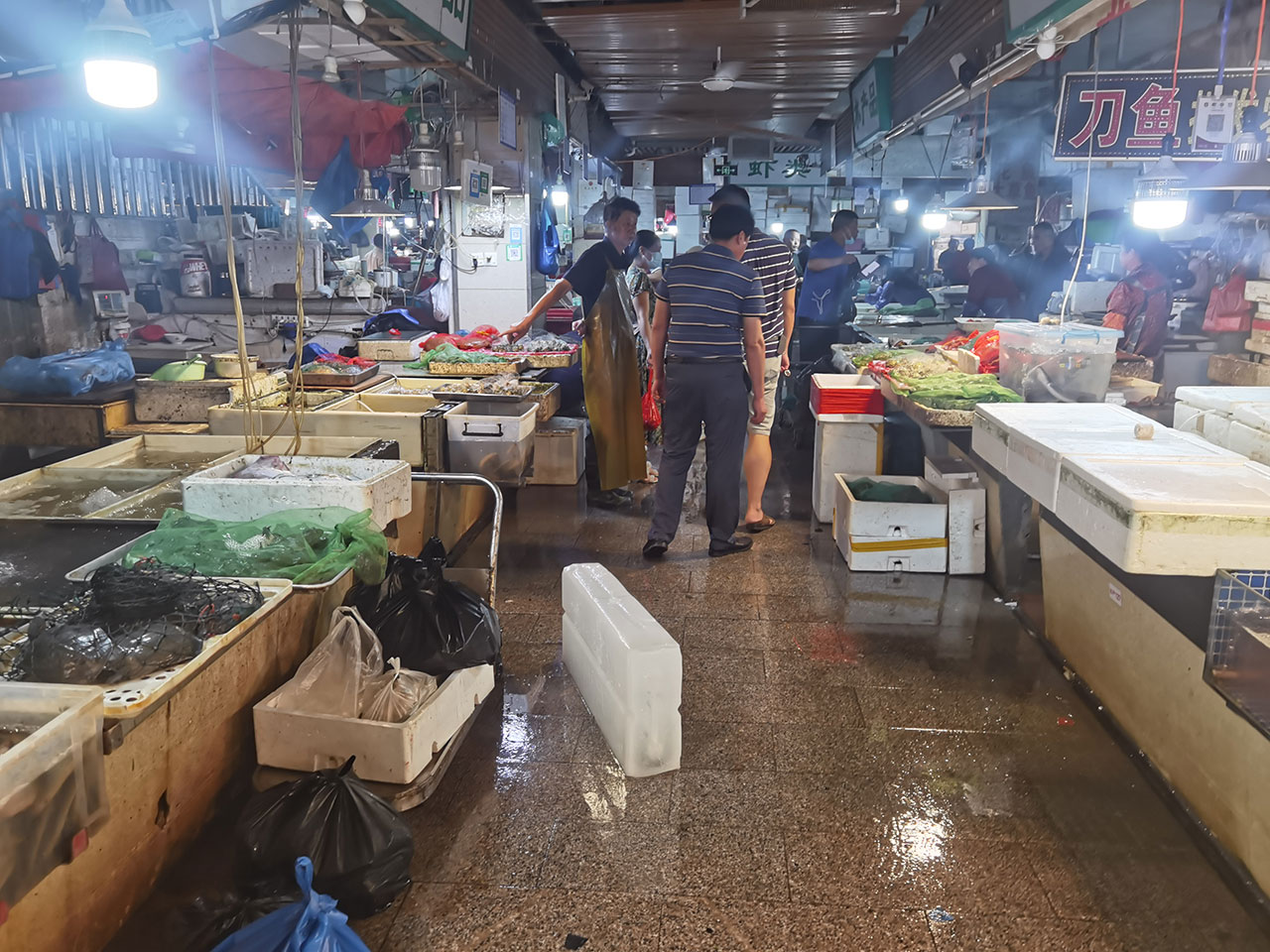
The stands are full of life (or music).
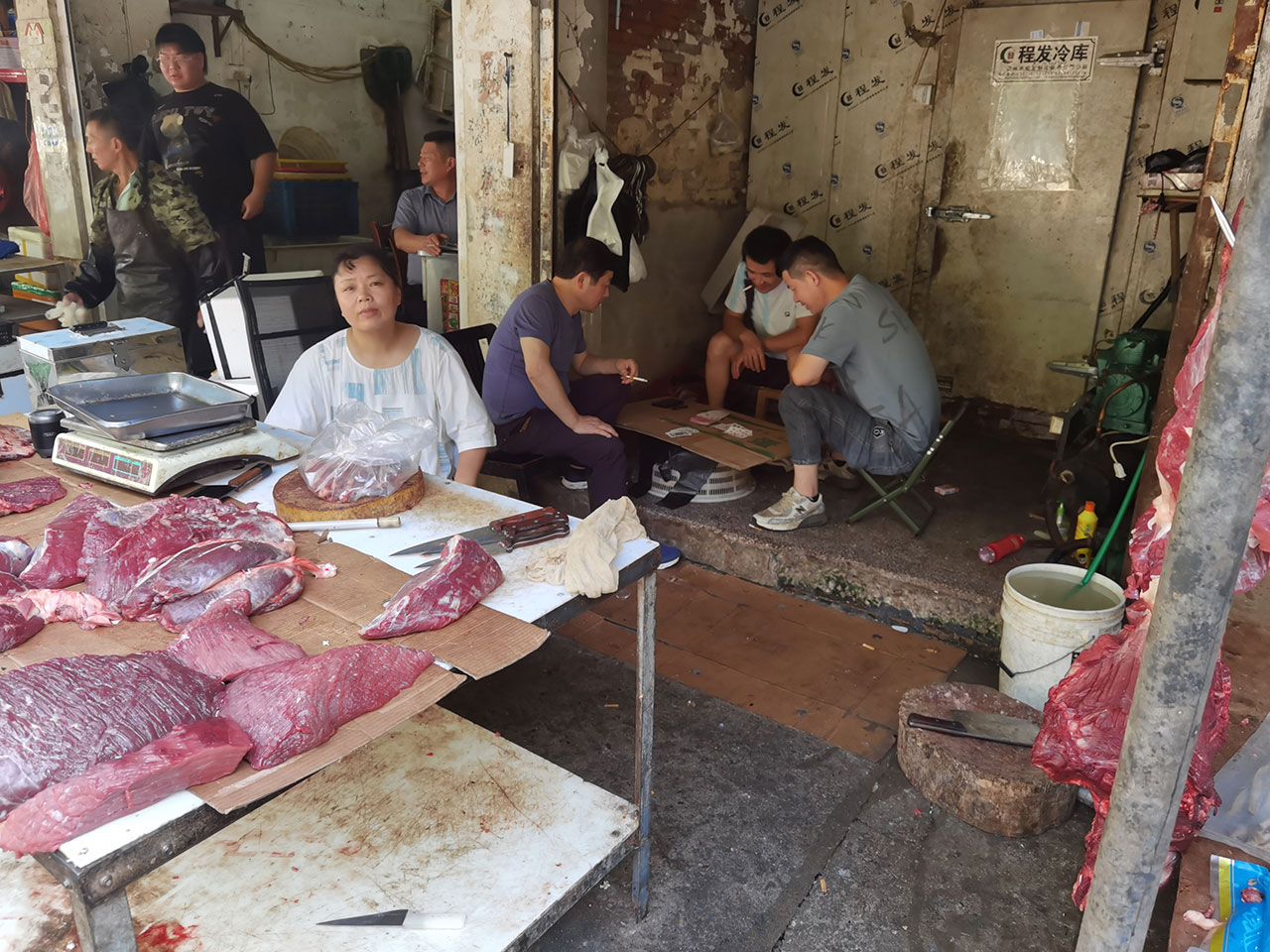

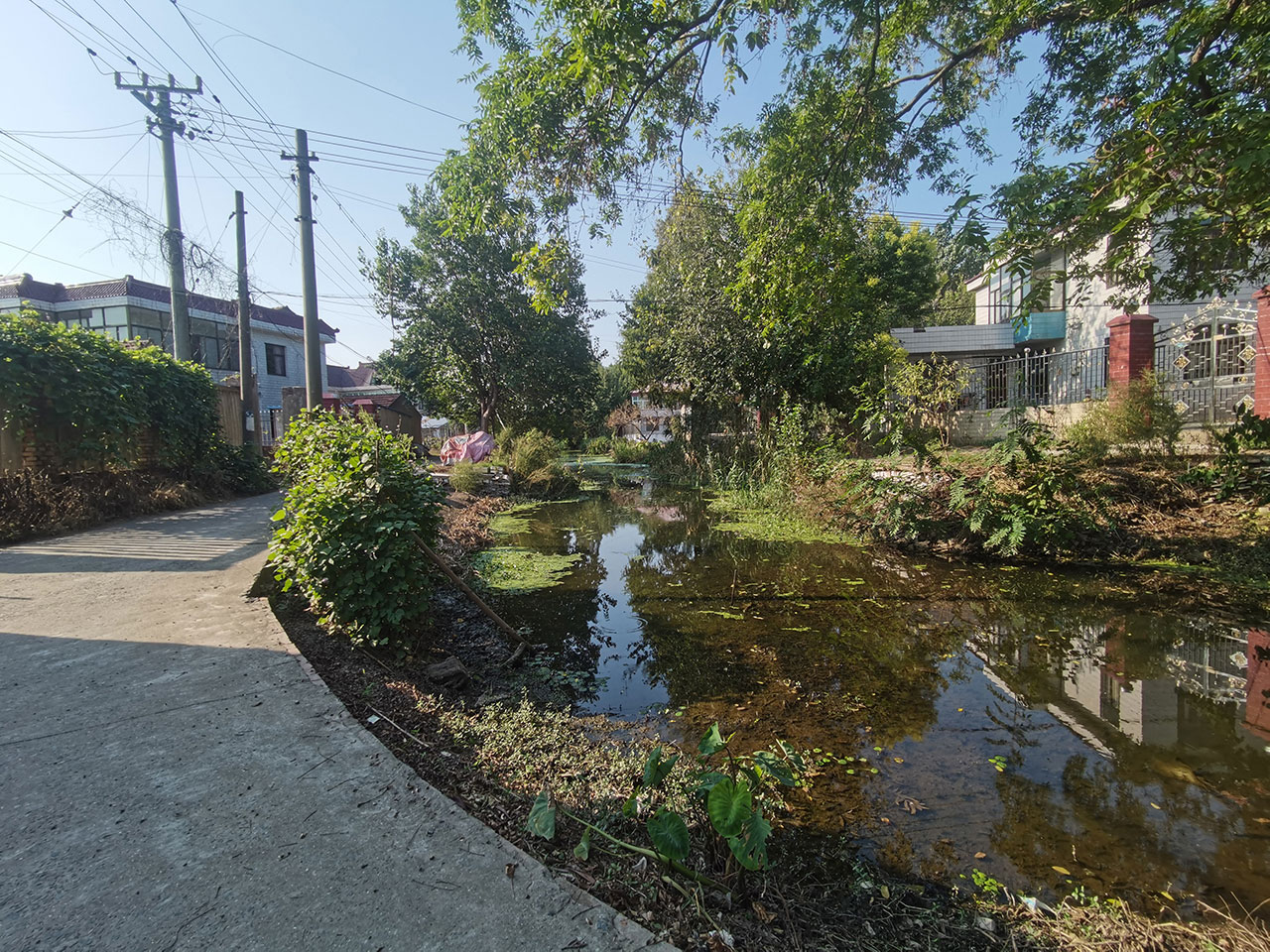
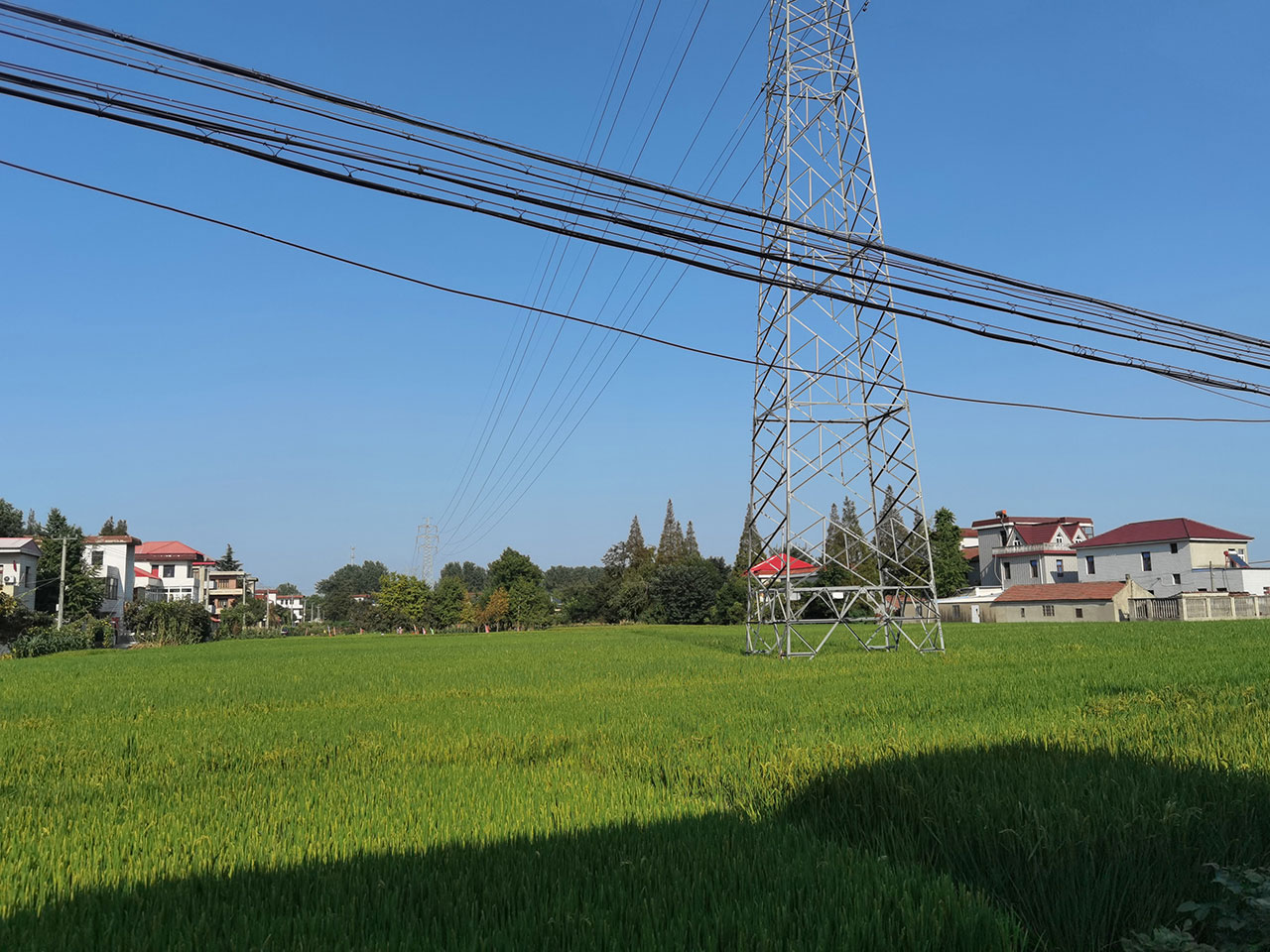
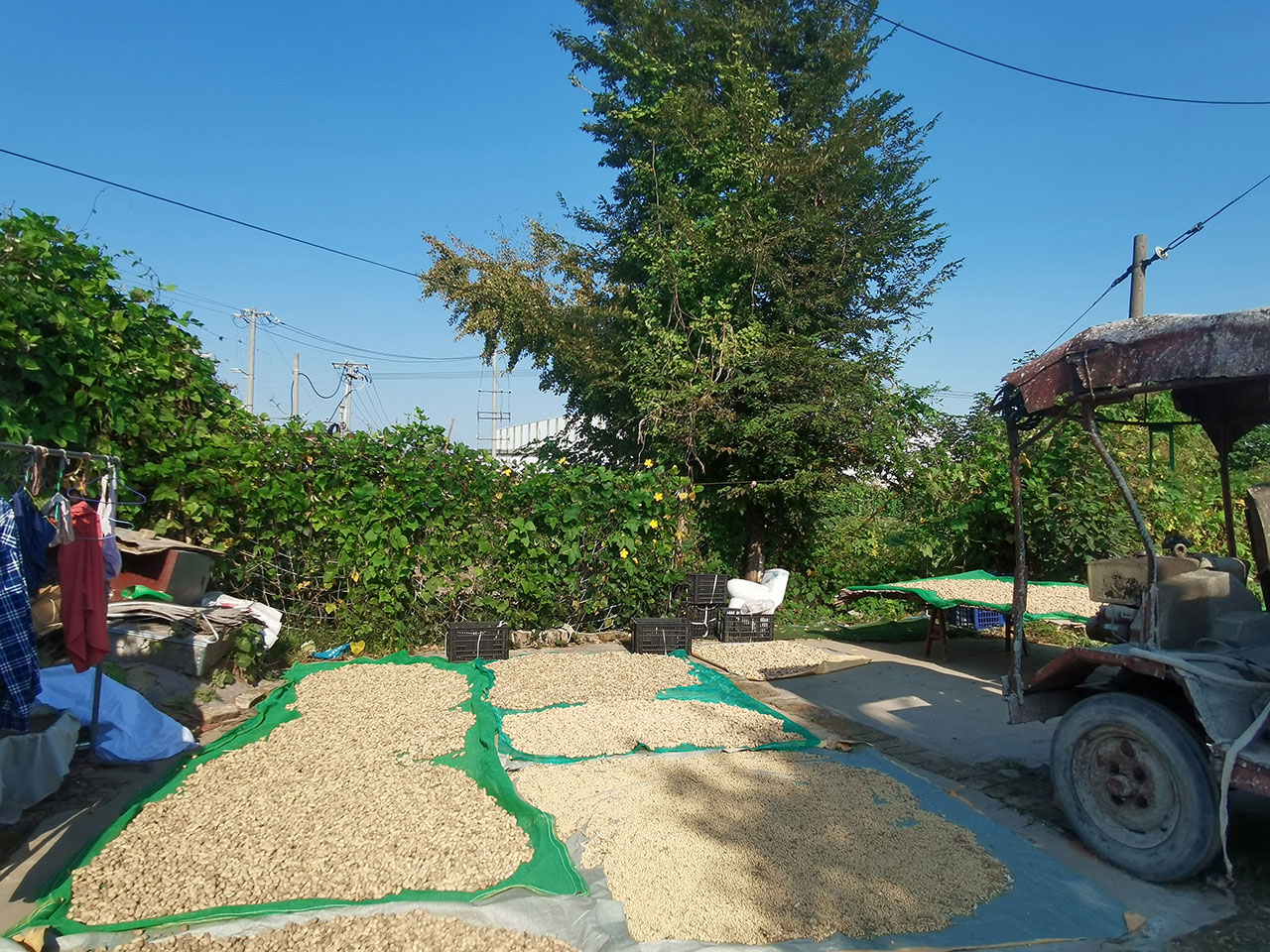
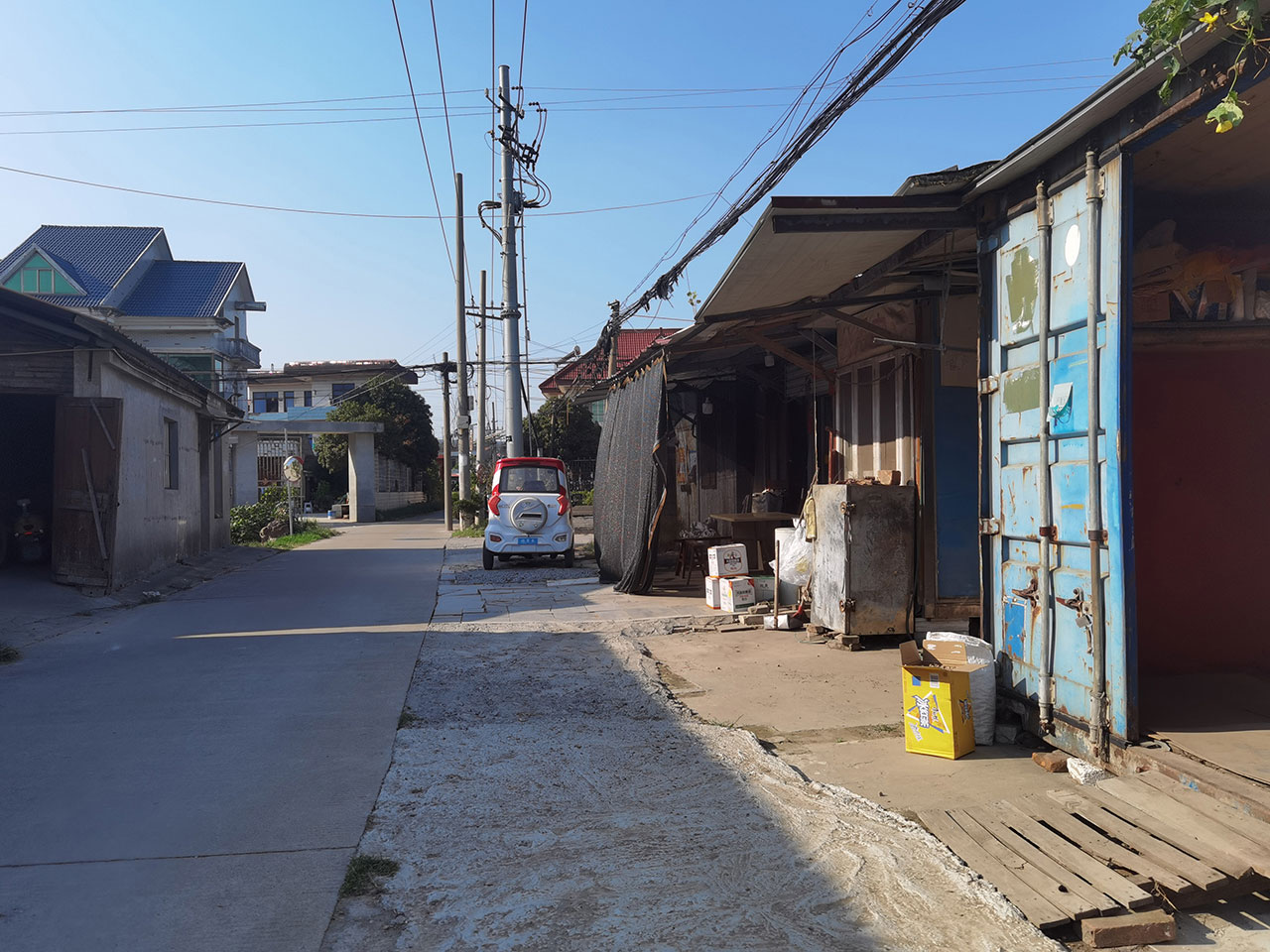
To me it feels similar to the rural part of Nantong, the twilight period of a disappearing area that is full of character and people reluctant to leave, yet squeezed out by a developing nation.
I wrote about disappearing rural Nantong a year ago, and shot this video during this year’s Spring Festival.
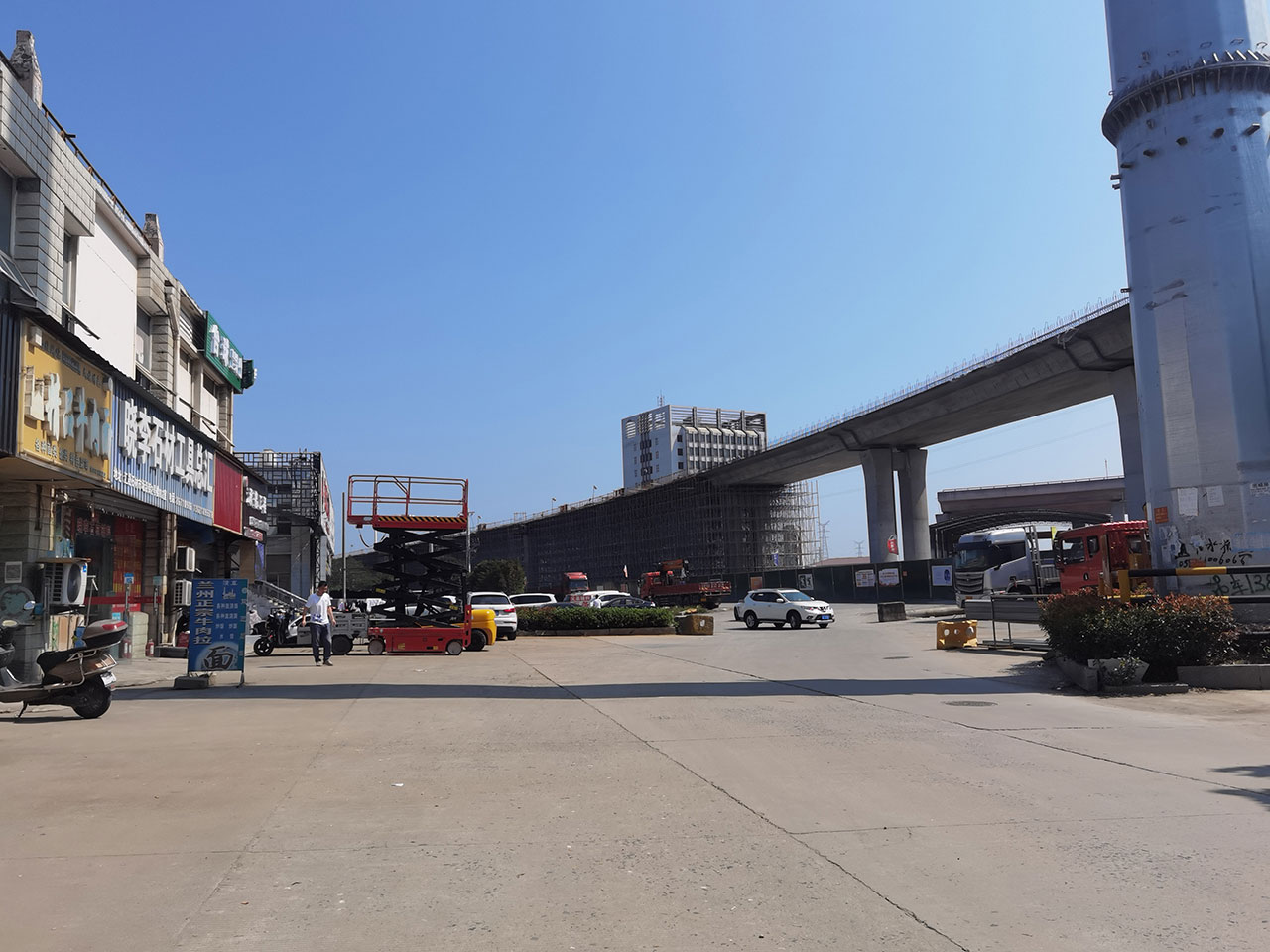
The buildings across the road at ‘Nine dikes port’ (九圩港) are already demolished and huge scaffolding is in place, probably some access roads to the new harbor or factory are being built here.
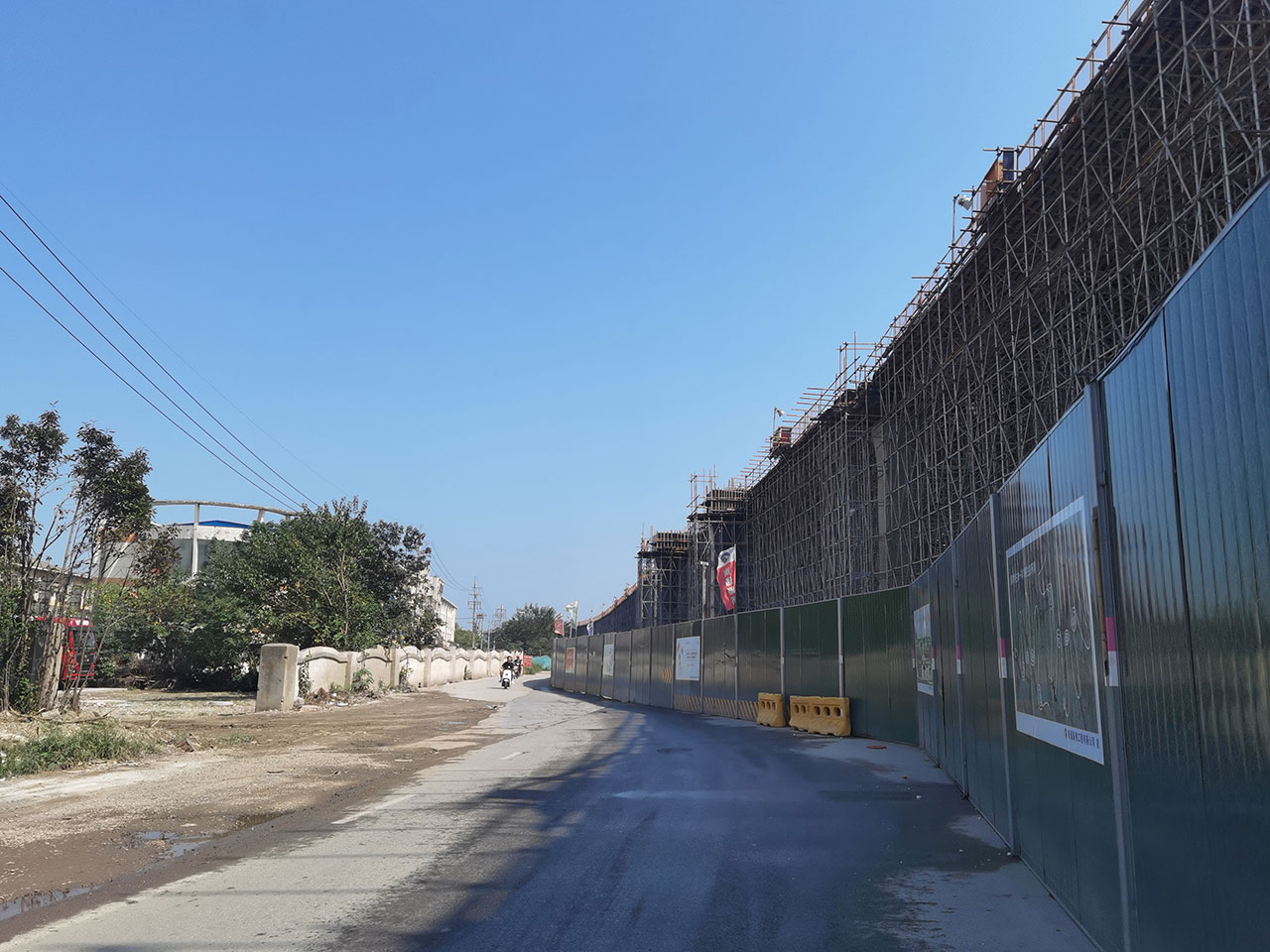
<
A neighbor had a child a few days ago and the family is having a massive dinner. One lady is calling her dad: “When we had our daughter (10 years ago), did they give us money? 500 or 1000? 1000?! Argh, how about we don’t go?”, but in the end the lady brings crabs, chicken, pork and bowls of rice, and the neighbor feels inclined to hand over the hongbao anyway. In all the cacophony I’m not even sure if it’s a boy or a girl.
Another neighbor has a big black Mercedes-Benz: “The first week I bought a Benz, I had a massive crash. I was all alone on the road and somehow ended up in a ditch. But apart from some bruises, I had nothing. So I bought a Benz again, it saved my life.”
Another story I heard is about Dajiu (大舅); a former red guard who lives nearby. Two decades ago he painted his house with cheap paint and his wife and he both got cancer. He survived but his wife sadly didn’t. After he lost his wife, he didn’t dare to sleep alone in the house anymore, so a friend joined him for two months until he re-married with a lady who had lost her husband in a car accident.
He served in the army and now has a pension of 8000 RMB per month. He and his new wife often travel through the country for super low prices, such as to Hong Kong for 99 RMB. These travel agencies usually earn money by getting people to buy luxury goods or other souvenirs, but he stoically says he never buys anything: “I just only spend money on sleeping and eating!”
Dajiu says to another old fella: “You’re soon retired as well, you should join us?”, to which the guy says: “No no — when I’m retired I just want to 躺平 (lay flat). I’ve already seen so many places.” (Which is true, this shushu works in construction and has been all over China, having already been send everywhere.)
Dajiu is a great cook and good fisher, and worked in the army for several decades. But for all his accomplishments, people still refer to him as a former red guard.
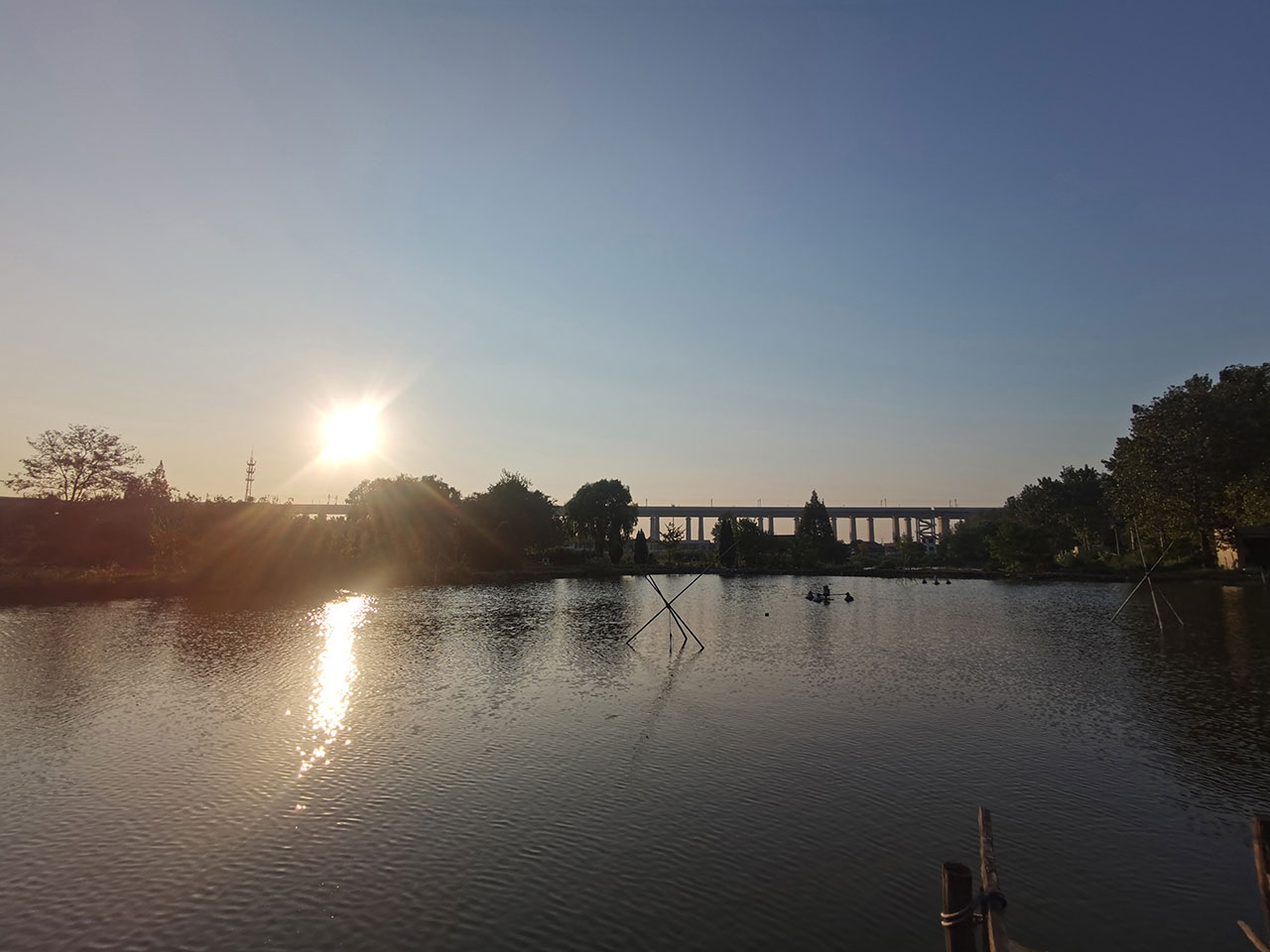
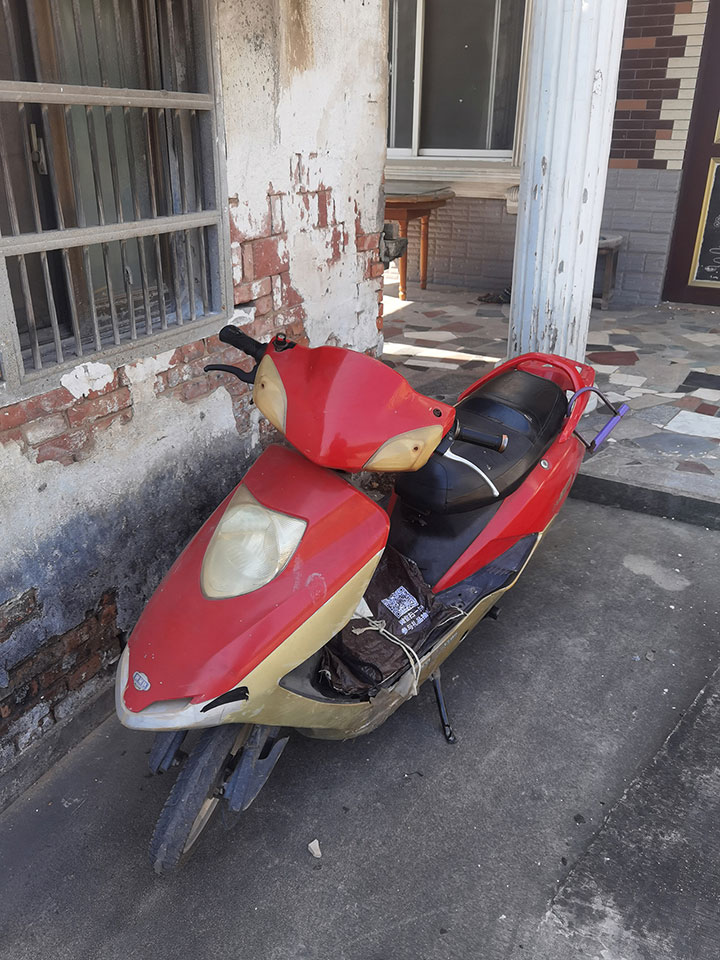
I thoroughly love this area, I always calm down here after living in Shanghai and I’m sad it’ll disappear. There’s a variety of houses, plots of land, creeks, a fishing pond, and a beaten-up red electric scooter (+20 years old) to bring me there.