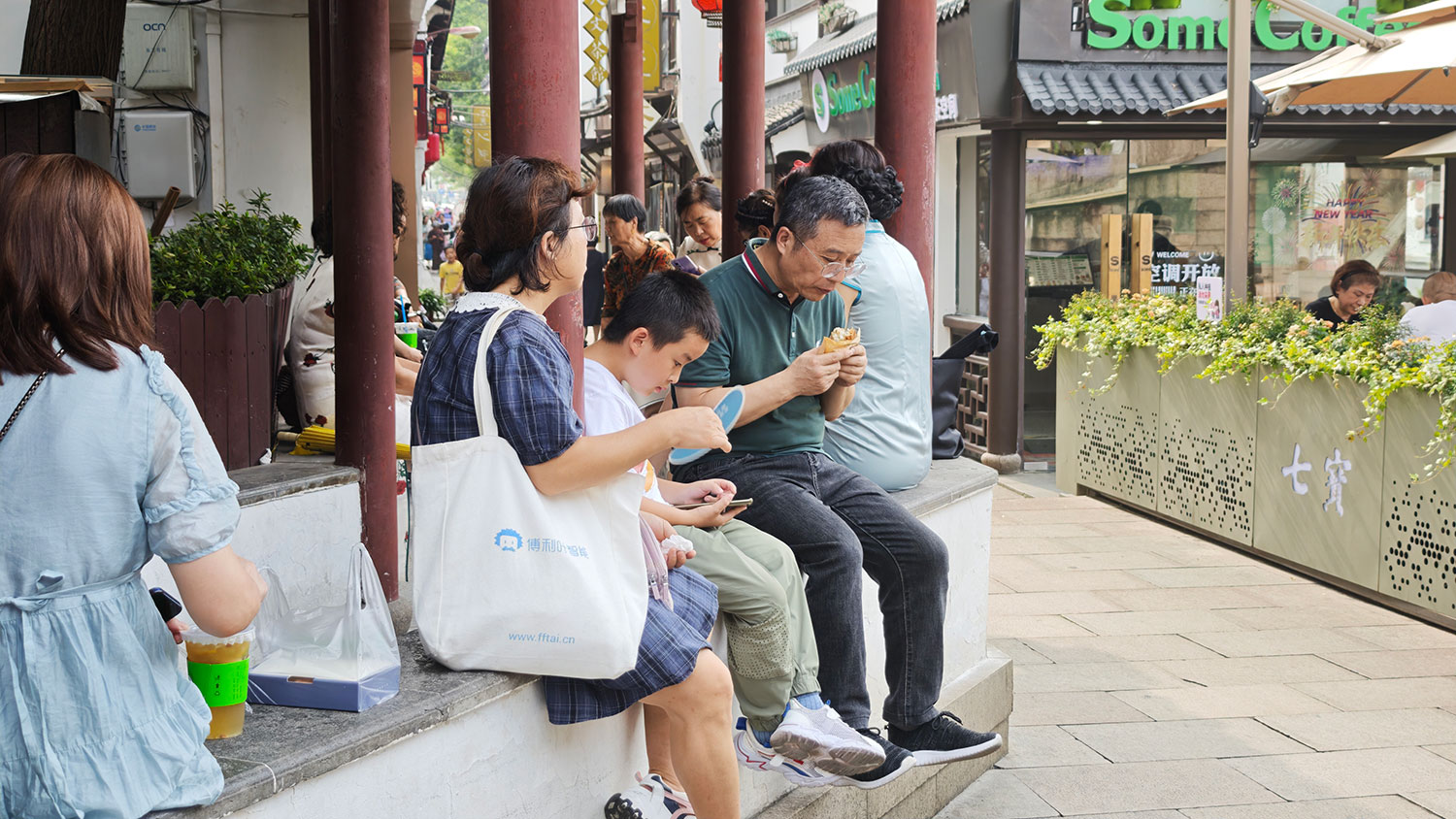
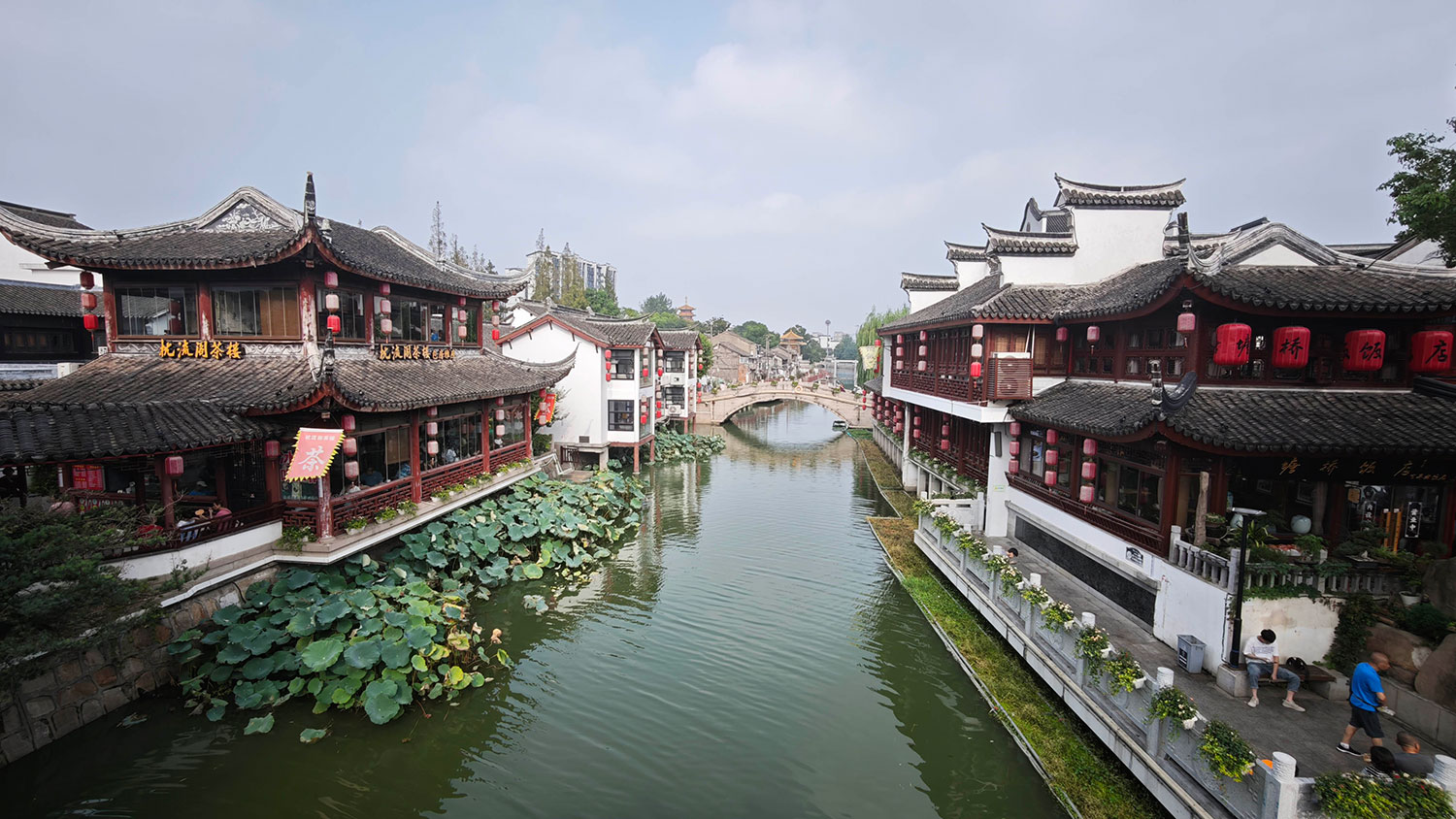
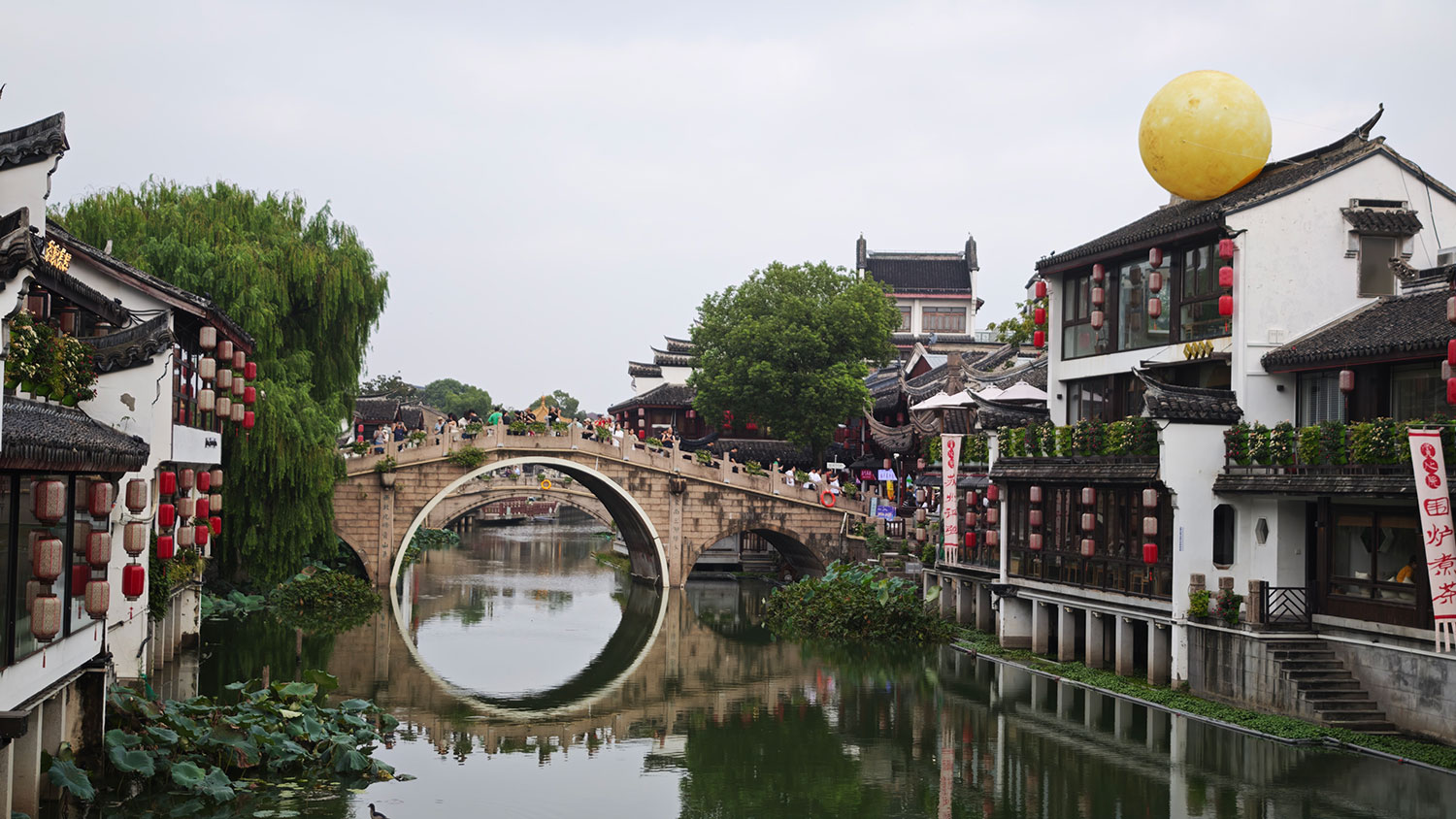
We’re in Qibao (七宝古镇) — an old water town swallowed by the city of Shanghai, now turned into a tourist attraction. In the center stands a moon bridge, surrounded by heavily renovated buildings that now house shops selling fridge magnets or bites such as tangyuan, scallion pancakes, red bean cake, and parts of pork or poultry. The place is packed since we’re still in the Golden Week holiday.
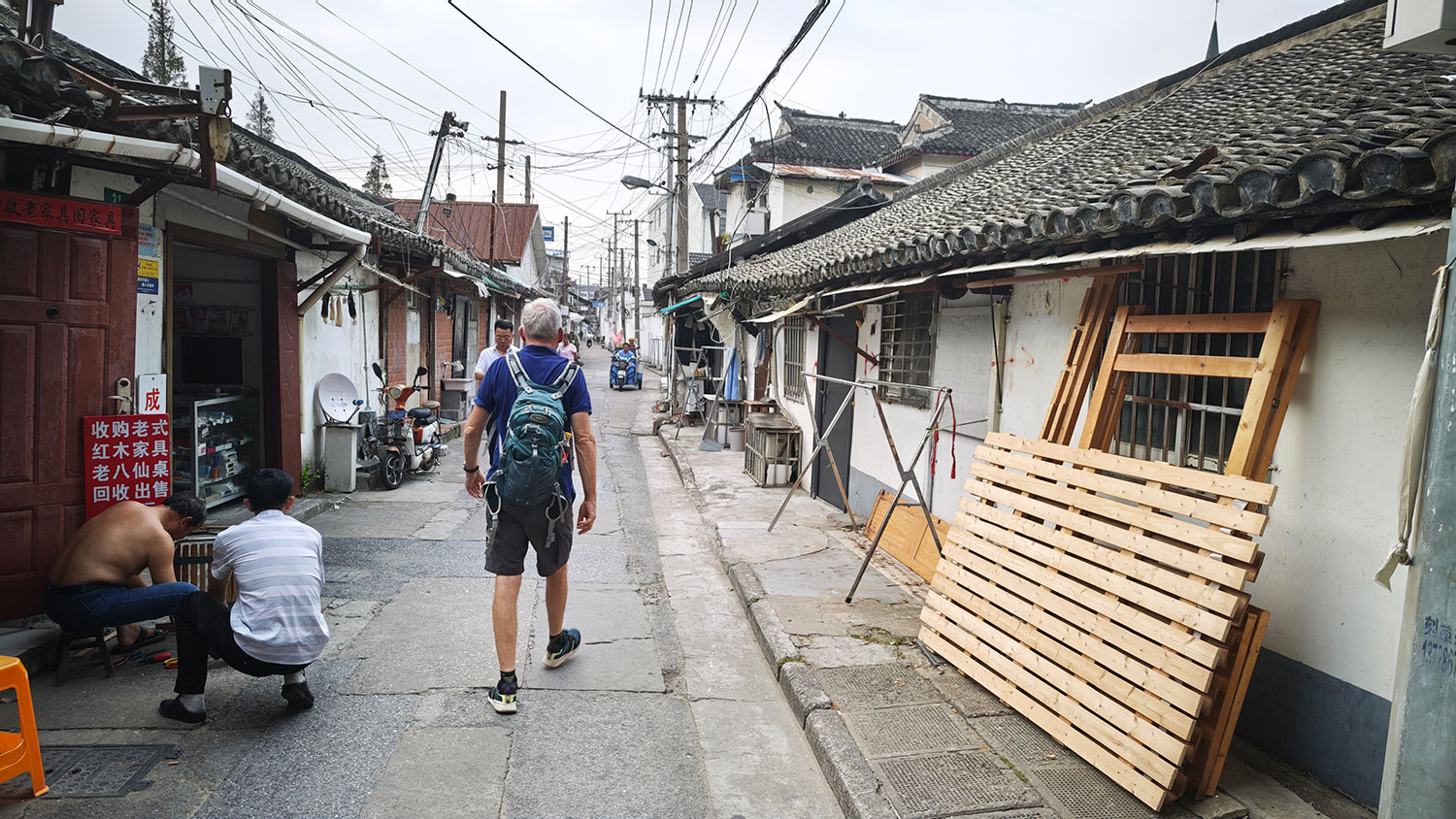
As often — the most interesting parts of tourist attractions are found on the edges; the original houses with residents still in them; the non-touristic shops where locals go; as well as facilities that are actually used by non-tourists. One of those is Qibao’s Catholic church (七宝圣母升天堂).
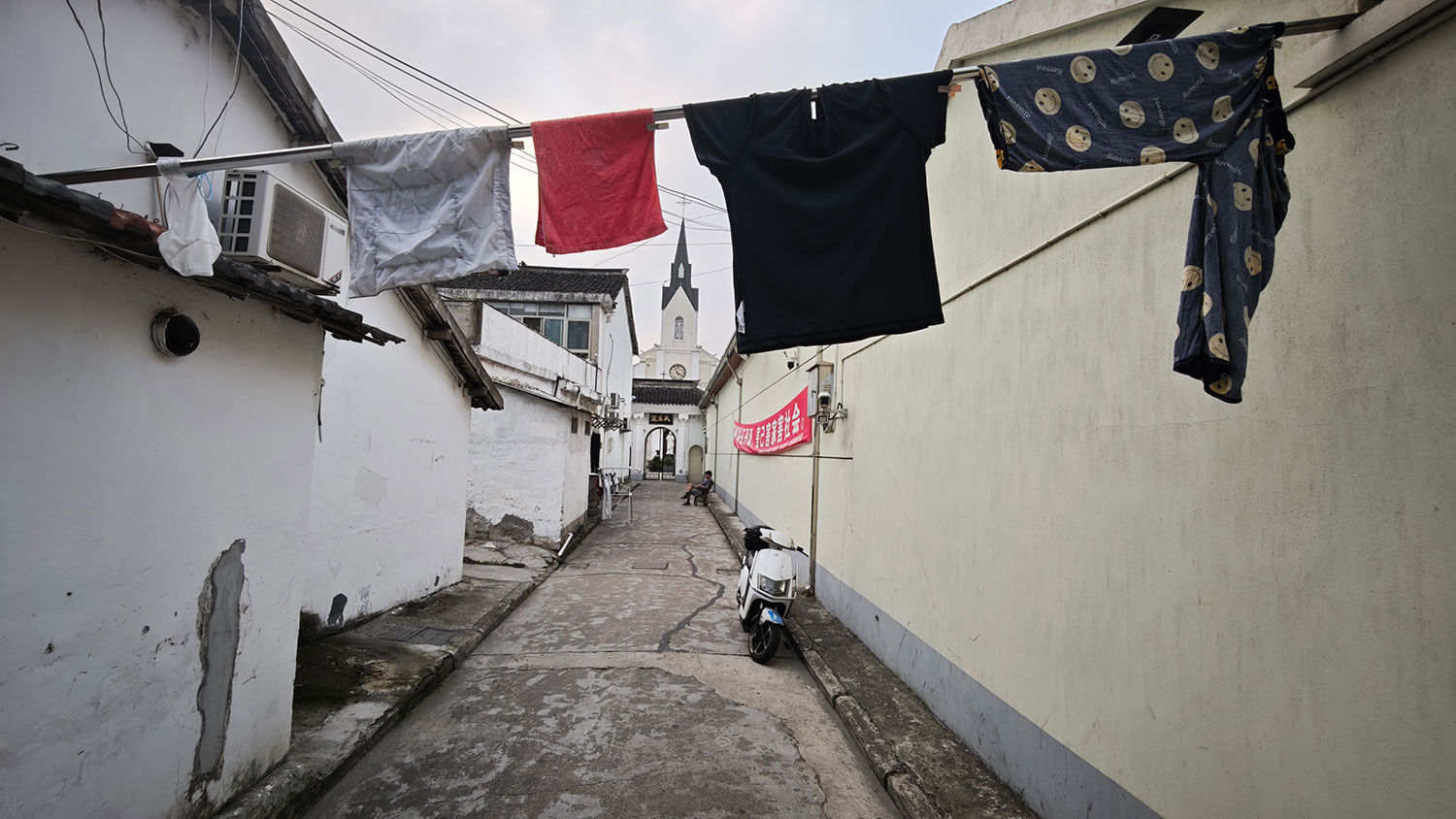
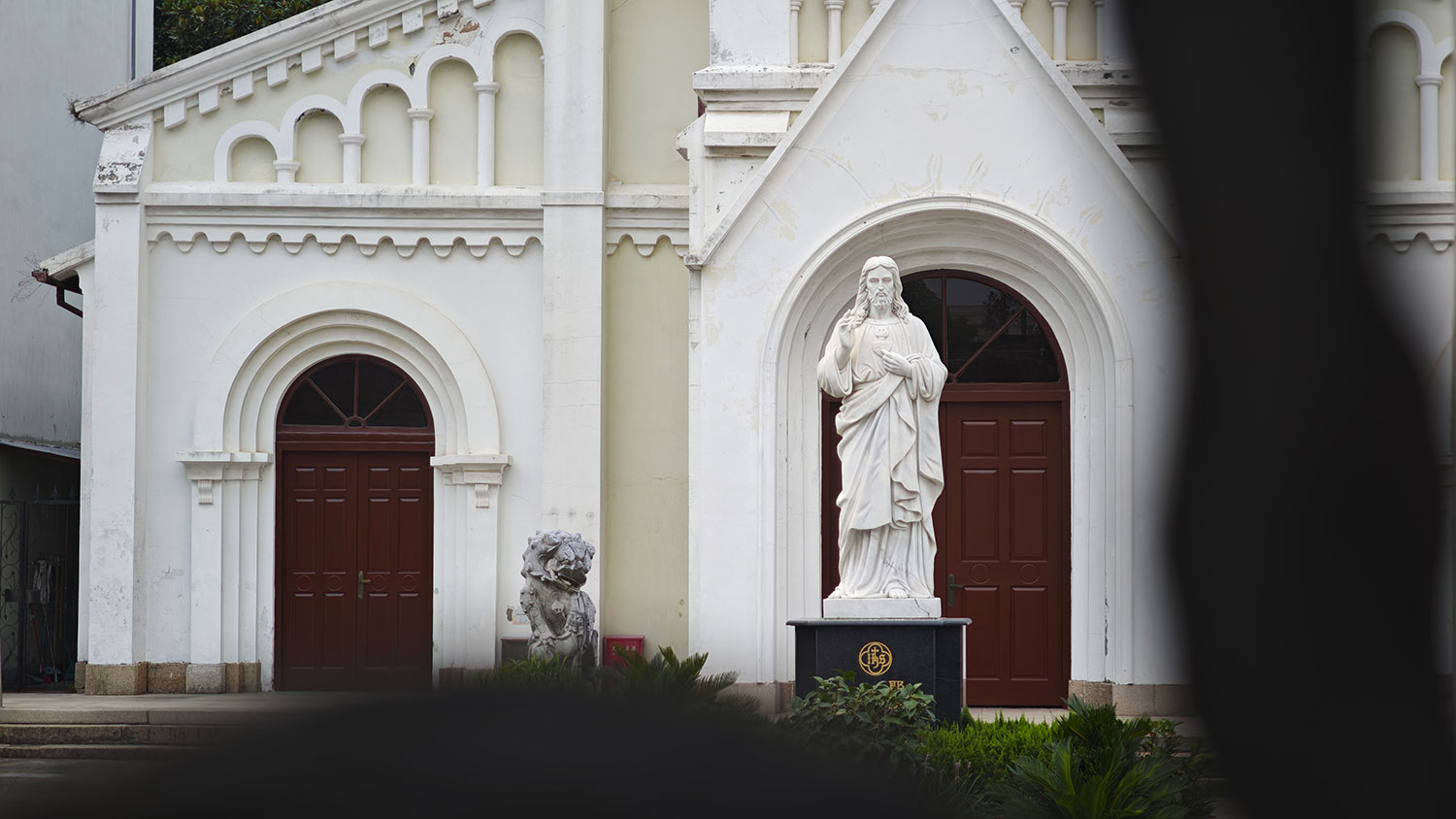
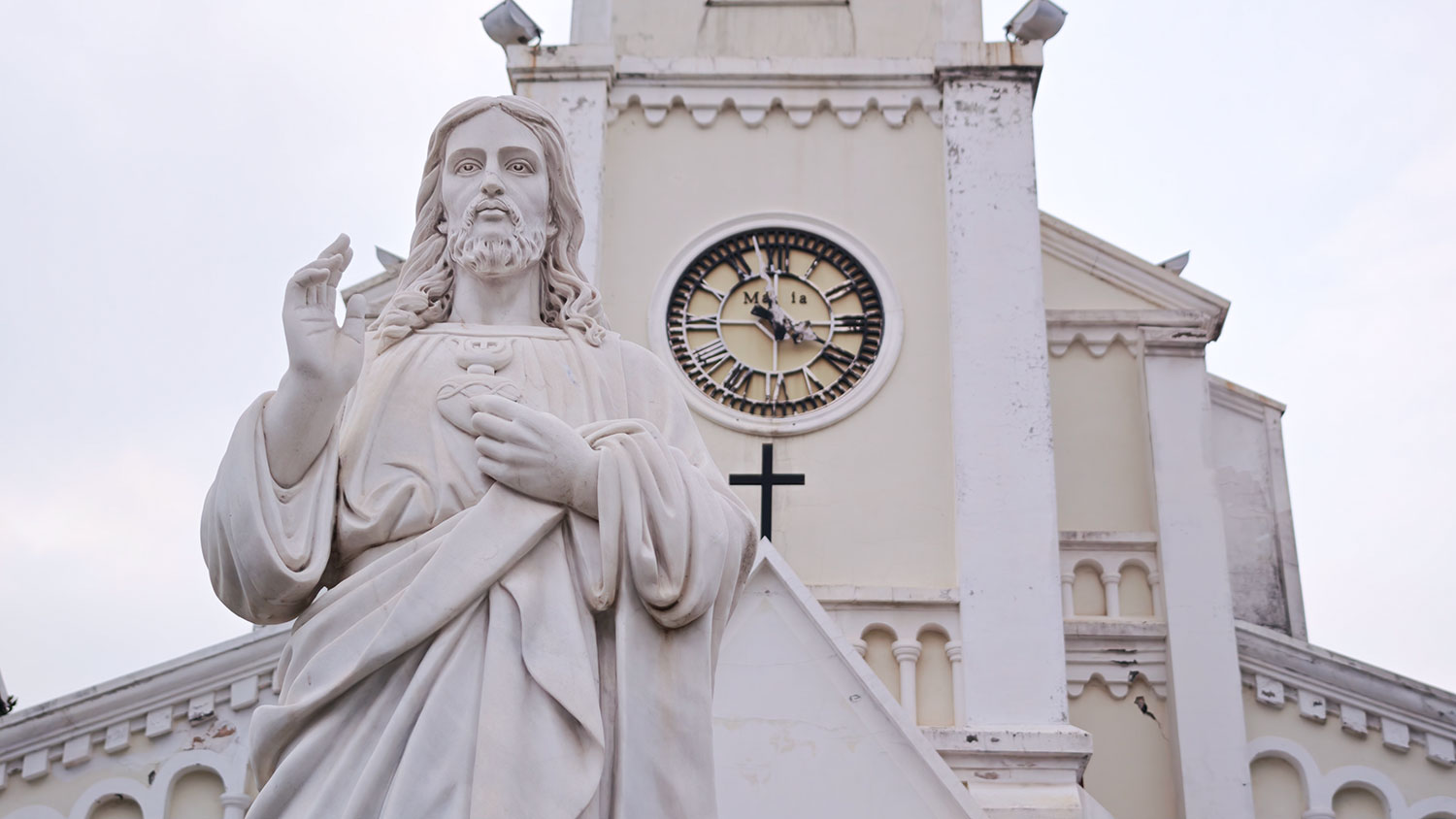
We walk through the tiny alleys to get there. We see the bell tower from afar, and getting closer we’re already happy to see the gate open. A lady welcomes us inside the courtyard, and talks about the church — switching to Chinese when her English vocabulary lacks. She talks about the nuns who live next door, and explains to my mom that the patron of this church is the Holy Mary. My mom in turn talks about the church she went to, the nuns who taught her, and that she was born in 1954, one of the two Marian years in history — and that she and many of her peers born in the same year had names based on Mary: Maria, Marie, Marja, Marije.
“What about the age of people coming for mass? Any young people?” I ask. But the lady says it’s only old people still visiting — just like in the Netherlands.
She asks if we want to visit inside, and unlocks the church doors for us to have a look.
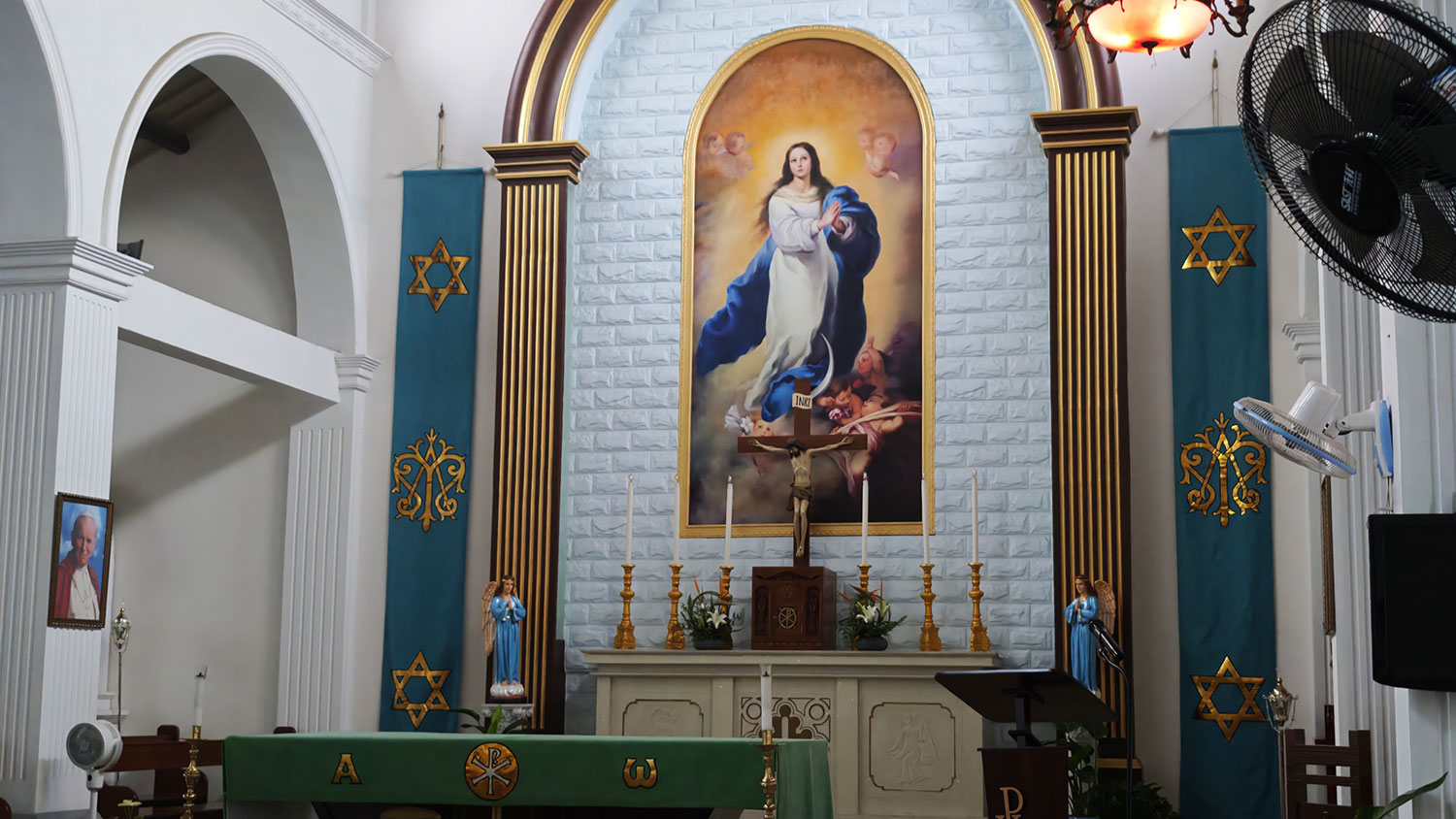
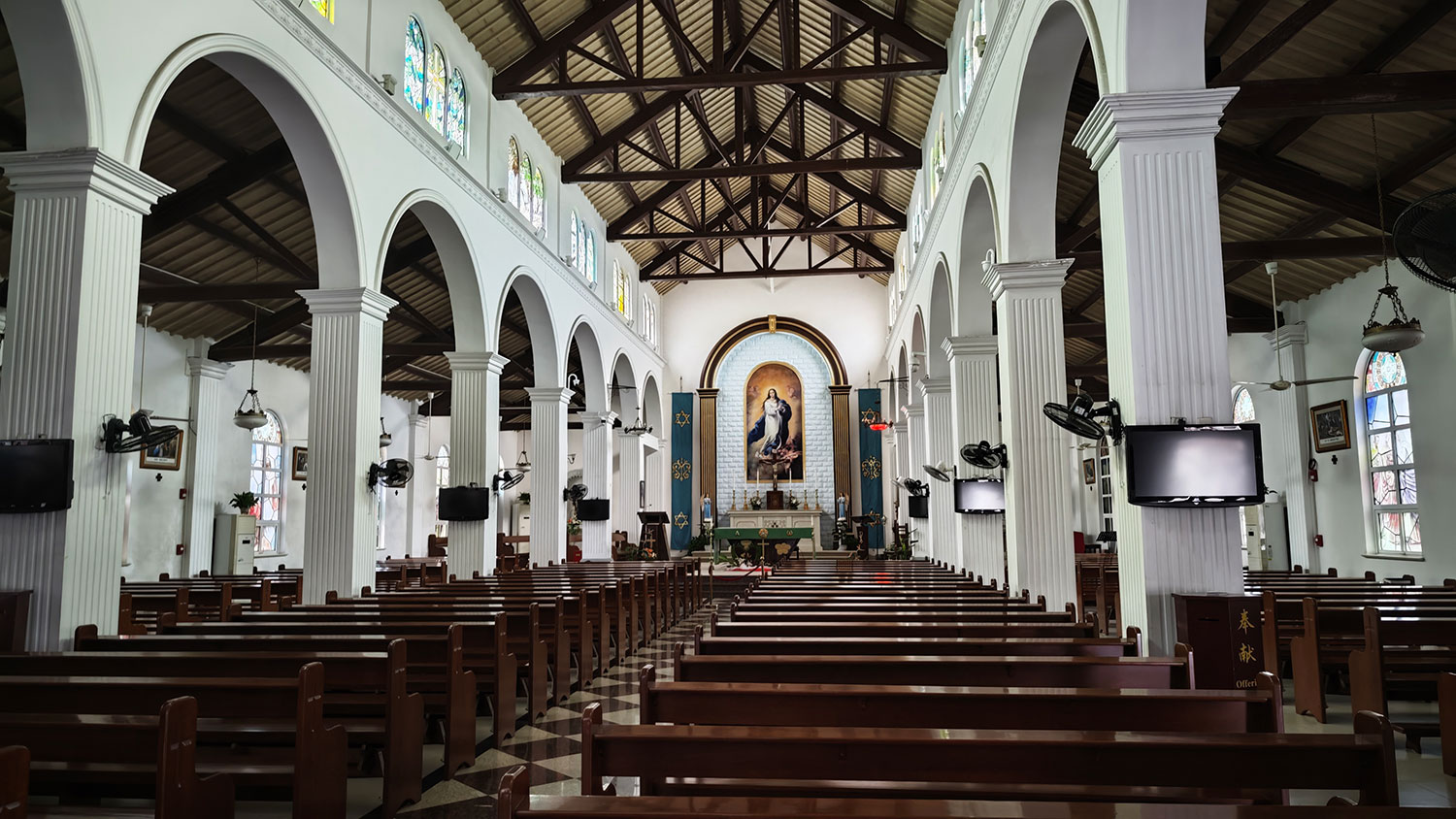
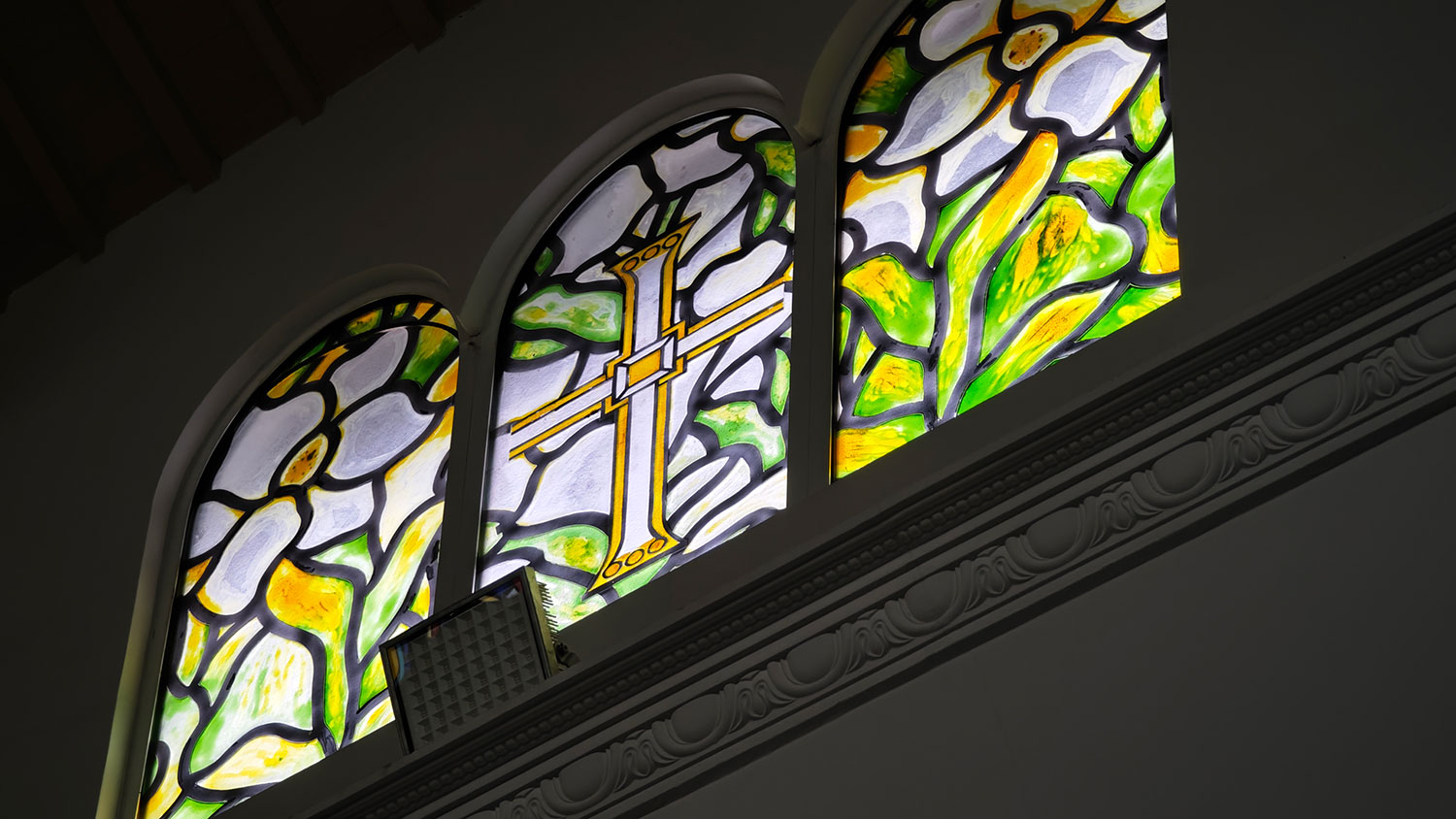
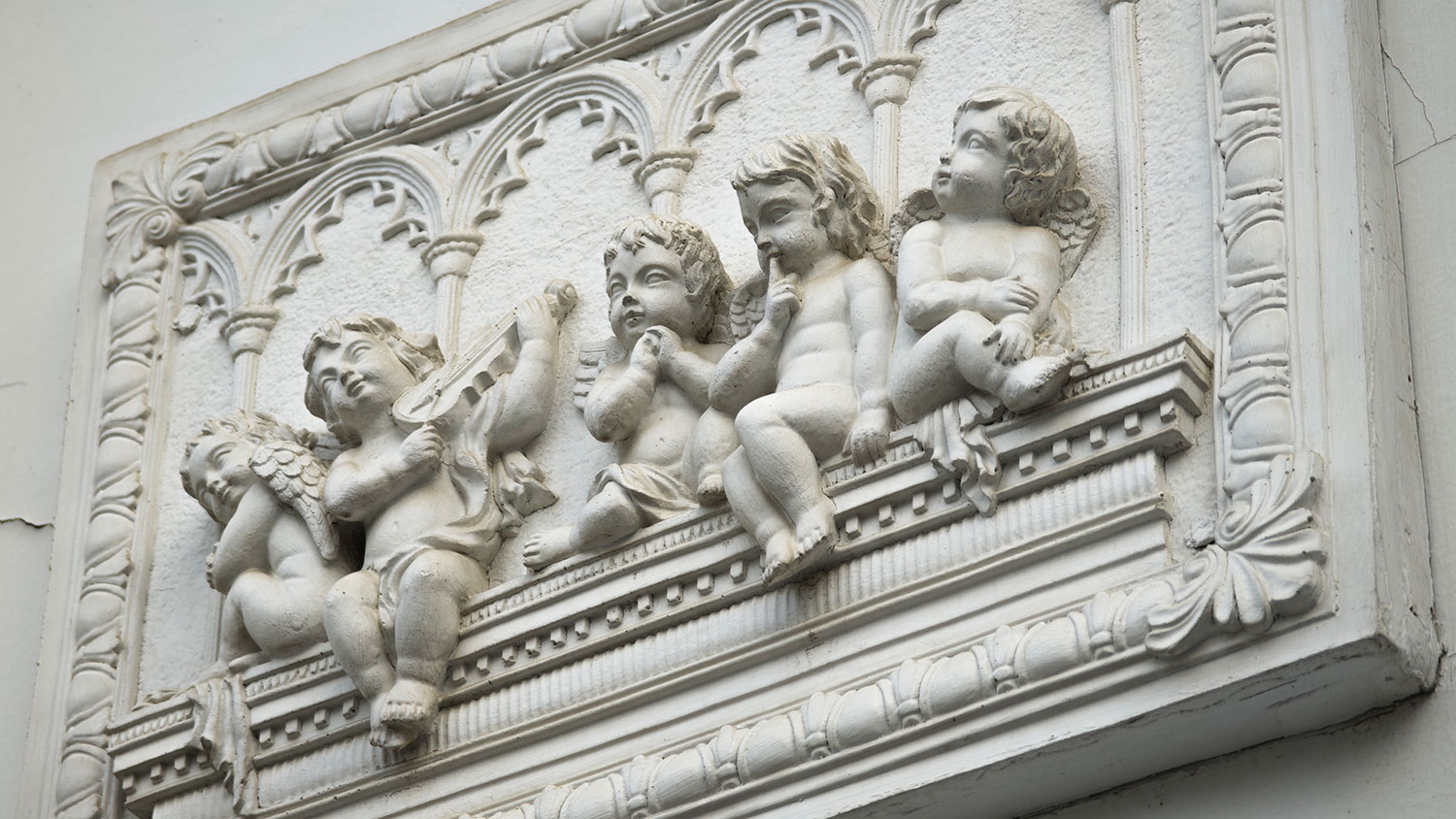
Visiting churches always reminds me of my mom’s hometown, and this time is different because my mom is actually here with me. And the interior of the church is just like any European small-town church. But it’s the silence is such a strong contrast with the water town in which we just were. There are posters of Pope John Paul II and Mother Teresa, and in the back a huge fresco of the Assumption of Mary.
We leave and my mom touches her shoulder. Despite being born 9000 kilometers apart, they still connect through the common language of religion and friendliness.