I love reading. When a percipient writer penned down his words with perfection, I love reading.
Writing in its good form is thinking on paper, and speaks directly to me in beautiful words.
I love that.
I love it when I read intelligence, expressed in a clear, simple, brief and human way.
Reading good writing begets more reading; it’s oxygen for the brain.
And the thing I love about reading is that it lets me discover something. Not only with the author’s insight, but my own as well. Writings are best without them telling me everything.
And so, what I don’t like is presumptuous and pretentious currency I get too often in exchange for my faith. And every time I see a good publisher fall to the clutches of mediocrity, the poetic words by Shakespeare come to mind; ‘Et tu, brute?’
Language is a living, evolving thing. That is fine, and I’ll accept that ‘epic’ is no longer a word to describe only tales like the Iliad and the Odyssey. I’ll accept that the word ‘amazing’ no longer means ‘something so wonderful, it is hard to find words for it.’ And I’ll accept that words like ‘mindblowing’, ‘heartbreaking’, ‘lovely’ and ‘beautiful’ have all watered down in their meaning. The very definition of these words, and many with them, have paled in their overuse.
What I find hard to accept is reading these pale words all the time, especially from publishers I greatly admire, or at least once did. I might expect sensationalism from BuzzFeed or The Onion, but seriously; Mashable, The Huffington Post, Gizmodo, Techcrunch and Quartz? Even you, Wired?
Here’s what I’m talking about:

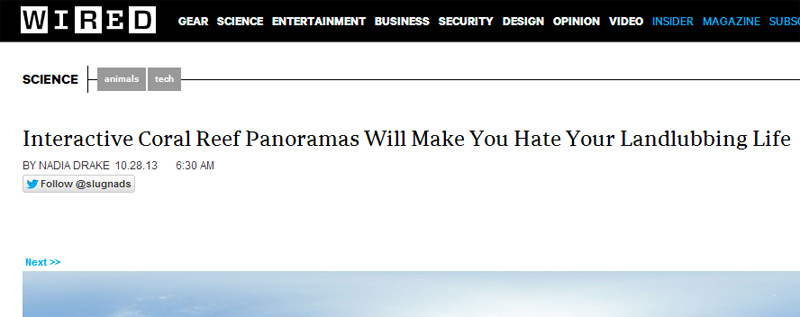
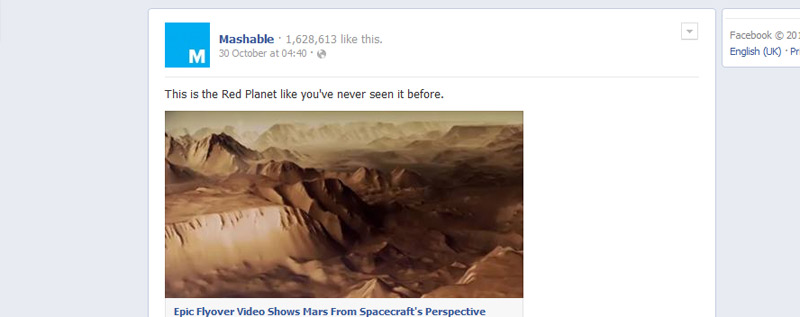
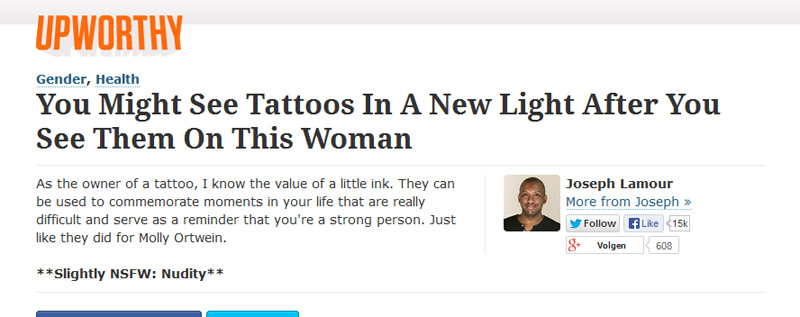
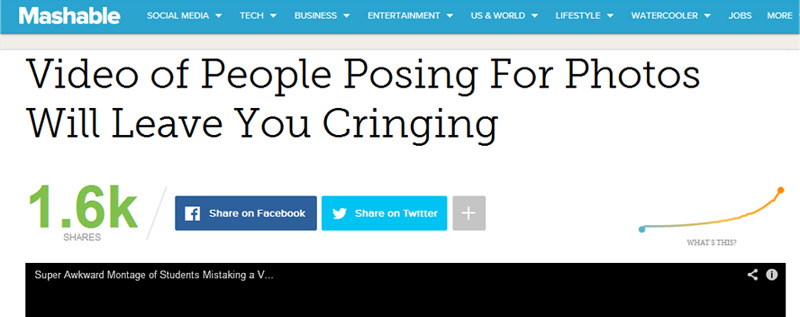
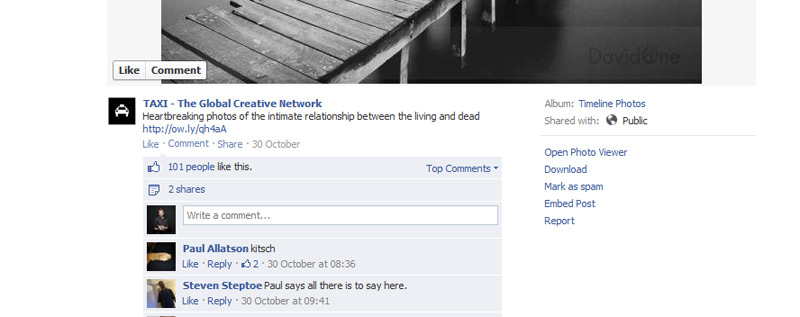

Nothing makes me cringe like a headline, telling me to cringe. I imagine the face of the writer who writes headlines like ‘Epic photographs that will leave you in awe ‘, to be completely neutral. At least mine is when reading it. Does the writer who pens down ‘must-see’ even know what that implies?
And it’s not just the headlines, it’s the whole pretence of the article. Mashable wrote an article about the US Army building an Iron Man suit, while the suit simply had embed electronics, which is nothing new. It’s a far-fetched metaphor – acting as click-bait – for people vulnerable to wasting time under the illusion they’re reading something meaningful.
I think many writers are writing articles closer related to instruction manuals than journalism; ‘here’s what you should feel’; ‘here’s what you should think’. ‘Oh yeah, and don’t forget to share.’
Jokes are bad when you have to explain them, and so are writings. Good writings leave something to discover for the reader, thus they are interactive by nature. Even Shakespeare’s play on Julius Caesar. That was written in 1559, so can we please go back to quality?