“We must prepare for the possibility that we cannot give offline-classes for several months.”
24th January, Chinese New Year’s eve. We had worked out several scenarios at GoEast, ranging from asking students to wash their hands and checking their temperature, to actually closing the campuses — which seemed extreme at that time. But we prepared the scenario anyway, and in only a few days it turned out to be true.
It’s been over five weeks since then, and the vast majority of our students has opted for online classes, a few cancelling their packages. (Mind you, learning Mandarin is entirely vocational for most foreigners in China.) We had already started teaching online in 2016, but still, we had to make many changes for a smooth transition. But all our colleagues together did it, and so did the rest of China.
It’s phenomenal to see. Today, 1.4 million students in Shanghai alone will take online classes. The city has tens of thousands of temperature checkpoints in subway stations, apartment blocks and stores, and closed places like cinemas, museums and restaurants (they offer only take-away, not seating). Gyms have started doing online workouts, clubs have started online concerts.
At GoEast, we’ve held weekly meetings, we set up a WeChat group chat for casual chat, and every few days, a colleague would share their thoughts about working at home; their challenges and solutions. One would suit up elegantly, another would draw an imaginary line in the house that meant he was now in ‘working space’.
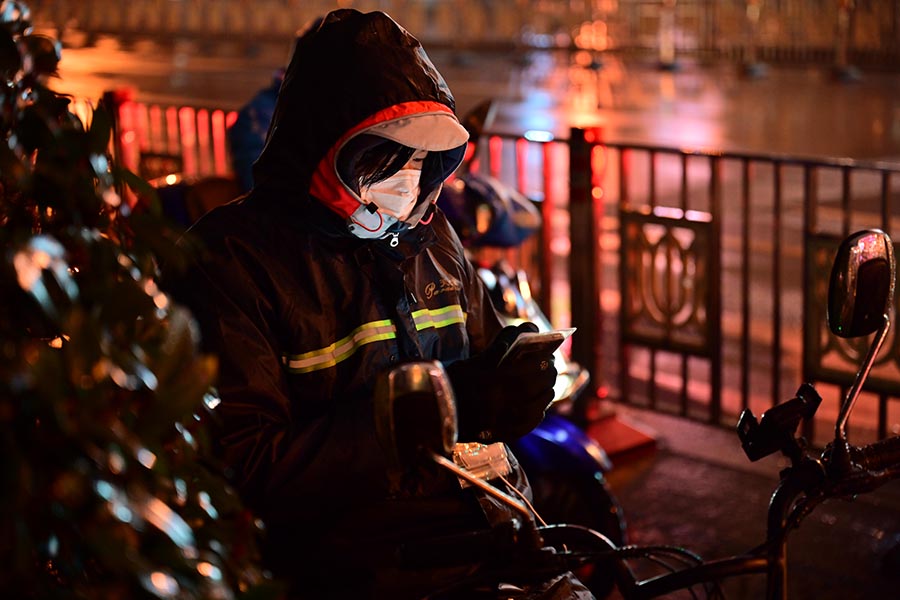
When media write about China, it’s often about the government or economy. Rarely it’s about its people. Their story should also be told. The Chinese people have once again shown— coming from four decades of massive change — that they’re extremely resourceful. Nobody complained, everybody understood and then got to work — filled with some kind of positive energy that borders naivety. And it’s wonderful.