China is letting go of its zero-covid policy.
A 24-year-old who works at a school in Suzhou shares:
“For over two years the school has forbidden us to go anywhere except absolutely necessary places. Now they advice, not forbid, us to go anywhere.
A long pause, and then a big smile: “So I’m going to a bar this weekend.”
Last Friday, I tried to have a meeting with the team today, yet two colleagues were locked in their homes, and one could not enter the office building because her PCR test passed 24 hours.
One colleague during lunch on Monday:
“I’m actually a bit worried (about the end of zero-covid).”
“About being infected or being locked down?”
“Locked down.”
Another colleague says “来吧” (let it come).
Another (Chinese) friend works in a school in Suzhou, she has some colleagues who haven’t left the city for nearly over two years because the school forbids it (and checks everyone’s 行程码, a 7-day log). They have now stopped checking.
The taxi driver shows a crumbled-up QR code that we need to scan, but it’s difficult because of the folds in the paper:
“Maybe print a new one, shifu?”
“Ah, no need, probably a few more days and this is all over anyway.”
The news is unbelievable. The Chinese Grand Prix, set for April 2023, was already canceled and we were wondering if we’ll have another year of zero covid, maybe two? And currently, basically all of the restrictions are abolished. Positive cases can quarantine at home, as do close contacts. And the stress of that is replaced with the fear of infection, although the feeling of relief overwhelms.
So did I already do my last covid test? I hope so, I’m not sure. Before this year I never did one, now I’ve done +200 (antigen included) — but suddenly our office building no longer requires it.
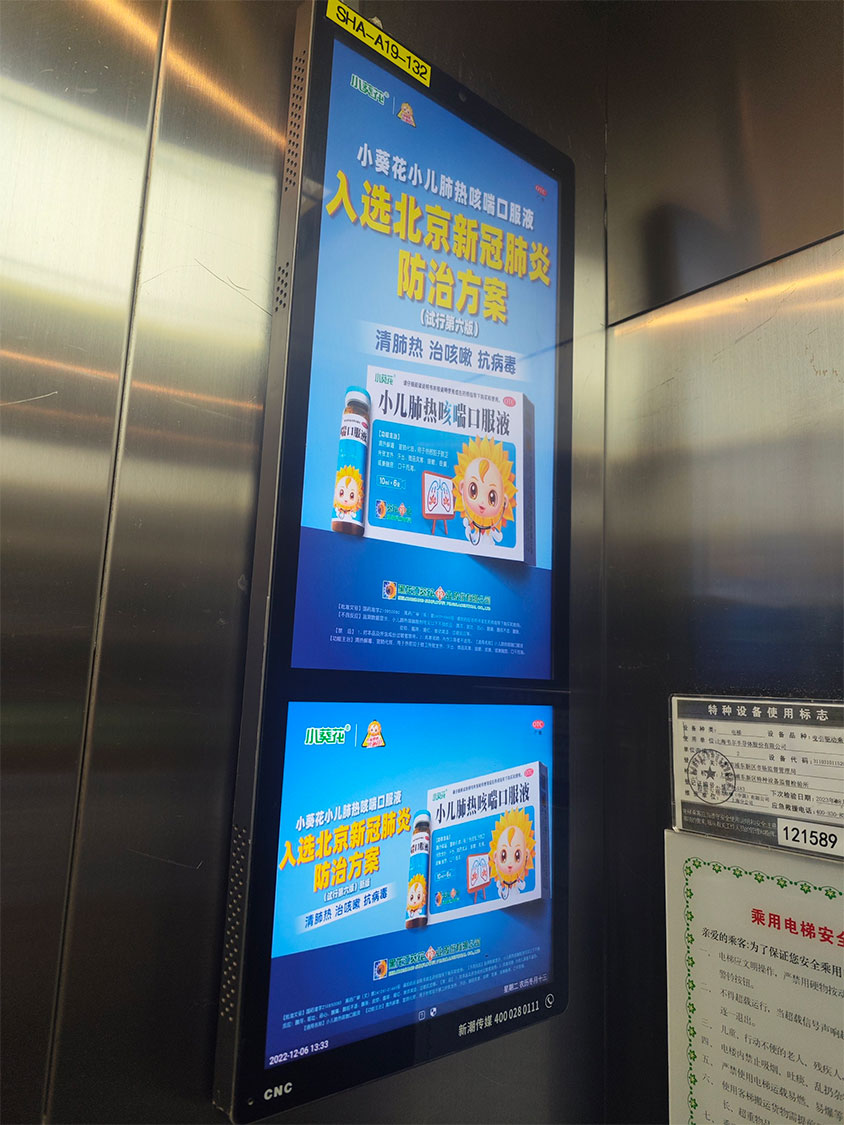
These ads are now shown in elevators; covid prevention/treatment medicine for kids. Meanwhile, ibuprofen and other fever or headache-related medicine are all sold out, even canned peaches.
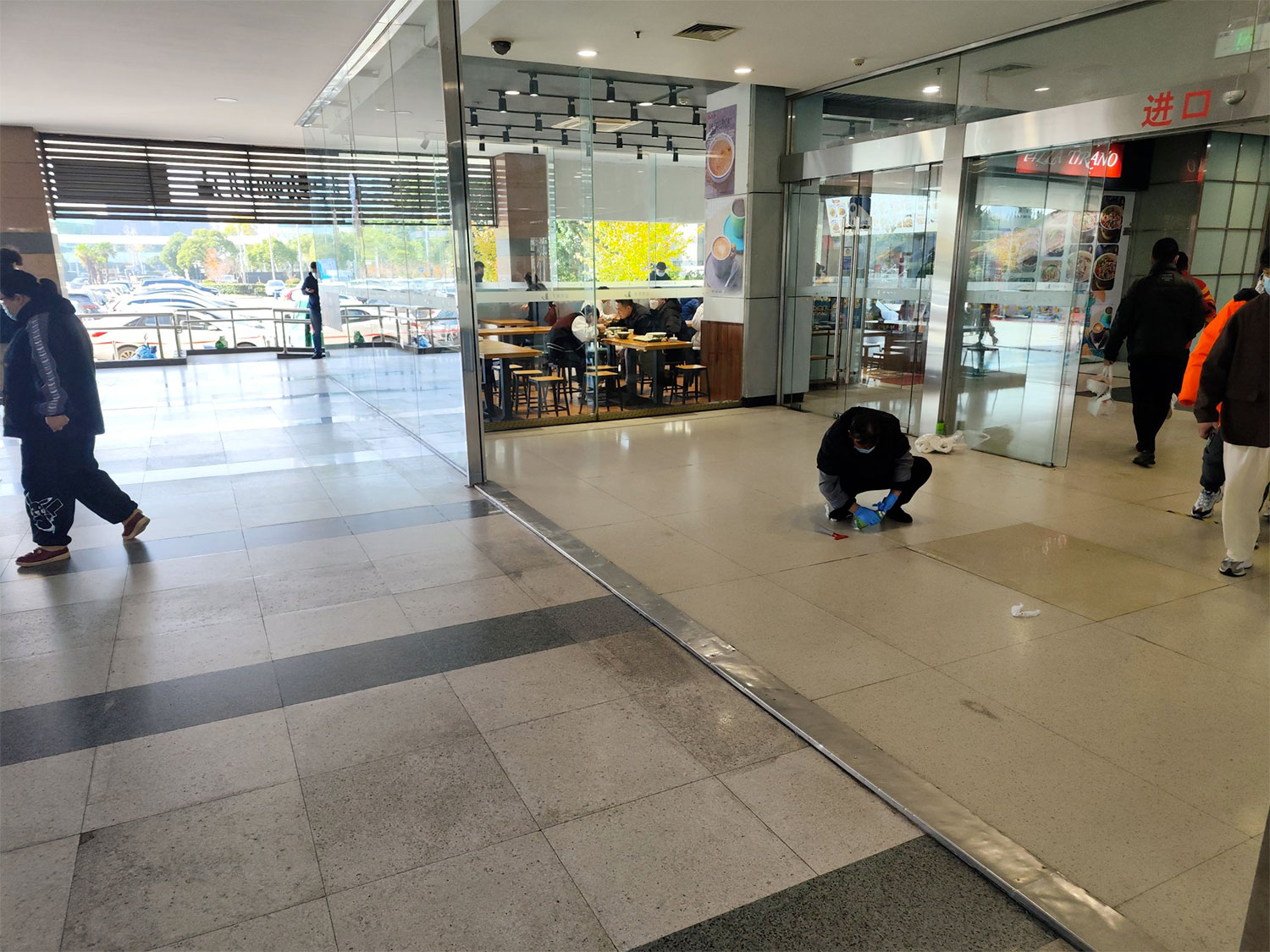
It’s Tuesday and the ayi is scraping off the glue remains from the posters and stickers used for scanning codes. No more scanning when entering our office building. It’s like all brakes are off now. Freedom comes and it smells like adhesive removal spray.
Plus I spoke with BBC’s Mariko Oi this morning.